
Loading
  • Link to Instagram
How to rabbit
  • Home
  • Getting a Rabbit
    • Before You Get Rabbits
      • Rabbit Care for Beginners
      • Rabbit Care in 15 Minutes
      • How Much Do Rabbits Cost?
      • Lop Rabbits: Health & Welfare Concerns
      • Rabbit Lifespan: How Long Do Rabbits Live?
    • Choosing & Bringing Home Rabbits
      • Bringing a Rabbit Home
      • Sexing Rabbits: Male or Female?
      • Neutering Male Rabbits
      • Rabbits and Other Pets
      • Rabbit Adoption Contract
  • Housing
    • Outdoor Housing
      • Winter Care for Rabbits
      • Keeping Rabbits in the Garden
      • Building an Outdoor Rabbit Enclosure
      • Overwintering Rabbits
      • Outdoor Rabbit Run Ideas
    • Indoor Housing
      • Rabbit Litter Training Guide
      • Setting Up a Rabbit Room
      • Vitamin D for Indoor Rabbits
      • Keeping Rabbits Indoors
      • Indoor Rabbit Housing Ideas
      • Keeping Rabbits Cool in Summer
    • Balcony Housing
      • Keeping Rabbits on a Balcony
      • Rabbit-Friendly Balcony
  • Feeding
    • Foods for Rabbits
      • Grass & Meadow Plants
      • Pellets for Rabbits
      • Vegetables
      • Culinary herbs
      • Fruits for rabbits
      • Water & Drinking
    • Feeding Guidelines
      • Feeding Guidelines
      • Common Feeding Mistakes
      • Rabbit Feeding Myths
      • How to Feed a Baby Rabbit
    • Feeding tips
      • How to Transition a Rabbit to a New Diet Safely
      • Winter Diet for Rabbits
      • Nutrition for Young Rabbits
      • Diet Changes in Young Rabbits
    • Nutrition Basics
      • What can rabbits eat?
      • Types of Rabbit Diets
      • Is Hay the Main Food for Rabbits?
      • Tooth Wear & Dental Health
      • Crude Fiber & Carbohydrates
      • Secondary Plant Compounds
      • Food selection
      • Between Scarcity and Abundance
      • Rabbit Digestion
      • Wild Rabbit Nutrition
    • Foraging & Plant Identification
      • Foraging Meadows for Beginners
      • Identifying Coniferous Trees
      • Highly toxic plants
    • Food & Plant Lists
      • Safe Branches for Rabbits
      • Best Vegetables for Rabbits
      • Wild Grasses for Rabbits
      • Aromatic Herbs for Rabbits
      • Foraging & Plant Identification
      • Garden plant list
      • Fruit list
  • Companionship & Bonding
    • Rabbit Bonding
    • After a Rabbit Dies: Should the Other Rabbit Live Alone?
    • Can Rabbits Live Alone?
    • Choosing the Right Rabbit Companion
    • Rabbit Bonding Methods
    • Common Bonding Mistakes
    • Bonding of Young Rabbits
    • Keeping Rabbits in Large Groups
    • Hierarchy Fights & Bullying
    • Bonding Disabled or Ill Rabbits
    • Rabbit Socialization
  • Behavior
    • Handling Rabbits
    • Common Behaviors & Problems
      • Rabbits that don’t get along
      • Handling traumatized rabbits
      • Nibbling & Chewing
      • Digging
      • Humping
      • Kicking, Scratching & Wriggling
      • Biting & Aggressive Behavior
    • Body Language & Senses
      • Rabbit Senses
  • Health
    • General Health
      • Is My Rabbit Sick?
      • Recognizing Pain in Rabbits
      • Sudden Death in Rabbits: Possible Causes
      • Rabbit Health Myths
    • Digestive Disorders
      • Gastric Dilatation in Rabbits
      • Bloating in Rabbits
      • Hairballs & Constipation
      • Rabbit Diarrhea & Mushy Poop
      • Stomach Overload
      • Coccidia in Rabbits
      • Yeast in Rabbits
      • Worms in Rabbits
      • Underweight & Overweight Rabbits
      • Megacolon Syndrome
      • Bacterial Enteritis
      • Appendicitis in Rabbits
    • Skin, Fur & Parasites
      • Molting
      • Flystrike in Rabbits (Myiasis)
      • Mites, Ticks, Fleas & Other Parasites
      • Ear Mites
      • Skin Fungus
      • Wounds & Bite Wounds
      • Abscesses
      • When Rabbits Lick Themselves Raw
      • Sore Hocks in Rabbits
      • Injection Necrosis
      • Tumors & Cancer in Rabbits
      • Skin Inflammation
    • Infectious Diseases
      • Rabbit Snuffles
      • E. cuniculi in Rabbits
      • Rabbit Hemorrhagic Disease (RHD)
      • Myxomatosis
      • Ear Infection
      • Rabbit Syphilis
      • Tularemia (Rabbit Fever)
      • Tetanus
      • Toxoplasmosis
      • Listeriosis
      • Rodentiosis
      • Herpesviruses in rabbits
    • Internal & Organ Diseases
      • Liver Diseases
        • Liver Lobe Torsion
      • Cystitis
      • Bladder Sludge & Bladder Stones
      • Kidney Failure
      • Sex & Neutering
      • Uterine Diseases
      • Heart Diseases
      • Thyroid Diseases
      • Heatstroke in Rabbits
      • Stroke in rabbits
      • Schock
      • Hormonal Disorders
    • Other Health Conditions
      • Floppy Rabbit Syndrome
      • Dental Diseases
        • Jaw Abscesses
        • Nutrition for Dental Disease
      • Eye Diseases in Rabbits
        • Watery Eyes
      • Joint Diseases
      • Bone Fractures & Accidents
      • Cramps & Seizures
      • TThymoma, Lymphoma & Other Tumors
      • Poisoning in Rabbits
      • Mold & Mycotoxins
  • Care
    • Rabbit Poop & Urine: What It Means
    • Housing for Disabled & Elderly Rabbits
    • Wheelchairs & Mobility Support for Rabbits
    • Rabbit Health Check
    • Dirty Bottom in Rabbits
    • Why Does My Rabbit Pee & Poop Everywhere?
    • Saying Goodbye to a Rabbit
  • Offspring
    • Breeding that causes animal suffering
  • Service
    • News
    • About Us
    • Legal Disclosure
    • Privacy Policy
  • Click to open the search input field Click to open the search input field Search
  • Menu Menu

Wounds, bite wounds

Contents

  • Wound Treatment
  • Inspection and Cleaning
  • When Should I Consult a Veterinarian?
  • Treatment
  • Bite Wounds
  • Case Report
  • Bite Wound
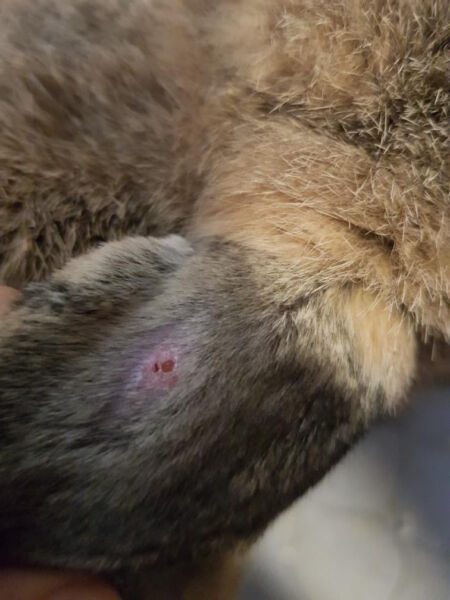
  • Bite Wound on the Ear of a Lop-Eared Rabbit with a Hole in the Ear
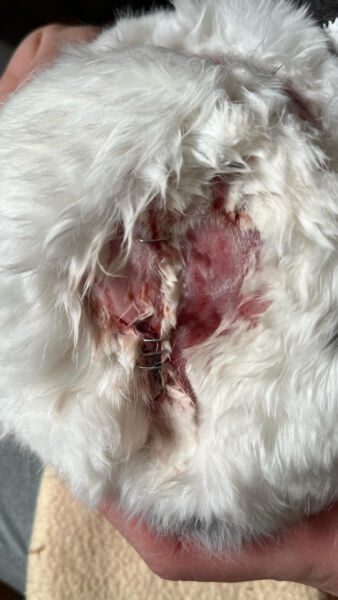
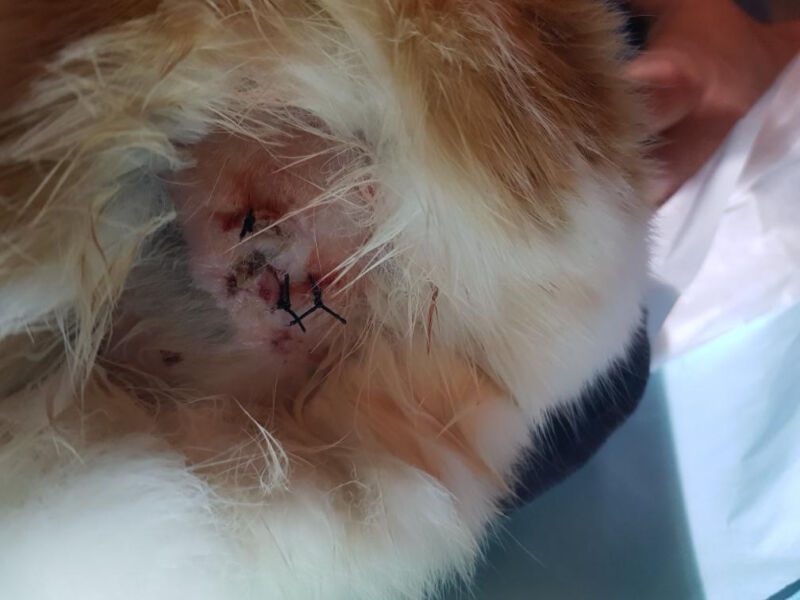
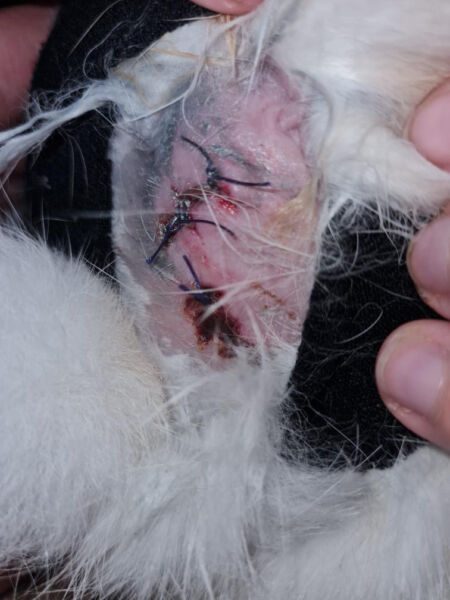
  • Bite Wounds that Required Stitches
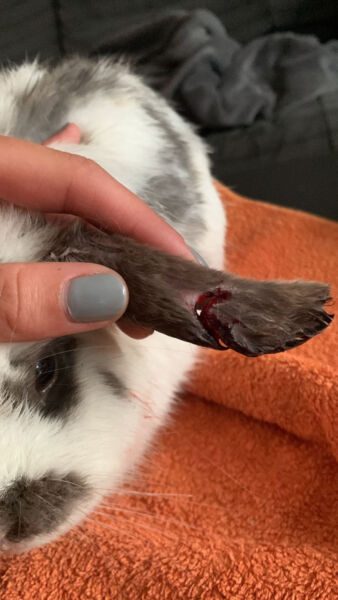
  • Ear Bite on a Lop-Eared Rabbit
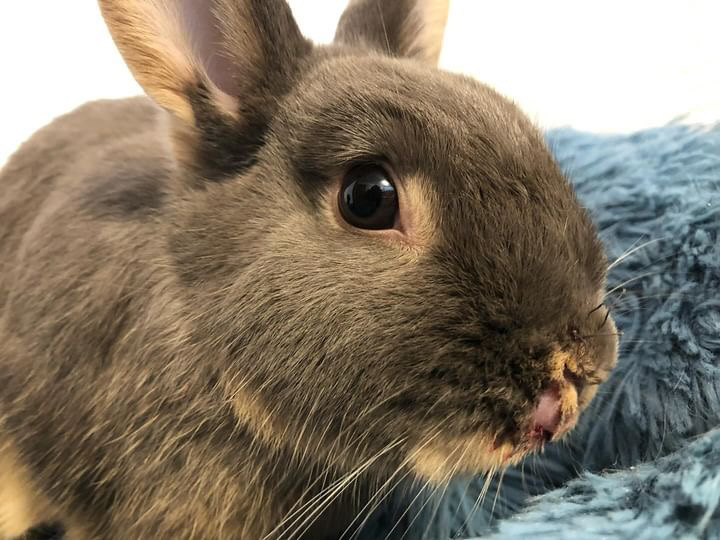
  • Bite Injury Between Two Neutered Bucks (unfortunately a true incompatibility)

Wound Treatment

Injuries sometimes occur when rabbits fight or play, and these wounds need to be treated appropriately.

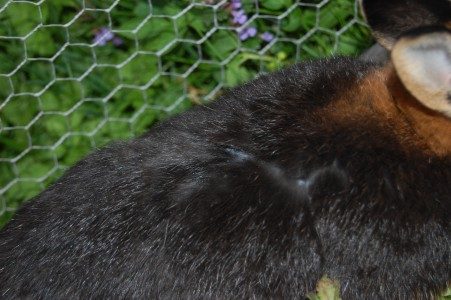
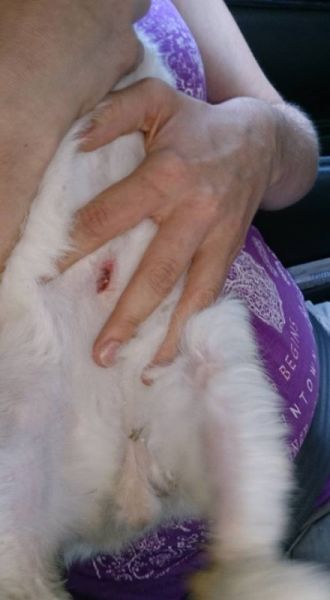
Bite wounds are particularly common on the nose but can also affect the eyes, ears (especially in lop-eared rabbits), genital area, and other parts of the body. If bite wounds occur repeatedly, it is essential to reevaluate the group dynamics. Severe bite injuries are often seen in unneutered bucks, sometimes with fatal consequences. To prevent this, they should be separated immediately and neutered.
Sorry, I cannot access external links or images. Please upload the image directly or provide a detailed description so I can assist you accordingly.

Inspection and Cleaning


The wound should first be carefully inspected and thoroughly cleaned. Suitable cleaning solutions include saline, colloidal silver, diluted calendula essence, or lukewarm water for rinsing the wound. Larger foreign objects should be gently removed using tweezers or fingernails. However, if an object is deeply embedded (e.g., a piece of wood or a knife), it must only be removed by a veterinarian, as removal could trigger severe, life-threatening bleeding.

Sorry, I cannot access external links or images. Please upload the image directly or provide a detailed description so I can assist you accordingly.
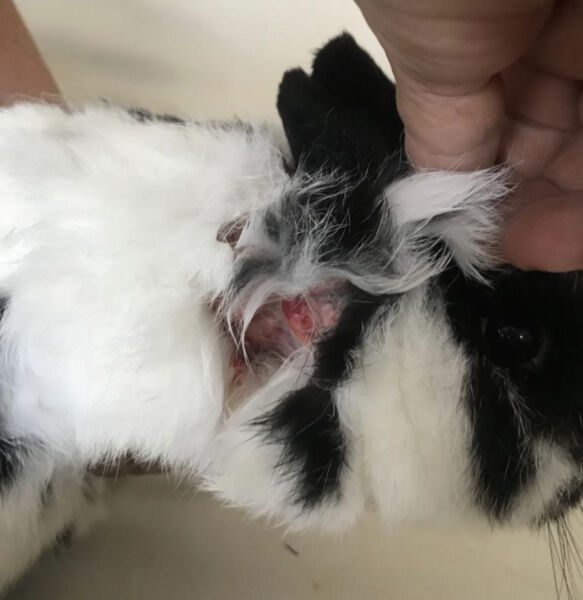
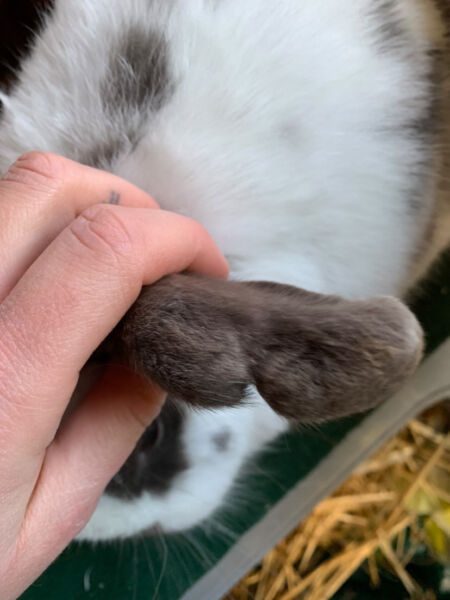
Torn Ear Due to a Bite Injury
This is a common type of injury in lop-eared rabbits.

Once the wound has been cleaned, its severity can usually be assessed more accurately. Is the wound bleeding heavily? How deep is it?

When Should I Consult a Veterinarian?

When in doubt, always contact your veterinarian. The following types of wounds must be treated by a veterinarian:

Severely bleeding wounds

  • Fractures
  • Infected or pus-filled wounds
  • Wounds on or inside the eye
  • Deep wounds
  • When the general condition of the animal is affected
  • Wounds associated with or potentially linked to other conditions (e.g., flystrike, fungal infections, parasites, etc.)
  • Wounds that fail to heal
  • Wounds with large, dangling or detached skin flaps
  • Inflamed wounds
  • Wounds that require stitching
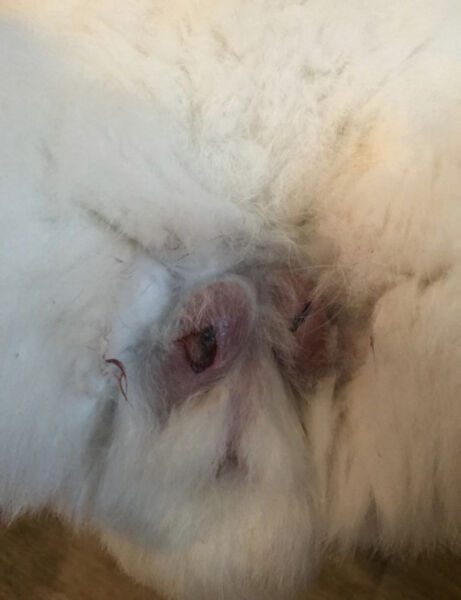
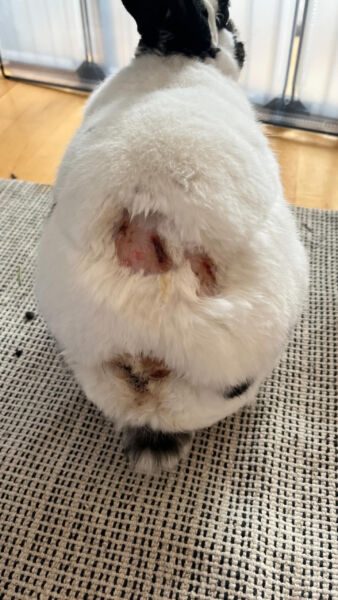
Bite Injury to the Testicle This is common in unneutered males and requires urgent veterinary attention.
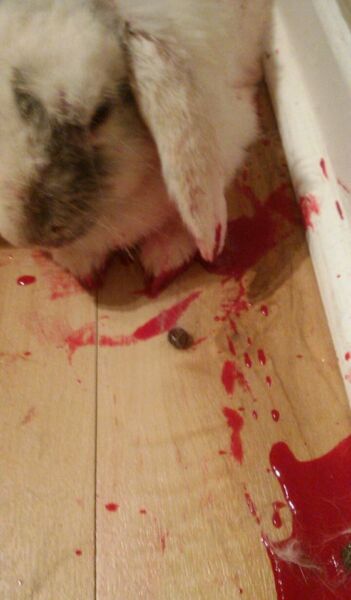
Bite Injury to the Neck This type of injury requires immediate treatment!

Treatment

It is crucial to disinfect the wound. Suitable options include wound disinfectant sprays, colloidal silver, calendula essence, alcohol, etc. Disinfection should be repeated daily until the wound has healed.


Depending on the type of wound, ointments may also be beneficial. For example, Bepanthen Wound and Healing Ointment or Betaisodona are suitable, though the choice of ointment depends on the nature of the wound, as different ointments have varying effects. Consult your veterinarian or pharmacist to find a suitable ointment for the specific wound. Simple abrasions should be left to heal in the open air after disinfection, without the use of ointment.

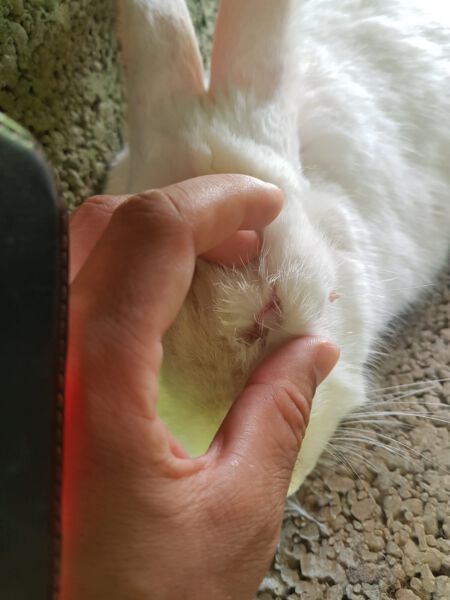
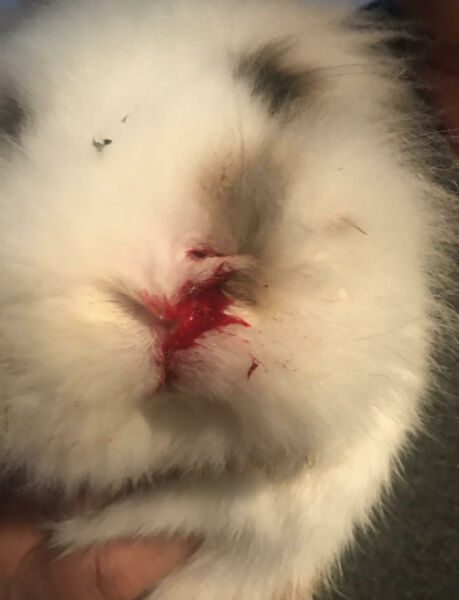
Deeper or more severe wounds often require suturing under anesthesia. However, in some cases, tissue adhesive can be used instead of sutures. This eliminates the need for anesthesia, reduces scarring, and is well-tolerated. The rabbit in the photo on the right shows its nose one day after treatment with tissue adhesive, where it was nearly torn off.
Sorry, I cannot access external links or images. Please upload the image directly or provide a detailed description so I can assist you accordingly.

Depending on the severity of the wound, antibiotics and pain relief may be necessary.

Attention!
If the wound is examined by a veterinarian who is not experienced with rabbits, make sure that the antibiotic prescribed is suitable for rabbits!

The following antibiotics (according to the PLACE rule) should never be given orally to rabbits. They may only be administered via injection after careful consideration in individual cases, with very clear information provided to the owner:

  • Penicillin (e.g., Procain-Penicillin-G…)
  • Lincomycin
  • Ampicillin, Amoxicillin (e.g., Duphamox, 10-20mg/kg once daily or Veracin RS 0.1ml/kg once daily)
  • Clindamycin, Cephalosporins (e.g., Convenia)
  • Erythromycin

Wounds should be carefully examined daily until they are fully healed.

Bite Wounds
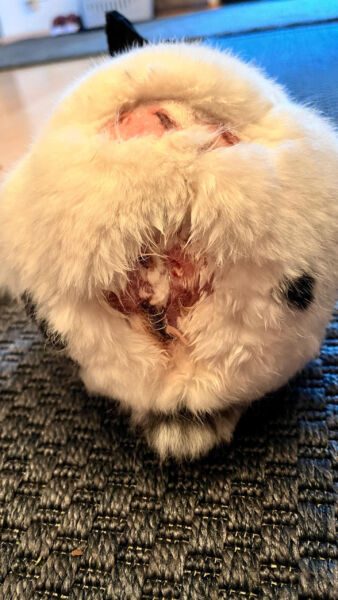
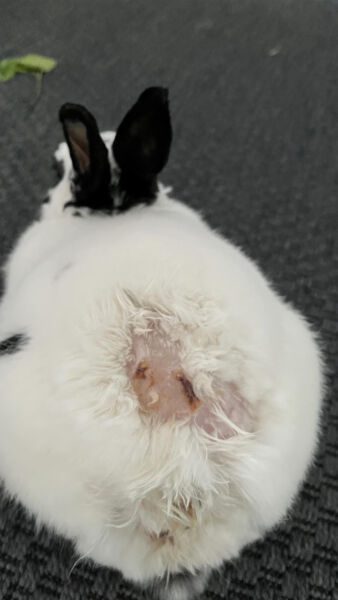
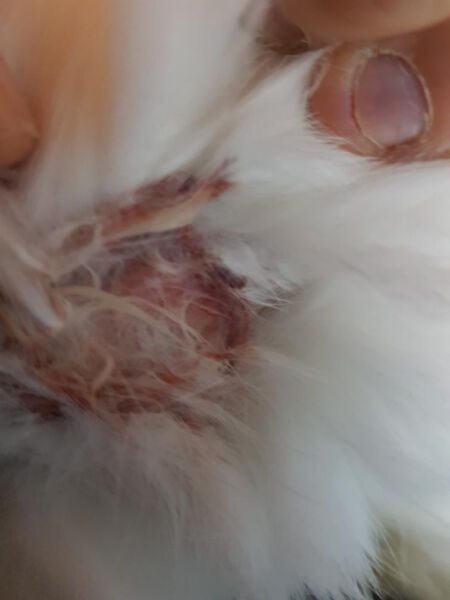
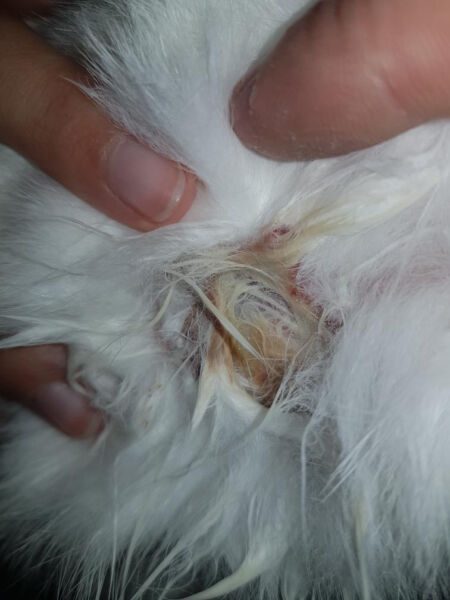
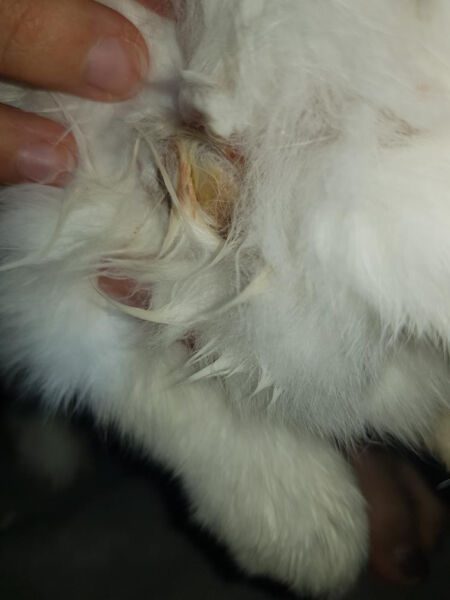
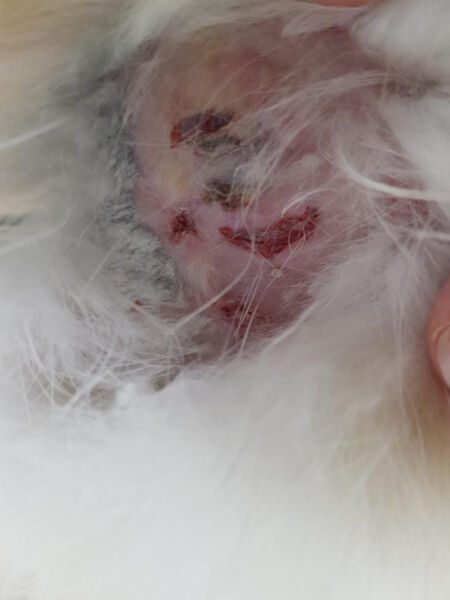
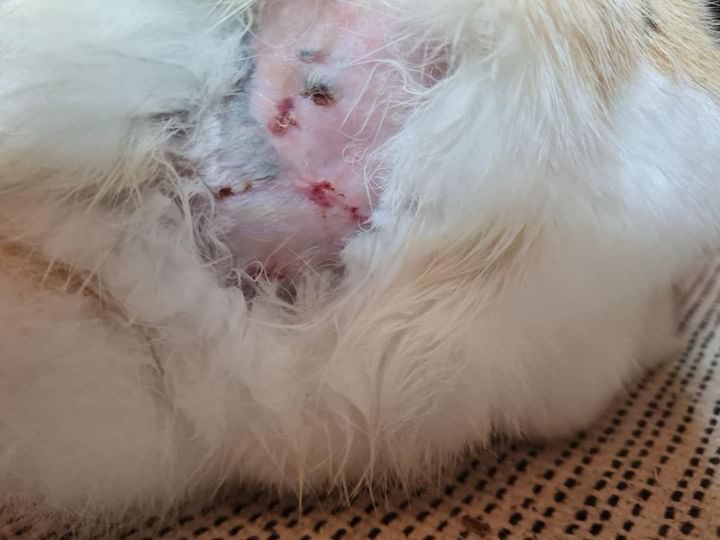
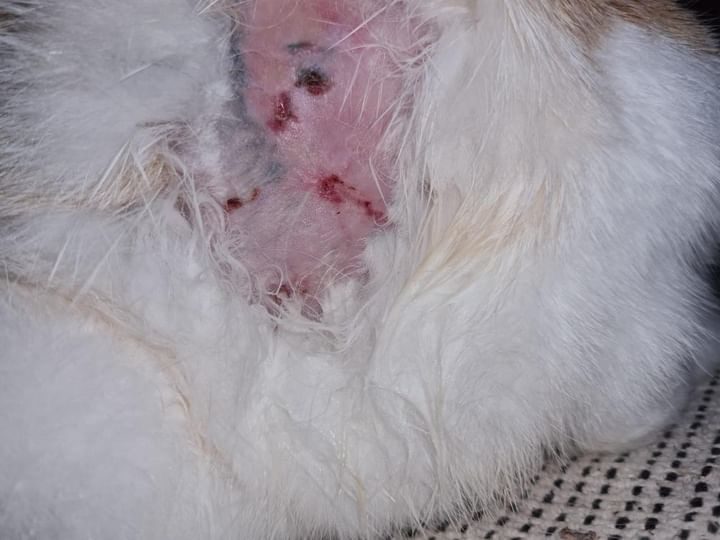
Covered in bites
Bite on the Head
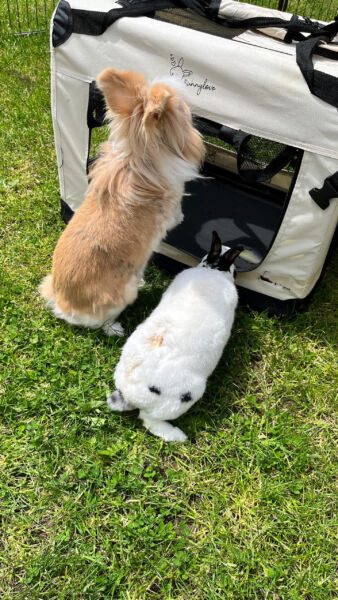
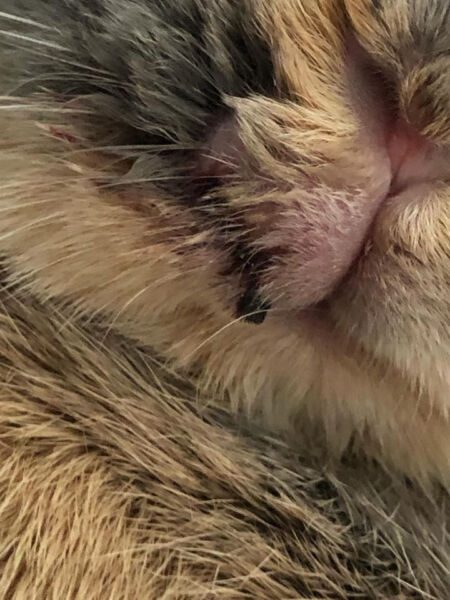
Bites on the Nose are common during bonding.

Case Report

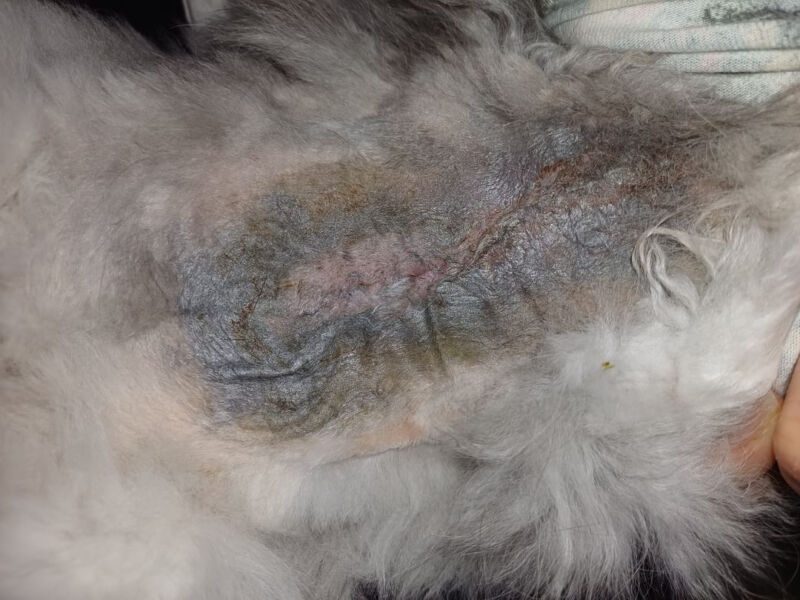
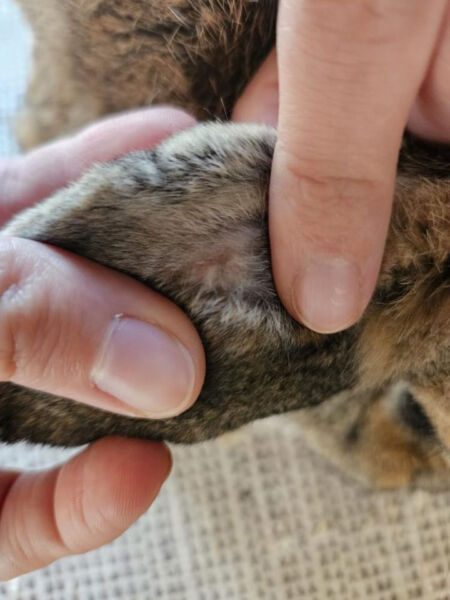
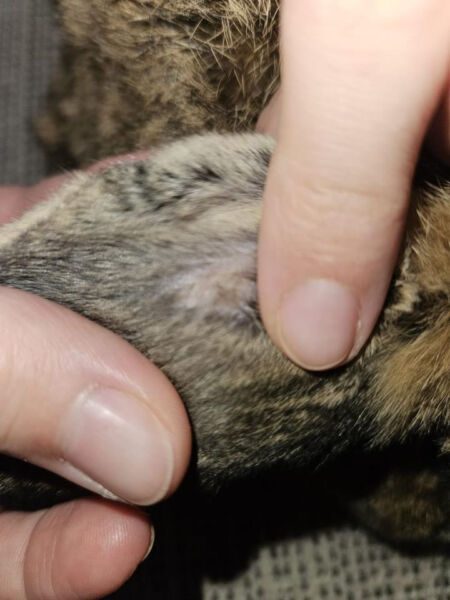
Bite wounds treated by a veterinarian and healed within approximately 3-4 months:
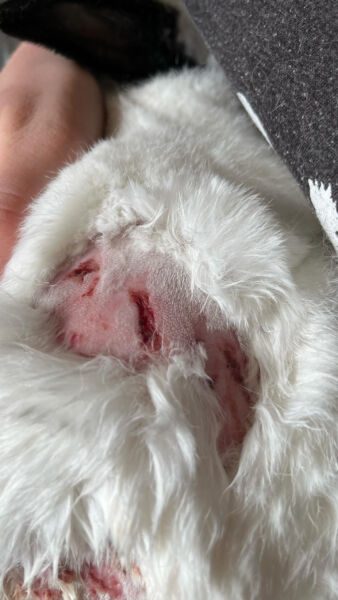
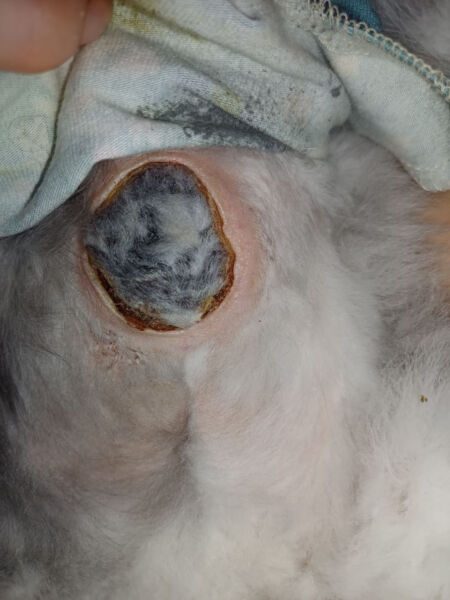
A wound with a large hematoma on the chest resulted in high fever and the formation of a tumor. The mass was surgically removed.
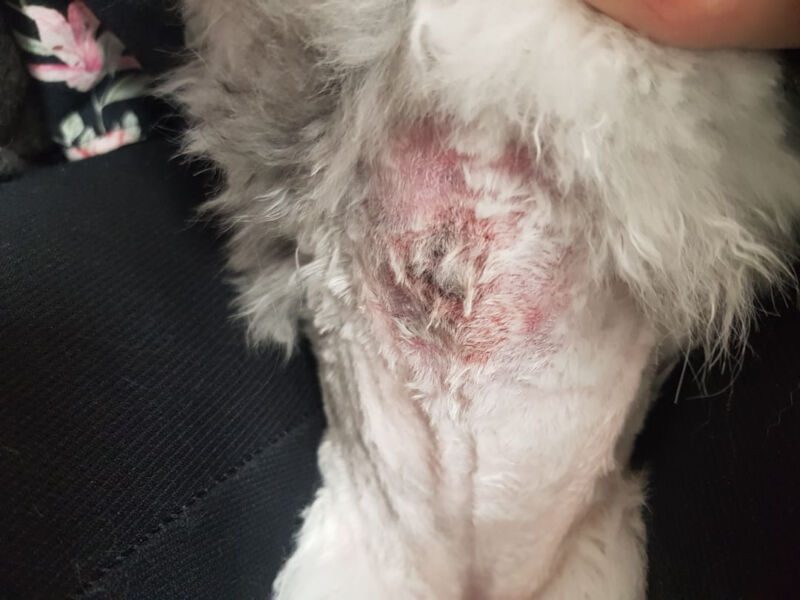
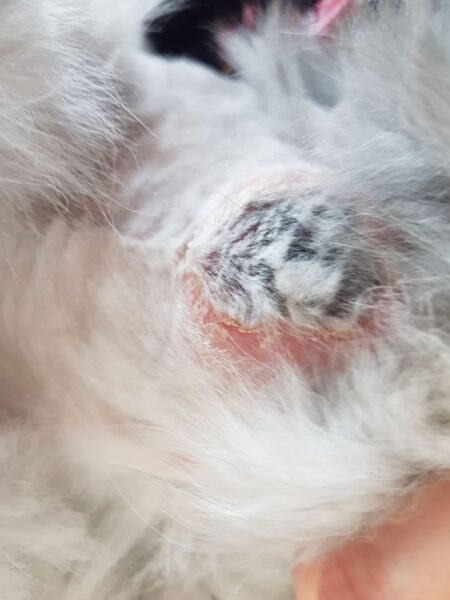
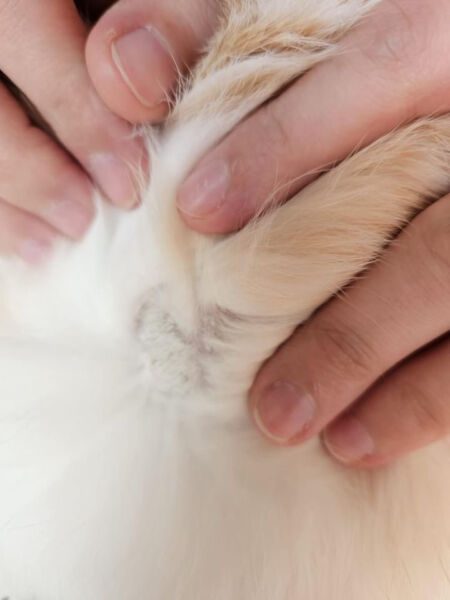
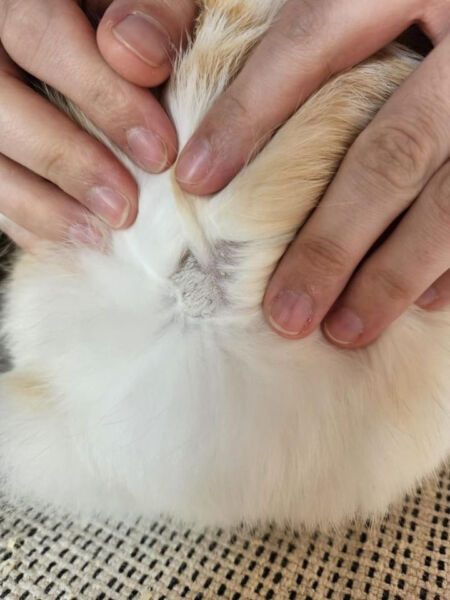
Bite Wound
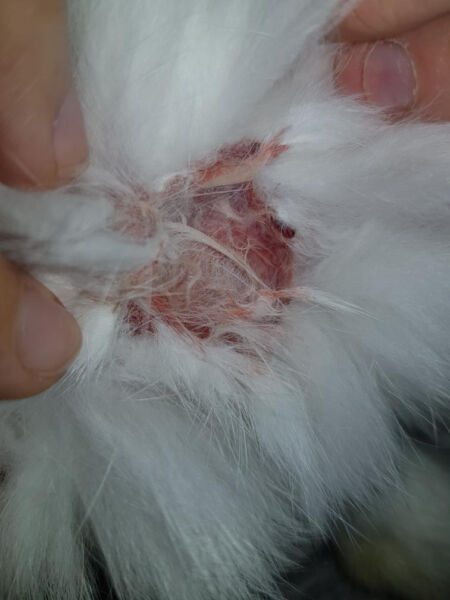
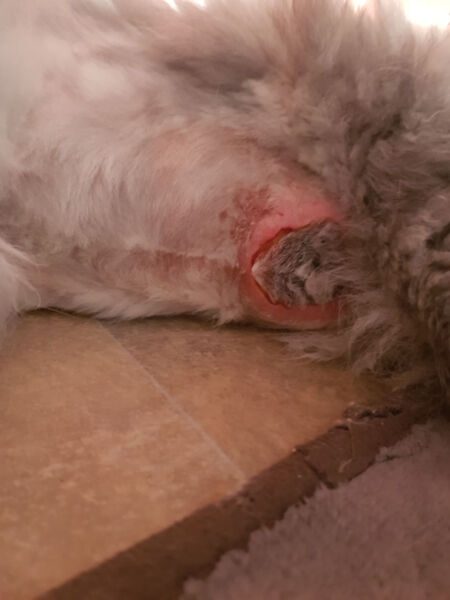
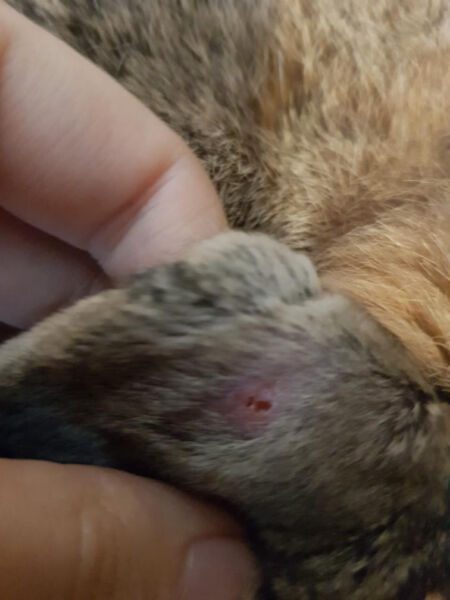
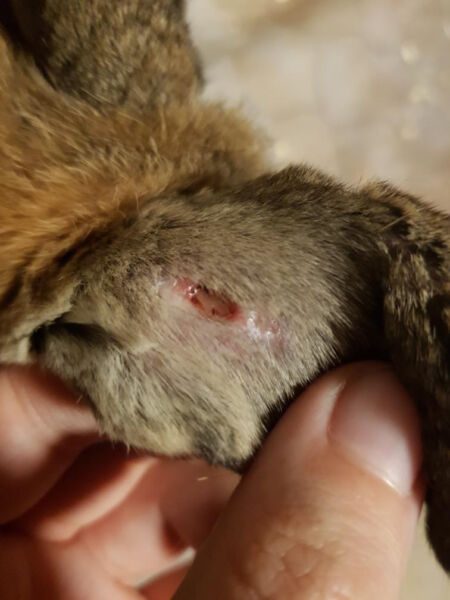
Bite Wound on the Ear of a Lop-Eared Rabbit with a Hole in the Ear
Bite Wounds that Required Stitches
Ear Bite on a Lop-Eared Rabbit
Bite Injury Between Two Neutered Bucks (unfortunately a true incompatibility)

They were separated and each was paired with a female companion, allowing them to live happily now.
Who Is Behind How to rabbit?

Veterinarian Viola Schillinger
Who Is Behind How to Rabbit? Viola Schillinger is a veterinarian who has kept rabbits since childhood and has dedicated much of her professional life to improving their health, welfare, and living conditions. Decades of rabbit keeping, intensive observation, and professional study have given her extensive experience in rabbit health, nutrition, behavior, and species-appropriate husbandry. She shares her knowledge through television appearances, webinars, podcasts, radio programs, articles, and books. In 2008, Viola founded Kaninchenwiese.de, which has grown into a leading German-language resource for rabbit care and health, reaching around 500,000 visitors per month. How to Rabbit brings this knowledge to an international English-speaking audience. The English content is translated and adapted by Erika Kühne Escobar and medically reviewed by Viola Schillinger.

Rabbits need space…


How to rabbit…

…is a guide for the appropriate keeping, nutrition and care of rabbits.

Search

Search Search

Never alone


Last Changes

  • Neutering Male Rabbits 2. October 2026
  • Cookie Policy (EU) 7. September 2026
  • Care 26. August 2026
  • Fruit list 27. September 2026
  • Highly toxic plants 30. July 2026
© Copyright - How to rabbit 2024 - Enfold Theme by Kriesi
  • Link to Instagram
Scroll to top Scroll to top Scroll to top