
Urolithiasis: Bladder sediment, bladder stones, urinary sediment, and more.
Warning! Urine-soaked fur poses an extreme risk of flystrike! Protect your rabbit!
Concrete deposits in the urinary tract are a condition frequently diagnosed in indoor rabbits, although they are estimated to affect only around 0.3–1.3% of rabbits overall.
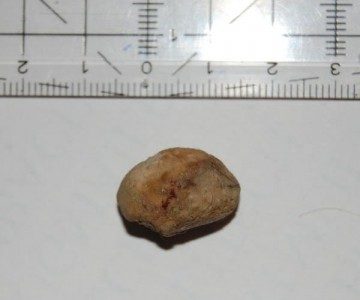
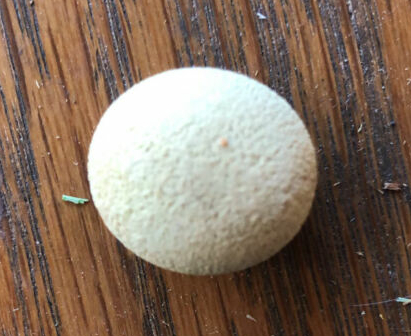
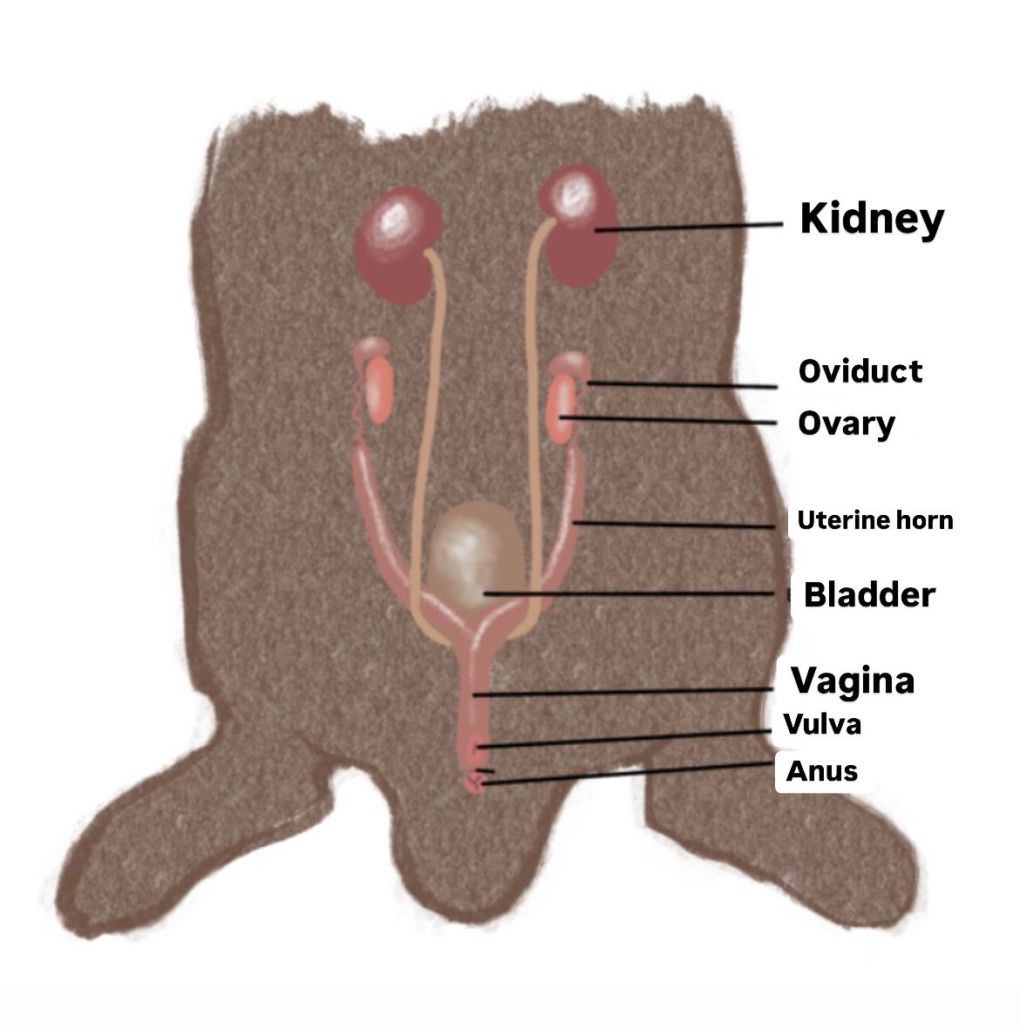
A distinction is made between bladder sludge and urinary stones. Bladder sludge refers to urinary crystals that accumulate in the bladder or urine. Urinary stones, in contrast, are classified according to their location and may occur as kidney stones, ureter stones, bladder stones, or urethral stones. Female rabbits are typically affected only by bladder stones, whereas male rabbits may also develop urethral stones.
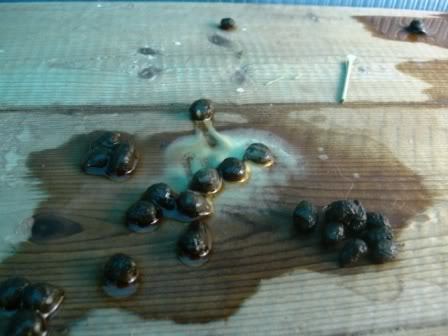
Bladder stones are composed of:
- Calcium carbonate
- Calcium phosphate
- Calcium oxalate
- Rarely, struvite
Symptoms: How does bladder sludge present in rabbits?
The symptoms vary depending on the severity of the condition. Rabbits with bladder sludge may show only one of the following signs or several symptoms at the same time:
- Bloody urine (small red drops in otherwise normal urine; completely red urine is not necessarily blood)
- Difficulty urinating
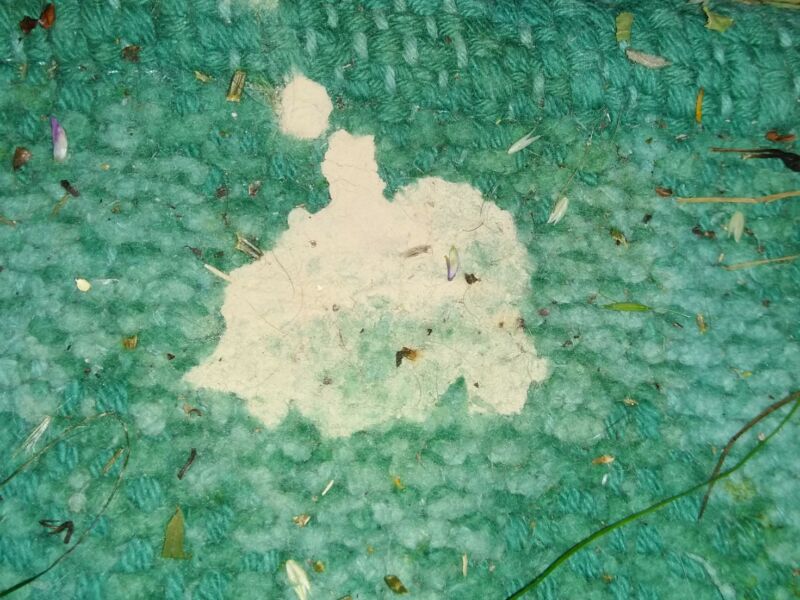
- Sludge or sandy deposits in the urine
- Increased frequency of urination
- Pain during urination
- Incontinence or loss of litter box cleanliness
- Coarse, dull fur
- Weight loss
- Chronic or recurring bladder infections
- Wet, urine-soaked fur caused by bladder infections, sometimes with inflamed skin
- Diarrhea
- Reduced general condition and lethargy
- Reduced appetite or complete refusal to eat in cases of severe pain
Emergency: Constant straining without producing urine may indicate a ureter stone. This can cause urine to back up into the kidneys and quickly become life-threatening. Immediate veterinary treatment is required.
Rare symptoms include bloating, cramps, paralysis, or movement disorders affecting the hind legs.
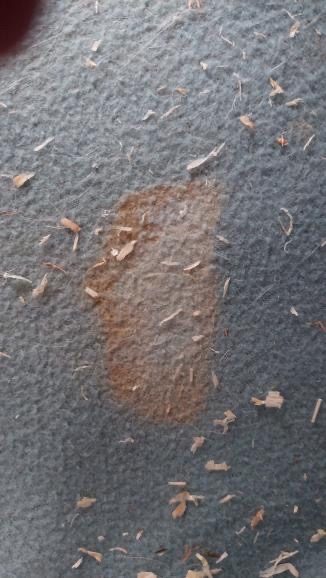
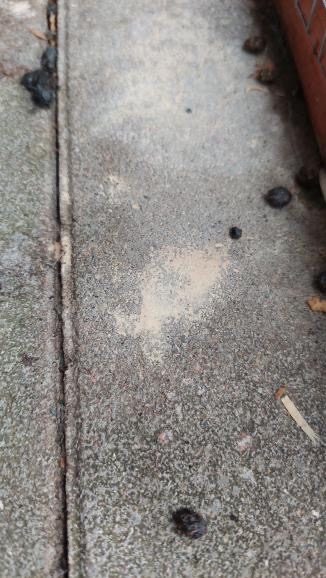
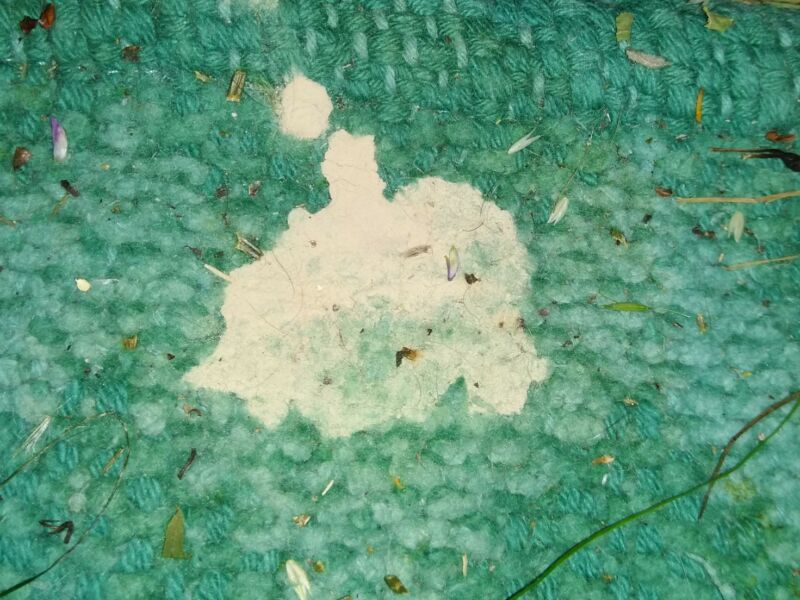
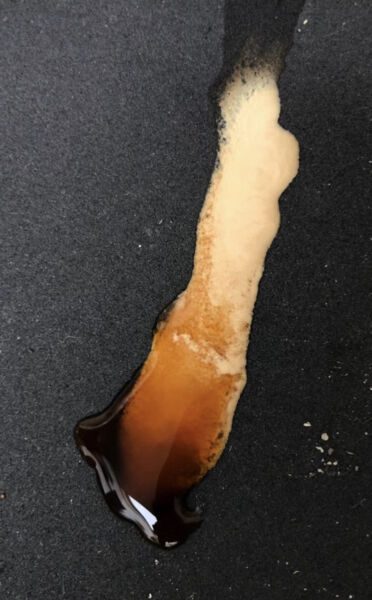
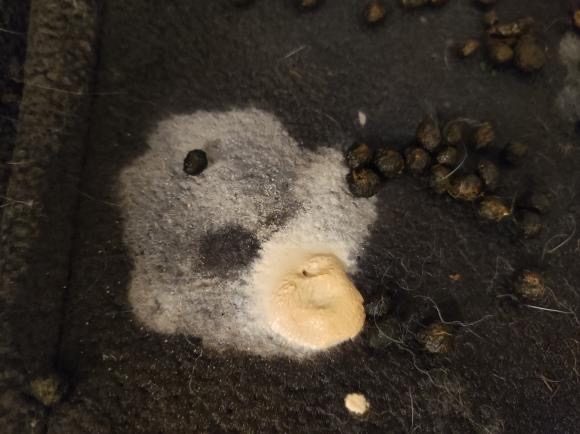
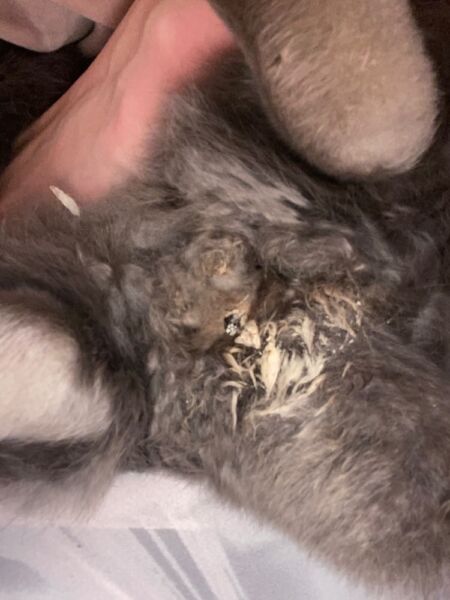
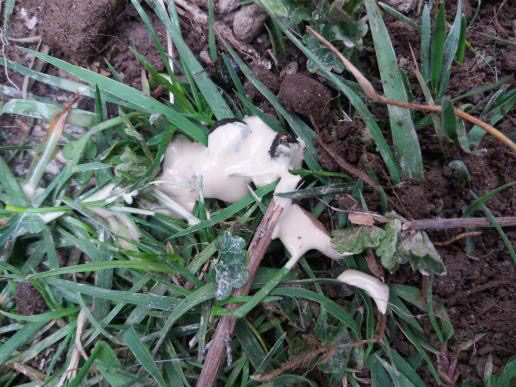
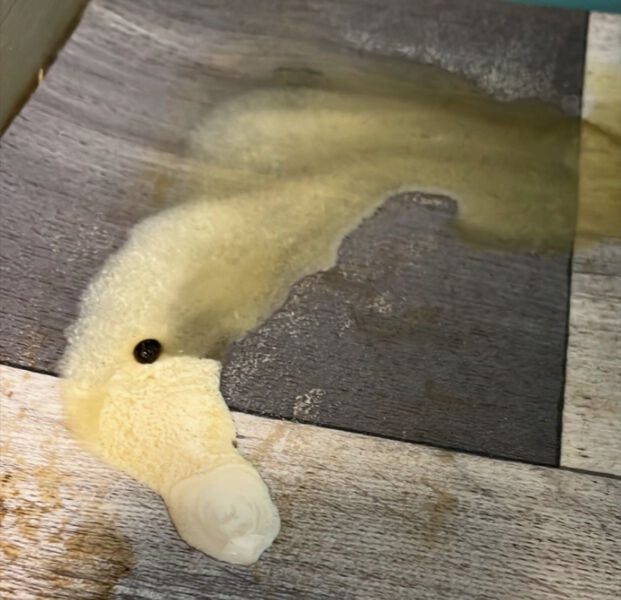
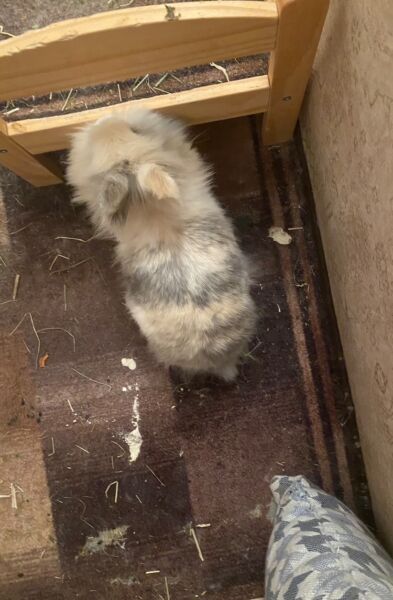
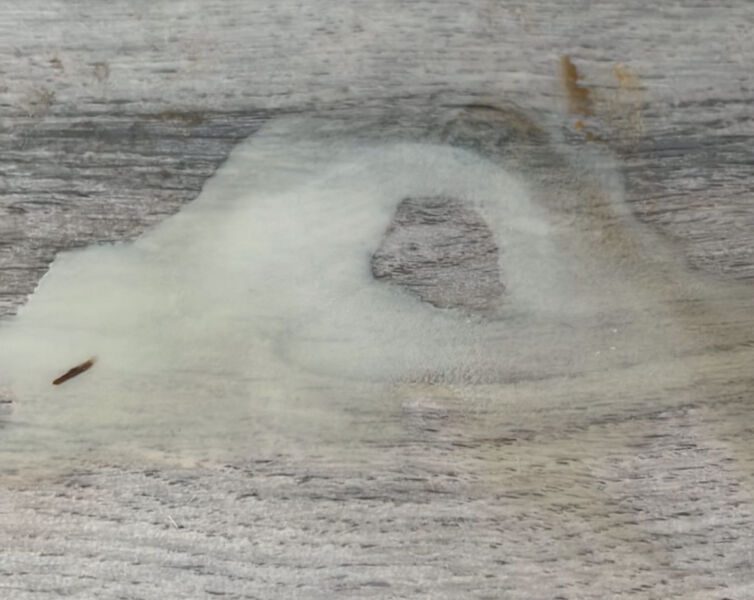
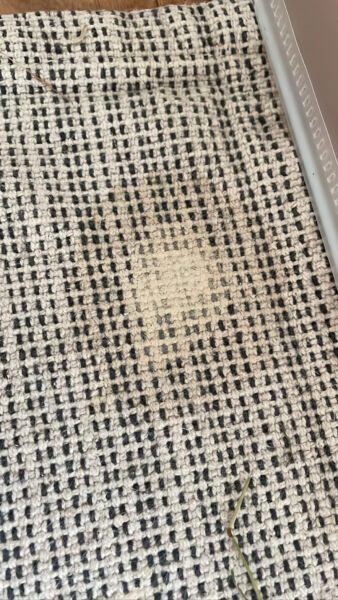
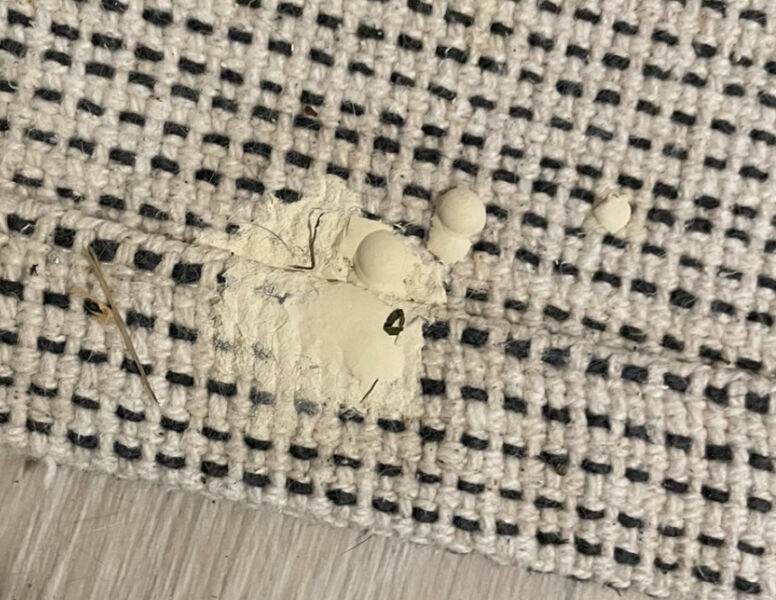
Causes of bladder sludge and bladder stones in rabbits
Urinary tract diseases, alongside dental and digestive disorders, are among the most common health problems caused or worsened by dietary mistakes in rabbits. Hereditary factors may contribute to the development of bladder sludge and urinary stones, but even rabbits with a genetic predisposition rarely become affected when they are kept and fed appropriately.
In many cases, bladder sludge and bladder stones develop together with other underlying problems, such as chronic pain, reduced mobility, obesity, dehydration, or urinary tract infections, all of which can impair normal bladder function.
Most urinary tract diseases in rabbits are closely linked to nutrition. Rabbits have a unique calcium metabolism: unlike many other mammals, they absorb large amounts of calcium from food regardless of their actual requirements. Excess calcium is then excreted through the kidneys and urinary tract.
If the urinary tract is not flushed adequately with water — for example because the rabbit eats too little fresh food or drinks insufficiently — calcium deposits can accumulate in the bladder or kidneys. Over time, these deposits may form bladder sludge, urinary crystals, or urinary stones.
The formation of bladder sludge and urinary stones is further promoted by the naturally alkaline pH of rabbit urine.
Risk factors for bladder sludge and bladder stones in rabbits
Bladder sludge and bladder stones in rabbits usually develop as a result of several interacting risk factors rather than a single underlying cause. Diet, water intake, housing conditions, exercise levels, kidney health, and genetic predisposition all play an important role in the development of urinary tract disease in rabbits.
Genetic predisposition
Some rabbits appear to have a hereditary predisposition to developing bladder sludge or urinary stones. However, even genetically predisposed rabbits are often less likely to develop clinical disease when they are kept under optimal housing conditions and fed a species-appropriate diet.
Dry diet and insufficient water intake
One of the most important risk factors for bladder sludge in rabbits is inadequate fluid intake. Rabbits naturally require a water-rich diet to help flush excess calcium through the urinary tract.
Dry feeding, including pellets, hay-heavy diets without sufficient fresh foods, or dried herbs, reduce water intake and increase the risk of calcium deposits accumulating in the bladder.
Water availability also plays a major role. Rabbits generally consume more water from bowls than from nipple drinkers, which may help support healthier urinary tract function.
Excess calcium and unbalanced nutrition
Rabbits have a unique calcium metabolism compared with many other mammals. They absorb large amounts of calcium from food regardless of their actual requirements and excrete the excess through the kidneys and urine.
Excessive feeding of calcium-rich foods like dry herbs and pellets, highly concentrated dry feeds, or foods rich in oxalic acid may contribute to the formation of urinary crystals, bladder sludge, and urinary stones.
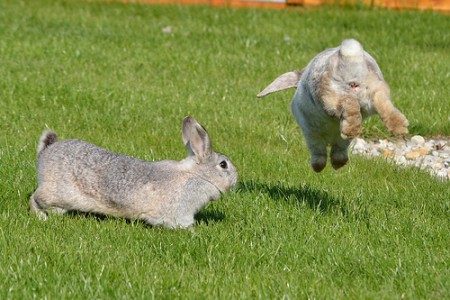
Reduced physical activity is considered an important contributing factor in rabbits with bladder sludge and bladder stones. Rabbits that move less may urinate less frequently, allowing urinary sediment to remain in the bladder for longer periods.
Limited exercise may occur because of:
- cramped housing conditions
- inadequate enclosure size
- chronic pain
- obesity
- advanced age
- arthritis or spinal disease
Indoor rabbits appear to be affected more frequently than outdoor rabbits. Possible explanations include lower activity levels, reduced exposure to natural sunlight, limited urination opportunities, and differences in vitamin D metabolism.
Infrequent urination
Infrequent urination may increase the likelihood of calcium deposits remaining in the bladder, where they can gradually form sludge or stones.
Neutered rabbits often show reduced territorial marking behaviour and may urinate less frequently. Indoor rabbits may also have fewer suitable litter box options, which can further contribute to urinary retention.
Obesity
Overweight rabbits are typically less active and may have difficulty maintaining normal bladder emptying. Obesity is therefore considered an additional risk factor for urinary tract disease and bladder sludge formation.
Senior rabbits are more commonly affected by bladder sludge and urinary stones. Reduced activity levels, chronic disease, and age-related changes in kidney or bladder function may all contribute to the increased risk seen in older rabbits.
Painful conditions and reduced mobility
Any disease that limits mobility can indirectly increase the risk of urinary tract problems. Rabbits suffering from arthritis, spondylosis, joint disease, neurological disorders, or chronic pain may become less active and urinate less frequently, increasing sediment accumulation within the bladder.
Urinary tract infections
Urinary tract infections may irritate the bladder lining and worsen existing urinary tract disease. Poor hygiene, contaminated litter boxes, or chronically wet housing conditions may increase the risk of bacterial infections in rabbits.
Kidney disease
Kidney disease is considered a major contributing factor in some rabbits with bladder sludge or urinary stones. Conditions such as E. cuniculi infection and other kidney disorders can impair calcium excretion and normal urinary function.
Because rabbits excrete most excess calcium through the kidneys, impaired kidney function may promote calcium accumulation within the urinary tract and increase the likelihood of sludge or stone formation.
Vitamin D deficiency
Indoor rabbits are at increased risk of vitamin D deficiency because standard window glass blocks UVB radiation required for natural vitamin D synthesis.
Disturbances in vitamin D metabolism may negatively affect calcium balance and urinary tract health, potentially increasing the risk of bladder sludge and urinary stones in rabbits.
“Triggering causes, aside from the excess calcium, are primarily improper feeding, lack of exercise, and insufficient water intake. Because improper feeding often coincides with obesity and lack of movement, the term ‘fat lazy rabbit syndrome’ has emerged, which describes the development of urinary tract diseases in overweight and sedentary animals.”
— Dr. med. vet. Stefan Gabriel

Why water intake plays a crucial role in bladder sludge and bladder stone formation
Rabbits are herbivores that naturally feed almost exclusively on fresh plants, which contain around 80% water. In a natural diet, water is therefore consumed automatically together with food.
Feeding studies have shown that rabbits consume significantly more total water when fed a fresh-food-based diet with free access to drinking water compared with rabbits receiving a predominantly dry diet, even when water is freely available.
Adequate water intake is essential for maintaining a healthy urinary tract in rabbits. High fluid intake dilutes the urine and helps flush excess calcium through the kidneys and bladder. Even when calcium intake is relatively high, sufficient water consumption can help keep calcium concentrations in the urine low.
In contrast, diets high in dry foods and low in fresh foods may lead to insufficient water intake. When calcium intake exceeds the amount that can be effectively diluted and excreted, calcium concentrations within the urine increase. This promotes the formation of urinary sediment, bladder sludge, and eventually urinary stones.
A species-appropriate diet rich in fresh foods supports natural calcium excretion and helps reduce the risk of calcium deposits forming within the urinary tract. In general, the higher the calcium intake relative to water intake, the greater the likelihood of sludge or stone formation in rabbits.
“With limited water intake and simultaneously high calcium intake, the risk of urinary stone formation increases. However, this risk remains low as long as the urine volume is high enough. The urine volume is directly dependent on the amount of water consumed […]. Increased water intake helps reduce the concentration of waste substances in the urine, which plays an important role in calcium excretion and potential stone formation. In other words, the more water that is consumed, the lower the risk of urinary stones forming.”
— Dr. med. vet. Natalie Dillitzer, Ernährungsberatung in der Kleintierpraxis: Hund, Katze, Reptilien, Meerschweinchen, Kaninchen (Urban & Fischer, 2009)
Additional factors that increase the risk of urinary tract disease in rabbits
Several additional factors may contribute to the development of bladder sludge, urinary stones, and other urinary tract diseases in rabbits.
Lack of exercise and reduced movement can impair normal bladder emptying and promote the accumulation of urinary sediment. Obesity may further worsen this problem by decreasing physical activity and mobility.
Unsanitary housing conditions also play an important role. Rabbits kept on bedding contaminated with urine or feces are at increased risk of urinary tract irritation and bacterial infections, both of which may contribute to urinary tract disease.
The calcium-to-phosphorus ratio in the diet may additionally influence calcium metabolism and urinary health.
Water intake is another major factor. Rabbits generally consume less water when drinking from nipple drinkers compared with open water bowls. Reduced water intake can lead to more concentrated urine and may increase the risk of bladder sludge and urinary stone formation.
“Feeding juice-based foods significantly increases water intake and therefore dilutes the urine. […] Correcting the diet from concentrated commercial feed to a bulky, fiber-rich green food ration not only improves water turnover but also promotes extensive chewing activity and supports proper wear of the continuously growing teeth. […] Plenty of free-range exercise is a very important additional measure against obesity and helps prevent urinary stones by encouraging more movement and more frequent urination.”
— Dr. med. vet. St. Gabriel
Vitamin D deficiency, kidney disease, and E. cuniculi in rabbits
Many indoor rabbits suffer from vitamin D deficiency, which may negatively affect calcium metabolism and urinary tract health. Because window glass blocks UVB radiation, rabbits kept exclusively indoors often receive insufficient UVB exposure for natural vitamin D synthesis.
Vitamin D deficiency may be prevented or improved through the use of a suitable UVB lamp or vitamin D-enriched nutrition.
In addition to dietary and housing-related factors, metabolic disorders, kidney disease, and systemic inflammation may also contribute to the development of bladder sludge and urinary stones in rabbits. When the underlying cause is unclear, all possible contributing conditions should therefore be carefully evaluated.
The kidneys of rabbits are frequently affected by the parasite E. cuniculi, which is widespread among pet rabbits in Germany. E. cuniculi can impair kidney function and may contribute to calcium accumulation, bladder sludge, and urinary stone formation.
For this reason, E. cuniculi infection is often considered as a possible underlying factor in rabbits with recurrent bladder sludge or urinary stones. In affected rabbits, blood testing may help evaluate whether treatment is necessary.
Even rabbits receiving an appropriate diet and good husbandry can develop urinary sludge or urinary stones when kidney function is impaired by E. cuniculi infection.
“Significantly less water was consumed from nipple drinkers compared with open water bowls. Water should always be available ad libitum in order to prevent compensatory mechanisms — particularly in the kidneys — from being activated (TSCHUDIN 2010). These mechanisms reduce water turnover and may contribute to urolithiasis in the long term, especially when dietary calcium levels are high (KAMPHUES 1991). This is particularly important when calcium is supplied in excess of the rabbit’s nutritional requirements (FEHR 1999a).”
— A. K. Korn (2016), Dental and Jaw Changes in Rabbits: Diagnostics, Occurrence, and Heritability
“When rabbits and guinea pigs are fed predominantly fresh greens as recommended, they ingest large amounts of water through their food. This is considered one of the most effective ways to help prevent urinary sludge and urinary stone formation. Animals affected by urinary sludge or urinary stones should not be fed dry foods — including hay.”
— Dr. med. vet. Diana Ruf
Diagnosis: How Can It Be Determined?
Urine test strips can detect blood in the urine (though this can also be caused by a bladder infection).
Interpreting urine test strips in rabbits
Urine test strips can provide important information when evaluating rabbits with suspected bladder sludge, urinary stones, urinary tract infections, or kidney disease. However, results should always be interpreted together with clinical signs, imaging findings, and the method of urine collection.
pH value
A urine pH of approximately 8–9 is considered normal in healthy rabbits. A lower pH value may indicate a bacterial bladder infection, kidney infection, or metabolic disturbance such as ketoacidosis.
Erythrocytes (blood)
Positive erythrocyte results indicate the presence of blood in the urine and may occur with bladder disease, urinary tract disease, or uterine disorders. However, blood contamination can also result from the urine collection method itself.
- Spontaneously voided urine is normally free of blood.
- Manual bladder expression may produce results ranging from 1+ to 4+.
- Cystocentesis and catheterization commonly result in approximately 1+ blood.
Protein
Protein is normally negative in healthy rabbits. Positive protein values may indicate urinary tract disease, kidney disease, inflammation, cardiovascular disease, shock, or other systemic disorders.
Nitrite
Nitrite is normally negative in healthy rabbits. Positive nitrite values may suggest bacterial urinary tract disease, although false-positive results can occur because of bacterial contamination or nitrate-rich foods.
Bilirubin
Bilirubin is normally negative in rabbit urine. Positive bilirubin values may indicate liver disease, particularly liver coccidiosis.
Leukocytes
Leukocyte test strip results are generally considered unreliable and diagnostically insignificant in rabbits.
Diagnostic methods for bladder sludge and urinary stones in rabbits
Several diagnostic methods may be used to confirm bladder sludge, urinary stones, urinary tract disease, or underlying kidney problems in rabbits.
Microscopic urine analysis
Microscopic examination of the urine helps identify urinary crystals, inflammatory cells, bacteria, and other abnormalities. It may also assist in determining the type of urinary stone present. Some non-radiopaque urinary stones that are difficult to detect on X-rays can still be identified microscopically.
X-ray examination
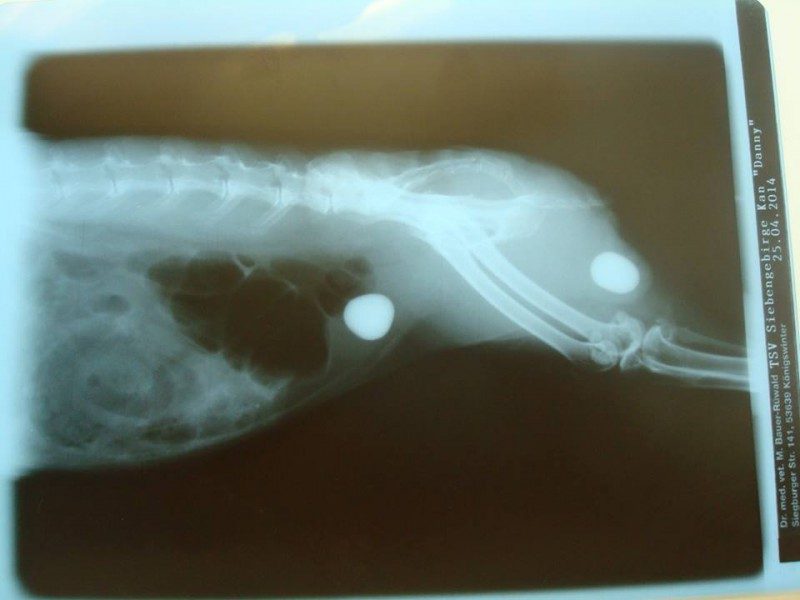
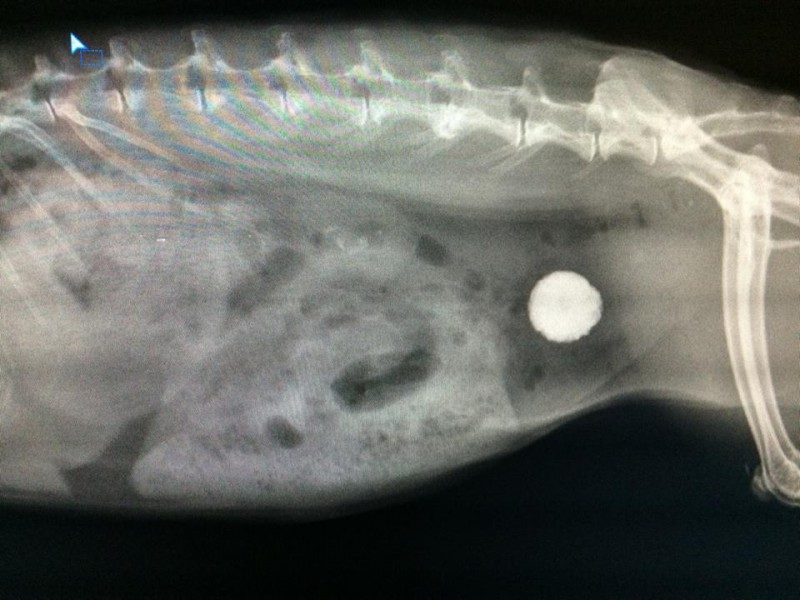
X-rays are considered one of the most reliable diagnostic tools for detecting bladder sludge and urinary stones in rabbits. Radiographs should ideally be taken from multiple angles, as certain stones may not be visible from only one position.
Ultrasound examination
Ultrasound imaging can help detect bladder sludge, urinary stones, bladder wall abnormalities, and kidney disease. It also allows assessment of the kidneys, bladder, and urinary tract soft tissues.
Blood testing
Blood tests are particularly important for evaluating kidney function and identifying possible underlying diseases. In rabbits with bladder sludge or recurrent urinary stones, testing for E. cuniculi antibodies may help determine whether kidney impairment associated with E. cuniculi infection could be contributing to the condition.
Acidifying the urine, for example with vitamin C, does not work against bladder sludge and stones in rabbits!
Treatment of bladder sludge and bladder stones in rabbits
The treatment of bladder sludge and urinary stones in rabbits depends on the severity of the condition, the presence of bladder inflammation, and whether urinary obstruction is present. Successful long-term treatment usually requires a combination of veterinary treatment, dietary changes, increased water intake, pain management, and improved housing conditions.
Bladder flushing and veterinary treatment
Bladder sludge is flushed out by the veterinarian through bladder lavage. During this procedure, the bladder contents are loosened by gently agitating or massaging the bladder while fluids are administered and the bladder is emptied repeatedly. Improper handling can cause bladder rupture, so the procedure should only be performed by an experienced veterinarian.
Depending on the healing process, the veterinarian may demonstrate supportive flushing techniques for home care. The bladder is gently agitated and flushed with fluids to help remove sediment and debris. Manual bladder expression is generally performed only by the veterinarian.
Treatment of bladder infections
Bladder inflammation and urinary tract infections are commonly treated with antibiotics. In rabbits with chronic bladder infections, supportive treatment may also be used alongside veterinary therapy.
If a bladder infection is present at the same time as bladder sludge or urinary stones, it should be treated consistently because chronic inflammation can worsen urinary tract disease and contribute to recurring sludge formation.
Pain management
Pain management is extremely important in rabbits with bladder sludge or urinary stones. Chronic pain may reduce movement and urination frequency, which can worsen sludge accumulation within the bladder.
Pain medication prescribed by the veterinarian may help improve mobility, appetite, bladder emptying, and overall recovery.
Treatment of bladder stones
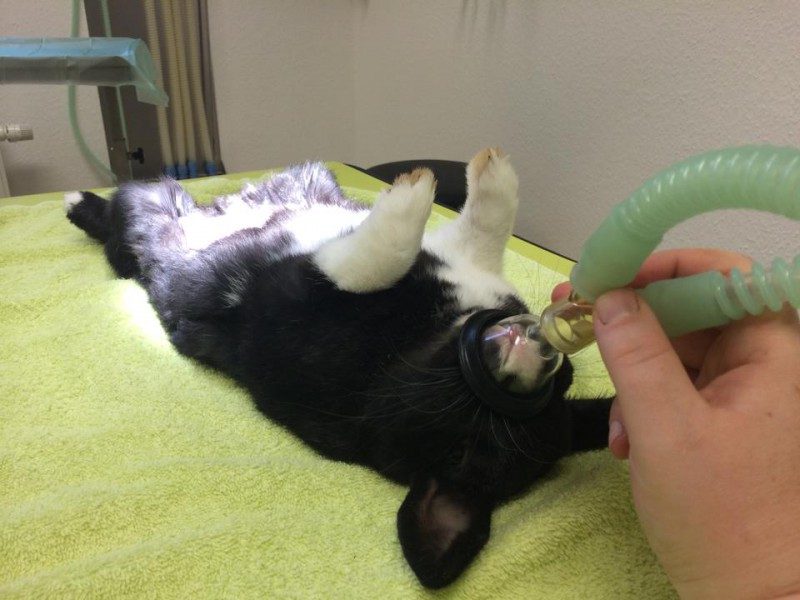
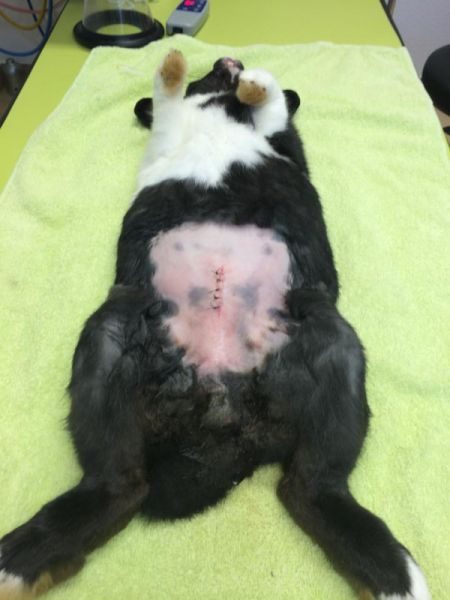
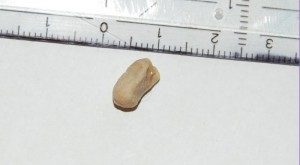
Very small bladder stones may sometimes be managed similarly to bladder sludge. Larger bladder stones usually require surgical removal because they may obstruct the urethra and become life-threatening.
After surgical removal, the stone can be analyzed to determine its composition.
Dietary treatment and fresh-food feeding
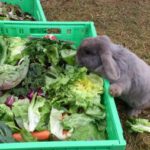
Long-term success is usually impossible without dietary correction. Rabbits with bladder sludge or urinary stones should receive a diet based primarily on fresh foods.
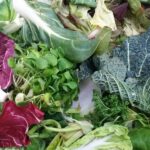
A recommended diet consists mainly of leafy greens together with smaller amounts of non-leafy vegetables. Diets high in dry foods may increase calcium concentration in the urine because dry foods contain relatively little water.
Dry foods associated with concentrated urine and increased calcium levels include:
- pellets
- dry food mixes
- dried herbs
- large amounts of hay
Herb-rich hay is considered less suitable, while Timothy hay is generally preferred.
Fresh foods should ideally be offered wet after washing in order to increase water intake further. Some owners additionally spray vegetables with water or briefly soak fresh foods before feeding.
Increasing water intake
Increasing water consumption is considered one of the most important supportive measures for rabbits with bladder sludge and urinary stones.
Water intake may be increased by:
- feeding water-rich fresh foods
- offering wet vegetables and leafy greens
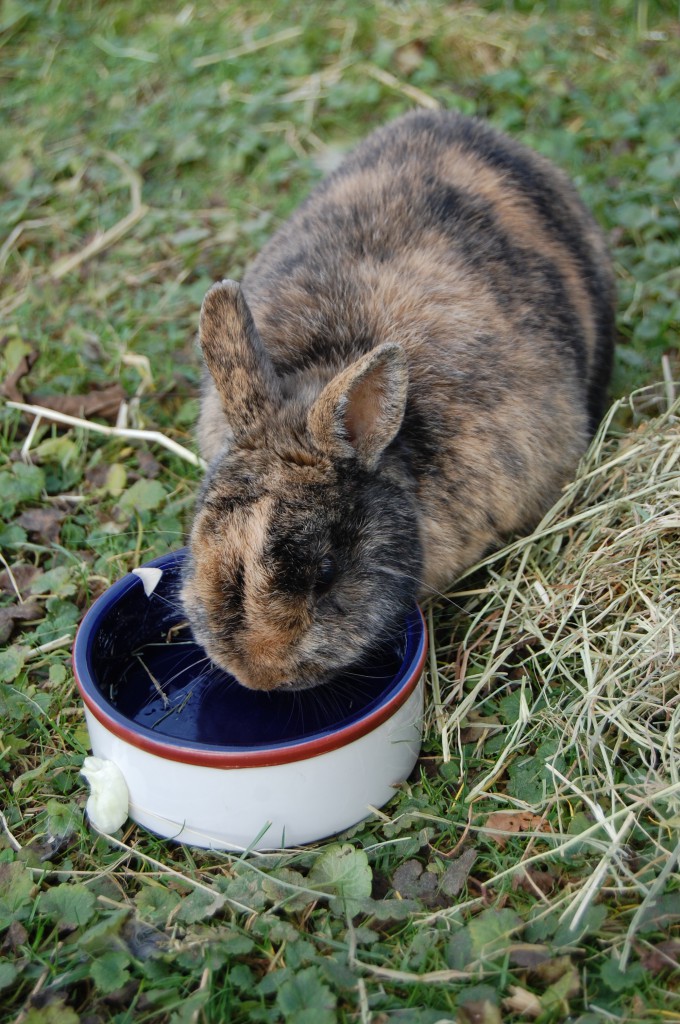
- providing water in open bowls instead of nipple drinkers
- offering diluted vegetable or fruit juices without added sugar
Many rabbits also voluntarily drink bladder or kidney teas.
Water should ideally be offered in bowls rather than nipple drinkers because rabbits generally consume more water from bowls.
Supportive supplements and herbs
Supportive urinary tract products are sometimes used to promote urine production and improve bladder flushing.
Fresh herbs with mild diuretic effects may also support urinary tract function. Examples include:
- nettle
- mint
- parsley
- horsetail
- birch
- dandelion
Some rabbits reportedly respond well to additional supportive urinary supplements used for bladder sludge or urinary stones.
Movement and bladder emptying
Movement helps keep bladder sediment suspended so it can be excreted more easily instead of settling at the bottom of the bladder.
Supportive measures may include:
- increasing exercise
- providing a large enclosure
- encouraging movement and activity
- offering environmental enrichment
- regularly rearranging the enclosure
Gentle bladder agitation or massage techniques demonstrated by the veterinarian may additionally help loosen sediment within the bladder.
If a rabbit remains inactive, the underlying cause should be investigated. Reduced activity may occur because of:
- pain
- arthritis
- spinal disease
- ear disease
- obesity
- uterine disease
- postoperative adhesions
- insufficient housing space
- single housing
In overweight rabbits, weight reduction is strongly recommended.
Vitamin D and indoor rabbits
Indoor rabbits should receive adequate vitamin D through UVB lighting or direct natural daylight exposure without window glass.
E. cuniculi and kidney disease
If E. cuniculi infection is detected, treatment may be necessary because the parasite can impair kidney function and contribute to bladder sludge formation.
Kidney disease should always be considered in rabbits with recurrent urinary sludge or elevated kidney values.
Chronic and severe cases
If bladder sludge remains untreated or is treated insufficiently, the bladder may become chronically overstretched and lose the ability to empty completely. In advanced cases, persistent sludge accumulation may continue long-term.
Severely affected rabbits may require intensive long-term management, repeated bladder flushing, supportive care, and regular veterinary monitoring.
In rabbits with impaired bladder emptying, additional medication may sometimes be used under veterinary supervision to improve bladder function.
In severe treatment-resistant cases, additional supportive therapies may occasionally be considered by the attending veterinarian.
Diet and care for rabbits with bladder sludge and urinary stones
Long-term treatment success is only possible if the underlying causes of bladder sludge, urinary stones, and urinary tract disease are corrected consistently. Medication alone is usually not sufficient, and rabbits often develop recurrent bladder sludge or urinary tract problems if diet, water intake, housing, and husbandry are not improved.
Nutrition and water intake in rabbits with bladder disease
Increasing water intake
For rabbits with bladder sludge or urinary stones, high water intake is one of the most important long-term measures. Increased fluid intake helps flush the kidneys and bladder, promotes calcium excretion, and reduces the risk of calcium deposits accumulating within the urinary tract.
Rabbits affected by bladder sludge or urinary stones should therefore receive unlimited access to fresh, varied foods throughout the day and night. Fresh greens naturally contain large amounts of water and help dilute the urine.
A diet based primarily on:
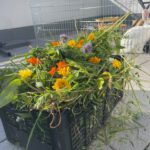
- meadow plants and grasses in summer
- leafy greens and fresh herbs in winter
is generally considered ideal for rabbits prone to urinary sludge and urinary stone formation.
Fresh drinking water should always be available in a clean bowl. Rabbits typically consume significantly more water from bowls than from nipple drinkers.
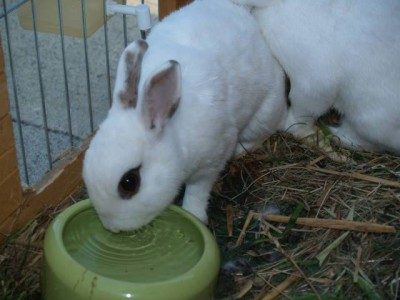
Additional fluid intake may be encouraged by offering:
- diluted carrot juice
- diluted vegetable juice
- diluted fruit juice without added sugar
- unsweetened herbal tea
- kidney and bladder tea
These drinks should always be offered in addition to water, not as a replacement.
Calcium-phosphorus ratio
A balanced calcium-phosphorus ratio is important for rabbits with bladder sludge or urinary stones.
A calcium-phosphorus ratio of approximately 1.5–2 : 1 is generally recommended. Meadow plants, which represent the rabbit’s natural diet, naturally contain a relatively favorable calcium-phosphorus ratio.
Particular attention should be paid to the calcium-phosphorus ratio when rabbits are not fed exclusively fresh greens but also receive vegetables, hay, or other supplementary foods.
Why calcium balance matters
If phosphorus intake is too high relative to calcium intake, calcium may be mobilized from bones and teeth. Conversely, if phosphorus intake is too low, calcium may not be incorporated properly into bones and teeth.
Excessively high calcium intake may promote bladder sludge and urinary stone formation. However, severely restricting calcium intake is also considered problematic because calcium deficiency may contribute to soft bones, brittle teeth, urinary sludge, and urinary stones.
For this reason, calcium-restricted diets are generally not recommended for rabbits with bladder sludge or urinary stones.
Instead, the goal should be:
- high water intake
- fresh-food-based feeding
- a balanced calcium-phosphorus ratio
- reduced intake of concentrated dry foods
Suitable and unsuitable foods
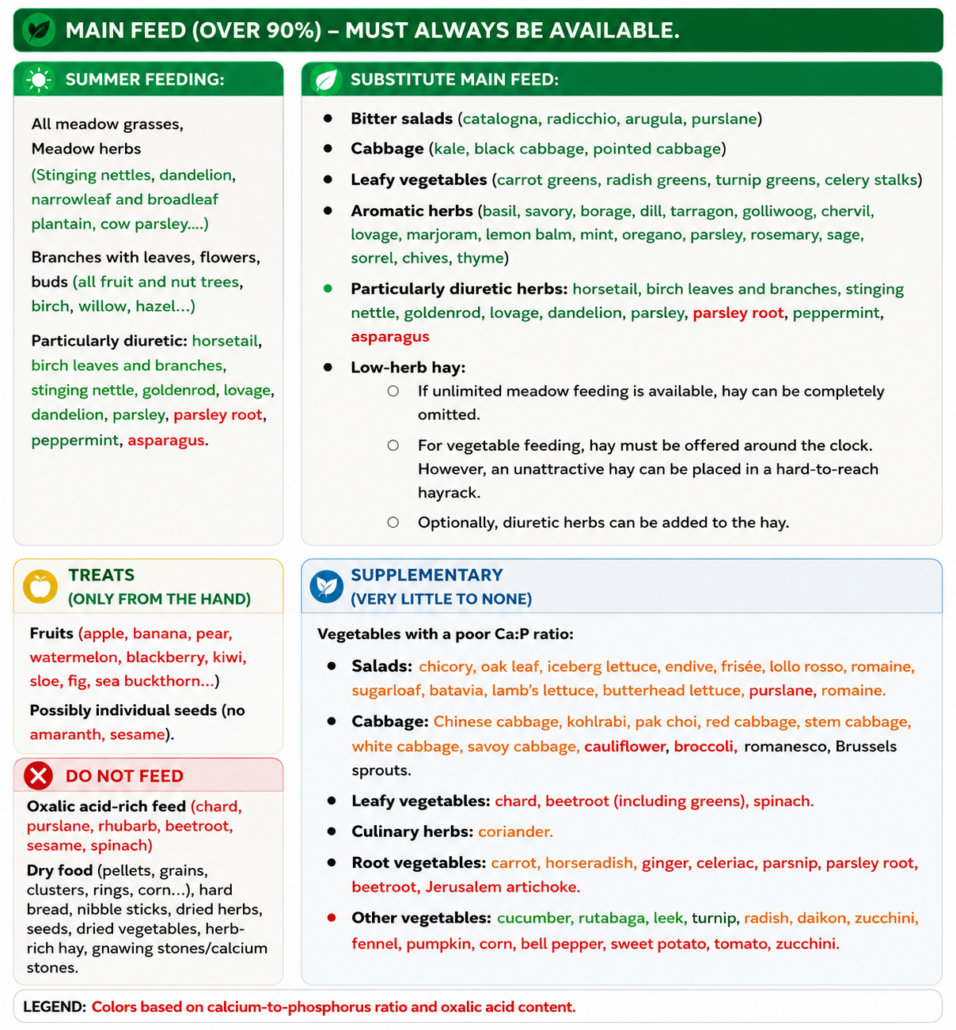
Greens with a less favorable calcium-phosphorus ratio may still be included in the daily diet, but the majority of the diet should consist of fresh greens with a favorable mineral balance.
Hay may still be offered, although rabbits receiving large amounts of fresh greens often consume smaller amounts naturally. Very herb-rich hay is generally considered less suitable for rabbits with bladder sludge or urinary stones, whereas Timothy hay is usually preferred.
Dried herbs should generally be avoided in rabbits prone to bladder sludge because drying increases calcium concentration relative to water content.
The following foods may promote urinary tract disease and should generally be avoided:
- seeds
- grains
- hard bread
- chew sticks
- snacks and treats
- dry commercial rabbit food/ pellets
Increasing water intake through fresh foods naturally lowers calcium concentration within the urine while still allowing normal calcium intake from the diet.
Magnesium and feeding strategies for rabbits with bladder sludge
Magnesium also plays an important role in calcium metabolism. Vegetables alone may not provide sufficient magnesium, so magnesium-rich kitchen herbs and vegetable greens should be included regularly in the diet. Suitable examples include carrot tops, fennel greens, and fresh herbs.
Increasing movement during feeding
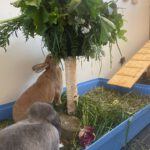
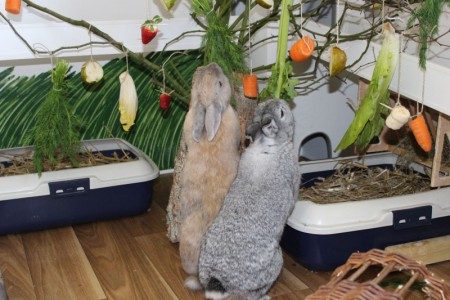
Increasing movement during feeding may help loosen and excrete bladder sludge more effectively. Offering fresh foods in elevated positions encourages rabbits to stretch, reach upward, and stand on their hind legs while eating.
This can be achieved by:
- using elevated feeding racks
- hanging fresh greens on strings
- placing food at different heights within the enclosure
These feeding methods encourage additional movement and may help keep bladder sediment suspended instead of settling within the bladder.
Wet fresh foods and increased water intake
Offering wet fresh foods may help increase water intake in rabbits with bladder sludge or urinary stones. Fresh greens and vegetables can be lightly moistened with water before feeding, for example by using a clean spray bottle.
Higher water intake helps dilute the urine and may support the flushing of calcium deposits and urinary sediment from the bladder.
Diuretic herbs for rabbits
Diuretic herbs may provide supportive benefits for rabbits with bladder sludge or urinary tract disease.
Examples include:
- nettles (lightly wilted before feeding so they no longer sting)
- birch leaves and bark
- horsetail
- asparagus
- real goldenrod and giant goldenrod
- dandelion
- parsley
- parsley root
- lovage
Some of these herbs are also available as juices.
Vitamin D deficiency in indoor rabbits
Adequate vitamin D supply is particularly important for indoor rabbits. Many rabbits kept indoors or in dark hutches develop significant vitamin D deficiency.
Window glass blocks UVB radiation, which rabbits require for natural vitamin D production within the skin.
Vitamin D intake may therefore be supported through:
- UVB lighting
- vitamin D-enriched foods
- regular access to direct natural sunlight without glass barriers
Examples include access to:
- open windows
- balconies
- outdoor enclosures
- gardens
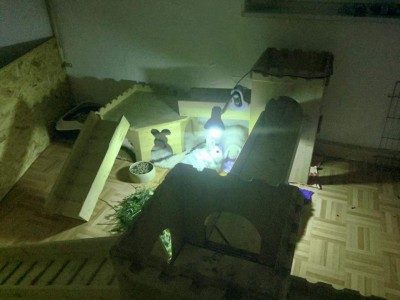
Exercise and movement in rabbits with urinary tract disease
Rabbits that are highly active and move frequently are affected by urinary tract diseases much less often. Regular movement promotes more frequent urination and helps prevent concentrated urine and sediment accumulation within the bladder.
Several factors may increase the risk of bladder sludge and urinary tract disease, including:
- obesity
- lack of exercise
- limited space
- cage or hutch housing
- reduced movement caused by other health problems
- slow metabolism associated with vitamin deficiencies or dry-food-based feeding
- lack of environmental variety and stimulation
Rabbits should therefore be kept in a spacious, stimulating environment that encourages natural movement, curiosity, and activity throughout the day.
Rabbits that appear unusually inactive or very calm are often affected by illness, pain, improper housing, or an unsuitable diet.
“Wild rabbits naturally get a large amount of exercise, consume fresh greens throughout the day, and frequently mark their territory with urine — although never inside the burrow itself.
In contrast, the daily routine of a typical indoor rabbit is often very different: limited movement, improper feeding with calorie-dense and calcium-rich dry foods, and sometimes even additional calcium supplementation through limestone blocks. Overweight neutered males in particular may move very little beyond travelling between the food bowl and the litter corner.
Territorial marking indoors is usually undesirable and is commonly reduced through neutering. Reduced physical activity leads to the production of small amounts of highly concentrated urine that is passed infrequently, promoting crystal precipitation within the bladder.”
— Dr. St. Gabriel, veterinarian
Sources include:
Becker, W., & Schottstedt, T. (2009): Erfolgreiche medikamentöse Prophylaxe der Kalziumurolithiasis bei zwei Meerschweinchen. Kleintierpraxis, 4(7), 389-392.
Binder, N. (2011): Referenzbereiche für Urinparameter bei Kaninchen und Meerschweinchen, Dissertation LMU München
Ewringmann, A. (2016): Leitsymptome beim Kaninchen: Diagnostischer Leitfaden und Therapie. Georg Thieme Verlag.
Fehr, M. (1990): Urolithiasis bei Kaninchen und Meerschweinchen. Der praktische Tierarzt, 10(1990), 36.
Gabriel, S. (2010). Steinreich oder kalziumarm?–Harnsteinbildung und -prophylaxe bei kleinen Herbivoren. team. konkret, 6(03), 56-59.
Hein, J. (2015): Urinuntersuchung beim Kleinsäuger – so einfach und doch so aussagekräftig. kleintier konkret, 18(S 01), 30-35.
Hesse, A., & Neiger, R. (2008): Harnsteine bei Kleintieren. Enke Verlag.
Klepzig Imke (2015): Urolithiasis bei Kaninchen und Meerschweinchen. alfavet Magazin, 01(2015), 22-27
Niebergall, A. (2003): Sonographische Befunderhebung am männlichen und weiblichen Harntrakt und am weiblichen Geschlechtsapparat von Zwergkaninchen und Meerschweinchen.
Rappold, S. (2001): Vergleichende Untersuchungen zur Urolithiasis bei Kaninchen und Meerschweinchen. Klinik für kleine Haustiere. Tierärztliche Hochschule Hannover, Hannover, 1-141.
Rückert, C.; Siener, R.; Ganter, M.; Coenen, M.; Vervuert, I., (2016): Effects of a supplementation on sodium chloride or Ammonium chloride on urolithic potential in the rabbit. Tieraerztliche Praxis. Ausgabe K, Kleintiere/Heimtiere 44.
Rückert, C. (2017): Der Einfluss verschiedener Faktoren auf die Harnsteinbildung beim Kaninchen. Der Praktische Tierarzt 98, 666-670
Tschudin Anja, Clauss Marcuss, Codron Daryl, Hatt Jean-Michel: Preference of rabbits for drinking from open dishes versus nipple drinkers, Veterinary Record, 168: 190-190a
Tschudin, A., Clauss, M., Codron, D., Liesegang, A., & Hatt, J. M. (2011): Water intake in domestic rabbits (Oryctolagus cuniculus) from open dishes and nipple drinkers under different water and feeding regimes. Journal of animal physiology and animal nutrition, 95(4), 499-511.
Varga, M. (2013): Textbook of Rabbit Medicine E-Book. Elsevier Health Sciences.
Wolf, P., Bucher, L., Zumbrock, B., & Kamphues, J.: Zur Wasseraufnahme bei Kleinsäugern.
Wolf, P., Cappai, M. G., & Kamphues, J. (2020): Water consumption in small mammals (dwarf rabbits, Guinea pigs and chinchillas): New data about possible influencing factors. Research in veterinary science, 133, 146-149.