
Loading
  • Link to Instagram
How to rabbit
  • Home
  • Getting a Rabbit
    • Before You Get Rabbits
      • Rabbit Care for Beginners
      • Rabbit Care in 15 Minutes
      • How Much Do Rabbits Cost?
      • Lop Rabbits: Health & Welfare Concerns
      • Rabbit Lifespan: How Long Do Rabbits Live?
    • Choosing & Bringing Home Rabbits
      • Bringing a Rabbit Home
      • Sexing Rabbits: Male or Female?
      • Neutering Male Rabbits
      • Rabbits and Other Pets
      • Rabbit Adoption Contract
  • Housing
    • Outdoor Housing
      • Winter Care for Rabbits
      • Keeping Rabbits in the Garden
      • Building an Outdoor Rabbit Enclosure
      • Overwintering Rabbits
      • Outdoor Rabbit Run Ideas
    • Indoor Housing
      • Rabbit Litter Training Guide
      • Setting Up a Rabbit Room
      • Vitamin D for Indoor Rabbits
      • Keeping Rabbits Indoors
      • Indoor Rabbit Housing Ideas
      • Keeping Rabbits Cool in Summer
    • Balcony Housing
      • Keeping Rabbits on a Balcony
      • Rabbit-Friendly Balcony
  • Feeding
    • Foods for Rabbits
      • Grass & Meadow Plants
      • Pellets for Rabbits
      • Vegetables
      • Culinary herbs
      • Fruits for rabbits
      • Water & Drinking
    • Feeding Guidelines
      • Feeding Guidelines
      • Common Feeding Mistakes
      • Rabbit Feeding Myths
      • How to Feed a Baby Rabbit
    • Feeding tips
      • How to Transition a Rabbit to a New Diet Safely
      • Winter Diet for Rabbits
      • Nutrition for Young Rabbits
      • Diet Changes in Young Rabbits
    • Nutrition Basics
      • What can rabbits eat?
      • Types of Rabbit Diets
      • Is Hay the Main Food for Rabbits?
      • Tooth Wear & Dental Health
      • Crude Fiber & Carbohydrates
      • Secondary Plant Compounds
      • Food selection
      • Between Scarcity and Abundance
      • Rabbit Digestion
      • Wild Rabbit Nutrition
    • Foraging & Plant Identification
      • Foraging Meadows for Beginners
      • Identifying Coniferous Trees
      • Highly toxic plants
    • Food & Plant Lists
      • Safe Branches for Rabbits
      • Best Vegetables for Rabbits
      • Wild Grasses for Rabbits
      • Aromatic Herbs for Rabbits
      • Foraging & Plant Identification
      • Garden plant list
      • Fruit list
  • Companionship & Bonding
    • Rabbit Bonding
    • After a Rabbit Dies: Should the Other Rabbit Live Alone?
    • Can Rabbits Live Alone?
    • Choosing the Right Rabbit Companion
    • Rabbit Bonding Methods
    • Common Bonding Mistakes
    • Bonding of Young Rabbits
    • Keeping Rabbits in Large Groups
    • Hierarchy Fights & Bullying
    • Bonding Disabled or Ill Rabbits
    • Rabbit Socialization
  • Behavior
    • Handling Rabbits
    • Common Behaviors & Problems
      • Rabbits that don’t get along
      • Handling traumatized rabbits
      • Nibbling & Chewing
      • Digging
      • Humping
      • Kicking, Scratching & Wriggling
      • Biting & Aggressive Behavior
    • Body Language & Senses
      • Rabbit Senses
  • Health
    • General Health
      • Is My Rabbit Sick?
      • Recognizing Pain in Rabbits
      • Sudden Death in Rabbits: Possible Causes
      • Rabbit Health Myths
    • Digestive Disorders
      • Gastric Dilatation in Rabbits
      • Bloating in Rabbits
      • Hairballs & Constipation
      • Rabbit Diarrhea & Mushy Poop
      • Stomach Overload
      • Coccidia in Rabbits
      • Yeast in Rabbits
      • Worms in Rabbits
      • Underweight & Overweight Rabbits
      • Megacolon Syndrome
      • Bacterial Enteritis
      • Appendicitis in Rabbits
    • Skin, Fur & Parasites
      • Molting
      • Flystrike in Rabbits (Myiasis)
      • Mites, Ticks, Fleas & Other Parasites
      • Ear Mites
      • Skin Fungus
      • Wounds & Bite Wounds
      • Abscesses
      • When Rabbits Lick Themselves Raw
      • Sore Hocks in Rabbits
      • Injection Necrosis
      • Tumors & Cancer in Rabbits
      • Skin Inflammation
    • Infectious Diseases
      • Rabbit Snuffles
      • E. cuniculi in Rabbits
      • Rabbit Hemorrhagic Disease (RHD)
      • Myxomatosis
      • Ear Infection
      • Rabbit Syphilis
      • Tularemia (Rabbit Fever)
      • Tetanus
      • Toxoplasmosis
      • Listeriosis
      • Rodentiosis
      • Herpesviruses in rabbits
    • Internal & Organ Diseases
      • Liver Diseases
        • Liver Lobe Torsion
      • Cystitis
      • Bladder Sludge & Bladder Stones
      • Kidney Failure
      • Sex & Neutering
      • Uterine Diseases
      • Heart Diseases
      • Thyroid Diseases
      • Heatstroke in Rabbits
      • Stroke in rabbits
      • Schock
      • Hormonal Disorders
    • Other Health Conditions
      • Floppy Rabbit Syndrome
      • Dental Diseases
        • Jaw Abscesses
        • Nutrition for Dental Disease
      • Eye Diseases in Rabbits
        • Watery Eyes
      • Joint Diseases
      • Bone Fractures & Accidents
      • Cramps & Seizures
      • TThymoma, Lymphoma & Other Tumors
      • Poisoning in Rabbits
      • Mold & Mycotoxins
  • Care
    • Rabbit Poop & Urine: What It Means
    • Housing for Disabled & Elderly Rabbits
    • Wheelchairs & Mobility Support for Rabbits
    • Rabbit Health Check
    • Dirty Bottom in Rabbits
    • Why Does My Rabbit Pee & Poop Everywhere?
    • Saying Goodbye to a Rabbit
  • Offspring
    • Breeding that causes animal suffering
  • Service
    • News
    • About Us
    • Legal Disclosure
    • Privacy Policy
  • Click to open the search input field Click to open the search input field Search
  • Menu Menu

Wild Rabbit Nutrition

Nutrition of Wild Rabbits – What Do Rabbits Really Eat in the Wild?
The diet of wild rabbits (Oryctolagus cuniculus) is often heavily oversimplified. Statements such as “wild rabbits mainly eat hay” or “rabbits are grain eaters” are not supported by scientific studies. In fact, the natural diet of wild rabbits has been thoroughly researched and in many respects differs significantly from common pet-feeding advice.

This article summarizes the current scientific knowledge on wild rabbit nutrition.
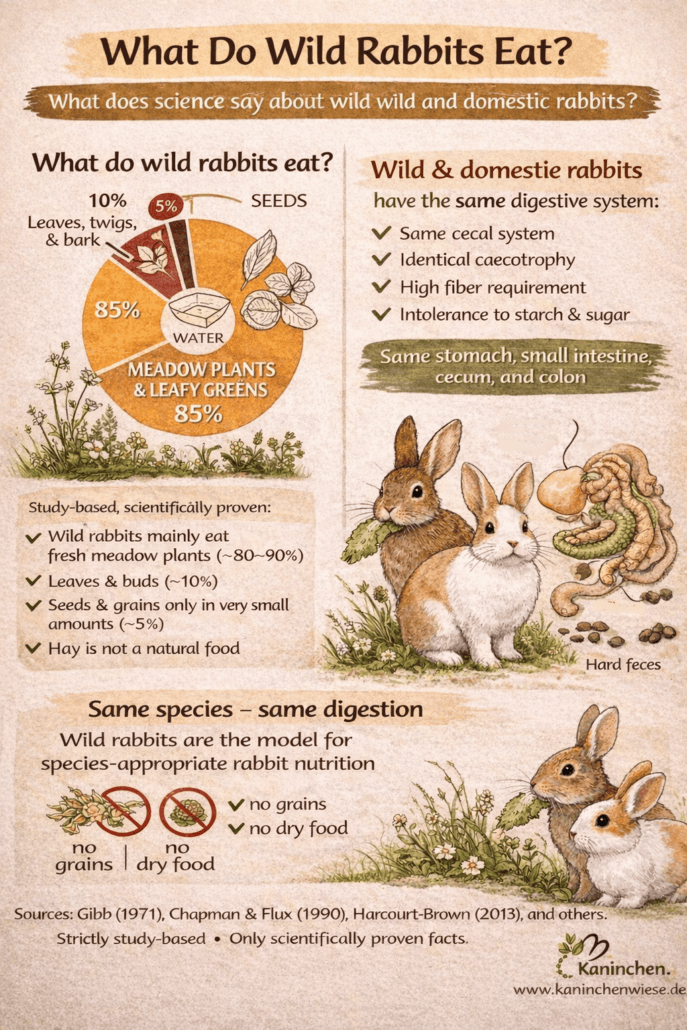
Wild rabbits eating lush meadow plants and leaf greens for a healthy diet.
Infographic showing wild rabbit diet, emphasizing meadow plants, leaf greens, and grains for optimal rabbit nutrition.

Contents

  • 1. Basic Principle: Highly Selective Plant Eaters
  • 2. Main Food Sources: Grasses, Herbs & Meadow Plants (70–90%)
  • 3. Leaves, Twigs, Bark & Woody Plants (5–15%)
  • 4. Seeds, Fruits & Grains: Only Marginal (< 5%)
  • 5. Hay: Not a Natural Part of the Wild Rabbit’s Diet
  • Digestion in Wild vs. Domestic Rabbits – Are There Differences?
  • Caecotrophy: Identical Mechanism in Wild and Domestic Rabbits
  • Domestication Has Not Changed Digestion
  • Why Domestic Rabbits Still Suffer Digestive Problems More Often
  • Why These Findings Are Relevant for Domestic Rabbits
  • Conclusion

1. Basic Principle: Highly Selective Plant Eaters


Wild rabbits are obligate herbivores/folivores with a highly specialized digestive system. They are not omnivores and they are not seed or grain eaters.

Long-term field studies show that wild rabbits select their food very deliberately:

  • they prefer high-fiber plants
  • young plant parts are chosen over older ones

This selective behavior is crucial for intestinal health and caecotrophy.

More information on selective feeding behavior

2. Main Food Sources: Grasses, Herbs & Meadow Plants (70–90%)

The majority of a wild rabbit’s diet consists of:

  • wild grasses
  • herbs
  • herbaceous meadow plants

Depending on habitat and season, these make up around 70 to over 90% of the food they consume.

Typical characteristics are:

  • plants with a lot of structure and fiber
  • high water content
  • low starch and fat content

Wild rabbits eat in small amounts almost continuously throughout the day, which matches the constant metabolic activity of their cecum.
3. Leaves, Twigs, Bark & Woody Plants (5–15%)


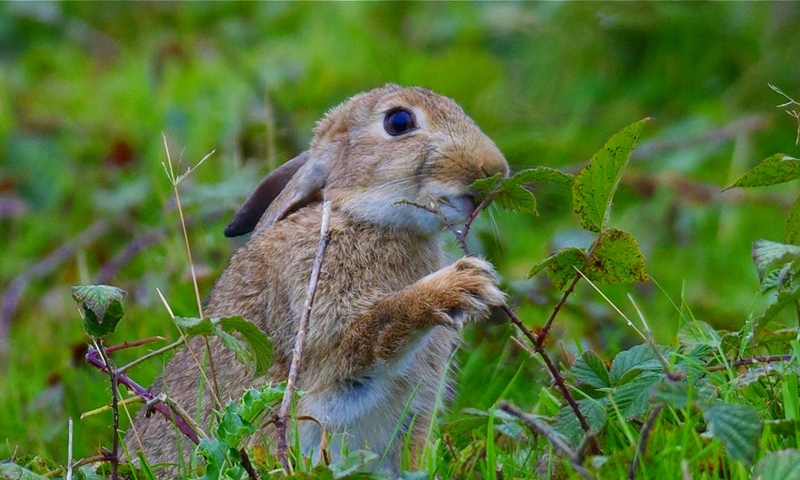
Another part of the natural diet consists of:

  • leaves from trees and shrubs
  • young shoots
  • bark and buds

This share increases:

  • in winter
  • during periods of drought
  • when meadow vegetation is scarce

Woody plants provide:

  • additional dietary fiber
  • secondary plant compounds
  • natural tooth wear

However, they do not replace meadow plants — they only supplement them.
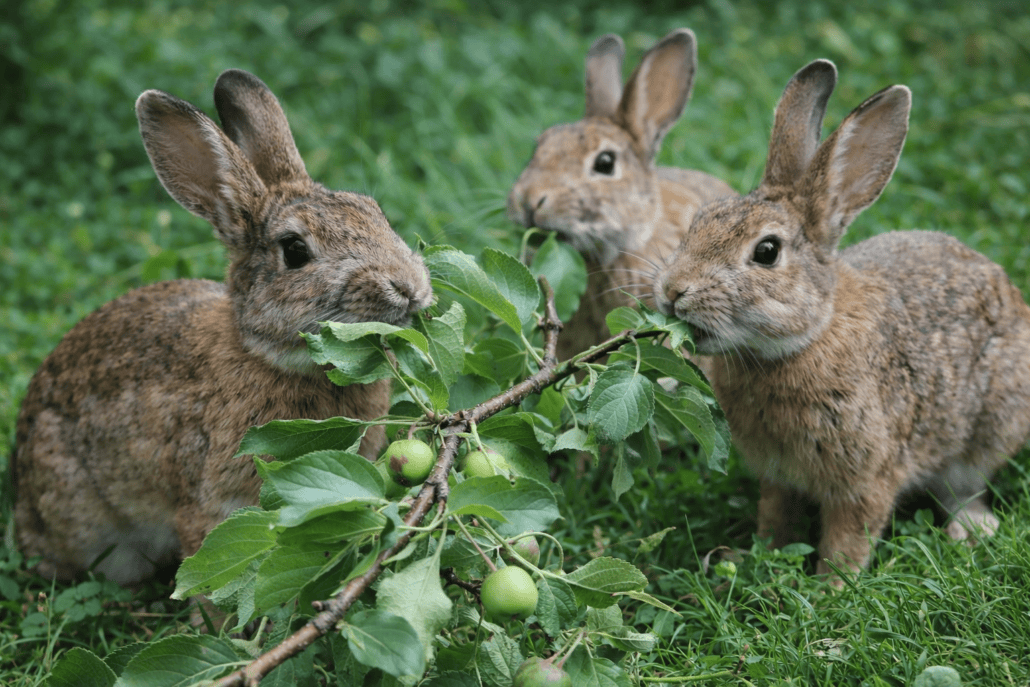
Three wild rabbits eating green apples in a grassy field, showcasing natural rabbit behavior and habitat.
Cropped image of three rabbits enjoying fresh apples outdoors in lush green surroundings.

4. Seeds, Fruits & Grains: Only Marginal (< 5%)

Contrary to popular belief,

  • seeds
  • grains
  • fruits

play only a very minor role in the natural diet of wild rabbits.

They are generally:

  • consumed incidentally
  • eaten seasonally
  • not actively sought out

Multiple studies show that the proportion of seeds remains below 5% and does not represent a significant energy source for wild rabbits.
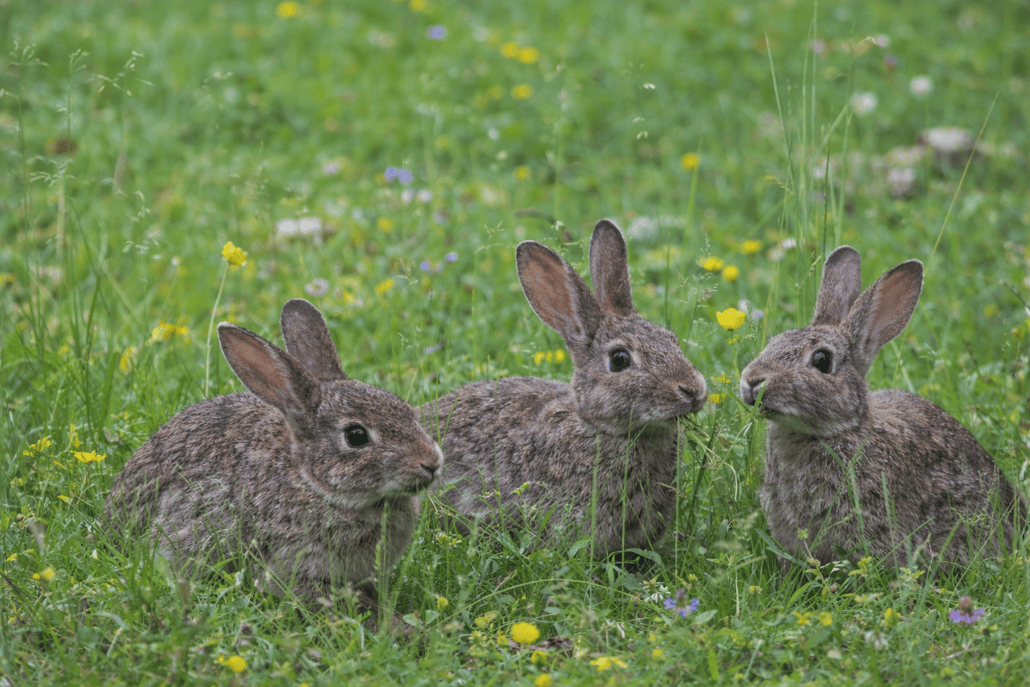
Cute wild rabbits grazing in a green meadow with colorful flowers.
Adorable wild rabbits in a lush grassy field with flowers.

5. Hay: Not a Natural Part of the Wild Rabbit’s Diet

An important point:
Wild rabbits do not eat hay. Their food is fresh, not dried.

Hay is simply a management substitute that becomes necessary when:

  • fresh meadow plants are unavailable
  • year-round feeding with fresh greens is not possible

In the wild, rabbits meet their fiber requirements exclusively through fresh plants. The high water content of this food is essential for healthy digestive function.
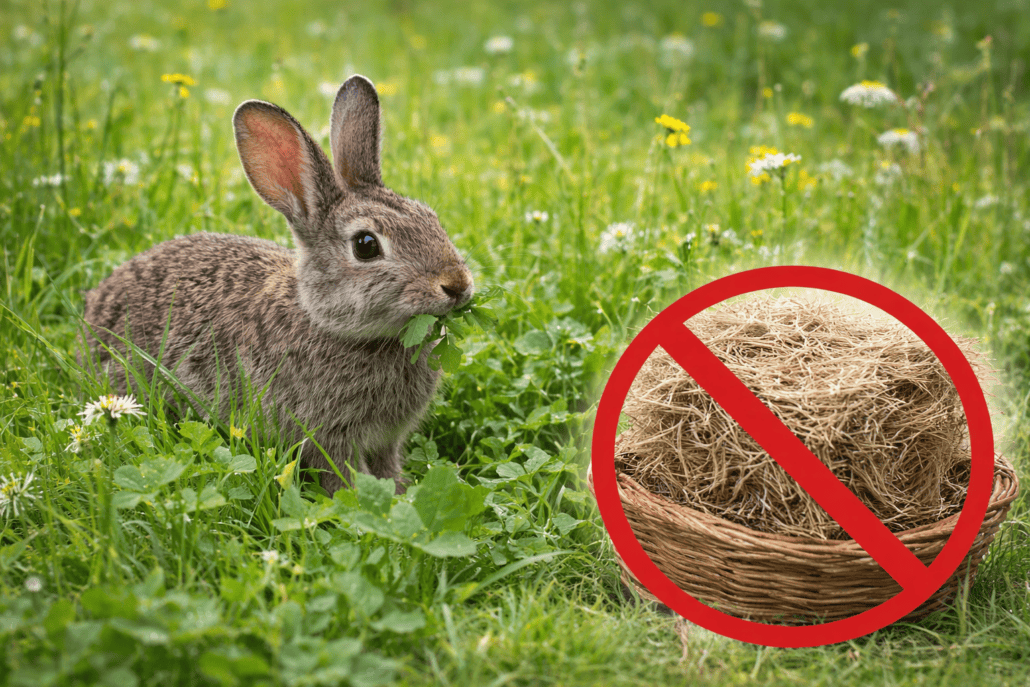
Fresh green grass and wildflowers with a rabbit eating, indicating suitable rabbit food options.

Digestion in Wild vs. Domestic Rabbits – Are There Differences?

It is often claimed that domestic rabbits have a “different digestive system” than wild rabbits and therefore need to be fed differently. However, scientific literature paints a very clear picture.

Same Species – Same Digestive Physiology
Domestic rabbits (Oryctolagus cuniculus domesticus) are domesticated wild rabbits (Oryctolagus cuniculus).
From a zoological and veterinary perspective, they are not different species, but the same species with external variations.

Studies show:

  • identical structure of stomach, small intestine, cecum, and colon
  • the same ratio of cecum volume to body weight
  • identical intestinal motility and separation mechanisms of feed components
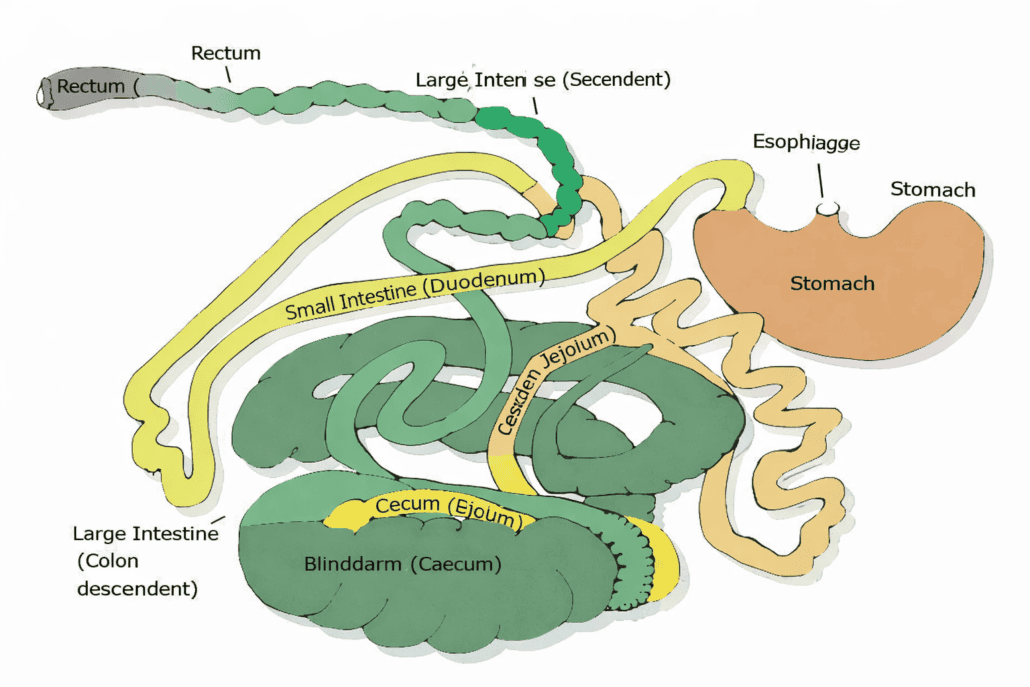
Digestive system of a rabbit showing the stomach, small and large intestines, and caecum.
2. Detailed diagram showing rabbit’s internal digestive organs for better understanding.

Caecotrophy: Identical Mechanism in Wild and Domestic Rabbits


Caecotrophy is the central element of rabbit digestion.
Comparative studies between wild and domesticated rabbits show:

  • identical bacterial fermentation in the cecum
  • the same production of cecotrophs (cecal pellets)
  • the same timing of intake and the same nutrient content
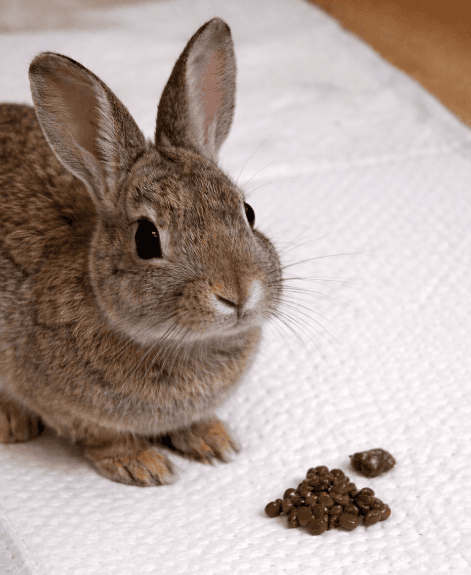
Adorable pet rabbit sitting on white textured surface with food pellets nearby.

The ability to extract nutrients from high-fiber food is species-specific and has not been altered by domestication.

No Adaptation to Energy-Rich or Starchy Food
Several studies on feed utilization show:

  • wild and domestic rabbits react equally sensitively to starch and sugar
  • even moderate amounts can destabilize the cecal flora
  • misfermentation, gas formation, and digestive disorders occur equally in both

Domestic rabbits do not tolerate energy-rich food better than wild rabbits — they are simply exposed to it more often.
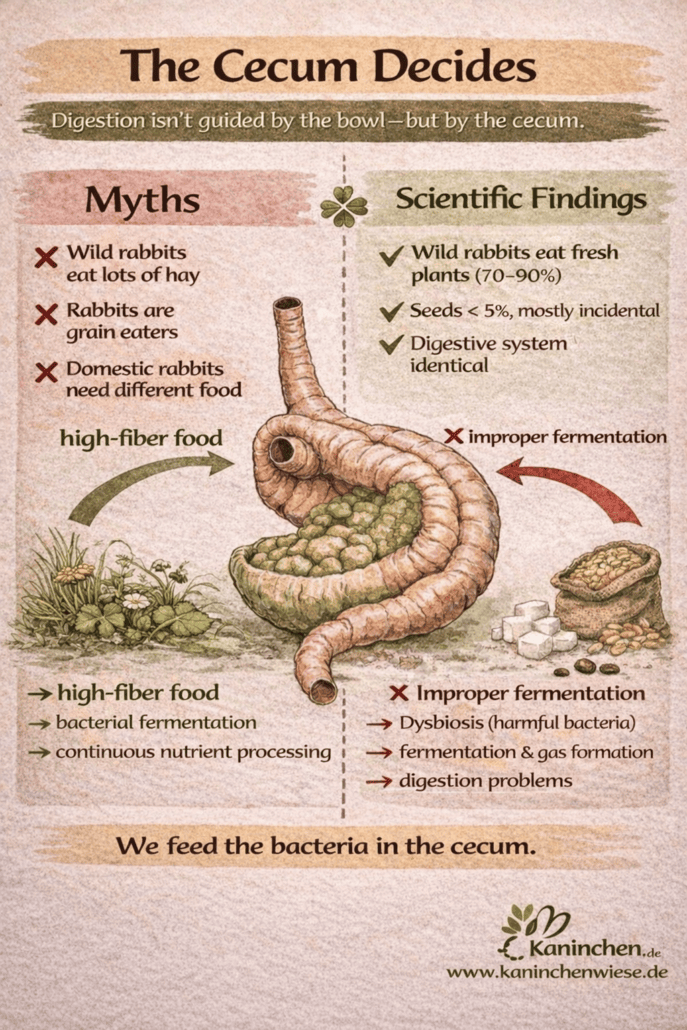
Wild rabbit digestive system diagram for health and nutrition.
A detailed illustration of a rabbit’s digestive system highlighting proper diet and digestion tips.

Domestication Has Not Changed Digestion
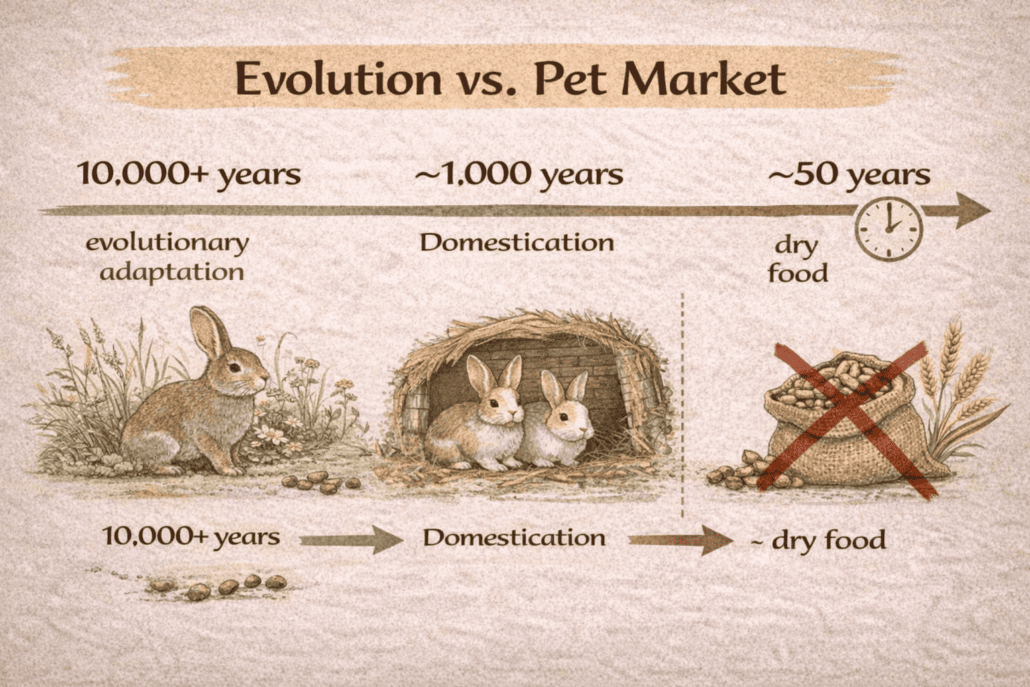
Bunny image showing evolution from wild rabbit to domesticated pet with dry food development.
Cute rabbits sitting inside a small wooden shelter illustrating domestication process.

Rabbit domestication occurred:

  • relatively late
  • over a short evolutionary timespan
  • with a focus on coat colors, body size, and behavior

There is no evidence of selection for changes in the digestive system or adaptation to a different type of diet.
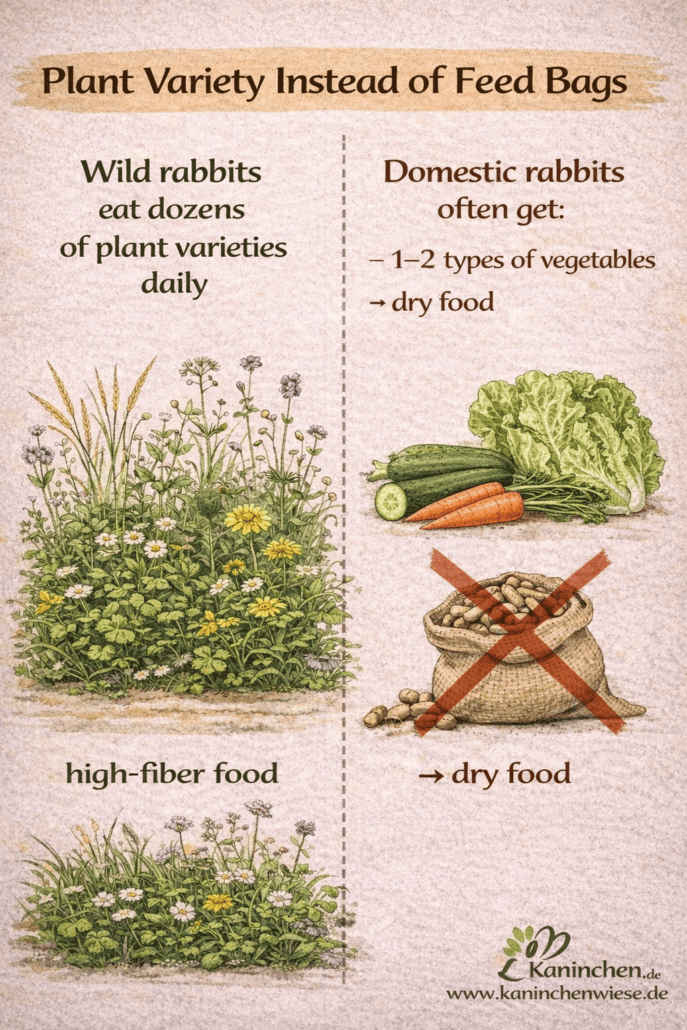
Fresh garden herbs for rabbit dietary needs.
Healthy plant-based diet for rabbits, avoiding dry or processed foods.

Why Domestic Rabbits Still Suffer Digestive Problems More Often

The difference is not biological, but due to husbandry conditions:

  • reduced opportunities for movement
  • limited dietary variety
  • feeding mistakes and problematic recommendations
  • consistently overly energy-rich diets (leading to obesity)
  • lack of natural selection

Wild rabbits with digestive problems usually do not survive in nature, whereas domestic rabbits can sometimes continue to live despite improper feeding (for example with chronic diarrhea or recurring refusal to eat).
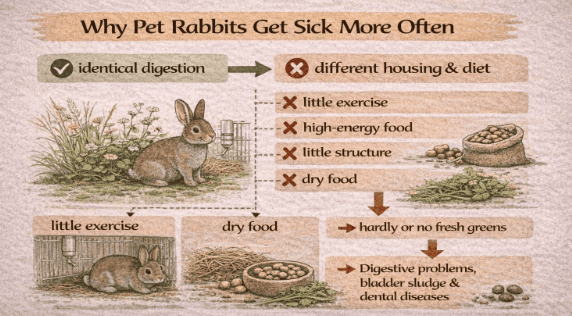
Uneven housing and diet cause pet rabbits to get sick more often, highlighting the importance of proper care.
Caption: Understanding why pet rabbits get sick can help owners improve care and prevent health problems.

Why These Findings Are Relevant for Domestic Rabbits

Domestic rabbits are not a different species but relatively recently domesticated wild rabbits.
Their digestive system is almost identical in structure.

This means:

  • the natural diet provides the reference framework for species-appropriate feeding
  • deviations (pelleted feeds, grain mixes, sugar) are not physiological
  • many nutrition-related diseases can be directly traced back to improper feeding
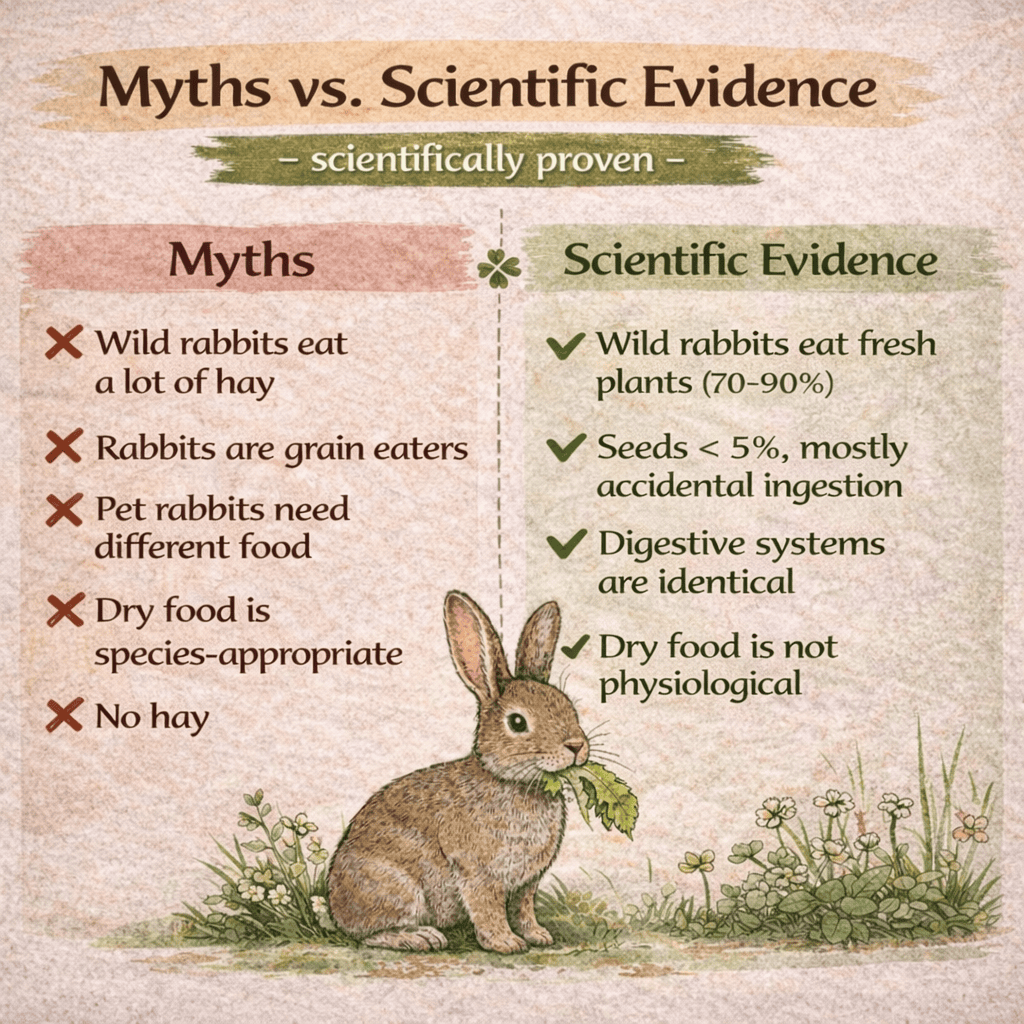
1. Wild rabbits eat fresh plants, mainly greens and herbs, not hay, according to scientific evidence.
2. Scientific evidence confirms wild rabbits primarily consume fresh plants, seed intake is minimal, and their digestive systems are similar.

Conclusion


The scientific evidence is clear:

  • Wild rabbits are not grain eaters, and pellets do not exist in nature.
  • Wild rabbits do not eat hay; their diet consists mainly of fresh greens.
  • Their diet is predominantly made up of fresh meadow plants.
  • Woody plants (branches, twigs, bark, leaves) can supplement the diet but do not replace fresh greens.
  • Hay is a management substitute used in captivity, not a natural food source.
  • Seeds and grains play virtually no role, or only a minimal one.

Therefore, species-appropriate rabbit nutrition should not be based on what the pet market offers, but on what rabbits have consumed over thousands of years of evolution.
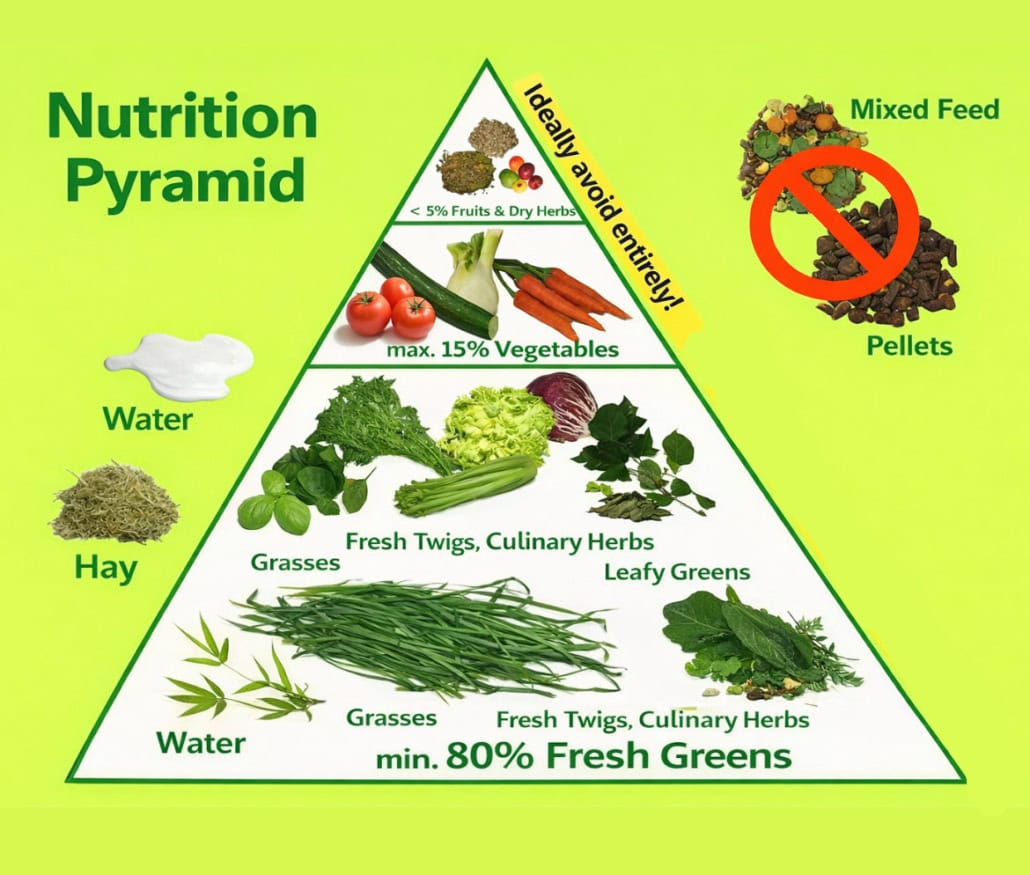
Fresh greens and herbs for rabbits, high in water, with limited vegetables, avoid pellets and mixed feed.
Diet Based on the Model of Wild Rabbits

References (Selection):

  • Gibb, J. A. (1971). The ecology of the European rabbit (Oryctolagus cuniculus). Advances in Ecological Research, 6, 1–54. https://doi.org/10.1016/S0065-2504(08)60202-2
  • Harcourt-Brown, F. (2002). Textbook of rabbit medicine. Butterworth-Heinemann.
  • Harcourt-Brown, F. (2013). BSAVA manual of rabbit medicine (2nd ed.). British Small Animal Veterinary Association.
  • Mykytowycz, R., & Dudzinski, M. L. (1972). Food intake and caecal fermentation in the rabbit (Oryctolagus cuniculus). Journal of Applied Ecology, 9(2), 509–520. https://doi.org/10.2307/2402453
  • Chapman, J. A., & Flux, J. E. C. (1990). Rabbits, hares and pikas: Status survey and conservation action plan. International Union for Conservation of Nature (IUCN).
  • Clutton-Brock, J. (1999). A natural history of domesticated mammals (2nd ed.). Cambridge University Press.
  • British Ecological Society. (n.d.). Studies on the feeding ecology and habitat use of European rabbits (Oryctolagus cuniculus). British Ecological Society.
  • European Rabbit Research Group. (n.d.). Comparative studies on wild and domestic rabbit nutrition and digestion. European Rabbit Research Group.
  • University of Bristol, School of Biological Sciences. (n.d.). Comparative studies on rabbit digestion, feeding behaviour and caecotrophy. University of Bristol.
Who Is Behind How to rabbit?

Veterinarian Viola Schillinger
Who Is Behind How to Rabbit? Viola Schillinger is a veterinarian who has kept rabbits since childhood and has dedicated much of her professional life to improving their health, welfare, and living conditions. Decades of rabbit keeping, intensive observation, and professional study have given her extensive experience in rabbit health, nutrition, behavior, and species-appropriate husbandry. She shares her knowledge through television appearances, webinars, podcasts, radio programs, articles, and books. In 2008, Viola founded Kaninchenwiese.de, which has grown into a leading German-language resource for rabbit care and health, reaching around 500,000 visitors per month. How to Rabbit brings this knowledge to an international English-speaking audience. The English content is translated and adapted by Erika Kühne Escobar and medically reviewed by Viola Schillinger.

Rabbits need space…


How to rabbit…

…is a guide for the appropriate keeping, nutrition and care of rabbits.

Search

Search Search

Never alone


Last Changes

  • Neutering Male Rabbits 2. October 2026
  • Cookie Policy (EU) 7. September 2026
  • Care 26. August 2026
  • Fruit list 27. September 2026
  • Highly toxic plants 30. July 2026
© Copyright - How to rabbit 2024 - Enfold Theme by Kriesi
  • Link to Instagram
Scroll to top Scroll to top Scroll to top