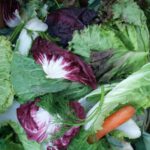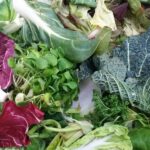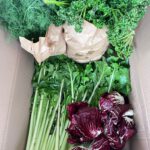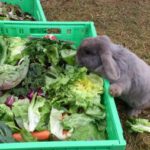

There are many different ways to change a rabbit’s diet. What matters most is making the transition slowly so the intestinal bacteria can adapt to the new food and digest it properly. Otherwise, digestive problems may occur.
For this reason, abrupt diet changes are usually not recommended.
Rule Out Allergies and Food Intolerances
Whenever introducing a completely new food, start with a very small amount to see whether your rabbit tolerates it well. Some rabbits may have food intolerances or allergies, and these can often be identified quickly this way.
If the food is tolerated, it can gradually become part of the regular diet.
Gradually Introducing New Food to Rabbits
If you want to transition your rabbit from dry food to fresh food—or switch to your own feeding routine after adopting rabbits—it is best to proceed slowly.
If the rabbits are new, ask the previous owner what they were fed before. If they received commercial dry food, taking a small amount home for the transition period can be helpful.
If the dietary change also coincides with moving to a new home, wait two to three days before changing the diet so the rabbits can first adjust to their environment.
When introducing new foods, first offer each item separately in a small quantity to check for allergies or intolerances.
After that, you can use one of the following methods:
Step-by-Step Feeding Method
Increase the amount of the new food every day while reducing the old food proportionally. For example:
- Double the amount of new food
- Halve the amount of old food
Large-Quantity Introduction Method
Another option is to slowly increase the new food until it is offered in large quantities, and only then gradually reduce the old food.
Seed Replacement Method
A further option is the replacement method, where dry food is first replaced with an equal quantity of seeds or grains before these are gradually reduced over time.
This method is generally well tolerated and helps protect the digestive system during the transition phase.
Diarrhea During Diet Transition in Rabbits
Keep in mind that rabbits still eating commercial dry food may not tolerate every type of fresh food immediately. Diarrhea commonly occurs when fresh food and dry food are combined.
For this reason, it is best to begin with easily tolerated fresh foods. Cabbage, clover, and alfalfa should only be introduced later, once dry food has already been removed from the diet.
However, diarrhea during a diet transition can also indicate dental disease.
If your rabbit otherwise appears healthy and active, check whether the diarrhea resolves by the next day and continue the transition more slowly.
If the diarrhea persists:
- Have the rabbit’s teeth checked by a veterinarian
- Submit a fecal sample collected over three days
- Test specifically for:
- Coccidia
- Yeast
- Worms
Why Dry Food Can Hide Dental Problems
Hidden dental issues are often caused—and masked—by dry food because:
- Dry food removes water from the body, making diarrhea less noticeable
- Pellets are already finely ground and require very little chewing
- Poor chewing therefore often goes unnoticed
Fresh food exposes these issues because larger pieces must be chewed properly before digestion.
Veterinary Insight About Fresh Food and Diarrhea
Veterinarian Dr. Anja Ewringmann explains in Key Symptoms in Rabbits:
“Rabbit owners often report that they avoid fresh food because it causes diarrhea. In most cases, however, the real cause is latent dental disease. Poorly chewed fruit and vegetables ferment more quickly than dry food. Regular dental corrections can allow these rabbits to return to a species-appropriate diet.”

Diet Transition for Sensitive Rabbits
Rabbits that have been fed incorrectly for most of their lives—or rabbits with chronic digestive problems—often benefit from a special recovery phase before transitioning fully to a natural diet.
During this time, the digestive system can recover and stabilize.
We recommend the following temporary diet, which can usually even be introduced abruptly:
- Hay and leaves (fresh or dried)
- Leaves are especially important for digestion
- Oak leaves are particularly beneficial
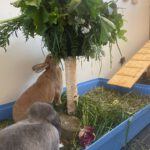
- Fresh branches and twigs
- Including conifer branches
- Aromatic seeds such as:
- Fennel seeds
- Anise seeds
- Caraway
- Small amounts of fresh kitchen herbs
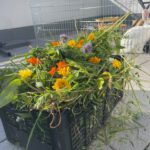
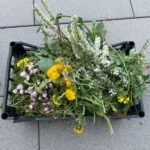
- Fresh wild herbs such as:
- Dandelion
- Grass
Best Fresh Foods to Introduce First
Afterward, slowly introduce one new fresh food every two days in small amounts while monitoring tolerance.
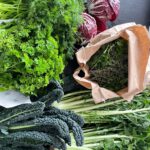
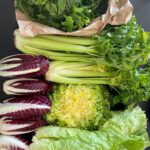
Suitable starter foods include:
- Endive
- Chicory
- Dandelion greens
- Parsley root
- Grated apple (very small amount)
- Carrot (very small amount)
Abrupt Diet Changes in Rabbits
Experienced rabbit owners are sometimes able to judge whether a rabbit is suitable for an abrupt diet change.
Beginners should generally transition diets slowly.
Young rabbits are often the exception. Their digestive systems are usually less damaged than those of rabbits previously fed dry food, meaning they can often adapt much faster—even from one day to the next.
T