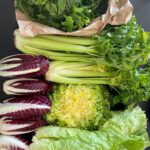

Rabbit bloating (gas buildup or tympanitis) is a serious and potentially life-threatening condition.
Important: If your rabbit stops eating, this is always an emergency. Seek veterinary care immediately.
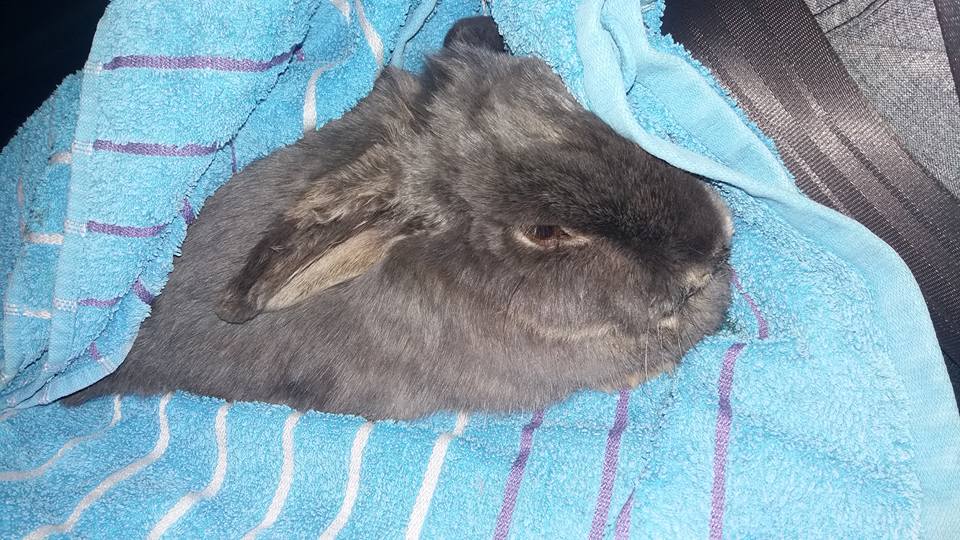
What Is Bloating in Rabbits?
Bloating in rabbits refers to the accumulation of gas in the digestive system. Unlike humans and many other animals, rabbits cannot burp or effectively pass gas.
As a result, gas builds up rapidly in the gastrointestinal tract, causing pain, pressure, and potentially life-threatening complications such as circulatory failure.
Rabbit bloating is often closely linked to digestive disorders like gastrointestinal stasis.
Rabbit Bloating Symptoms: How to Recognize It
Common symptoms of bloating in rabbits include:
- Lethargy and reduced activity
- Loss of appetite or complete refusal to eat
- Sitting still and avoiding movement
- A rounded, swollen, or “puffed-up” abdomen
- Pain or sensitivity when touched in the abdominal area
In some cases, bloating is not visibly noticeable.
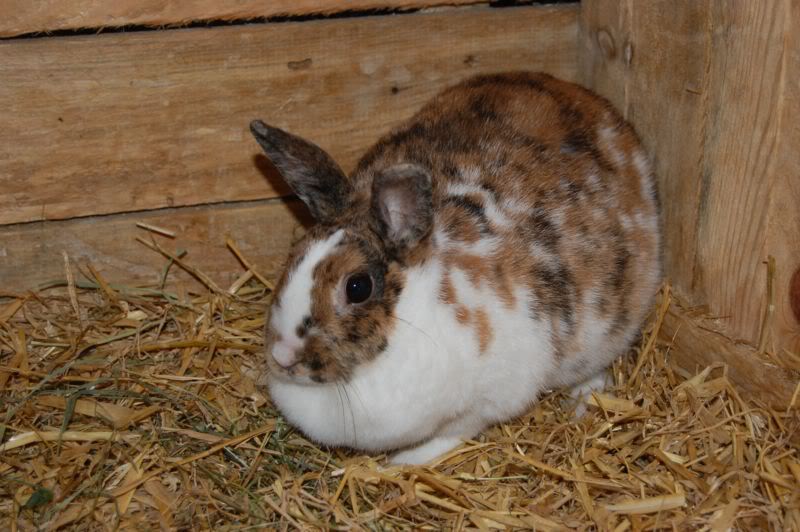
Important: Only a veterinarian can confirm bloating.
Always insist on an X-ray, as palpation alone is not reliable.
Causes of Bloating in Rabbits
Bloating is not a disease itself but a symptom of underlying digestive problems. Identifying the cause is essential.
1. Incorrect Diet (Most Common Cause)
- Sudden introduction of large amounts of fresh food
- Feeding dry food, pellets, or processed foods
- Low-fiber, high-energy diets
- Feeding spoiled, moldy, or pesticide-contaminated food
A dry food diet slows digestion and can lead to fermentation in the stomach, causing gas buildup.
2. Sudden Diet Changes
Bloating often occurs in spring when rabbits are suddenly given large amounts of fresh greens after months of dry feeding.
3. Parasites & Infections
- Coccidia
- Giardia
- Yeast overgrowth
- E. coli infections
These disrupt gut function and promote gas formation.
If bloating occurs repeatedly, a 3-day stool test is essential
4. Poor Gut Flora
Caused by:
- Antibiotic use
- Incorrect feeding
- Early separation from the mother
This makes rabbits highly sensitive to digestive disturbances.
5. Dental Problems
Poorly chewed food puts extra strain on digestion and can lead to bloating.
6. Digestive Stasis (Very Dangerous)
If a rabbit stops eating:
- Food remains in the stomach/intestines
- Fermentation begins
- Gas builds up rapidly
This is one of the most dangerous causes.
7. Lack of Movement
Limited activity slows digestion and increases the risk of bloating.
8. Feeding Myths (Important)
❌ “Cabbage causes bloating” → False
Healthy rabbits on a proper diet tolerate cabbage well.
Problems usually come from an already damaged digestive system.
Important: Many veterinarians claim that feeding cabbage causes bloating. This is not true! Rabbits that are fed a healthy diet can tolerate cabbage in large amounts without any issues. If cabbage causes problems, it is usually due to the feeding of pellets or other unhealthy food that strains the digestive system and may lead to intolerances to cabbage, grass, and other fresh foods.
Long periods between meals or overeating can also contribute to bloating. Make sure to offer your rabbits fresh greens multiple times a day, allowing them to eat at a steady pace throughout the day and night.
Why Dry Food Causes Bloating in Rabbits (Common but Dangerous Mistake)
Unfortunately, feeding dry food is still widespread — and it is one of the most common causes of bloating in rabbits.
Even products marketed as “healthy” or “grain-free” — including pellets, dried vegetables, hard bread, chew sticks, and treats — can seriously harm a rabbit’s digestive system.
A rabbit’s gut is designed for fresh, high-fiber food. Dry, energy-dense foods disrupt this system.
What Happens Inside the Rabbit’s Digestive System
- Dry food swells in the stomach when it comes into contact with fluids
- It creates a feeling of fullness very quickly → the rabbit stops eating
- The stomach becomes overfilled and partially dehydrated
- Digestion slows down drastically or stops completely
Because rabbits rely on a constant flow of food through their digestive tract:
When no new food enters the system, movement in the gut slows or stops.
The Real Problem: Fermentation and Gas Formation
When food remains too long in the stomach:
- It is not properly digested
- It begins to ferment
- Gas builds up rapidly
Since rabbits cannot burp, this gas has nowhere to go → the stomach expands dangerously (bloating).
Critical Mechanism: Why Digestion Stops
The pyloric sphincter (the valve between stomach and intestines) often does not open properly when dry food is present.
It stays closed until the food is sufficiently hydrated — which may not happen fast enough.
Result:
- Food remains stuck in the stomach
- Gas production increases
- The digestive system becomes blocked
Why This Becomes Life-Threatening
- The stomach expands due to gas
- The intestines may also stop moving
- Pressure builds up rapidly
- Circulation can collapse
This is why dry food (pellets) is not just “suboptimal” — it is a major risk factor for bloating and digestive failure in rabbits.
Treatment: What Helps Against Rabbit Bloating?
Always consult a rabbit-experienced veterinarian.
(Not just general small animal vets for dogs/cats.)
Emergency First Aid (Before Vet Visit)
If bloating is suspected:
- RodiCare Akut: 7–10 drops, 3× daily
- Sab Simplex / Dimeticon: 0.5–1 ml per kg body weight
These can help reduce gas and are generally safe in emergency situations.
Important: This does NOT replace a vet visit.
Why Immediate Treatment Matters
Bloating can quickly lead to:
- Severe pain
- Digestive shutdown
- Circulatory collapse
- Death
Special Case: Cecal Bloating
Causes
- Coccidia
- Disruption of the bacterial flora due to various causes (bacterial enteritis)
- Obstruction (rare) caused by a bezoar
Treatment
The first priority should be shock therapy (infusions, warmth, possibly oxygen) and the treatment of sepsis (antibiotics).
- Warming in case of hypothermia
- Antibiotics intravenously, not orally (Metronidazole, Enrofloxacin) to stop the bacterial imbalance
- Anti-nausea medication and substances to stimulate gastrointestinal movement should be given. Metoclopramide (MCP 0.2-1mg/kg, 1-3 times daily; caution: do not use MCP longer than three days, if necessary, gradually taper off). The effectiveness of MCP is not scientifically proven, and Cisapride does not work in rabbits.
- Proven effectiveness with Lidocaine infusions (100 μg/kg/min intravenously over two days) and Mirtazapine (3 mg/kg, once daily).
- Pain relief intravenously, not orally (e.g., Metamizole (Novalgin))
- Massages and movement
- Feeding support
- Lactulose
- After stabilization, Coccidia treatment if needed.
Diet for Rabbits Prone to Bloating
If your rabbit is prone to bloating, diet is the key factor.
Recommended Diet
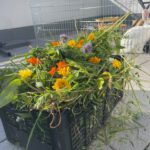
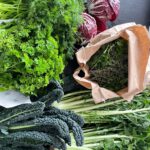
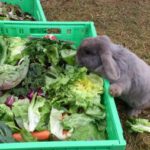
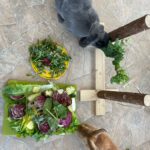
- Unlimited fresh greens (preferably wild plants)
- High-fiber, natural foods
- Continuous access to food (no long gaps)
Avoid Completely
- Pellets
- Dry food
- Grain-based products
- Processed rabbit food
- Treats and hard bread
These damage digestion and promote gas formation.
Natural Foods That Help Against Bloating
Herbs
- Dill
- Peppermint
- Lemon balm
- Parsley
- Thyme
- Oregano
- Sage
- Lavender
- Nettle
Wild Plants
- Dandelion
- Chamomile
- Yarrow
- Chicory
- Willow branches
- Wild garlic
Seeds
- Fennel seeds
- Caraway
- Anise
- Dill seeds
Vegetables
- Fennel
- Ginger
Sources:
Böhmer, E. (2005): Röntgenologische Untersuchung bei Hasenartigen und Nagern (Schwerpunkt: Magen-Darm-Trakt, Harntrakt, Wirbelsäule). Tierärztliche Praxis Ausgabe K: Kleintiere/Heimtiere, 33(02), 115-125.
Böttcher, A. (2017): Untersuchungen zur Magendilatation bei Heimtierkaninchen (Oryctolagus cuniculus) (Doctoral dissertation, Freie Universität Berlin).
Cheeke, P. R., Cunha, T. J. (2012): Rabbit feeding and nutrition. Elsevier.
Drescher B. (2014): Magenüberladung beim Kaninchen. Kleintier konkret 2: 12–16
Eckert, Y. (2020): Stillstand: Der Ileus beim Kaninchen. kleintier konkret, 23(S 01), 2-10.
Feldman, E. R., Singh, B., Mishkin, N. G., Lachenauer, E. R., Martin-Flores, M., & Daugherity, E. K. (2021): Effects of Cisapride, Buprenorphine, and Their Combination on Gastrointestinal Transit in New Zealand White Rabbits. Journal of the American Association for Laboratory Animal Science.
Harcourt-Brown, F. M. (2007): Gastric dilation and intestinal obstruction in 76 rabbits, Veterinary Record 161, 409-414
Harcourt-Brown (2007): Gastric dilation and intestinal obstruction in 76 rabbits. Vet Rec 161 (12): 409–414
Harcourt-Brown TR. (2007): Management of acute gastric dilation in rabbits. J Exotic Pet Med. 16 (3): 168–174
Hein, J. (2009): Anorexie beim Kaninchen–diagnostische Aufarbeitung und erster therapeutischer Ansatz. Tierärztliche Praxis Ausgabe K: Kleintiere/Heimtiere, 37(02), 129-138.
Hein, J. (2016): Notfälle beim Kleinsäuger – erkennen und reagieren.
Hein, J. (2018). Röntgenbildinterpretation Magen-Darm-Trakt Kaninchen. kleintier konkret, 21(S 01), 12-20.
Kreis ME, Jauch KW. (2006): Ileus aus chirurgischer Sicht. Differenzialdiagnose und therapeutische Konsequenzen. Chirurg. 77 (10): 883–888
Köstlinger, S. (2014): Notfälle beim Kaninchen. kleintier konkret, 17(S 02), 2-7.
Lichtenberger M, Lennox A. (2010): Updates and advanced therapies for gastrointestinal stasis in rabbits. Vet Clin North Am Exot Anim Pract. 13 (3): 525–541
Nickel, R., Schummer, A., & Seiferle, E. (2004): Lehrbuch der Anatomie der Haustiere—Band II Eingeweide. Parey, Stuttgart.
Müller, K. (2014): Magendilatation beim Kaninchen–Was ist zu tun? kleintier konkret, 17(02), 16-20.
Ozawa, S., Thomson, A., & Petritz, O. (2022): Safety and efficacy of oral mirtazapine in New Zealand White rabbits (Oryctolagus cuniculus). Journal of Exotic Pet Medicine, 40, 16-20.
Schnabl, E., Böhmer, E., & Matis, U. (2009): Diagnostik und Therapie des Magenbezoars beim Kaninchen: katamnestische Betrachtung von 39 Patienten. Tierärztliche Praxis Kleintiere, 37(2), 107-113.
Schnabl, E., Böhmer, E., & Matis, U. (2009): Diagnostik und Therapie des Magenbezoars beim Kaninchen: katamnestische Betrachtung von 39 Patienten. Tierärtzliche Praxis, 37, 107-113.
Schnellbacher, R. W., Divers, S. J., Comolli, J. R., Beaufrère, H., Maglaras, C. H., Andrade, N., … & Quandt, J. E. (2017): Effects of intravenous administration of lidocaine and buprenorphine on gastrointestinal tract motility and signs of pain in New Zealand White rabbits after ovariohysterectomy. American journal of veterinary research, 78(12), 1359-1371.
Varga M. (2014): Textbook of Rabbit Medicine. 2nd ed. London: Butterworth-Heinemann Elsevier