
Loading
  • Link to Instagram
How to rabbit
  • Home
  • Getting a Rabbit
    • Before You Get Rabbits
      • Rabbit Care for Beginners
      • Rabbit Care in 15 Minutes
      • How Much Do Rabbits Cost?
      • Lop Rabbits: Health & Welfare Concerns
      • Rabbit Lifespan: How Long Do Rabbits Live?
    • Choosing & Bringing Home Rabbits
      • Bringing a Rabbit Home
      • Sexing Rabbits: Male or Female?
      • Neutering Male Rabbits
      • Rabbits and Other Pets
      • Rabbit Adoption Contract
  • Housing
    • Outdoor Housing
      • Winter Care for Rabbits
      • Keeping Rabbits in the Garden
      • Building an Outdoor Rabbit Enclosure
      • Overwintering Rabbits
      • Outdoor Rabbit Run Ideas
    • Indoor Housing
      • Rabbit Litter Training Guide
      • Setting Up a Rabbit Room
      • Vitamin D for Indoor Rabbits
      • Keeping Rabbits Indoors
      • Indoor Rabbit Housing Ideas
      • Keeping Rabbits Cool in Summer
    • Balcony Housing
      • Keeping Rabbits on a Balcony
      • Rabbit-Friendly Balcony
  • Feeding
    • Foods for Rabbits
      • Grass & Meadow Plants
      • Pellets for Rabbits
      • Vegetables
      • Culinary herbs
      • Fruits for rabbits
      • Water & Drinking
    • Feeding Guidelines
      • Feeding Guidelines
      • Common Feeding Mistakes
      • Rabbit Feeding Myths
      • How to Feed a Baby Rabbit
    • Feeding tips
      • How to Transition a Rabbit to a New Diet Safely
      • Winter Diet for Rabbits
      • Nutrition for Young Rabbits
      • Diet Changes in Young Rabbits
    • Nutrition Basics
      • What can rabbits eat?
      • Types of Rabbit Diets
      • Is Hay the Main Food for Rabbits?
      • Tooth Wear & Dental Health
      • Crude Fiber & Carbohydrates
      • Secondary Plant Compounds
      • Food selection
      • Between Scarcity and Abundance
      • Rabbit Digestion
      • Wild Rabbit Nutrition
    • Foraging & Plant Identification
      • Foraging Meadows for Beginners
      • Identifying Coniferous Trees
      • Highly toxic plants
    • Food & Plant Lists
      • Safe Branches for Rabbits
      • Best Vegetables for Rabbits
      • Wild Grasses for Rabbits
      • Aromatic Herbs for Rabbits
      • Foraging & Plant Identification
      • Garden plant list
      • Fruit list
  • Companionship & Bonding
    • Rabbit Bonding
    • After a Rabbit Dies: Should the Other Rabbit Live Alone?
    • Can Rabbits Live Alone?
    • Choosing the Right Rabbit Companion
    • Rabbit Bonding Methods
    • Common Bonding Mistakes
    • Bonding of Young Rabbits
    • Keeping Rabbits in Large Groups
    • Hierarchy Fights & Bullying
    • Bonding Disabled or Ill Rabbits
    • Rabbit Socialization
  • Behavior
    • Handling Rabbits
    • Common Behaviors & Problems
      • Rabbits that don’t get along
      • Handling traumatized rabbits
      • Nibbling & Chewing
      • Digging
      • Humping
      • Kicking, Scratching & Wriggling
      • Biting & Aggressive Behavior
    • Body Language & Senses
      • Rabbit Senses
  • Health
    • General Health
      • Is My Rabbit Sick?
      • Recognizing Pain in Rabbits
      • Sudden Death in Rabbits: Possible Causes
      • Rabbit Health Myths
    • Digestive Disorders
      • Gastric Dilatation in Rabbits
      • Bloating in Rabbits
      • Hairballs & Constipation
      • Rabbit Diarrhea & Mushy Poop
      • Stomach Overload
      • Coccidia in Rabbits
      • Yeast in Rabbits
      • Worms in Rabbits
      • Underweight & Overweight Rabbits
      • Megacolon Syndrome
      • Bacterial Enteritis
      • Appendicitis in Rabbits
    • Skin, Fur & Parasites
      • Molting
      • Flystrike in Rabbits (Myiasis)
      • Mites, Ticks, Fleas & Other Parasites
      • Ear Mites
      • Skin Fungus
      • Wounds & Bite Wounds
      • Abscesses
      • When Rabbits Lick Themselves Raw
      • Sore Hocks in Rabbits
      • Injection Necrosis
      • Tumors & Cancer in Rabbits
      • Skin Inflammation
    • Infectious Diseases
      • Rabbit Snuffles
      • E. cuniculi in Rabbits
      • Rabbit Hemorrhagic Disease (RHD)
      • Myxomatosis
      • Ear Infection
      • Rabbit Syphilis
      • Tularemia (Rabbit Fever)
      • Tetanus
      • Toxoplasmosis
      • Listeriosis
      • Rodentiosis
      • Herpesviruses in rabbits
    • Internal & Organ Diseases
      • Liver Diseases
        • Liver Lobe Torsion
      • Cystitis
      • Bladder Sludge & Bladder Stones
      • Kidney Failure
      • Sex & Neutering
      • Uterine Diseases
      • Heart Diseases
      • Thyroid Diseases
      • Heatstroke in Rabbits
      • Stroke in rabbits
      • Schock
      • Hormonal Disorders
    • Other Health Conditions
      • Floppy Rabbit Syndrome
      • Dental Diseases
        • Jaw Abscesses
        • Nutrition for Dental Disease
      • Eye Diseases in Rabbits
        • Watery Eyes
      • Joint Diseases
      • Bone Fractures & Accidents
      • Cramps & Seizures
      • TThymoma, Lymphoma & Other Tumors
      • Poisoning in Rabbits
      • Mold & Mycotoxins
  • Care
    • Rabbit Poop & Urine: What It Means
    • Housing for Disabled & Elderly Rabbits
    • Wheelchairs & Mobility Support for Rabbits
    • Rabbit Health Check
    • Dirty Bottom in Rabbits
    • Why Does My Rabbit Pee & Poop Everywhere?
    • Saying Goodbye to a Rabbit
  • Offspring
    • Breeding that causes animal suffering
  • Service
    • News
    • About Us
    • Legal Disclosure
    • Privacy Policy
  • Click to open the search input field Click to open the search input field Search
  • Menu Menu

Frequent feeding mistakes

Contents

  • 1. Rabbits are fed with dry food from a pet shop
  • 2. Hay as main part of the diet
  • 3. Bunnies are fed with crunchers and treats
  • 4. Rabbits are fed with hay and 2 small portions of vegetables a day  
  • 5. No wet herbage is fed
  • 5. No wet herbage is fed  
  • 6. Drinking water is provided from a bottle  
  • 7. Fresh herbage isn’t provided around the clock  
  • 8. Rabbits are fed on a mainly dry diet (hay and other dried food…)  
  • 9. Rabbits are put on a dry diet for fear of diarrhoea  
  • 10. Feeding of many ‘treats’  
  • 11. Nothing is picked from nature

1. Rabbits are fed with dry food from a pet shop

Even if rabbits are fed with only little amounts of a dry food, it may make the digestive system more susceptible for illnesses, it may slow down the metabolism and it can lead to indigestion, intolerances of fresh food and diseases of the teeth.

Replace dry food with healthy food, e.g. JR Farm grainless herbs from the pet shop or another food with a full declaration and that doesn’t contain any by-products. Ideally it consists of many herbs, a few seeds and maybe a little bit of dried vegetables.

Entirely unsuitable are dry foods with pressed or baked ingredients, like pellets, rings or nuggets. If you wish, you may mix your own appropriate food.

2. Hay as main part of the diet

Although hay as main part of the diet of a rabbit used to be popular for a long time – and this approach is still supported by studied vets and vets who received advanced training, we can’t recommend this sort of diet due to various own experiences. Although rabbits fed on a hay rich diet often show a steady digestion as the diet is consistent and continuous (hardly or no changes of food from fresh to dry), more frequent urinary tract infections do incur in these rabbits (due to the low water content of hay and the fact that a natural rabbits diet is based on fresh plants). Furthermore the supply of Vitamin E and ß-carotene is less satisfactory (Vitamin E and ß-carotene deficiencies) and rabbits show a slower metabolism, so that again they are more prone to get digestive problems .

3. Bunnies are fed with crunchers and treats

Most treats from pet shops are unfortunately injurious to the health of our pet rabbits. Whether they are crunchers, crackers, crips or yoghurt drops – all these treats contain ingredients that are harmful to the health of the rabbit (e.g. sugar, honey, milk, eggs, flour, by-products of various origin…). Moreover are these treats not necessary at all, as rabbits are very happy about a healthy treat just as well. Try these healthy treats instead: pea flakes, oat flakes, fresh herbs (e.g. dill), and banana or similar.

4. Rabbits are fed with hay and 2 small portions of vegetables a day  

Such a diet strains the digestion very unbalanced. Fresh food is much faster digested than dry food (hay) as this slows down the digestion. The constant change from fresh to dry leads to irritations in the digestive system: e.g. bloated or overloaded stomachs, gobbling of food etc. Additionally the diet may be unbalanced if only a small amount of vegetables (and less varied) is fed.

5. No wet herbage is fed

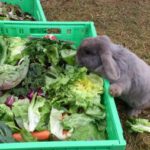
Rabbits which are used to fresh food also tolerate wet herbage very well. It doesn’t make a difference for the digestion if rabbits additionally drink fresh water to their fresh food or if they feed on wet grass. The only difference that has to be noted is that during prolonged storage of wet herbage the food will be pressed and especially in combination with sunshine it will decay much quicker and could then cause digestive problems.

5. No wet herbage is fed  

Rabbits which are used to fresh food also tolerate wet herbage very well. It doesn’t make a difference for the digestion if rabbits additionally drink fresh water to their fresh food or if they feed on wet grass. The only difference that has to be noted is that during prolonged storage of wet herbage the food will be pressed and especially in combination with sunshine it will decay much quicker and could then cause digestive problems.

6. Drinking water is provided from a bottle  

Studies have shown that rabbits drink much more if water is provided from a bowl rather than a bottle. Hence it is very important to provide water from a bowl. Why don’t you try yourself to quench your thirst after exercising by drinking from a ball bearing bottle? It will be difficult to succeed as these bottles only provide little drops. Little water intake may lead to urinary tract diseases in rabbits with a predisposition. Place the bowl in a slightly raised position (roof of a hideaway, area without bedding), so it doesn’t get dirty from the bedding. Use a heavy earthenware bowl with the rim curved inwards to prevent it being thrown around. Also suitable are bolt or hook on stainless steel bowls.

7. Fresh herbage isn’t provided around the clock  

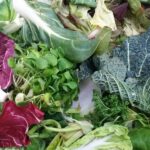
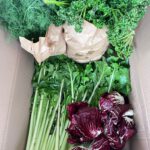
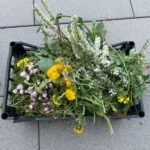
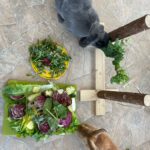
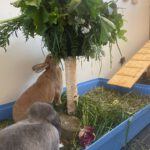
Rabbits naturally feed on fresh herbage and need a consistent, varied selection of fresh food. In summer the main part may originate from meadows; in winter provide green vegetables (all varieties of cabbage, carrot green, stem turnip, celery stalks, spinach…), twigs etc complemented with oilseeds, hay and dried herbs. Discontinuity of feeding fresh herbage (when hay is consumed increasingly) may result in an irregular load of the digestive system and hence may cause digestive problems.

8. Rabbits are fed on a mainly dry diet (hay and other dried food…)  

The digestive system of our pet rabbits is like the one of their wild relatives not made for dried food only. A diet rich in dried food can cause urinary tract diseases and digestive problems in our pet rabbits (due to the slow metabolism as a result of a diet rich in dried food). Many dried foods swell in the stomach and overload excessively the gastric walls.

9. Rabbits are put on a dry diet for fear of diarrhoea  

A rabbit that receives a diet that is appropriate for their species and still develops diarrhoea is ill. Pet rabbits have the same digestive system than wild rabbits and it is totally unnatural if they suffer from digestive problems if fed with fresh herbage. Often the digestive system is already pre-damaged from a previous malnutrition (a diet rich in dry food) and has to convalesce or the diet change has happened too fast. In this case it is very important to clarify underlying causes before considering reverting back to a diet rich in dry food.

10. Feeding of many ‘treats’  

Many pet owners mean only well for their rabbits and offer many ‘allegedly healthy’ treats, such as pea flakes, nuts, dried vegetables, oat flakes or dried fruits. In small amounts (e.g. every 2 days 3 pea flakes or twice a month a piece of apple) this is unproblematic. However, if rabbits are fed with these treats regularly or even in larger amounts (then even once), this may lead to bloated stomachs or yeast infestations. These treats need to stay ‘treats’ and shouldn’t be fed in excess.

11. Nothing is picked from nature

To stay healthy, rabbits require herbage from outside; even contamination through dog poo, wild animals or car fumes are far less harmful than not to feed any natural fresh herbage at all. Please note: even bought in hay and vegetables harbours these contaminants – this hay and these vegetables have grown on a field too at one point.
Who Is Behind How to rabbit?

Veterinarian Viola Schillinger
Who Is Behind How to Rabbit? Viola Schillinger is a veterinarian who has kept rabbits since childhood and has dedicated much of her professional life to improving their health, welfare, and living conditions. Decades of rabbit keeping, intensive observation, and professional study have given her extensive experience in rabbit health, nutrition, behavior, and species-appropriate husbandry. She shares her knowledge through television appearances, webinars, podcasts, radio programs, articles, and books. In 2008, Viola founded Kaninchenwiese.de, which has grown into a leading German-language resource for rabbit care and health, reaching around 500,000 visitors per month. How to Rabbit brings this knowledge to an international English-speaking audience. The English content is translated and adapted by Erika Kühne Escobar and medically reviewed by Viola Schillinger.

Rabbits need space…


How to rabbit…

…is a guide for the appropriate keeping, nutrition and care of rabbits.

Search

Search Search

Never alone


Last Changes

  • Neutering Male Rabbits 28. September 2026
  • Cookie Policy (EU) 7. September 2026
  • Care 26. August 2026
  • Fruit list 27. September 2026
  • Highly toxic plants 30. July 2026
© Copyright - How to rabbit 2024 - Enfold Theme by Kriesi
  • Link to Instagram
Scroll to top Scroll to top Scroll to top