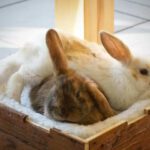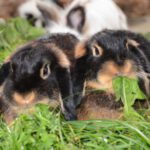

Rabbits come in many breeds and colors; however, some of these breeds are classified as harmful breeding under Section 11 of the Animal Welfare Act. Over decades, rabbits have been selectively bred in various ways. In some cases, this has led to deformities of body parts or a predisposition to diseases, resulting in suffering, pain, or a reduced quality of life for the animals.
The healthiest rabbits are those that resemble the wild rabbit.
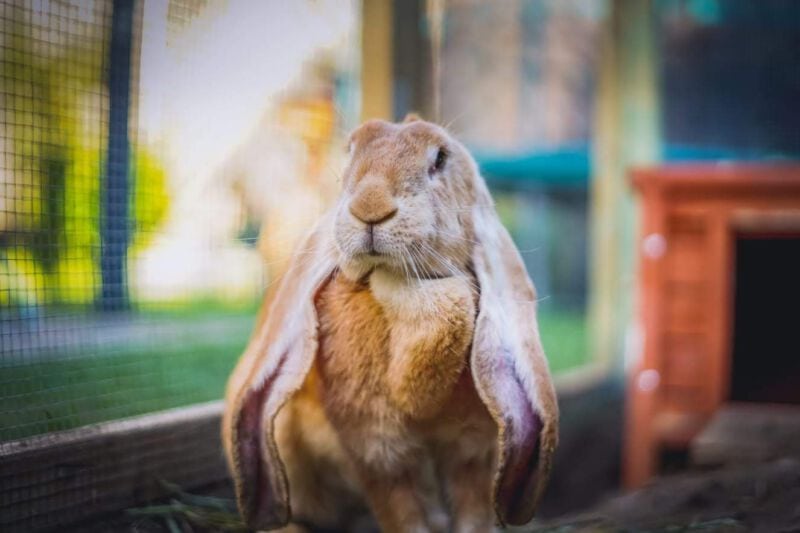
The following animals are considered the result of harmful breeding:
Section 11b German Animal Welfare Act (Tierschutzgesetz, Germany)
It is prohibited to breed vertebrate animals […] if it must be expected that, in the offspring […] or their descendants, hereditary factors will result in body parts or organs being absent, unfit, or deformed for normal use, and that this will cause pain, suffering, or harm.
It is prohibited to breed vertebrate animals […] if it must be expected that, in the offspring:
a) hereditary behavioral disorders associated with suffering will occur, or
b) any species-appropriate contact with conspecifics will cause pain or avoidable suffering or harm to them or another animal, or
c) they can only be kept under conditions that lead to pain or avoidable suffering or harm.
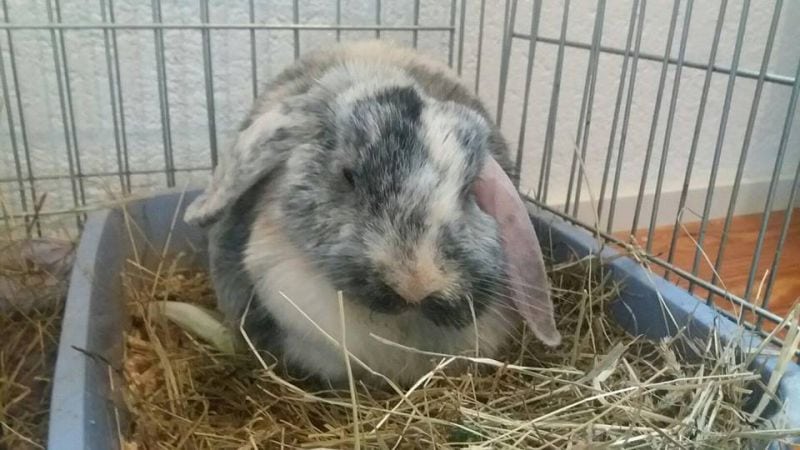
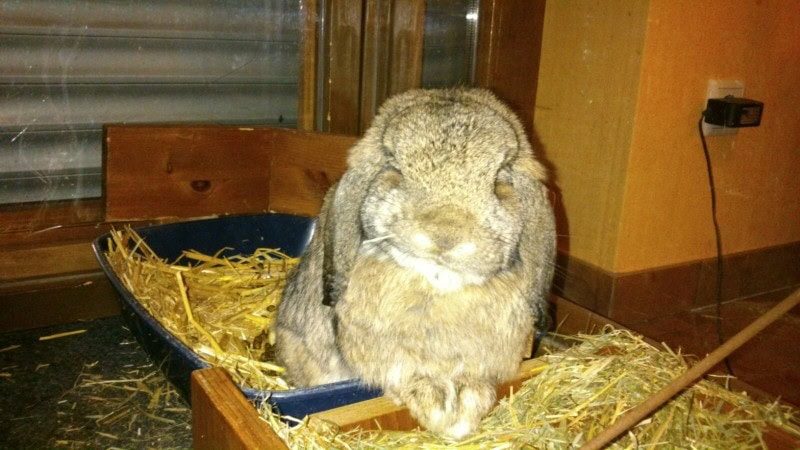
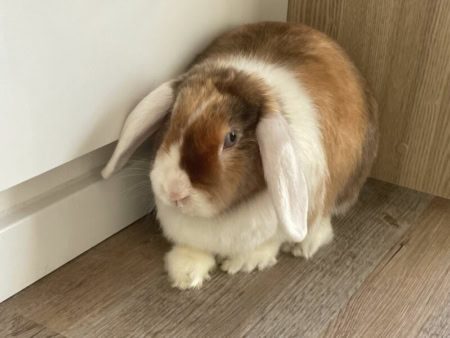
Lop-Eared Rabbits (Drooping Ears)
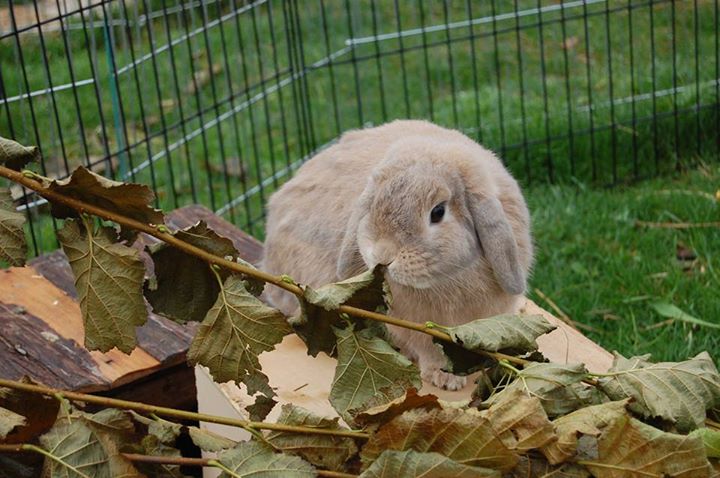
Injuries caused by dominance fights:
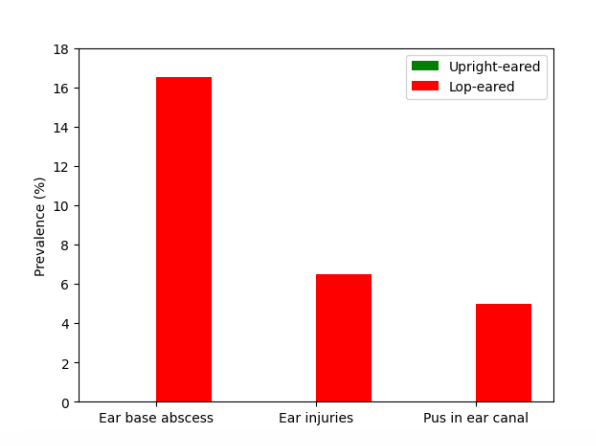
Rabbits with upright ears lay their ears flat against their neck during fights, which protects them and makes injuries extremely rare. In lop-eared rabbits, however, the ears often get caught in the conflict, frequently resulting in severe wounds. Many animals require veterinary treatment as a result. In some cases, partial or complete amputation of the ear is even necessary. In a recent study, more than 16% of lop-eared rabbits had ear injuries, while not a single rabbit with upright ears was affected.
Injuries in English Lop rabbits:
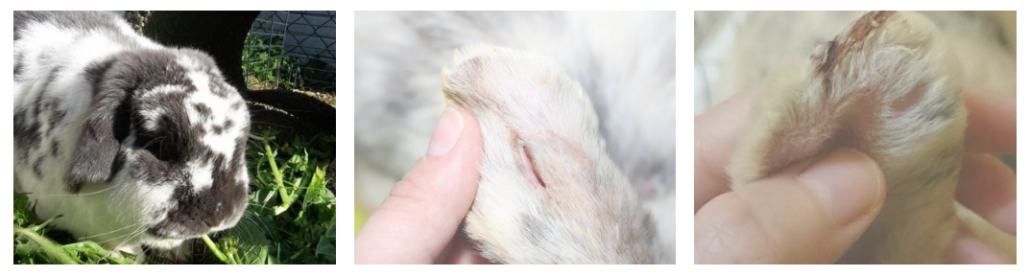
Particularly severe injuries occur in English Lop rabbits, as their ears drag along the ground during normal movement. They often step on their own ears or trip over them, which can lead to serious injuries. These wounds can become severely inflamed due to constant contamination with dirt (as the ears drag on the ground). In some cases, amputation of the ears is required. In addition, the ears can become wet from snow, rain, or water bowls, which may lead to severe frostbite in cold conditions.
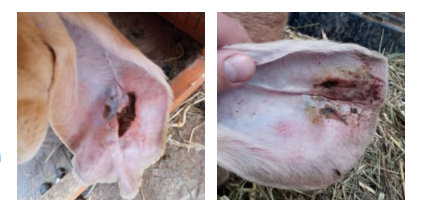
They must be classified as an extreme case of harmful breeding, as they not only suffer from the general issues affecting lop-eared rabbits but are also at risk of serious ear injuries during normal movement. The more natural and species-appropriate their living conditions, the higher the risk of injury.
Impaired thermoregulation: Increased heat loss due to enlarged ears.
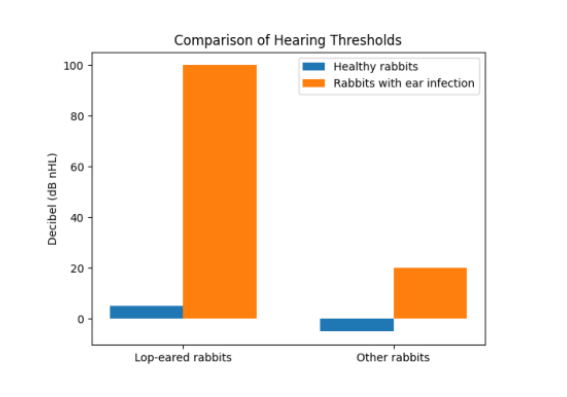
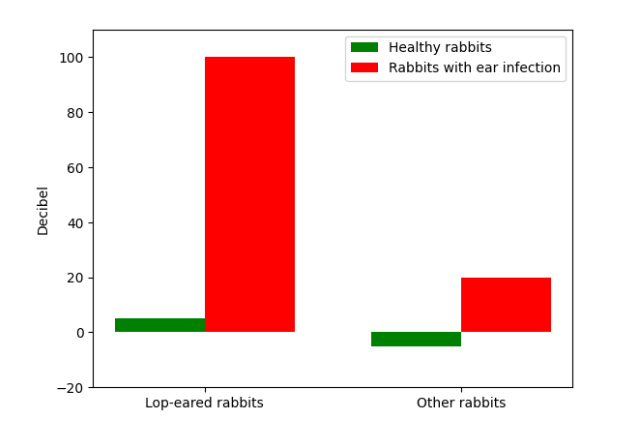
Hearing impairment:
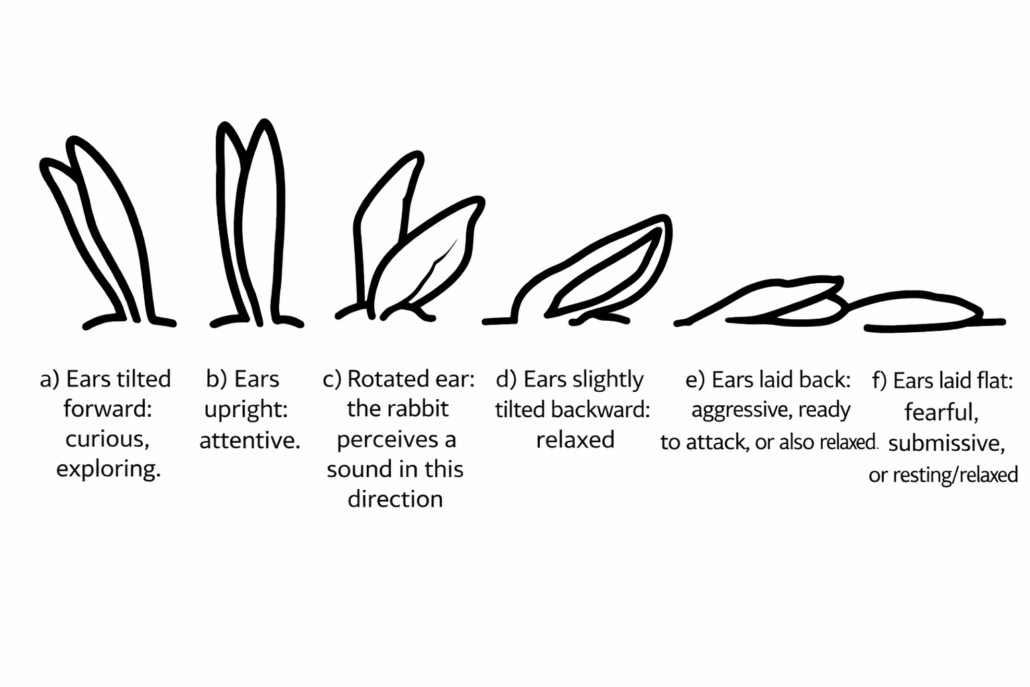
Reduced communication:
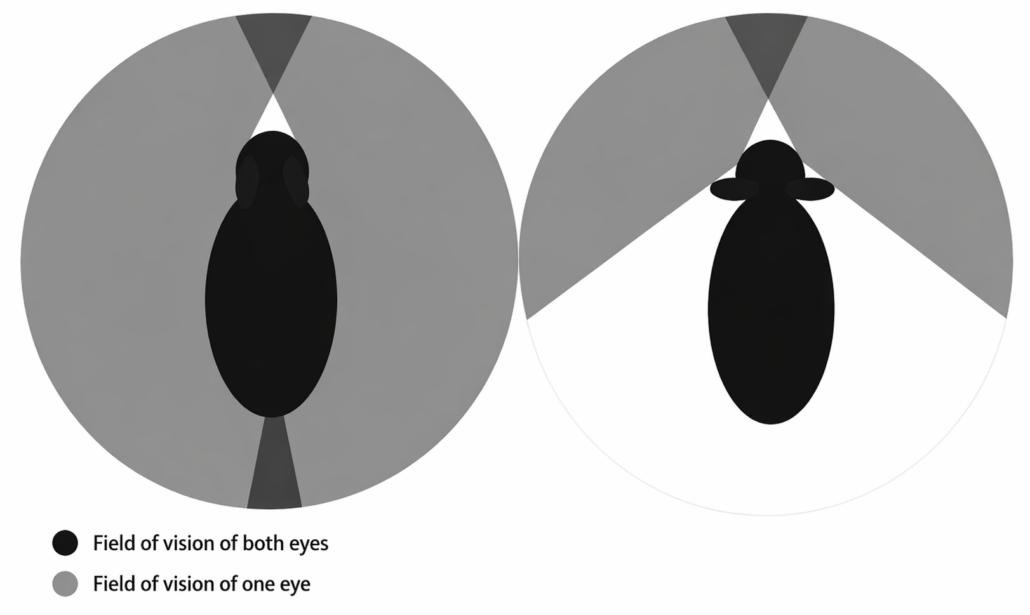
Restricted field of vision compared to rabbits with upright ears:
Dental diseases
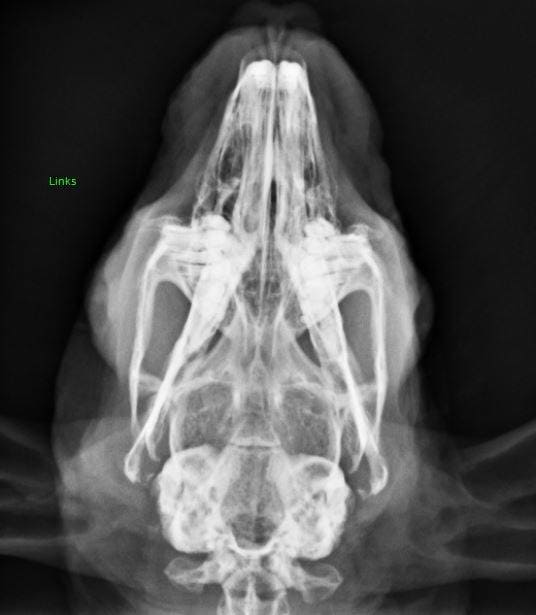
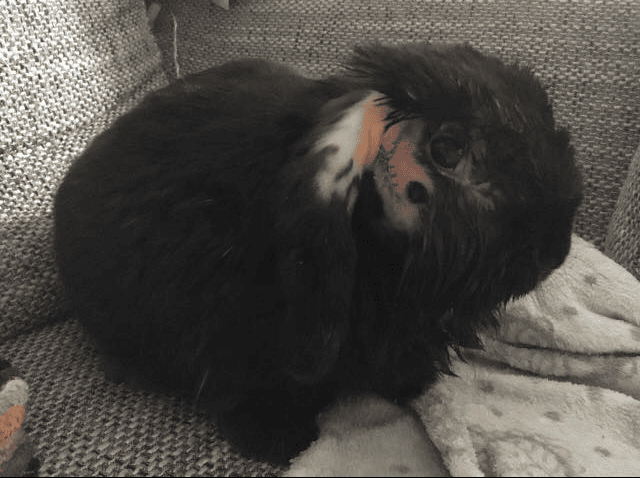
Lop-eared rabbits have a fivefold higher risk of dental disease due to their often shortened skull shape. This causes the chewing muscles to attach at a steeper angle, increasing pressure on the growth zones of the teeth.
In addition, ear pain plays a role: in rabbits, the ears are located very close to the jaw joint, and chewing can be painful when they suffer from ear infections.
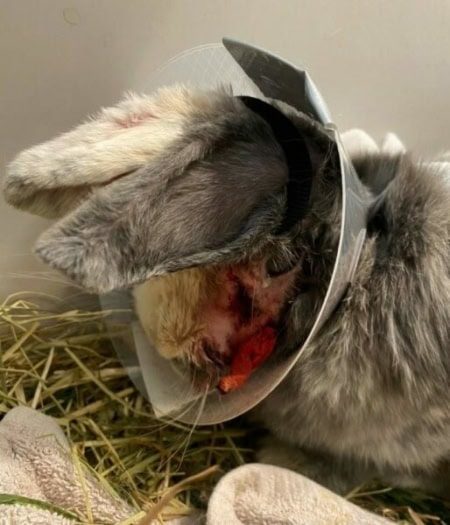
Dwarf lop rabbit after dental surgery – such suffering is avoidable through responsible breeding!
Ear infections
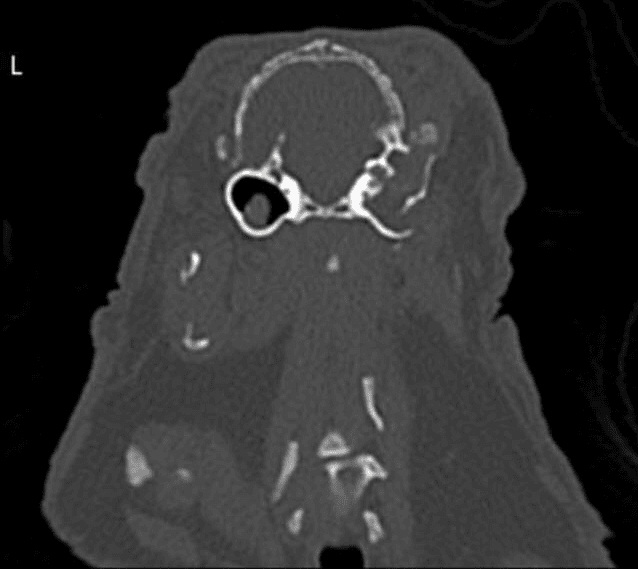
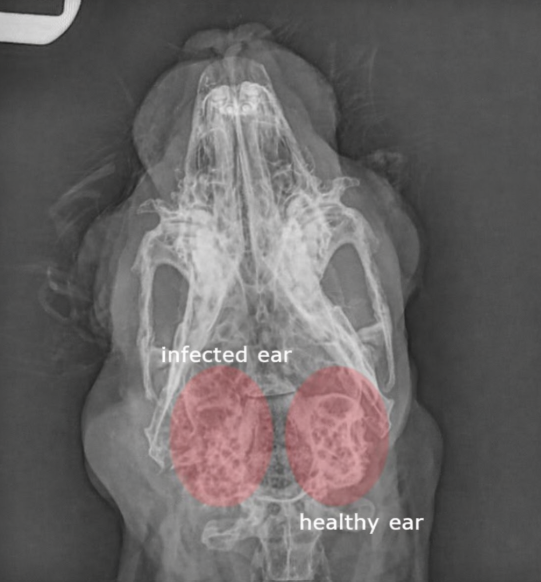
Inflammation occurs in up to 80% of lop-eared rabbits. Due to their altered ear anatomy, the drooping ears cause a kink in the ear canal. This prevents normal drainage of secretions, leading to chronic infections in the lower part of the canal, often hidden behind the characteristic fold.
These infections can spread through the eardrum and lead to inflammation of the middle ear and even the inner ear.
Findings from recent studies:
- More than 16% of all lop-eared rabbits have abscesses at the base of the ear (while not a single upright-eared rabbit does).
- In 87% of lop-eared rabbits, pus was macroscopically detectable in the ear canal, whereas none was found in rabbits of other breeds.
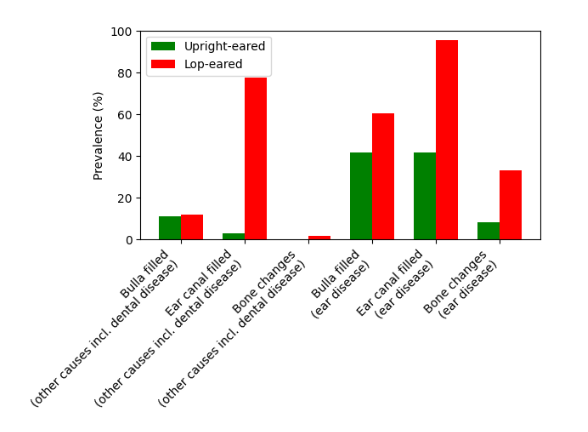
- In nearly 8 out of 10 lop-eared rabbits that were not presented for ear infections, the ear canal was still filled—compared to only 0.3 out of 10 upright-eared rabbits.
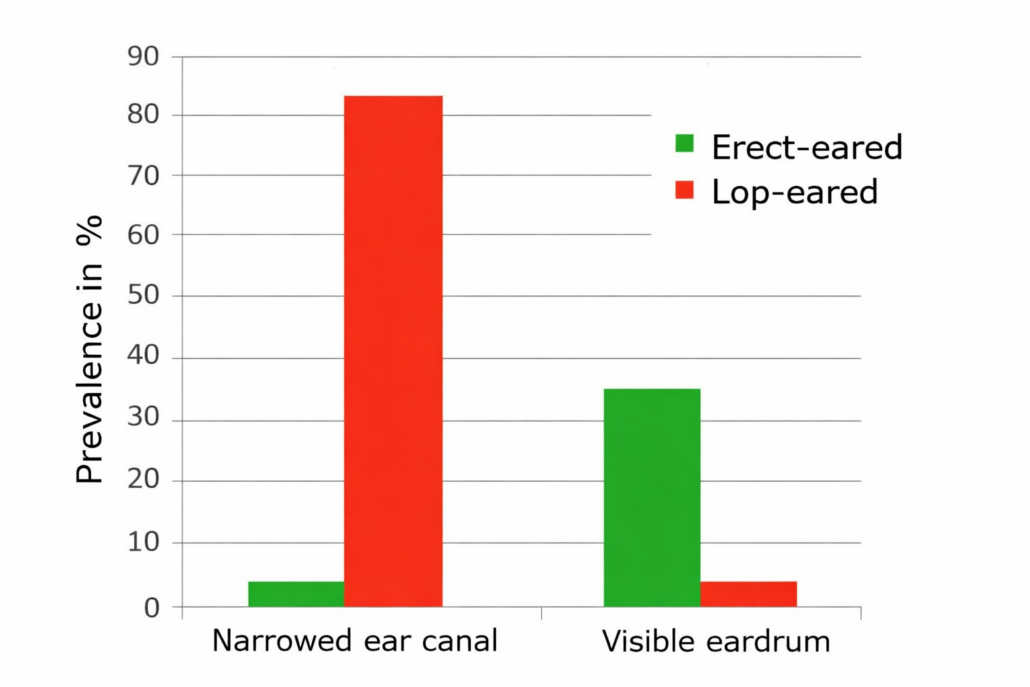
- More than 80% of lop-eared rabbits have a severely narrowed ear canal. In almost none of them was the eardrum visible in the study (compared to 35% in upright-eared rabbits).
- Bacteria were detected in 88% of lop-eared rabbit ears (in all cases cocci, sometimes also rods).
- Neutrophils were found in 58% of lop-eared rabbit ears (compared to only 3% in upright-eared rabbits). Lymphocytes were present in 33% of ears (0% in upright-eared rabbits). Additionally, 5% of lop-eared rabbits had erythrocytes in the ear (0% in other breeds).
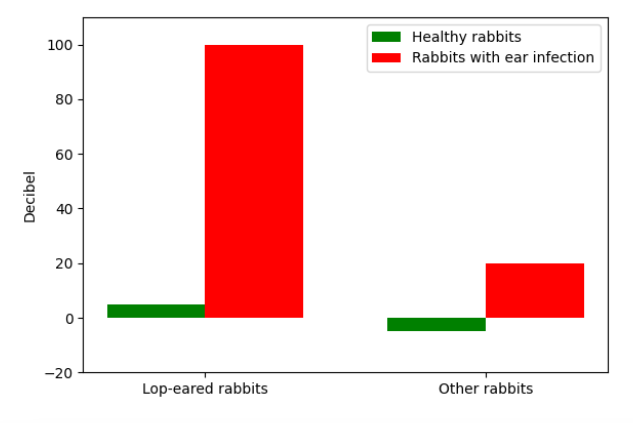
- However, only 7% of lop-eared rabbits showed a pain response when their ears were palpated.
More information on harmful breeding in lop-eared rabbits
Particularly due to the severe and often long-lasting pain many lop-eared rabbits suffer from chronic ear infections, the lop-eared rabbit must be classified as a result of harmful breeding.
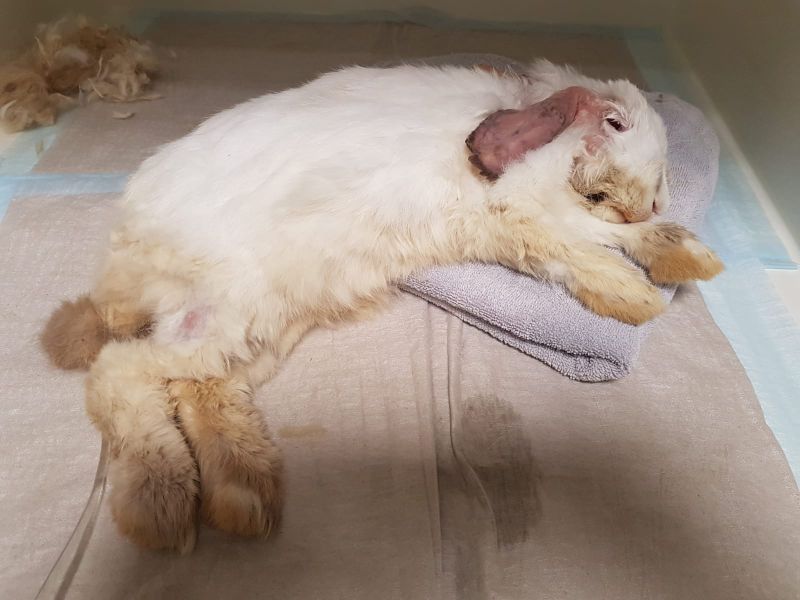
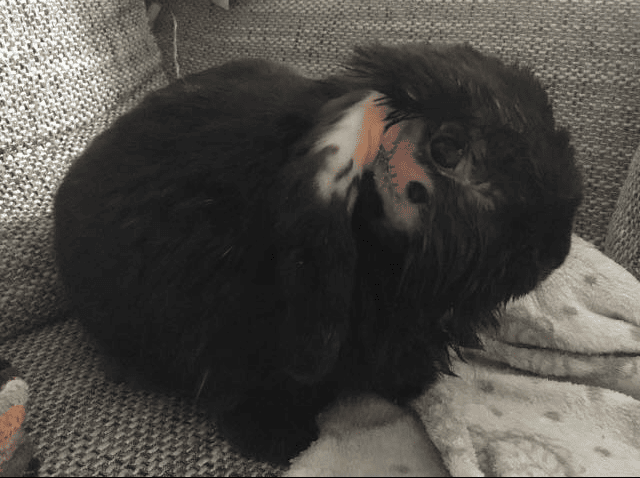
Dwarfism: dwarf breeds under 1.5 kg (e.g. Hermelin, Netherland Dwarf)
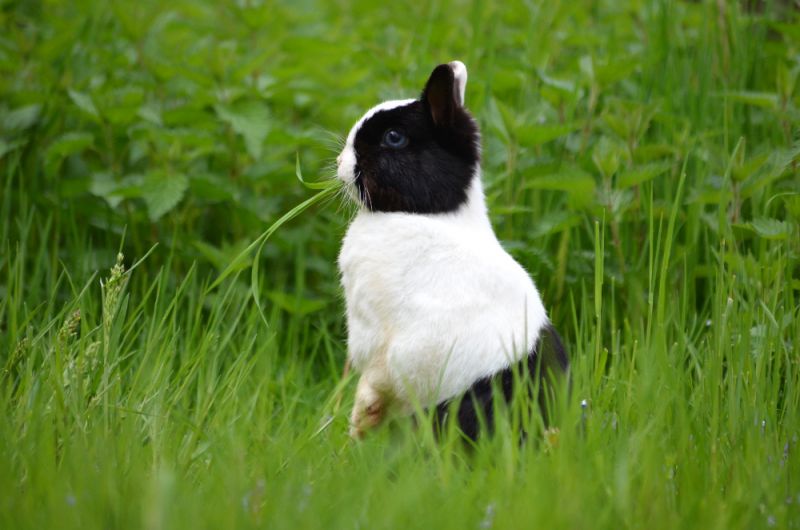
Lethal factor in homozygosity:
In some rabbit breeds, the lethal factor is deliberately bred because it affects the animals’ appearance (phenotype). For example, it is responsible for dwarfism in dwarf rabbits. If two rabbits that carry this factor are bred together (e.g. two dwarf rabbits), it can occur in a homozygous form in the offspring. This homozygous lethal factor leads to death in all affected animals. A semi-lethal factor results in death in less than 100% of cases; surviving animals are moderately to severely impaired.
Strictly speaking, purebred dwarf rabbits do not exist, because animals that are completely homozygous (DwDw) either die or are not viable/reproductive (lethal factor). This is due to the genetic linkage between the gene responsible for dwarfism and the lethal factor. Normal dwarf rabbits are therefore heterozygous (Dwdw).
Breeding two rabbits that both carry the lethal factor genetically is prohibited in Germany (see expert report on Section 11 of the Animal Welfare Act – harmful breeding).
Affected rabbits are called “peanuts” in English-speaking countries and “Kümmerlinge” in German. They are born significantly smaller than their littermates and fail to gain weight. Most die within a few days. Surviving rabbits with the dwarf factor often develop problems during weaning or when transitioning to solid food.
Very small heterozygous dwarfs:
These animals are prone to intervertebral disc disease, hydrocephalus, open cranial sutures, respiratory disorders, skeletal and joint deformities, and difficult births.
Short-headed dwarf rabbits (round head):
The short, rounded skull shape can lead to dental diseases and disorders of the nasolacrimal duct (watery or purulent eyes). More information on brachycephaly.
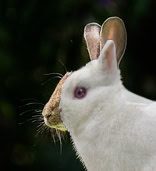
Short-headed rabbits are prone to breed-specific diseases.
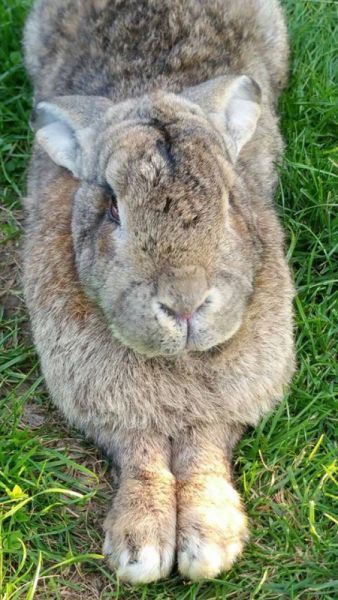
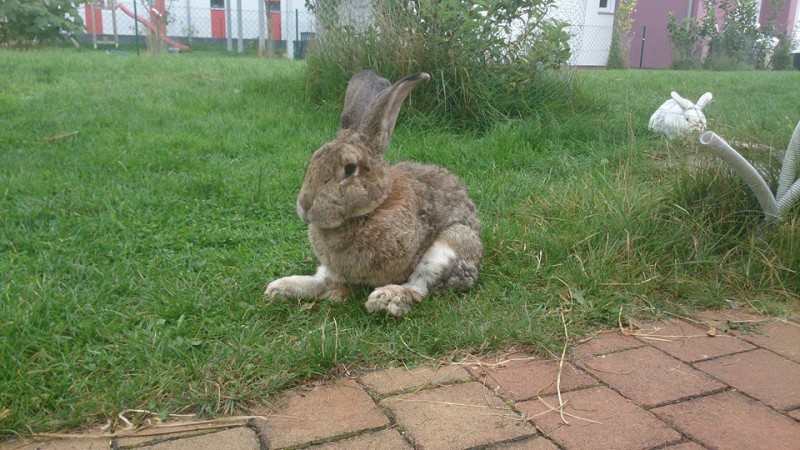
Large breeds (from approx. 7 kg)
Some lines are unfortunately more frequently affected by diseases, particularly because they are slaughtered at an early age. As a result, health issues often go unnoticed and continue to be passed on through breeding. These lines should not be bred further.
Sore hocks (pododermatitis):
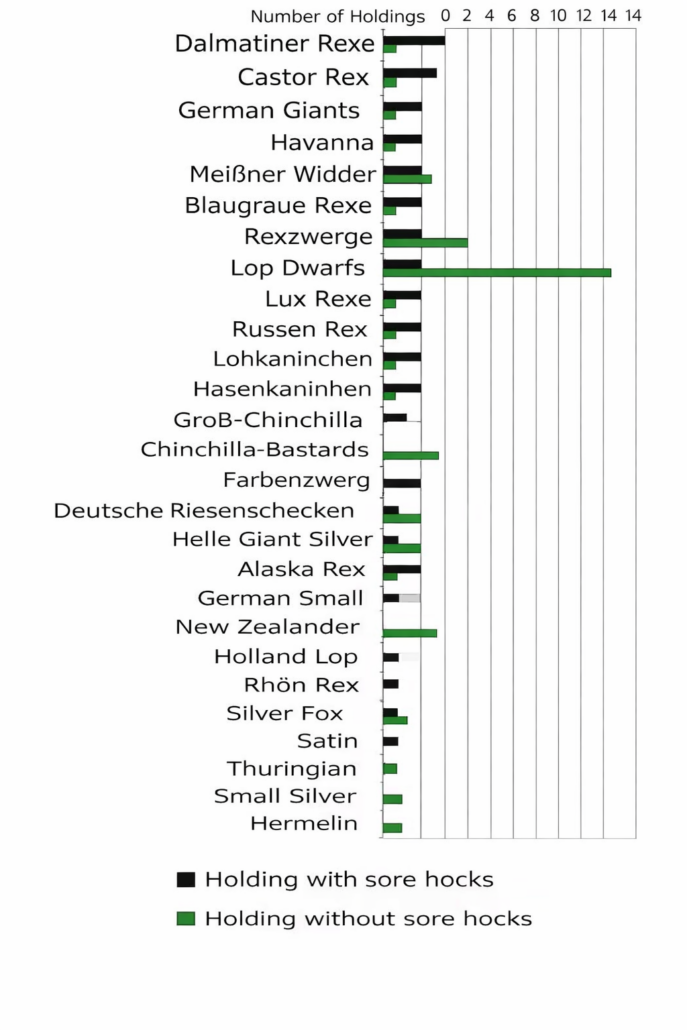
Additional health issues due to large size: circulatory disorders, heart disease, and joint and skeletal problems (osteoarthritis, arthritis, spondylosis, etc.).
Spotted rabbits (broken pattern)
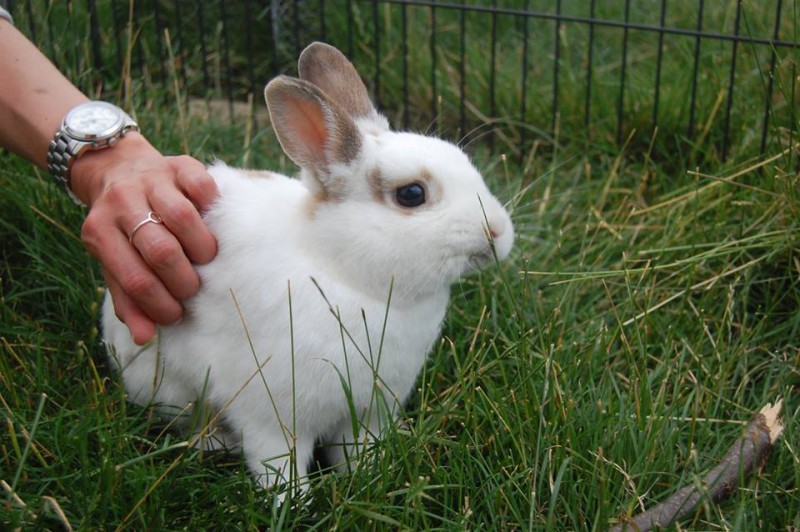
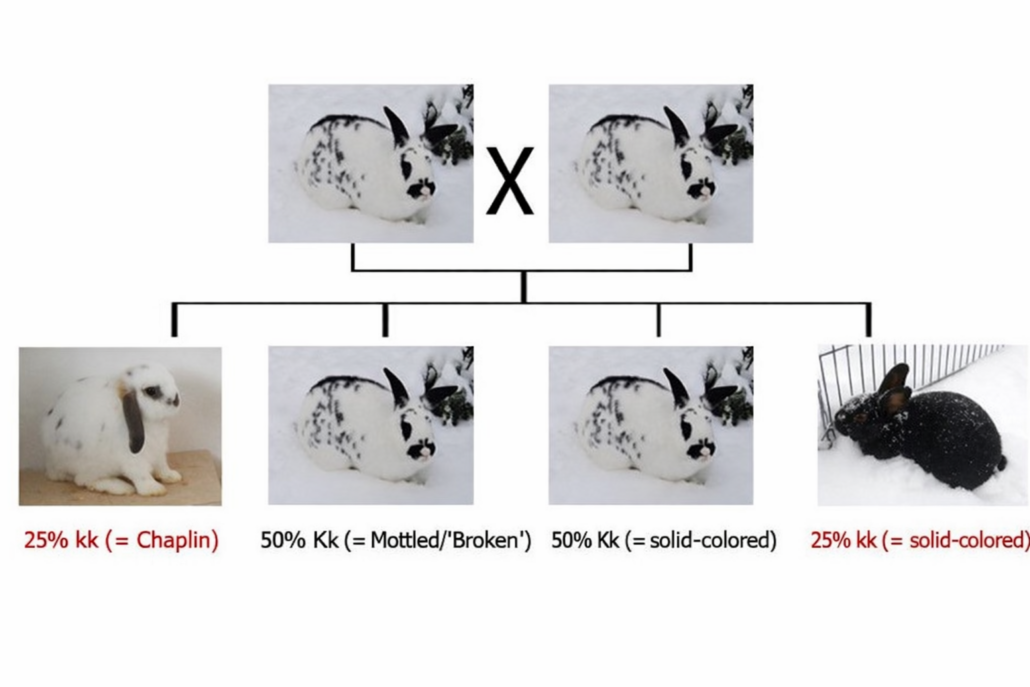
In homozygous breeding, there is increased mortality, runts (especially among young animals), megacolon (digestive disorders), and changes in the adrenal cortex leading to chronic stress.
Heterozygous spotted rabbits are not affected; responsible breeders pair spotted rabbits in a heterozygous manner (see link).
Inheritance of megacolon syndrome / development of runts
Megacolon syndrome (digestive disorders associated with the broken pattern)
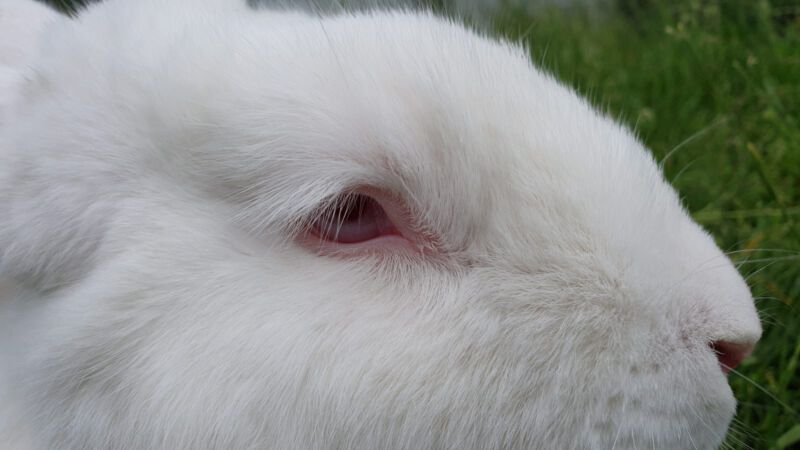
White rabbits with red eyes (albino rabbits)
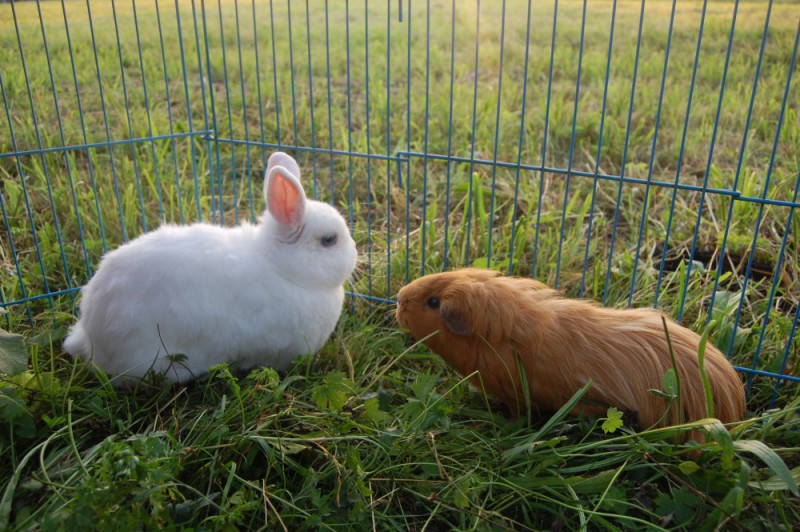
White rabbits with red eyes are called albinos. They lack melanin, which leads to various health issues.
Visual impairment:
Albino rabbits are severely visually impaired, and this occurs on multiple levels. Their visual acuity is significantly reduced, so they perceive everything as blurred. In addition, they are often nearsighted or farsighted. Focusing (e.g. on near or distant objects) does not work as well as in rabbits with pigmented eyes. They also have a much poorer ability to distinguish contrasts between light and dark.
Furthermore, their depth perception is often limited or absent. Some individuals develop scanning behavior (moving the head from side to side) or show eye tremors (nystagmus).
Light sensitivity:
Albino rabbits are much more sensitive to light and should therefore mainly be kept in shaded areas. Because their bodies produce little to no melanin, the eyes lack sufficient pigmentation. A pronounced sensitivity to light (photophobia) is typical. While other rabbits may prefer being outside in summer, albino rabbits often retreat to shelters or darker areas. When they do go outside, they tend to move from one shaded spot to another and keep their eyes partially closed.
Skin problems:
They are also prone to sunburn and other skin conditions.
Long-haired rabbits (Angora, some Teddy types, etc.)
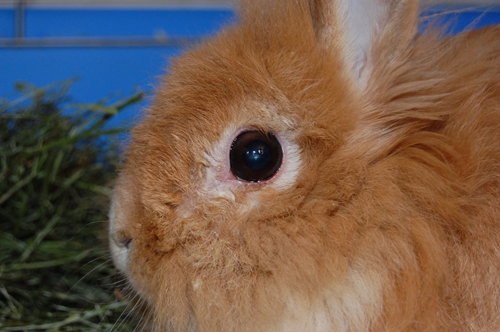
Reduced heat tolerance, gastrointestinal problems (hairballs), a strong tendency to matting leading to restricted movement, soiling of the anal region due to feces and urine becoming trapped in the fur (often resulting in flystrike), lack of guard hairs as protection against weather, as well as eye irritation from fur and a restricted field of vision.
The extreme tendency for matting (sometimes down to the skin) severely restricts movement and is a major welfare issue, especially since rabbits generally do not tolerate being restrained and groomed daily. Even daily brushing is often insufficient for many Angora rabbits and some Teddy types. These animals must be completely sheared every few weeks (see coat care).
Neglected coat care is very common. Such rabbits often have severely impaired vision (fur covering the eyes), soiling in the anal area, sometimes leading to flystrike and even death, and suffer pain during movement due to tight mats directly on the skin. They are therefore classified as a result of harmful breeding.
Satin rabbits
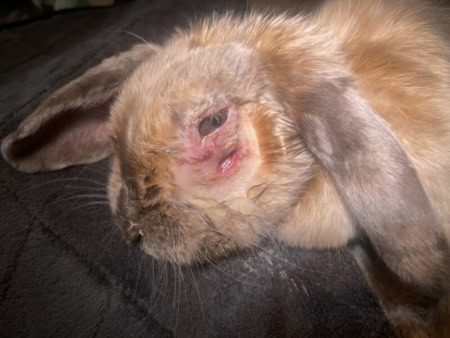
Dental abscess below the eye caused by dental disease in a satin rabbit.
Rabbits with the satin factor show an increased susceptibility to dental disease. The exact cause is not yet fully understood. These rabbits often require ongoing treatment due to severe dental malocclusions, which can also reduce their life expectancy.
Rex rabbits
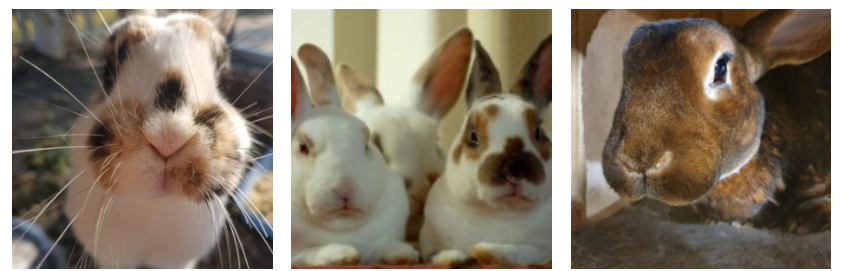
Curled whiskers and sensory hairs:
Rabbits use their whiskers (vibrissae) to orient themselves in their environment. Each rabbit has between 17 and 23 whiskers per side of the body, which are used to perceive their immediate surroundings. In normal-coated rabbits, whiskers measure between three and seven centimeters. In Rex rabbits, however, they are often strongly curled and therefore less functional, and in some cases they are even completely absent.
The absence, curling, or degeneration of whiskers is classified in Germany as harmful breeding (loss of a sensory organ), and such breeding is prohibited.
The Zentralverband Deutscher Rasse-Kaninchenzüchter (ZDRK) included whiskers in the breed standard in 2004 to improve animal welfare.
Comparison of Rex rabbits with normal whiskers (not harmful breeding) and Rex rabbits with curled or missing whiskers (harmful breeding):
Lack of guard hairs as weather protection:
To protect against matting, moisture, dirt, and abrasion, rabbits have guard hairs (awn and guide hairs) covering the undercoat. This outer coat layer can be raised by muscles to improve thermal insulation. In normal-coated rabbits, these guard hairs are about 10–15 mm longer than the undercoat due to their faster growth. Rex rabbits do not have this advantage. Because their outer coat is shortened, it loses its protective function, making them more susceptible to weather conditions and reducing insulation. Rex rabbits can only be kept outdoors if a large part of their enclosure is covered, although the exercise area may be exposed.
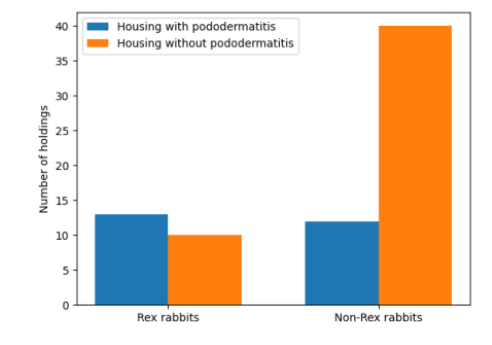
Sore hocks (pododermatitis):
Studies show that Rex rabbits suffer from sore hocks much more frequently due to their different fur structure. Animals with poorly furred feet are particularly at risk. Since 2004, the Zentralverband Deutscher Rasse-Kaninchenzüchter (ZDRK) has implemented measures to improve fur coverage on the feet.
Sources / Further reading (please also refer to the sources in the linked subtopics):
Anonymous (2018): Qualzucht beim Kaninchen – Leiden für die Schönheit? Kugelköpfe, Schlappohren und Lebensschwäche, VetImpulse Nr. 13, 27. Jg.
BMJV (2006): Tierschutzgesetz in der Fassung der Bekanntmachung vom 18. Mai 2006 (BGBl. I S. 1206, 1313), das zuletzt durch Artikel 101 des Gesetzes vom 20. November 2019 (BGBl. I S. 1626) geändert worden ist.
BMVEL (2002): Gutachten zur Auslegung von § 11b des Tierschutzgesetzes (Verbot von Qualzüchtungen) [Stand: 10/2019: www.bmel.de/SharedDocs/Downloads/Tier/Tierschutz/GutachtenLeitlinien/Qualzucht.pdf?__blob=publicationFile]
McLaughlin, A., Tripp, C., Bertram, C. A., Kiupel, M., Thaiwong, T., & Reavill, D. (2021): Cutaneous squamous cell carcinomas in domestic rabbits (Oryctolagus cuniculus): 39 cases (1998-2019). Journal of Exotic Pet Medicine, 39, 38-50.
Reuschel, M. (2018): Untersuchungen zur Bildgebung des Kaninchenohres mit besonderer Berücksichtigung der Diagnostik einer Otitis bei unterschiedlichen Kaninchenrassen.
Rückert, R. (2015): Zwei kurze Anmerkungen für Kaninchenfreunde. [Stand: 10/2019: https://www.tierarzt-rueckert.de/blog/details.php?Kunde=1489&Modul=3&ID=19092]
Schneider, B., & Döring, D. (2017): Verhaltensberatung bei kleinen Heimtieren: Haltung, Normalverhalten und Behandlung von Verhaltensproblemen. Schattauer Verlag.