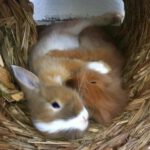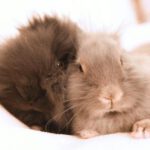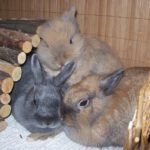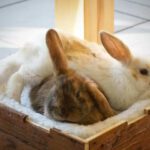

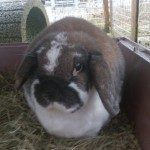
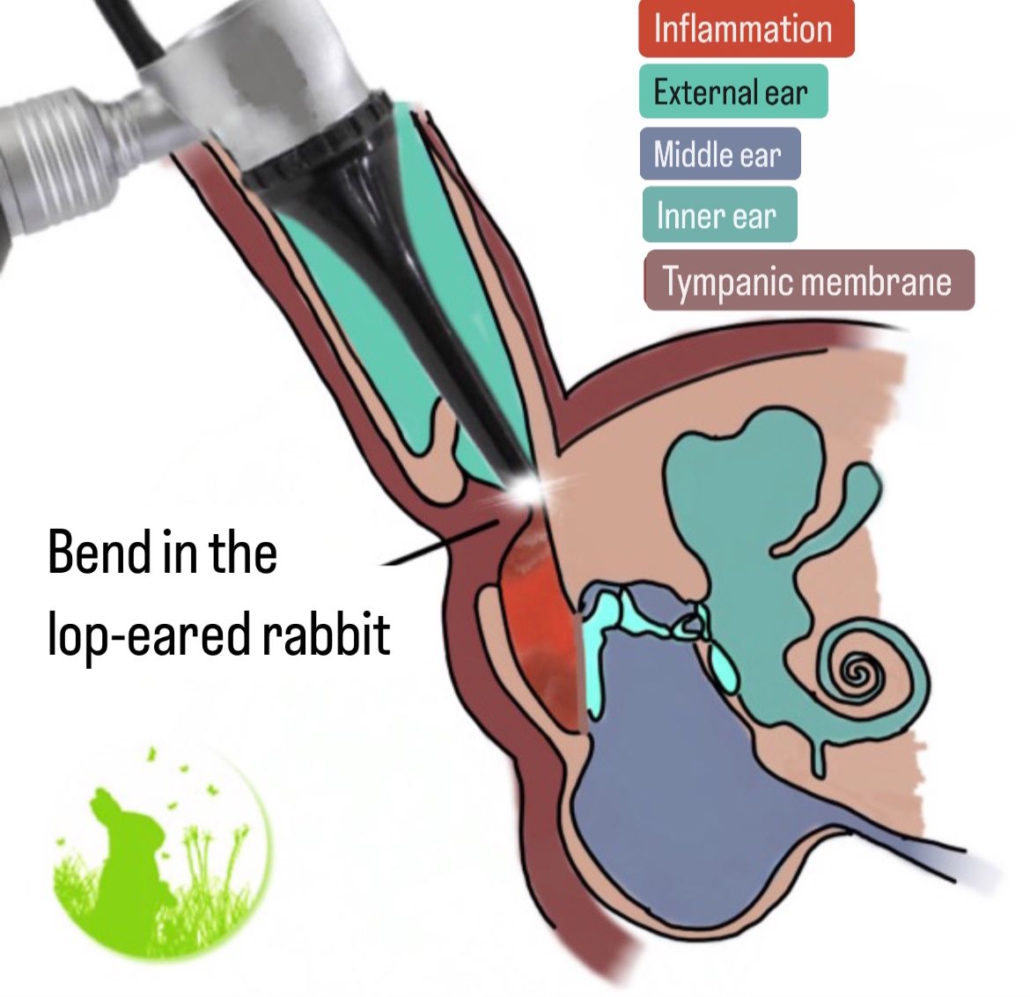
Rabbits with floppy ears are very popular as pets, but unfortunately, this breeding is not species-appropriate. Thanks to modern medical methods, it is now known that most lop-eared rabbits suffer from their drooping ears. Lop rabbits have a bent ear canal due to their anatomical ear shape. This can be compared to a tube that has been bent. As a result, sound waves are barely transmitted. Additionally, secretions can no longer be properly cleared from the ear canal, leading to blocked ear canals and creating an ideal environment for bacteria and fungi, which can cause ear infections.
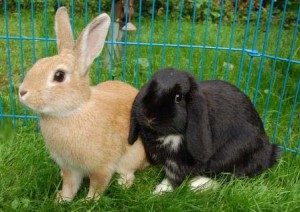
Limited Body Language
A large part of body language in rabbits is expressed through their ears. For example, aggressive rabbits lay their ears flat back, curious rabbits tilt them slightly forward, and relaxed rabbits position them against their necks. Lop rabbits, however, have very limited ear movement, which can lead to communication problems within a group.
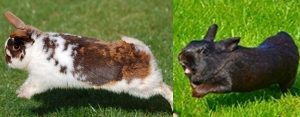
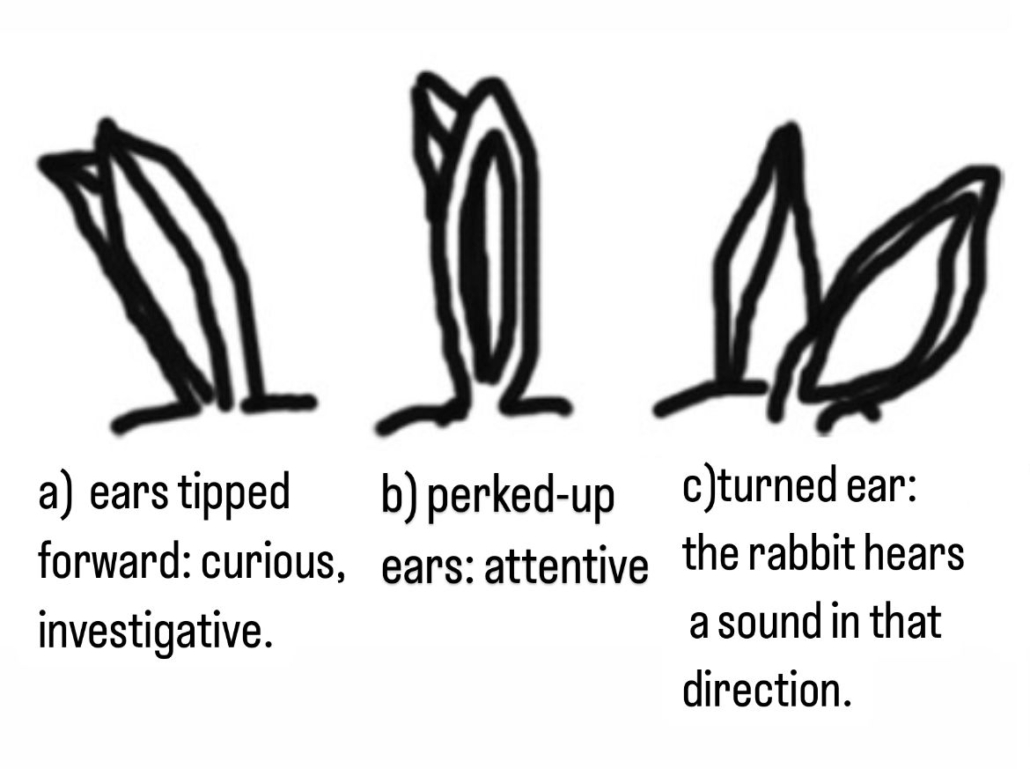
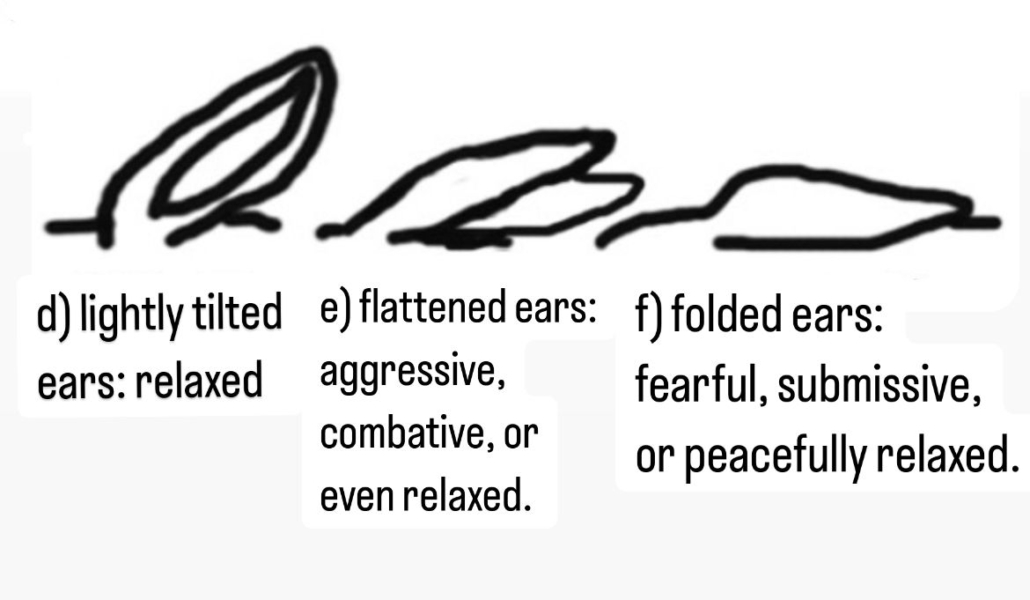
The position of the ears is a major part of body language. Lop-eared rabbits are limited in their ability to express themselves and are less understood by their peers.
Hearing Loss
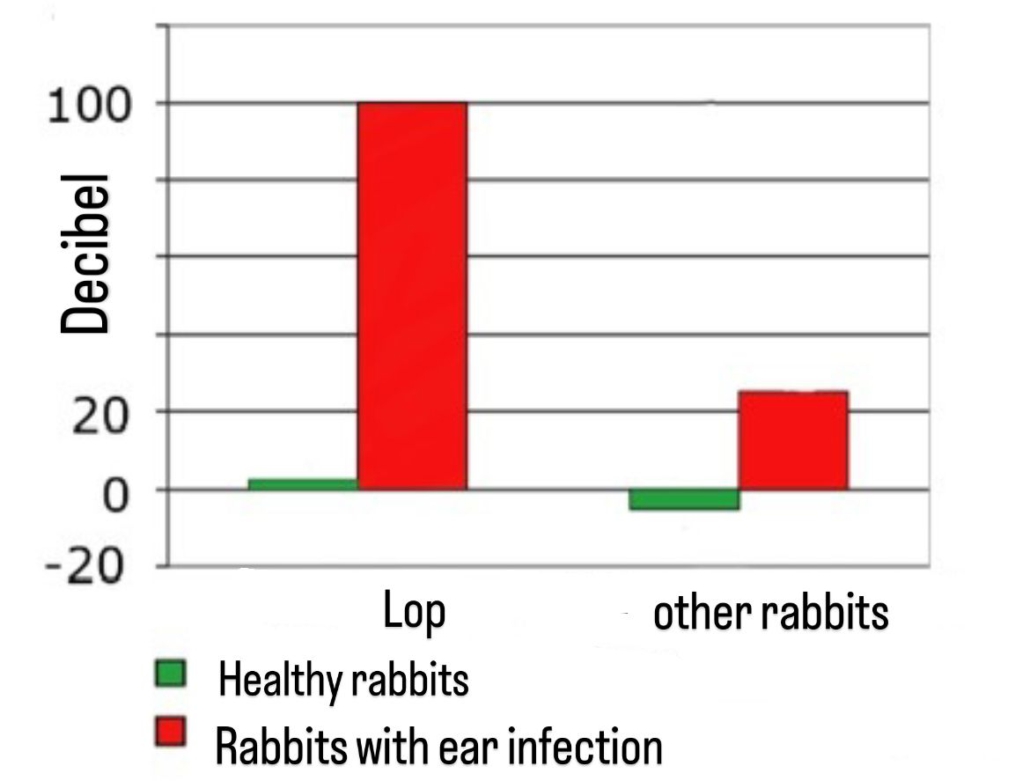
Lop-eared rabbits hear much worse than their upright-eared counterparts due to the shape of their ears. Studies show that their hearing threshold is measurably higher. While rabbits with erect ears have excellent hearing, lop rabbits have such poor hearing that even humans can hear better. It’s similar to when we stick a finger in our ears. Since the ears droop from a young age, they live with hearing impairment. Due to frequent ear infections, many lop rabbits become completely deaf. They can only perceive very loud sounds, such as a circular saw or loud music from speakers right next to them.
Risk of Injury in Fights
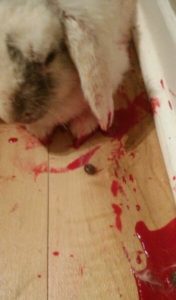
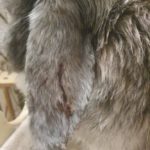
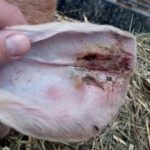
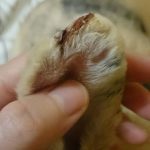
Dominance struggles are part of natural rabbit behavior. When unfamiliar rabbits meet, a young rabbit reaches puberty, or the social hierarchy changes, scuffles occur to establish the new ranking. Rabbits with upright ears can protect their ears by folding them back during fights, which keeps them safe and makes injuries extremely rare. However, lop ears are often caught in the conflict, leading to frequent, severe wounds. Many of these rabbits require veterinary treatment, and in some cases, they even need partial or full ear amputations. In a recent study, more than 16% of lop-eared rabbits had ear injuries, but not a single rabbit with erect ears suffered from such injuries.


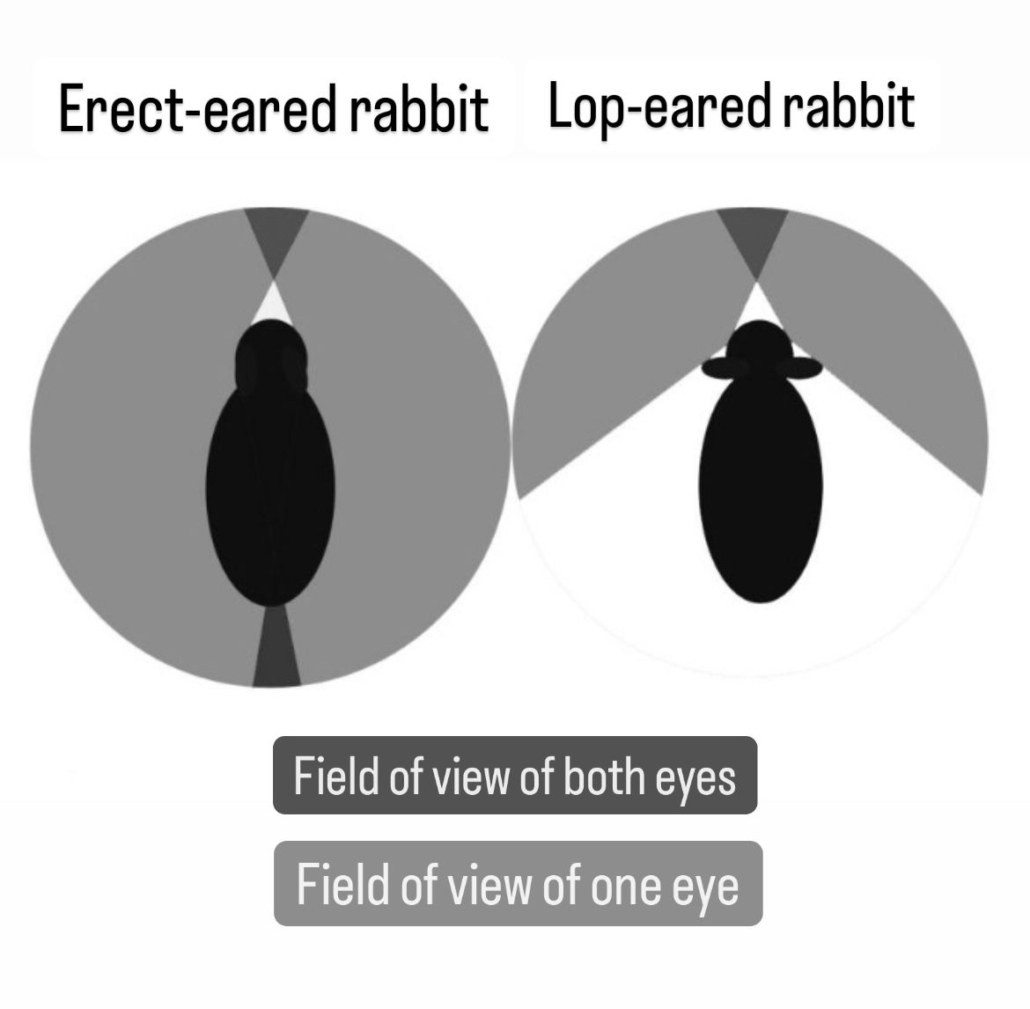
Restricted Field of Vision
Due to their drooping ears, rabbits have a very limited field of vision. Especially on the sides and behind them, lop-eared rabbits cannot see anything. A rabbit with upright ears, on the other hand, has a full view of its surroundings.
Thermoregulation
Rabbits regulate their body temperature primarily through their ears. This process is more difficult for lop-eared rabbits due to the shape of their ears.
Shortened Heads
Among lop rabbits, many have round faces with flat snouts. These rabbits are particularly predisposed to dental issues and problems with the tear duct system (nasal and eye discharge, often mistaken for “cold”).
Facts from Recent Studies:
Rabbits with floppy ears were found to have about 23 times higher likelihood of incisor dental disease compared to rabbits with upright ears.
They also had approximately 12 times higher chances of having overgrown molars and a 13 times higher likelihood of having tooth spurs on their molars than rabbits with erect ears.
More than half of the lop-eared rabbits had dental abnormalities (while no rabbit with upright ears showed any).
Predisposition to Ear Infections
Studies show that lop-eared rabbits have a predisposition to outer and middle ear infections (outer ear infections can spread to the middle ear). A significant number of lop rabbits develop ear infections during their lifetime. Lop rabbits have a different ear anatomy compared to upright-eared rabbits: their ear cartilage is interrupted, causing the ears to droop (this results in a bend in the ear canal, which impedes or prevents the removal of earwax, promoting ear infections). Furthermore, studies show that their ear canal is significantly narrower than that of upright-eared rabbits (the ratio of the diameter in front of the eardrum to the diameter in the ear canal shows a significantly smaller diameter in lop-eared rabbits), which also contributes to ear infections.
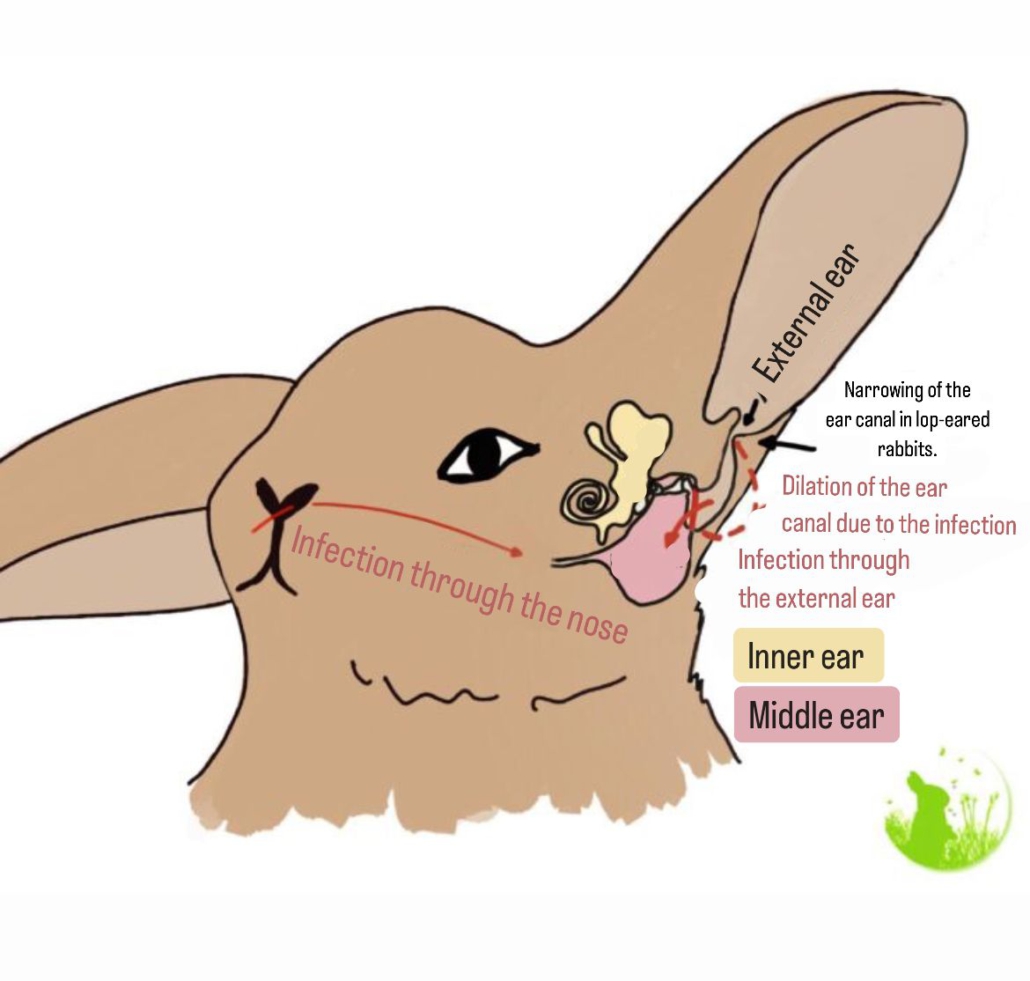
The drooping ear flap causes poor ventilation of the ear canal and impairs the removal of earwax. This creates an ideal environment for infections. Due to chronic inflammation, many rabbits suffer from severe pain. Most ear infections are not visible from the outside, and many lop rabbits suffer from chronic inflammation processes in their ears throughout their lives. Many animals experience secondary conditions and weakened immune systems. Treatment is difficult, time-consuming, and costly. Once an ear infection occurs, it often can only be resolved through surgery on the ear canal, sometimes involving the opening of the middle ear.
Facts from Recent Studies:
- More than 16% of lop-eared rabbits have abscesses at the ear base (but not a single upright-eared rabbit).
- 87% of lop-eared rabbits had visible pus in the ear canal, but none of the other breeds showed this.
- Almost 8 out of 10 lop-eared rabbits, who were not brought in due to ear infections, had filled ear canals, but only 0.3 out of 10 upright-eared rabbits had this condition!
- Over 80% of lop-eared rabbits have a severely narrowed ear canal, and in nearly none of them was the eardrum visible in the study (compared to 35% in upright-eared rabbits).
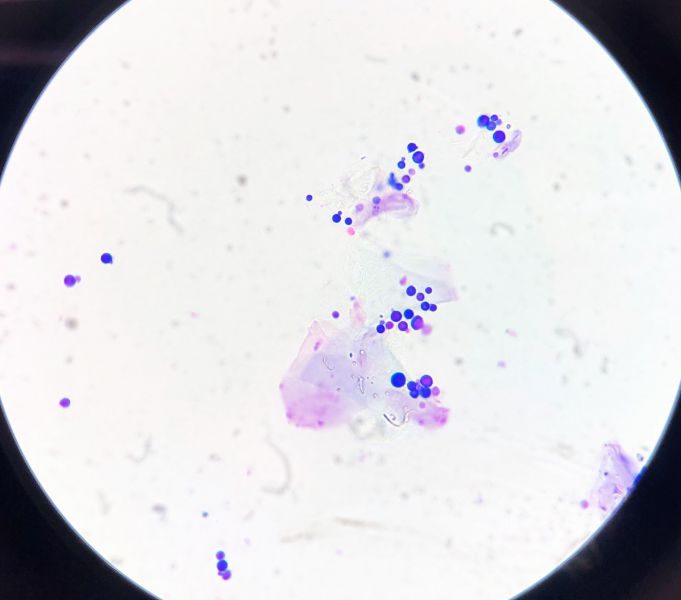
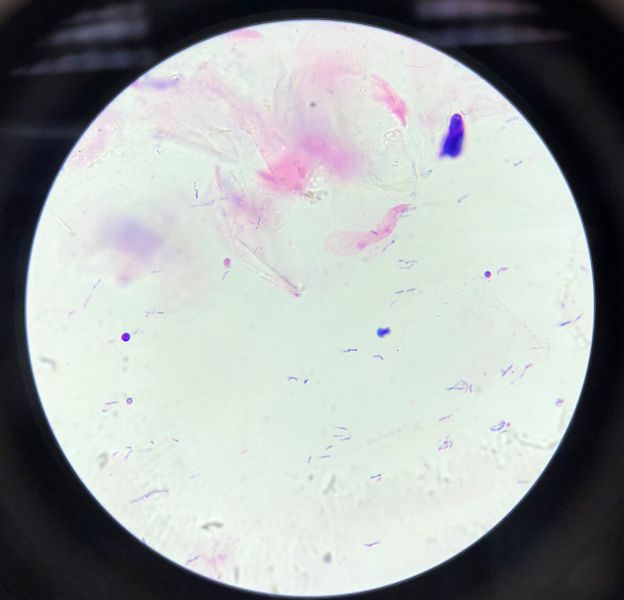
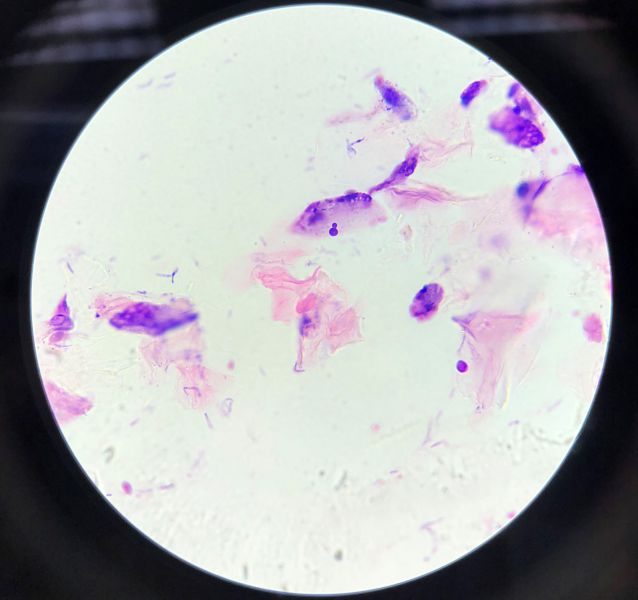
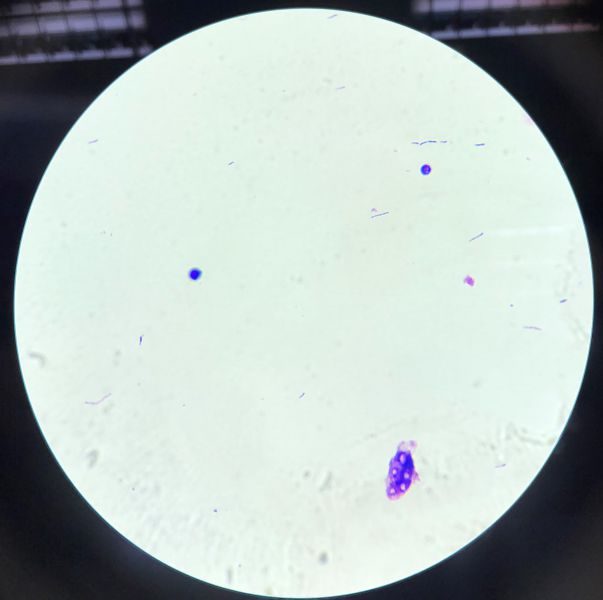
- 88% of lop rabbit ears tested positive for bacteria (in all cases cocci, some also rods).
- Neutrophil granulocytes were found in 58% of lop-eared rabbit ears (and only 3% in upright-eared rabbits).
- Lymphocytes were present in 33% of the lop-eared ears (compared to 0% in upright-eared rabbits).
- Additionally, 5% of lop-eared rabbits had erythrocytes in their ears (0% in other breeds).
- However, only 7% of lop-eared rabbits showed a pain response when their ears were palpated.
But Lop Rabbits Are So Cute…
Lop rabbits are bred with round faces and drooping ears to make them look especially adorable, fulfilling the “baby schema.” Their calm demeanor is often appreciated, but it can be explained by the fact that they hear and see less, limiting their communication and perception. Additionally, many lop rabbits suffer from chronic pain due to undiagnosed ear infections.
Animal Welfare Act § 11b (1)
“It is prohibited to breed vertebrates […] if, as a result of breeding practices, there is reason to believe that the offspring or their descendants will inherit body parts or organs that are missing, unsuitable, or altered in a way that would prevent their proper use, leading to pain, suffering, or damage.”
Ear Infections Remain Invisible!
Ear infections are not obvious in rabbits because they are not detected during a standard general examination and cannot be ruled out just by looking into the ears. Infections deeper inside the ear are often concealed by the bent ear canal and the secretions above it. Middle and inner ear infections are located behind the eardrum, making them invisible from the outside.
How to Diagnose Ear Infections:
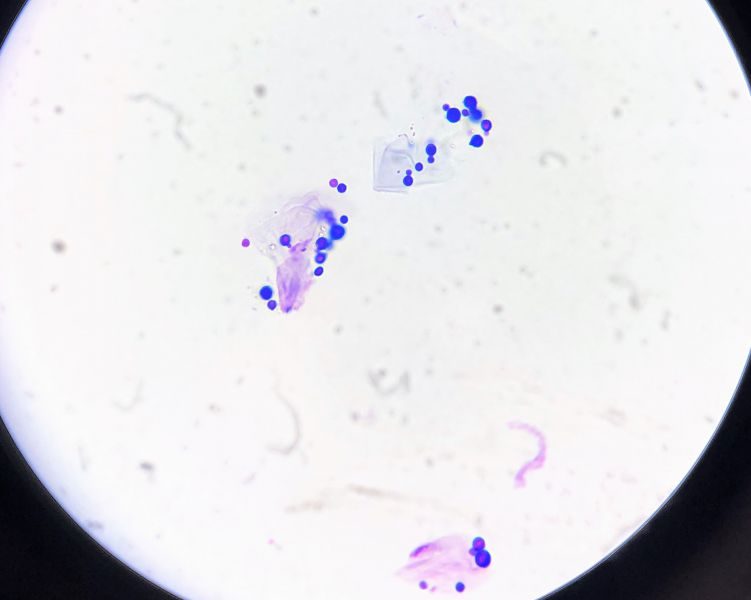
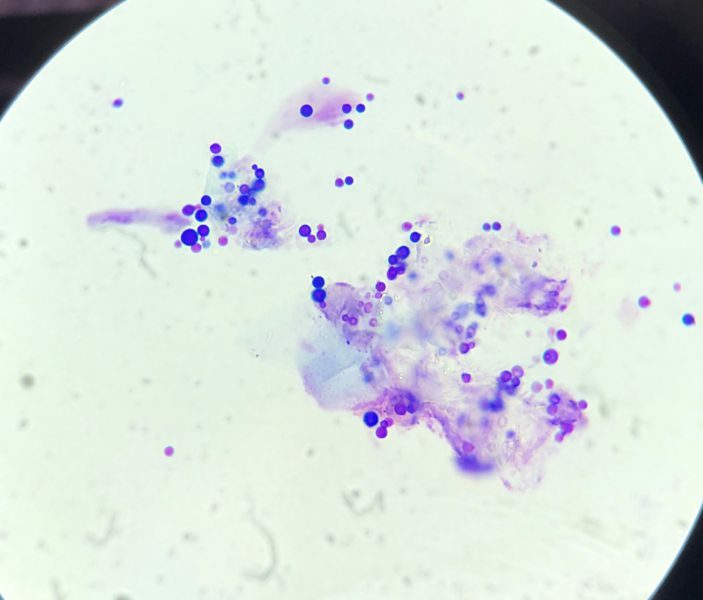
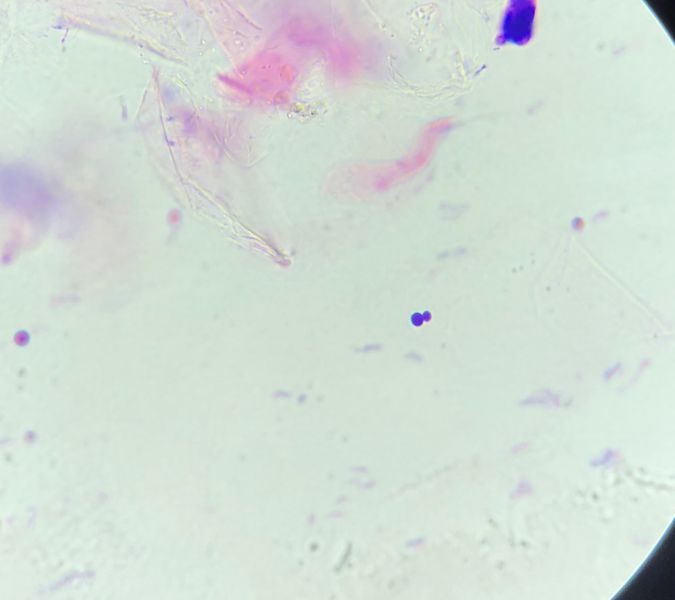
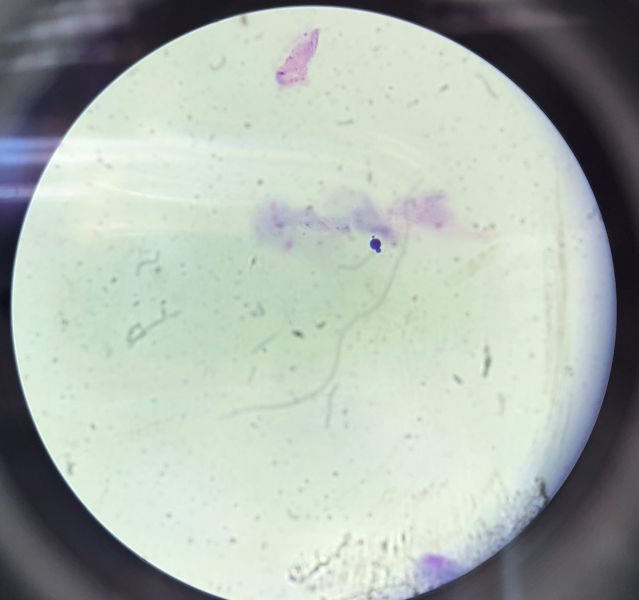
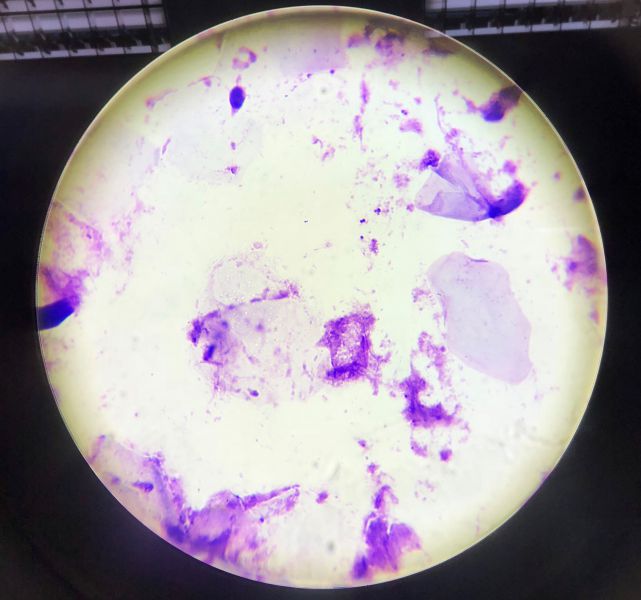
- Microscopic examination of a swab taken from deep within the ear.
- Bacteriological cultivation to check for bacterial colonization.
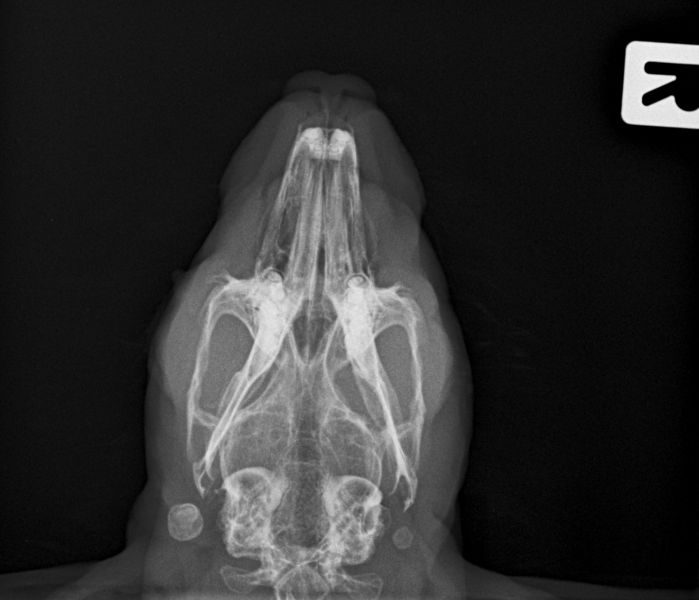
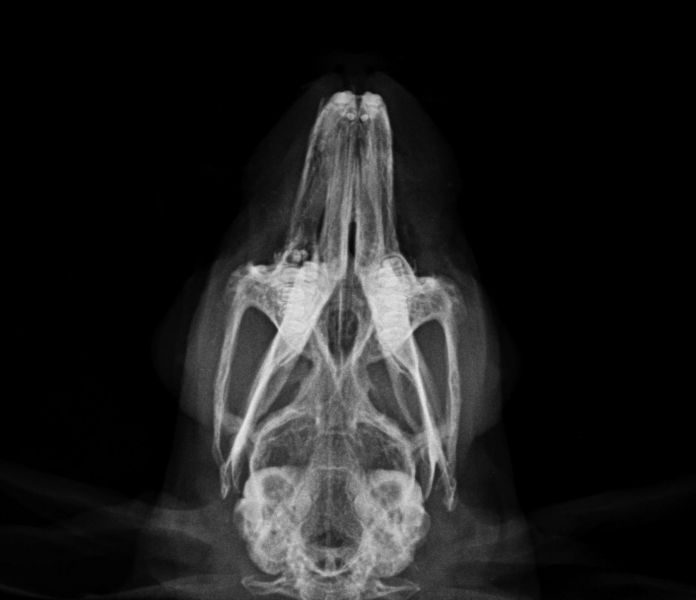
- X-rays or other imaging techniques (MRI, CT) of the head to diagnose middle and inner ear infections.
Most rabbits with ear infections show no symptoms!
Some may only exhibit quieter behavior due to pain or, in rarer cases, become more aggressive (due to discomfort). Most lop-eared rabbits also have very dirty or even blocked ear canals. Small lumps at the base of the ear or reddened and warm ear bases are also possible. In rare cases, rabbits may shake their heads or scratch their ears, and head swinging movements (scanning) or twitching eye movements (nystagmus), as well as a crooked mouth, can be symptoms.
Advanced ear infections can resemble E. cuniculi infections and are often mistaken for this condition (head tilt, balance issues, and circling behavior). Due to the constant chronic inflammation in their bodies, affected rabbits often have a generally weakened immune system, making them more susceptible to other pathogens (such as E. cuniculi, parasites…) and other infections like tooth root abscesses, rabbit snuffles, and more. This, along with their short heads, is the main reason why many lop rabbits suffer from dental issues. The pain often leads to altered chewing behavior, which affects the tooth roots. Recurring digestive problems and refusal to eat are also frequently observed.
Important Preventive Examinations
There are measures that can help detect otitis in its early stages, which are particularly important for lop-eared rabbits:
□ Weekly palpation of the ear base (are there any slight bulges? Is it possibly warm? Is there pain sensitivity? Is there itching?)
□ Twice a year, take a swab from the ear canal for microscopic analysis to assess the status and for early detection of outer ear infections (e.g., during vaccinations).
□ Once a year, take an X-ray (to detect middle and inner ear infections behind the eardrum—only shows severe infections) or even better, a CT scan (this can detect ear infections before they become very severe).
□ Head shaking or ear scratching? Crooked mouth? Scanning? You should be familiar with these symptoms!
Preventing Otitis Through Ear Care
Lop-eared rabbits often suffer from chronic inflammation throughout their lives, and while good care can’t necessarily prevent this inflammation, it can often help avoid it. Recommendations for otitis prevention:
□ Weekly cleaning of the outer ear canal using products that contain Tris-EDTA (and possibly Chlorhexidine):
– Epibac Ear Cleaner: This should not be used on rabbits with a damaged eardrum, so it is only suitable for young rabbits for preventive cleaning—not for middle and inner ear infections or if the eardrum is not intact.
– Vetericyn is very mild and well-tolerated, fighting pathogens in the ear.
– TrizEDTA can be used even if the eardrum is damaged, as it creates a good ear environment and prepares the ear for antibiotics (pH balancing).
– Saline solution or colloidal silver can be used for cleaning, especially if other ear cleaners are not tolerated.
– Ear cleaners that dissolve earwax (e.g., EpiSqualene) are useful for increased earwax production or clogged ears to help remove secretions, or for the first cleaning.
– Do not use Surolan or other corticosteroid-containing ear cleaners/medications on rabbits!
– If the rabbit reacts strongly to an ear cleaner (e.g., changes in the skin of the ear flap or a burning sensation after cleaning), the cleaner should be switched.
– Depending on the amount of earwax, severity, and treatment success, the ear canal should be cleaned more or less frequently with the ear cleaner.
Never use cotton swabs to go deep into the ear! Let the vet show you how to clean the ears properly: The cleaner is applied to the ear, massaged into the base, and worked upwards to be wiped out with a tissue (do not go deep into the ear!). Use a separate ear cleaner for each rabbit to prevent transferring pathogens.
□ Thorough ear cleaning should be done when anesthesia is required or as needed under sedation.
Examples of investigations that reveal invisible ear infections:
Photos: Kindly provided by Dr. Karin Teichmann.
X-rays for detecting middle and inner ear infections:
Ear swabs
Microscopic examination of the ear swab. This allows for the identification of harmful pathogens (bacteria, fungi, etc.), which can then be targeted and treated effectively.
Are Mini Lops Considered Harmful Breeding Under Animal Protection Laws?
Mini Lops are considered a problematic breed under §11 of the Animal Protection Act due to their predisposition to ear diseases, limited field of vision, and reduced hearing. The way their ears are bred can lead to health issues, which is why they are often labeled as a “harmful breeding” in terms of animal welfare.
§ 11b Animal Protection Act Germany
It is prohibited to breed vertebrates […] if it can be expected that the offspring […] or their descendants will have hereditary body parts or organs that are missing, unsuitable, or deformed for their species-appropriate use, leading to pain, suffering, or harm.
It is prohibited to breed vertebrates […] if it can be expected that the offspring will:
a) exhibit hereditary behavioral disorders associated with suffering, or
b) any species-appropriate contact with conspecifics will cause pain, avoidable suffering, or harm to themselves or another individual, or
c) their keeping can only occur under conditions that lead to pain, avoidable suffering, or harm.§11 Animal Protection Act (TschG)
Expert committees, such as the Veterinary Association for Animal Welfare (TVT) and the Harmful Breeding Evidence Network, classify ram rabbits as harmful breeding under §11b of the Animal Protection Act.
Sources, including:
Anonymous (2018): Qualzucht beim Kaninchen – Leiden für die Schönheit? Kugelköpfe, Schlappohren und Lebensschwäche, VetImpulse Nr. 13, 27. Jg.
Brezina, T. (2021): Probleme der Widderkaninchen. In: (Qual-) Zuchtrelevante Krankheitsdispositionen und Erbkrankheiten – wo stehen wir heut in Diagnostik, Therapie und Prävenetion?: Tagungsunterlagen Donnerstag & Freitag 18.-19.. November 2021. Gießen: DVG-Service. S. 137–138.
Böhmer, E. (2014): Warum leiden Hauskaninchen so häufig an Gebiss- und Verdauungsproblemen? Ein Ratgeber für die Ernährung von Kaninchen. Curoxray Verlag, 1. Auflage 2014, S.245
Bundesministerium für Ernährung, Landwirtschaft und Forsten (BMELF): Gutachten zur Auslegung von § 11b des Tierschutzgesetztes (Verbot von Qualzüchtungen)
Capello, V. (2006): Lateral ear canal resection and ablation in pet rabbits. In: North American Veterinary Conference 20, 2006, Orlando, Florida, S. 1711-1713.
Capello, V. (2018). Ear surgery of pet rabbits. In BSAVA Congress Proceedings 2018 (pp. 50-51). BSAVA Library.
Chivers, B. D., Keeler, M. R., & Burn, C. C. (2023). Ear health and quality of life in pet rabbits of differing ear conformations: A UK survey of owner-reported signalment risk factors and effects on rabbit welfare and behaviour. PloS one, 18(7), e0285372.
Chow, E. P. (2011): Surgical management of rabbit ear disease. Journal of Exotic Pet Medicine, 20(3), 182-187.
Claaßen, W. (2004): Hörschwellenbestimmung mittels früher akustisch evozierter Potentiale zur klinischen Diagnostik bei gesunden und erkrankten Kaninchen mit Kopfschiefhaltung (Doctoral dissertation, Verlag nicht ermittelbar).
Csomos, R., Bosscher, G., Mans, C., & Hardie, R. (2016): Surgical management of ear diseases in rabbits. Veterinary Clinics: Exotic Animal Practice, 19(1), 189-204.
Díaz, L., Castellá, G., Bragulat, M. R., Martorell, J., Paytuví-Gallart, A., Sanseverino, W., & Cabañes, F. J. (2021). External ear canal mycobiome of some rabbit breeds. Medical Mycology, 59(7), 683-693.
Eatwell, K. (2013): Diagnosis of otitis externa, media and interna in rabbits. Veterinary Times, 43(13), 20-22.
Eatwell, K, Mancinelli, E., Hedley, J., Yool, J. (2013): Partial ear canal ablation and lateral bulla osteotomy in rabbits
Eckert, Y., Witt, S., Reuschel, M., & Fehr, M. (2017): Otitis beim Kaninchen–Symptome, Diagnostik und Therapiemöglichkeiten. kleintier konkret, 20(S 02), 2-9.
Esther van Praag: Ear pinnae of a lop rabbit show skin burns, phlebitis and necrosis after daily cleaning with chlorhexidine [abgerufen am 5.12.222]
Galuppi, R., Morandi, B., Agostini, S., Dalla Torre, S., & Caffara, M. (2020): Survey on the presence of Malassezia spp. in healthy rabbit ear canals. Pathogens, 9(9), 696.
Johnson, J. C., & Burn, C. C. (2019): Lop-eared rabbits have more aural and dental problems than erect-eared rabbits: a rescue population study. BioRxiv, 671859.
Keeble, E. (2023): Ear disease in pet rabbits. In Practice, 45(2), 87-99.
Mäkitaipale, J., Harcourt-Brown, F. M., & Laitinen-Vapaavuori, O. (2015): Health survey of 167 pet rabbits (Oryctolagus cuniculus) in Finland. Veterinary Record, vetrec-2015.
Mancinelli, E., Lennox, A. M. (2017): Management of Otitis in Rabbits. Journal of Exotic Pet Medicine 26 (2017), pp 63–73
Matos, R. E. C. D. (2014). Computed tomography of clinical and subclinical middle ear disease in domestic rabbits (Oryctolagus cuniculus), Diss. Universidade de Lisboa. Faculdade de Medicina Veterinária
Matos, R., Ruby, J., Hatten, R. A. van, Thompson, M. (2015): Computed tomographic features of clinical and subclinical middle ear disease in domestic rabbits (Oryctolagus cuniculus): 88 cases (2007–2014). Journal of the American Veterinary Medical Association, February 1, 2015, Vol. 246, No. 3 , Pages 336-343 [https://doi.org/10.2460/javma.246.3.336, 27.08.2017]
Mayer, J. (2011): Otology of the rabbit: Anatomy, Physiology and Surgery. Saturday Proceedings of the Association of Exotic Mammal Veterinarians congress, Seattle, USA. pp47-52
Nichelmann, M., Rott, M., & Rohling, H. (1972): Besonderheiten der chemischen Temperaturregulation beim Kaninchen. Monatshefte fur Veterinarmedizin.
Reuschel, M. (2017): Ohrentzündungen bei Kaninchen. [https://vetline.de/ohrentzuendungen-bei-kaninchen/150/3252/103523/, 15.09.2017]
Reuschel, M. (2018): Untersuchungen zur Bildgebung des Kaninchenohres mit besonderer Berücksichtigung der Diagnostik einer Otitis bei unterschiedlichen Kaninchenrassen.
Richardson, J., Longo, M., Liuti, T., & Eatwell, K. (2019). Computed tomographic grading of middle ear disease in domestic rabbits (Oryctolagus cuniculi). Veterinary Record
Ruby, J., Van, R. H., & Thompson, M. (2015): Computed tomographic features of clinical and subclinical middle ear disease in domestic rabbits (Oryctolagus cuniculus): 88 cases (2007-2014). Journal of the American Veterinary Medical Association, 246(3), 336-343.
Teichmann, K. (2019): Persönliche Mitteilung
Tzschentke, B., Nichelmann, M., Paetzel, T., Dulder, H., & Postel, T. (1990): Effect of acclimation temperature on the heat balance of adult rabbits (Oryctolagus cuniculus). Journal of Thermal Biology, 15(2), 155-161
Varga, M. (2014): Textbook of Rabbit Medicine. Second Edition