

New to Rabbit Care?
If you’re a first-time rabbit owner, this beginner’s guide will teach you the essentials of rabbit care, rabbit housing, feeding, health, and welfare in just 15 minutes. Learn how to provide a safe, healthy, and enriching environment for your pet rabbit.

How Long Do Rabbits Live? (Rabbit Life Expectancy)
The average rabbit life expectancy is 8–12 years. However, a rabbit’s lifespan depends on several factors, including diet, breed, housing, exercise, veterinary care, and social companionship.
Rabbits that receive a balanced diet, plenty of space to exercise, regular health checks, and live with a compatible rabbit companion are more likely to live longer, healthier lives. Poor nutrition, inadequate housing, stress, or loneliness can significantly shorten a rabbit’s lifespan.
Understanding your rabbit’s needs from the very beginning is the first step toward responsible and species-appropriate rabbit care.
How Much Space Do Rabbits Need? Rabbit Cage & Hutch Size Guide
What Is the Minimum Cage Size for Rabbits?
Many new rabbit owners underestimate how much space rabbits need. Whether you keep dwarf rabbits or larger breeds, all rabbits require the same amount of living space. Small breeds and young rabbits are often even more active and need plenty of room to run, jump, dig, and explore.
A rabbit cage or hutch should never be used as the rabbit’s primary living space. Instead, it should serve as a sheltered area that is permanently connected to a spacious enclosure.
The recommended minimum living space for two rabbits is 6 m² (65 sq ft), available 24 hours a day. For better welfare, 10 m² (108 sq ft) or more is strongly recommended. Rabbits also benefit from additional daily exercise whenever possible.
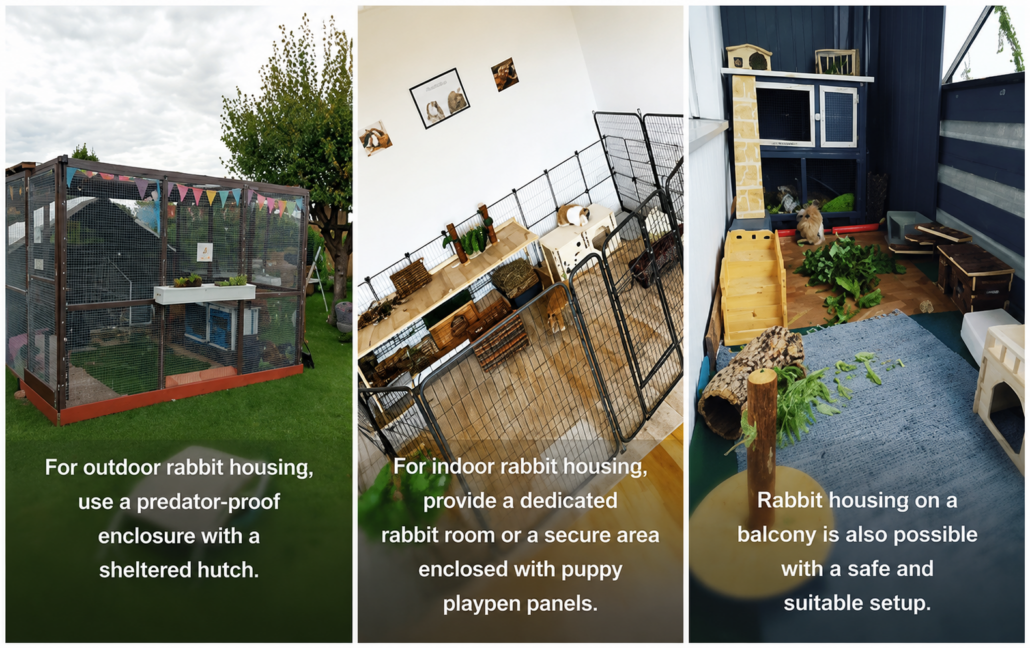
If rabbits are kept outdoors, the enclosure must be secure and predator-proof, protecting them from martens, foxes, birds of prey, and other predators.
Providing enough space is one of the most important factors for healthy, happy rabbits. A spacious enclosure encourages natural behaviours such as hopping, running, standing upright, digging, and playing.
Learn More About Rabbit Housing
Rabbit Enclosures: The Most Important Part of Rabbit Care
A spacious, well-designed rabbit enclosure is the foundation of good rabbit care. It provides your rabbits with the space they need to exercise, explore, and express their natural behaviours while helping to keep them healthy, happy, and safe.
Trying to save money on a rabbit enclosure often becomes more expensive in the long run. Small or poorly designed enclosures make daily cleaning and maintenance more difficult, can contribute to health and behavioural problems, and may increase the risk of predator attacks in outdoor rabbit housing.
For the best experience, choose a walk-in rabbit enclosure whenever possible. Most experienced rabbit owners agree that it is one of the best investments they have made—or wish they had made from the start. Walk-in enclosures make feeding, cleaning, health checks, and interacting with your rabbits much easier while giving your pets a larger, more enriching environment.
Low, knee-high enclosures should only be used when no other option is available. A spacious walk-in rabbit run is safer, easier to maintain, and provides a much higher standard of welfare than a small cage or hutch.
Investing in a high-quality rabbit enclosure is one of the most important decisions you can make for your rabbits’ long-term health and well-being.
Frequently Asked Questions About Rabbit Care
Can Rabbits Be Litter Trained?
Yes. Rabbits can be litter trained, and most rabbits learn to use a litter box consistently with the right setup and a little patience. However, young rabbits are often not fully litter trained until they mature.
Placing a litter tray in the correct location, providing plenty of hay nearby, and designing the enclosure to encourage natural toilet habits will greatly improve success.
Learn more: How to Litter Train Your Rabbit
Can You Be Allergic to Rabbits?
Yes. Some people are allergic to rabbits, their saliva, urine, or hay used in their enclosure.
Before adopting a rabbit, spend time handling rabbits to see whether you develop allergy symptoms. If you have asthma or a history of allergies, consider asking your doctor about a professional allergy test before bringing a rabbit home.
Do Rabbits Become Tame?
Yes, rabbits can become very tame and affectionate, but this depends on their personality, early experiences, and how they are handled.
Building trust takes patience, gentle handling, and allowing rabbits to approach you at their own pace. Rabbits that feel safe are more likely to become friendly and enjoy interacting with their owners.
If having a tame rabbit is important to you, consider adopting an adult rabbit (over one year old) whose temperament is already known. Young rabbits often appear very friendly, but many become more independent or cautious once they reach sexual maturity, making their adult personality difficult to predict.
A reputable rabbit rescue or responsible breeder can help you choose a rabbit that matches your expectations and lifestyle.
Are Rabbits Good Pets for Children?
Many families wonder whether rabbits are good pets for children. While rabbits can make wonderful family companions, they are not low-maintenance pets and should never be considered children’s pets.
Rabbits Are Family Pets
Children can benefit from growing up with animals, learning empathy, respect, and responsibility. However, rabbits require daily care, spacious housing, a specialised diet, regular veterinary care, and an understanding of their behaviour. For this reason, parents must always take full responsibility for their rabbits’ welfare.
Children should participate in caring for rabbits under adult supervision, allowing them to learn how to interact with animals in a safe and respectful way.
Rabbits Are Sensitive Animals
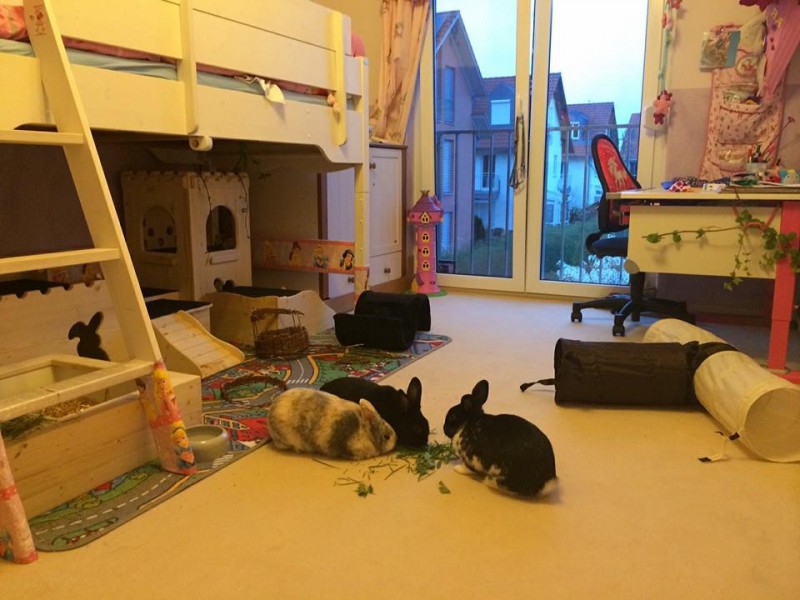
Rabbits are intelligent, social animals that experience fear, stress, pain, excitement, curiosity, and affection. They thrive when they have plenty of space, companionship with another rabbit, and opportunities to explore, dig, forage, and play.
Keeping rabbits in small cages or treating them like cuddly toys can cause stress and lead to behavioural and health problems.
Do Rabbits Like Being Held?
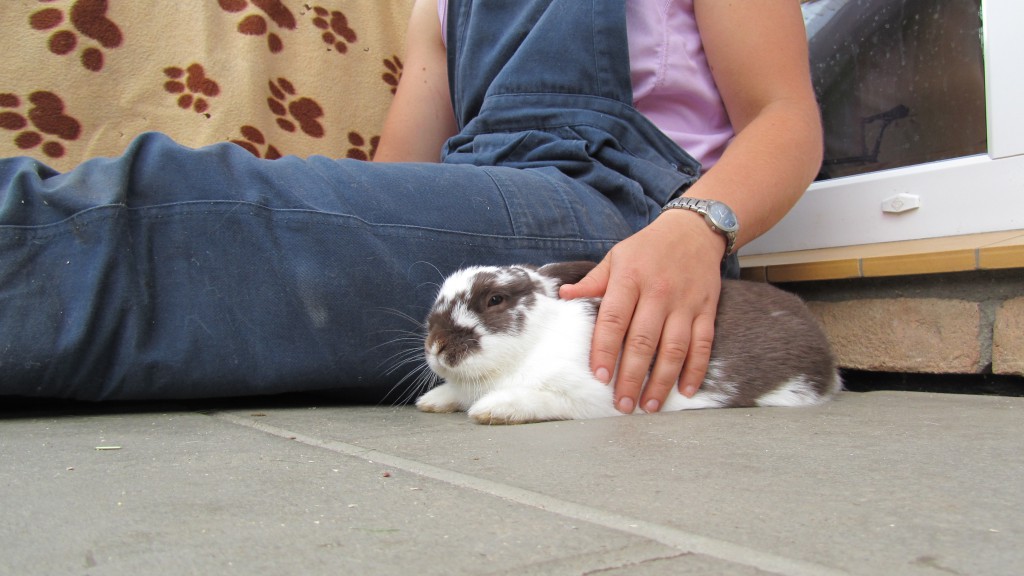
Most rabbits do not enjoy being picked up or restrained. As prey animals, being lifted off the ground often makes them feel vulnerable. Instead of forcing cuddles, allow rabbits to approach you on their own terms. Gentle interaction and positive experiences build trust over time.
Teaching children to understand rabbit body language and respect a rabbit’s boundaries creates a stronger bond and helps prevent injuries to both the child and the rabbit.
With proper care and realistic expectations, rabbits can become affectionate family pets that teach children compassion, patience, and respect for animals.
How Much Does It Cost to Keep Rabbits?
Many people assume that rabbits are inexpensive pets, but this is a common misconception. Rabbits require a significant long-term financial commitment, and many owners underestimate the true lifetime cost of rabbit ownership.
The average lifetime cost of keeping a rabbit is estimated at around £11,000–£13,000 (€12,800–€15,000), depending on where you live and the level of care you provide. This includes housing, food, bedding, veterinary care, vaccinations (where recommended), neutering, insurance, and other ongoing expenses.
Because unexpected veterinary bills can be expensive, we strongly recommend considering pet insurance or setting aside an emergency fund for your rabbits’ medical care.
If you’re thinking about adopting rabbits, it’s important to understand both the initial setup costs and the ongoing monthly expenses before making your decision.
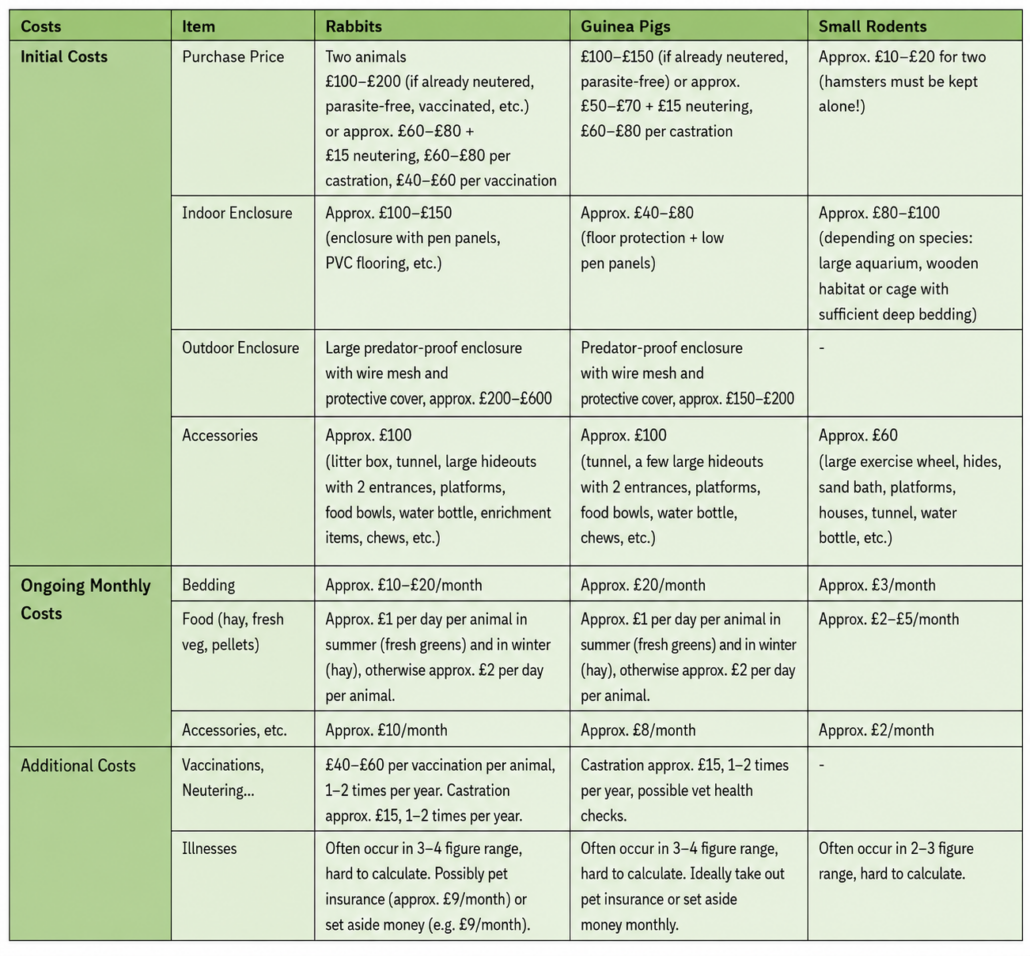
Typical Costs of Keeping Rabbits
The table below provides an overview of the most common expenses involved in rabbit ownership, including one-time setup costs and recurring monthly or annual costs.
How much does a rabbit cost?
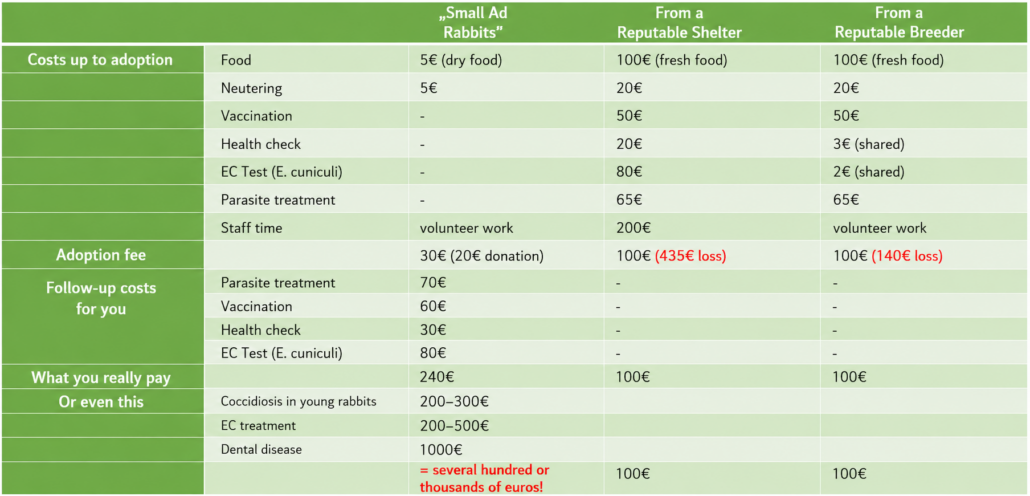
When getting a rabbit, the purchase price should not be your main concern. Instead, it is far more important to choose a reputable source. Doing so can help prevent many future expenses that may far exceed the initial purchase cost.
Here you will find trusted adoption and rehoming organizations that provide expert advice and help match you with friendly, well-socialized rabbits.
What Diet Keeps Rabbits Healthy?
A healthy rabbit’s diet consists primarily of fresh leafy greens. Commercial rabbit pellets and other dry foods are not suitable, even in small amounts, as they can negatively affect a rabbit’s health. Feeding pellets from a young age may contribute to serious dental disease later in life.
During the summer, fresh grass and wild meadow plants provide the ideal diet. In winter, offer a wide variety of leafy vegetables, including bitter lettuces, leafy cabbages, spinach, celery, dandelion greens, and other leafy greens. Fresh herbs such as parsley and dill are also excellent choices.
Root vegetables such as carrots should only be fed in small amounts as an occasional supplement, not as a staple food.
What Does a Rabbit Need?
Many people underestimate a rabbit’s requirements for space, diet, companionship, and enrichment. Meeting these basic needs is essential for keeping rabbits healthy and happy.
Rabbits Need Companionship
Rabbits are highly social animals and should never be kept alone. They should always live with at least one compatible rabbit companion. In Germany, permanent solitary housing is considered a serious animal welfare issue and is not permitted under animal welfare guidelines.
Rabbits Need Plenty of Space
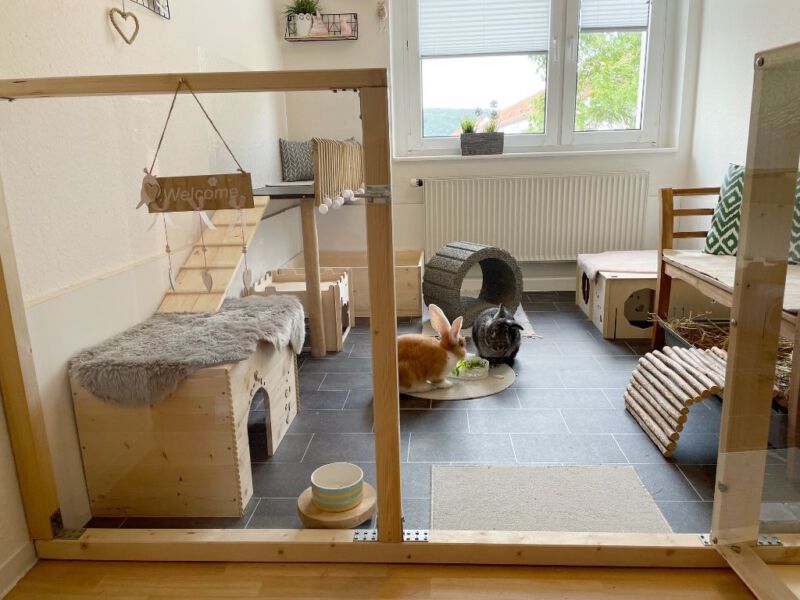
The minimum recommended enclosure size for two rabbits is 6 m² (65 sq ft) of permanently accessible living space (for example, 2 × 3 m / 6.5 × 10 ft), available 24 hours a day. Outdoor rabbits require a secure, predator-proof enclosure that protects them from martens, foxes, birds of prey, and other predators.
A Healthy Rabbit Diet
A healthy rabbit diet is based on fresh grass, wild meadow plants, leafy branches, bitter lettuces, leafy cabbages, herbs, and other leafy greens, supplemented with unlimited high-quality hay.
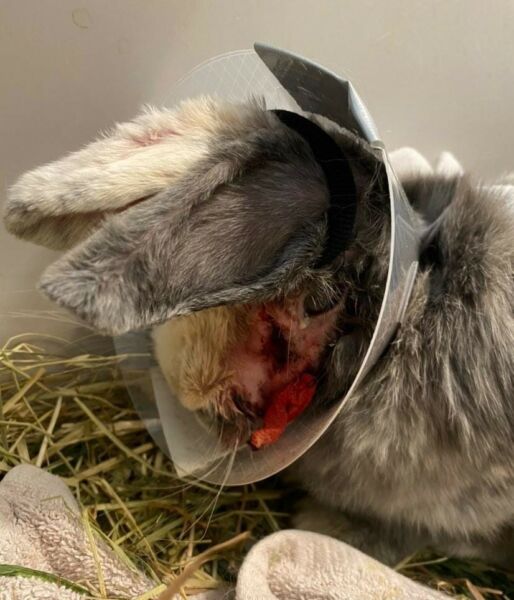
Commercial rabbit pellets, muesli mixes, and other dry foods are not suitable. They can cause serious dental disease, digestive disorders, obesity, and urinary tract problems. Feeding dry food from an early age significantly increases the risk of chronic dental disease, which often results in veterinary costs of thousands of euros per rabbit.
Environmental Enrichment
Rabbits also need a stimulating environment. Their enclosure should include hiding places, tunnels, elevated platforms, digging areas, chew toys, and natural materials that encourage exploration and allow them to express their natural behaviour.
Where Should You Get a Rabbit?
If you’re thinking about getting a rabbit, it’s important to choose a responsible source. Rabbits are often sold through classified websites, breeders, and pet stores, but not all rabbits receive the best start in life.
Avoid Poorly Socialized Rabbits
Many rabbits from classified ads, backyard breeders, and pet stores are raised in small hutches rather than spacious group enclosures. As a result, they may not learn normal social behaviour, which can lead to fear, stress, or aggression towards other rabbits later in life.
Ask How the Rabbits Were Fed
A rabbit’s early diet has a lifelong impact on its health.
Young rabbits should be raised on fresh grass, wild meadow plants, leafy vegetables, fresh herbs, and unlimited hay. Root vegetables such as carrots should only be fed in small amounts.
Commercial rabbit pellets, muesli mixes, and other dry foods are not recommended. Feeding dry food from an early age can contribute to serious dental disease, digestive problems, and urinary tract disorders. These conditions often result in veterinary bills costing thousands of euros per rabbit over their lifetime.
Don’t Support Unethical Breeding
Some rabbit breeds have been selectively bred for extreme physical traits that can seriously affect their health and welfare. Purchasing rabbits from breeders, backyard breeders, or pet stores encourages further breeding and increases the demand for rabbits with inherited health problems.
Consider Adopting Instead
Whenever possible, adopt rabbits from a reputable rescue or rehoming organisation. Rescue rabbits are often health-checked, well-socialised, and looking for a permanent home. By adopting, you give a rabbit a second chance while helping reduce the demand for commercial breeding.
Who Will Care for My Rabbits While I’m on Holiday?
If you enjoy travelling, it’s a good idea to plan your rabbits’ care before bringing them home.
You have several options:
- Ask a trusted friend, neighbour, or family member to care for your rabbits. Make sure they understand your rabbits’ daily routine, diet, and health needs before you leave.
- Choose a rabbit boarding service or rabbit boarding facility that specialises in rabbit care. Experienced rabbit boarding providers know how to meet rabbits’ dietary and welfare needs and can recognise signs of illness early.
Because rabbits require daily care, fresh food, clean water, and regular health checks, they should never be left alone for extended periods. Planning reliable holiday care in advance ensures your rabbits remain healthy, safe, and stress-free while you’re away.
How Do I Find a Rabbit-Savvy Veterinarian?
Finding a veterinarian with experience in rabbit medicine is essential. Rabbits have very different medical needs from cats and dogs, yet rabbit medicine receives only limited attention in most veterinary training. As a result, many veterinarians have little practical experience treating rabbits.
Choose a rabbit-savvy veterinarian who has completed additional training or has extensive experience in rabbit medicine. A knowledgeable rabbit vet is more likely to diagnose health problems correctly and provide appropriate treatment.
When it comes to your rabbit’s health, it’s often worth travelling further to see an experienced rabbit veterinarian rather than visiting a nearby clinic that lacks expertise. Proper diagnosis and treatment can make a significant difference to your rabbit’s health and wellbeing.