
Loading
  • Link to Instagram
How to rabbit
  • Home
  • News
  • Getting a Rabbit
    • Before You Get Rabbits
      • Rabbit Care for Beginners
      • Rabbit Care in 15 Minutes
      • How Much Do Rabbits Cost?
      • Lop Rabbits: Health & Welfare Concerns
      • Rabbit Lifespan: How Long Do Rabbits Live?
    • Choosing & Bringing Home Rabbits
      • Bringing a Rabbit Home
      • Sexing Rabbits: Male or Female?
      • Rabbits and Other Pets
      • Rabbit Adoption Contract
  • Housing
    • Outdoor Housing
      • Winter Care for Rabbits
      • Keeping Rabbits in the Garden
      • Building an Outdoor Rabbit Enclosure
      • Overwintering Rabbits
      • Outdoor Rabbit Run Ideas
    • Indoor Housing
      • Rabbit Litter Training Guide
      • Setting Up a Rabbit Room
      • Vitamin D for Indoor Rabbits
      • Keeping Rabbits Indoors
      • Indoor Rabbit Housing Ideas
      • Keeping Rabbits Cool in Summer
    • Balcony Housing
      • Keeping Rabbits on a Balcony
      • Rabbit-Friendly Balcony
  • Feeding
    • Foods for Rabbits
      • Grass & Meadow Plants
      • Pellets for Rabbits
      • Vegetables
      • Culinary herbs
      • Fruits for rabbits
      • Water & Drinking
    • Feeding Guidelines
      • Feeding Guidelines
      • Common Feeding Mistakes
      • Rabbit Feeding Myths
      • How to Feed a Baby Rabbit
    • Feeding tips
      • How to Transition a Rabbit to a New Diet Safely
      • Winter Diet for Rabbits
      • Nutrition for Young Rabbits
      • Diet Changes in Young Rabbits
    • Nutrition Basics
      • What can rabbits eat?
      • Types of Rabbit Diets
      • Is Hay the Main Food for Rabbits?
      • Tooth Wear & Dental Health
      • Crude Fiber & Carbohydrates
      • Secondary Plant Compounds
      • Food selection
      • Between Scarcity and Abundance
      • Rabbit Digestion
      • Wild Rabbit Nutrition
    • Foraging & Plant Identification
      • Foraging Meadows for Beginners
      • Identifying Coniferous Trees
      • Highly toxic plants
    • Food & Plant Lists
      • Safe Branches for Rabbits
      • Best Vegetables for Rabbits
      • Wild Grasses for Rabbits
      • Aromatic Herbs for Rabbits
      • Foraging & Plant Identification
      • Garden plant list
      • Fruit list
  • Companionship & Bonding
    • Rabbit Bonding
    • After a Rabbit Dies: Should the Other Rabbit Live Alone?
    • Can Rabbits Live Alone?
    • Choosing the Right Rabbit Companion
    • Rabbit Bonding Methods
    • Common Bonding Mistakes
    • Bonding of Young Rabbits
    • Keeping Rabbits in Large Groups
    • Hierarchy Fights & Bullying
    • Bonding Disabled or Ill Rabbits
    • Rabbit Socialization
  • Behavior
    • Handling Rabbits
    • Common Behaviors & Problems
      • Rabbits that don’t get along
      • Handling traumatized rabbits
      • Nibbling & Chewing
      • Digging
      • Humping
      • Kicking, Scratching & Wriggling
      • Biting & Aggressive Behavior
    • Body Language & Senses
      • Rabbit Senses
  • Health
    • General Health
      • Is My Rabbit Sick?
      • Recognizing Pain in Rabbits
      • Sudden Death in Rabbits: Possible Causes
      • Rabbit Health Myths
    • Digestive Disorders
      • Gastric Dilatation in Rabbits
      • Bloating in Rabbits
      • Hairballs & Constipation
      • Rabbit Diarrhea & Mushy Poop
      • Stomach Overload
      • Coccidia in Rabbits
      • Yeast in Rabbits
      • Worms in Rabbits
      • Underweight & Overweight Rabbits
      • Megacolon Syndrome
      • Bacterial Enteritis
      • Appendicitis in Rabbits
    • Skin, Fur & Parasites
      • Molting
      • Flystrike in Rabbits (Myiasis)
      • Mites, Ticks, Fleas & Other Parasites
      • Ear Mites
      • Skin Fungus
      • Wounds & Bite Wounds
      • Abscesses
      • When Rabbits Lick Themselves Raw
      • Sore Hocks in Rabbits
      • Injection Necrosis
      • Tumors & Cancer in Rabbits
      • Skin Inflammation
    • Infectious Diseases
      • Rabbit Snuffles
      • E. cuniculi in Rabbits
      • Rabbit Hemorrhagic Disease (RHD)
      • Myxomatosis
      • Ear Infection
      • Rabbit Syphilis
      • Tularemia (Rabbit Fever)
      • Tetanus
      • Toxoplasmosis
      • Listeriosis
      • Rodentiosis
      • Herpesviruses in rabbits
    • Internal & Organ Diseases
      • Liver Diseases
        • Liver Lobe Torsion
      • Cystitis
      • Bladder Sludge & Bladder Stones
      • Kidney Failure
      • Sex & Neutering
      • Uterine Diseases
      • Heart Diseases
      • Thyroid Diseases
      • Heatstroke in Rabbits
      • Stroke in rabbits
      • Schock
      • Hormonal Disorders
    • Other Health Conditions
      • Floppy Rabbit Syndrome
      • Dental Diseases
        • Jaw Abscesses
        • Nutrition for Dental Disease
      • Eye Diseases in Rabbits
        • Watery Eyes
      • Joint Diseases
      • Bone Fractures & Accidents
      • Cramps & Seizures
      • TThymoma, Lymphoma & Other Tumors
      • Poisoning in Rabbits
      • Mold & Mycotoxins
  • Care
    • Rabbit Poop & Urine: What It Means
    • Housing for Disabled & Elderly Rabbits
    • Wheelchairs & Mobility Support for Rabbits
    • Rabbit Health Check
    • Dirty Bottom in Rabbits
    • Why Does My Rabbit Pee & Poop Everywhere?
    • Saying Goodbye to a Rabbit
  • Offspring
    • Breeding that causes animal suffering
  • Service
    • About Us
    • Legal Disclosure
    • Privacy Policy
  • Click to open the search input field Click to open the search input field Search
  • Menu Menu

Molting

Contents

  • Rabbit Coat Molt (Fur Change)
  • Nutrition and Care During Molting (To Prevent Hairballs)
  • The following dietary and husbandry mistakes promote the formation of life-threatening hairballs:
  • Malt Paste? Bezo-Pet Paste?

Rabbit Coat Molt (Fur Change)

A completely “harmless” explanation for hair loss, shedding, and changes in the coat can be the natural molting process. Normally, rabbits shed in spring to transition from their winter coat to a lighter summer coat, and again in autumn to grow a thicker, insulating winter coat. Many breeds lack a dense winter coat but still undergo two molts per year.
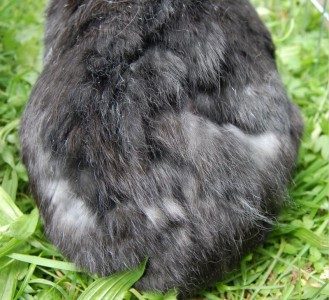
For healthy, robust rabbits kept outdoors, the molt is often barely noticeable. However, for indoor rabbits or those that are weakened, infested with parasites, poorly fed, elderly, or sick, the shedding can be much more intense.

In these cases, it is advisable to check for intestinal parasites by conducting a fecal test. For indoor rabbits, you can also provide a UVB lamp or another source of vitamin D.

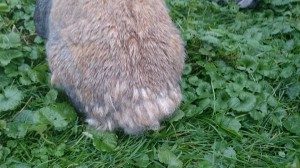
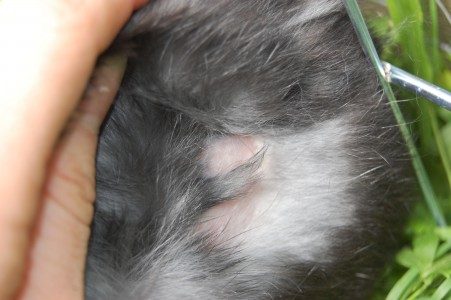
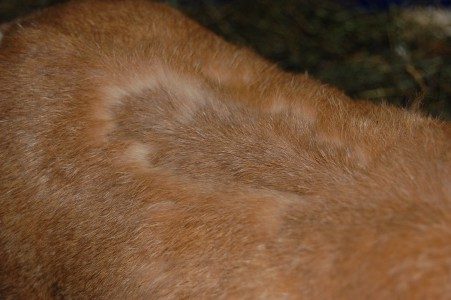
Molting can cause bald patches (healthy skin at the bald spots, without flakes, wounds, or other issues—otherwise, it is likely a disease rather than molting). Additionally, areas of the coat may appear different from the rest of the body. Bald spots with healthy skin may also result from chewing or overgrooming by a partner rabbit, or from thyroid gland underfunction.
Nutrition and Care During Molting (To Prevent Hairballs)

To prevent life-threatening hairballs (fur clumps in the digestive tract) during the molting process, follow these proactive steps:
Removing Loose Fur

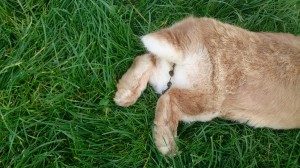
  • Regular Grooming: Brush away loose fur using hands, damp rubber gloves, or plucking brushes. These tools are especially effective in removing shedding fur.
  • Self-Grooming Areas: Place brushes in narrow areas of the enclosure, such as tunnels or passageways, so that less tame rabbits brush themselves as they pass through.


Supportive Diet for Hairball Prevention

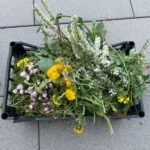
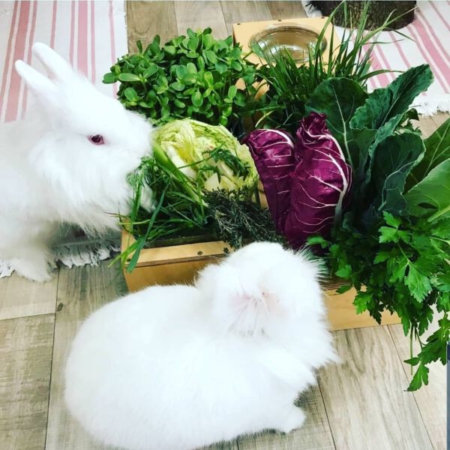
  • Unlimited Fresh Greens: The best prevention for hairball formation is feeding large amounts of fresh grasses, herbs, and leafy greens, available day and night. This ensures a natural fiber-rich diet that supports digestion and reduces hairball risks.
  • Avoid Dry Foods: Avoid dry foods such as dry herbs, or commercial pellets, as they contribute to hairball formation.


Supplementary Foods

  • Oily Seeds: Offer soaked linseeds (flaxseeds) or sunflower seeds daily (½ teaspoon per rabbit). These not only help prevent hairballs but also promote a healthy, shiny coat.
  • Linseed Cakes and Pellets: Linseed cakes or pellets are even more effective. Limit to one small piece per day as a treat. These also help expel ingested fur from the digestive system.
  • Vegetable Oil: Alternatively, a small amount of edible oil (e.g., hidden in a piece of banana) can be given. Coconut oil (up to 1 teaspoon/day/rabbit) is another option. Oil works mainly in the stomach, where hairballs are most problematic.

Additional Hairball Remedies

  • RodiCare Hairball: This proven remedy is often eaten directly from the tube by rabbits.
  • Psyllium Husk: A cost-effective alternative to RodiCare Hairball. Soak 1 teaspoon (5g) of psyllium husk in 100ml of water overnight. Mix 1-3 teaspoons of this with grated carrot or apple and feed it to your rabbit. Any leftover psyllium mixture can be frozen in ice cube trays for later use.


Encouraging Movement

  • Provide your rabbits with plenty of space to move around at all times. Physical activity stimulates digestion and helps expel fur from the gastrointestinal tract.

Cleanliness and Hair Management

  • Indoor Cleaning: Vacuum frequently in indoor and sheltered outdoor spaces, especially since there is no wind to carry away loose fur.
  • Rubber Brooms: Use rubber brooms to remove hair without creating dust. They are also effective on carpets and fabric surfaces.
  • Shearing Fur: In extreme cases, indoor rabbits can be clipped to minimize the length of ingested fur.

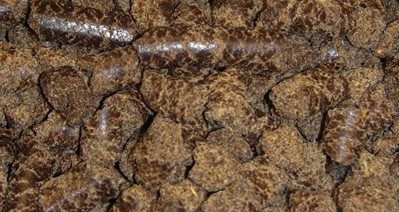
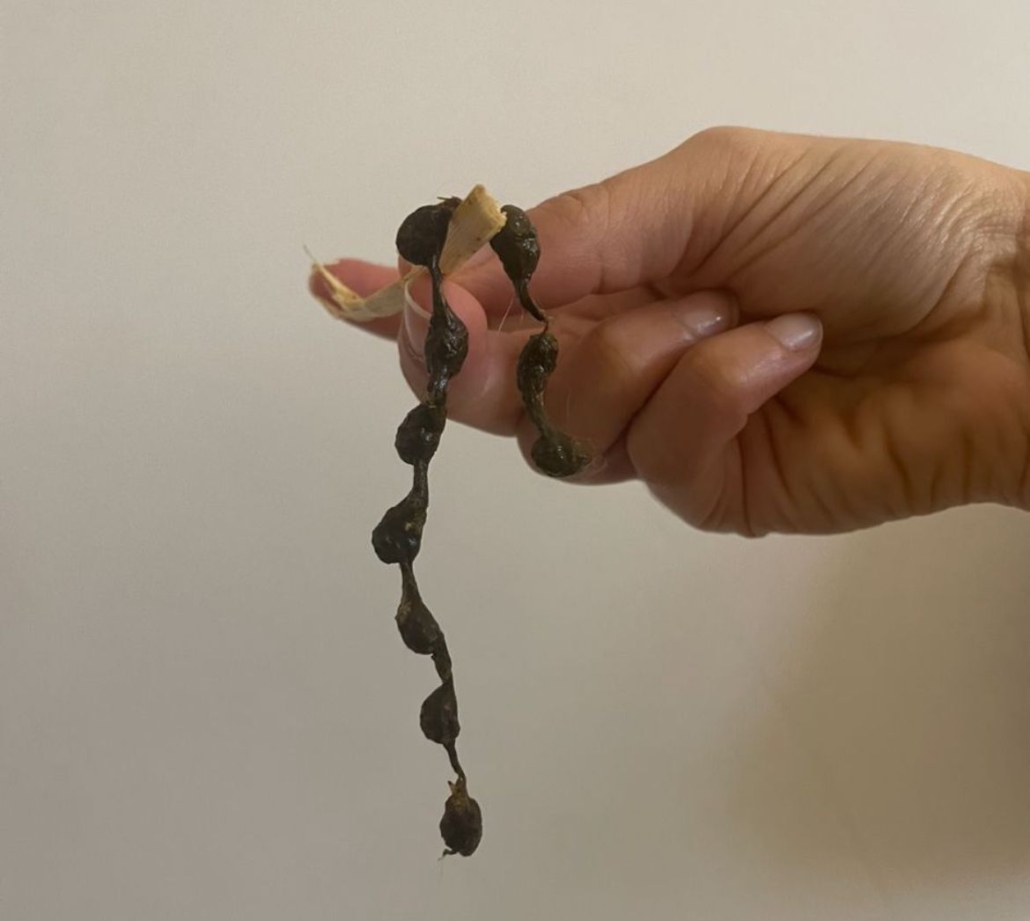
Do not worry if you notice “stringy poop” (poop connected by strands of fur). This is a good sign, as it means the ingested hair is being expelled from the body rather than accumulating into harmful hairballs.
By maintaining these grooming, dietary, and cleaning practices, you can help your rabbits stay healthy and comfortable during their molting periods.

The following dietary and husbandry mistakes promote the formation of life-threatening hairballs:

  • Hay as the main diet with portions of fresh food.
  • Hay as the main diet combined with dry food and fresh food (dry food also absorbs all the water).
  • A diet primarily consisting of hay.
  • A diet based on dry food.
  • Feeding practices with low fiber content: excessive concentrate feed (seeds, grains, etc.), commercially available dry food, etc. Dry food not only absorbs moisture but also has minimal water content and very little crude fiber.
  • Confinement in cramped spaces without constant access to exercise (being locked in a hutch/cage).
Malt Paste? Bezo-Pet Paste?

The composition of these pastes is often flawed or not even listed on the packaging. Typically, only the effects are described, which, according to the packaging, are based on three factors: plant oils and fats, fiber, and malt, which is supposed to aid digestion. Cat pastes are nearly identical to rabbit pastes and are often used by rabbit owners as well.

However, these pastes are only fiber-rich for cats. Any rabbit food (herbs, hay, branches) contains significantly more fiber than these pastes! Rabbits naturally consume far more fiber in their normal diet compared to cats. What is considered fiber-rich for cats would be classified as fiber-poor for rabbits.

Malt consists of sprouted cereal grains that are dried and processed after a short germination period. Often, poorly digestible wheat is used. Additionally, these pastes contain numerous additives that may harm rabbits. The only beneficial ingredient is the plant oil, which can be administered in a healthier form (pure or, for example, as “RodiCare akut”).

The pastes contain no active substances that could effectively combat hairballs. Instead, they include many harmful substances, and most ingredients are not disclosed.

A better option is RodiCare Hairball, which is based on soaked psyllium husks.

Good to Know:

According to recent studies, most “hairballs” do not primarily consist of hair but rather of food pulp that has dried out due to excessively dry feeding, stress, or other causes and has clumped together.

4
Who Is Behind How to rabbit?

Veterinarian Viola Schillinger
Who Is Behind How to Rabbit? Viola Schillinger is a veterinarian who has kept rabbits since childhood and has dedicated much of her professional life to improving their health, welfare, and living conditions. Decades of rabbit keeping, intensive observation, and professional study have given her extensive experience in rabbit health, nutrition, behavior, and species-appropriate husbandry. She shares her knowledge through television appearances, webinars, podcasts, radio programs, articles, and books. In 2008, Viola founded Kaninchenwiese.de, which has grown into a leading German-language resource for rabbit care and health, reaching around 500,000 visitors per month. How to Rabbit brings this knowledge to an international English-speaking audience. The English content is translated and adapted by Erika Kühne Escobar and medically reviewed by Viola Schillinger.

Rabbits need space…


How to rabbit…

…is a guide for the appropriate keeping, nutrition and care of rabbits.

Search

Search Search

Never alone


Last Changes

  • Cookie Policy (EU) 7. September 2026
  • Care 26. August 2026
  • Fruit list 5. August 2026
  • Highly toxic plants 30. July 2026
  • Appendicitis 21. July 2026
© Copyright - How to rabbit 2024 - Enfold Theme by Kriesi
  • Link to Instagram
Scroll to top Scroll to top Scroll to top