Hairballs, constipation, obstruction, foreign objects
Attention: Refusal to eat in rabbits is always an emergency and life-threatening! Veterinary emergency services should be consulted immediately!
Constipation in rabbits can often be recognized when a rabbit produces fewer droppings than normal or stops passing droppings altogether. A lack of droppings may indicate constipation, but it can also occur if a rabbit has stopped eating due to another underlying illness. Because reduced appetite and the absence of feces are common signs of serious health problems, rabbits showing these symptoms should be assessed by a veterinarian as soon as possible.
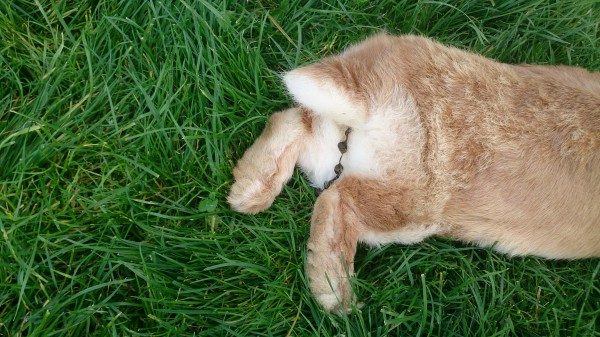
Causes of Constipation in Rabbits
Constipation in rabbits is usually the result of an underlying problem rather than a disease itself. The most common causes include an inappropriate diet, dehydration, swallowed foreign material, hair accumulation, reduced gut motility, or other medical conditions.
Swallowed Foreign Material
One of the most frequent causes of intestinal obstruction and constipation in rabbits is the ingestion of materials that swell, clump, or cannot be digested. These include clumping cat litter, straw pellets, food pellets, cardboard, carpet fibers, fabrics, VetBed®/Isobed®, carob seeds, plastic, and other foreign objects. These materials can obstruct the digestive tract or slow the normal movement of food through the intestines.
Hairballs (Bezoars)
Rabbits naturally swallow fur while grooming themselves or other rabbits, especially during shedding. In some cases, this hair can accumulate and form a hairball (bezoar).
However, hair alone is rarely the primary cause of constipation. Hairballs usually become problematic when rabbits are fed a dry, low-moisture diet or have limited access to fresh leafy greens. Without enough moisture, the hair mixes with dry stomach contents and forms a firm mass that is difficult to move through the digestive tract.
An Inappropriate Diet
Diet is one of the most important risk factors for rabbit constipation. Feeding large amounts of pellets, grains, oats, treats, or other dry foods can slow intestinal transit because the stomach contents remain too dry.
A rabbit’s natural diet contains approximately 70–80% water and consists primarily of fresh grasses and leafy plants. The digestive system is adapted to process continuously moving, moisture-rich, high-fiber food. Diets that are low in moisture, low in fiber, highly processed, or excessively rich in protein or calories significantly increase the risk of constipation.
Sudden large meals of pellets or treats can also contribute to digestive problems.
Dehydration
Insufficient water intake reduces the moisture content of the intestinal contents, making them harder to pass. Dehydration is therefore a common contributing factor in rabbits with constipation.
Parasites
Intestinal parasites such as coccidia or worms, and less commonly an overgrowth of yeast, may impair normal digestion and contribute to constipation. A three-day fecal examination is recommended to rule out parasitic infections.
Other Medical Conditions
Constipation may also develop secondary to other illnesses, including infectious diseases, hypothyroidism, or space-occupying conditions affecting the uterus or other abdominal organs. Any disease that reduces food intake or intestinal motility can ultimately lead to constipation.
Lack of Exercise and Obesity
Regular exercise is essential for healthy gut motility. Rabbits that have restricted living space, are inactive, or are overweight are more likely to develop constipation because intestinal movement slows down.
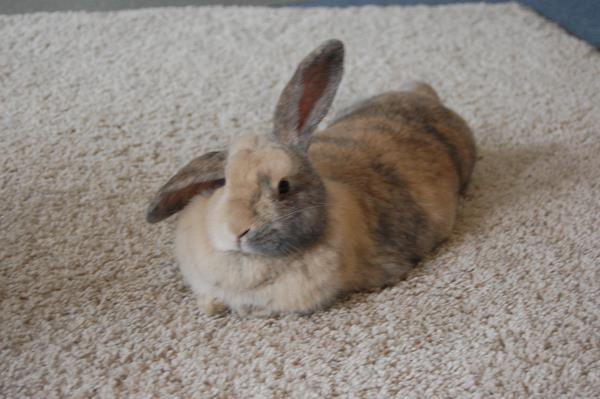
Treatment and Care
Make sure to visit a veterinarian who is not only specialized in small animals (dogs and cats) but also in exotic pets (rabbits and rodents)!
Only veterinarians with targeted training can treat rabbits, as they are only a minor focus during general veterinary studies.Finding a Veterinarian:
Since this is a life-threatening emergency, you may need to visit a veterinarian even if a rabbit-specialized vet is not available at the moment.
If no poops are passed at all and the rabbit stops eating, an immediate visit to the veterinarian is required. If constipation persists, it can become life-threatening. X-rays at the vet are essential to determine the cause.
For more information on first aid and treatment, you can read here: Gastric Dilatation.
Under no circumstances should supplementary feeding, force-feeding, or syringe feeding be done! The digestive tract is already completely overloaded, and additional food intake in such a massive form only exacerbates the problem and can lead to death.
Surgery for Constipation and Hairballs in Rabbits
Surgery is considered only as a last resort if a hairball or intestinal blockage causes severe obstruction and intensive medical treatment has failed.
Whenever possible, the stomach or intestines should not be opened (gastrotomy or enterotomy), as these procedures carry a high risk of serious complications in rabbits, including leakage, infection, and poor postoperative recovery. Instead, an experienced rabbit surgeon can often gently massage the hairball into the large intestine, where it can usually be passed naturally. In some cases, the mass can be carefully worked back into the stomach and broken down by gentle manual manipulation.
The surgical approach depends on the location and consistency of the obstruction, as well as the rabbit’s overall condition. Early intervention generally improves the chances of a successful outcome.
For more information about surgical treatment and gastric obstruction, see Gastric Dilatation in Rabbits.
Diet During Shedding to Prevent Hairballs in Rabbits
During shedding, rabbits naturally swallow large amounts of fur while grooming themselves and their companions. Most of this hair passes through the digestive tract without causing problems. However, if gut motility slows or the diet is too dry, swallowed hair can accumulate and contribute to hairballs (bezoars) and constipation.
Remove Loose Fur Regularly
The best way to prevent hairballs in rabbits is to remove loose fur before it is swallowed. During heavy molts, groom your rabbit daily by:
- Brushing the coat with a suitable rabbit brush.
- Gently removing loose fur with your hands or damp rubber grooming gloves.
- Using grooming brushes in narrow tunnels or hideouts, allowing less tame rabbits to remove loose fur as they pass through.
Feed a Moisture-Rich, High-Fiber Diet
A species-appropriate diet is one of the most effective ways to prevent hairballs.
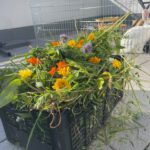
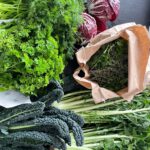
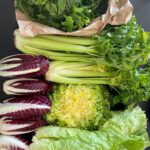
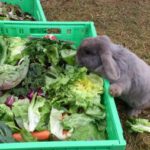
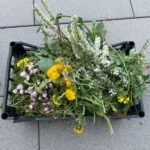
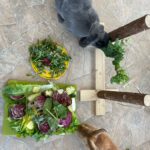
Offer fresh grasses, meadow plants, leafy greens, and herbs in unlimited amounts, ensuring that fresh food is available 24 hours a day. A moisture-rich diet keeps the digestive contents moving continuously, allowing swallowed hair to pass naturally.
Large amounts of dry food—including pellets, grain-based feeds hay as main food or dried herbs—can increase the risk of hairball formation because the stomach contents become drier and hair is more likely to accumulate.
Helpful Supplements
Some rabbits benefit from small amounts of oil-rich seeds during shedding, which may support coat quality and help lubricate intestinal contents.
Suitable options include:
- Flaxseed
- Sunflower seeds
- Chia seeds
- Psyllium seeds
Offer no more than ½ teaspoon per rabbit daily. Flaxseed, chia seeds, and psyllium seeds should always be soaked before feeding. Flax cake or flax pellets may also be used in very small amounts (generally no more than one pellet per rabbit per day).
Some rabbit owners also use veterinary products such as RodiCare® Hairball. Discuss supplements with your rabbit veterinarian, especially if your rabbit has existing digestive problems.
Homemade Psyllium Mixture
As an inexpensive alternative, soak 1 teaspoon (5 g) of psyllium husks or flaxseed in 100 ml of water overnight. Mix 1–3 teaspoons of the resulting gel with grated vegetables (such as carrot) or a small amount of grated fruit. The remaining mixture can be frozen in ice cube trays and thawed when needed.
Encourage Exercise
Exercise plays an essential role in maintaining healthy gut motility. Rabbits should have plenty of space to run, explore, and exercise both day and night, especially during shedding season. Regular movement helps swallowed hair pass through the digestive tract more efficiently.
Keep the Environment Clean
Indoor rabbits and rabbits living in sheltered outdoor enclosures are surrounded by more loose fur because there is little wind to carry it away. Frequent vacuuming and regular cleaning during shedding reduce the amount of hair available to be swallowed. For long-haired rabbits or rabbits experiencing an exceptionally heavy molt, carefully trimming excessively long fur may also be beneficial.
Are Poop Chains Normal?
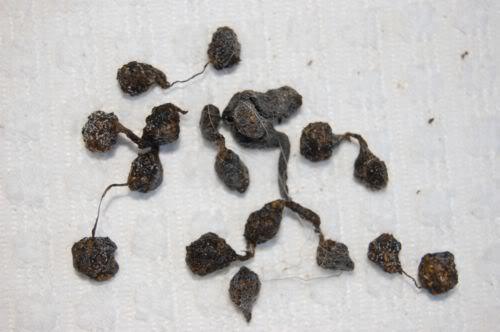
Yes. Poop chains—droppings connected by strands of fur—are common during shedding and are usually a sign that swallowed hair is passing safely through the digestive tract. Rather than indicating a problem, they suggest that the hair is being eliminated in the feces instead of accumulating in the stomach or intestines to form a hairball.
However, if poop chains are accompanied by reduced appetite, fewer droppings, abdominal pain, bloating, or lethargy, they may indicate an underlying gastrointestinal problem and should be evaluated by a rabbit-savvy veterinarian promptly.
Feeding Practices That Increase the Risk of Hairballs
The following feeding and husbandry practices can significantly increase the risk of hairballs (bezoars) and constipation in rabbits:
- Feeding hay as the primary food while offering only small amounts of fresh greens.
- Combining a hay-based diet with pellets or other dry foods, which further reduce the overall moisture content of the digestive tract.
- Hay-only diets, which do not provide the level of moisture found in a rabbit’s natural diet.
- Pellet- or dry food-based diets, especially when fresh leafy greens are limited.
- Low-fiber feeding practices, including excessive amounts of concentrated feeds such as seeds, grains, treats, or commercial rabbit mixes.
Dry foods contain far less moisture than fresh forage and can absorb additional fluid within the digestive tract. As a result, the stomach contents become drier, intestinal transit slows, and swallowed hair is more likely to accumulate instead of passing naturally through the gut.
A species-appropriate diet based primarily on fresh grasses, meadow plants, and leafy greens available throughout the day is the best way to maintain normal gut motility and reduce the risk of hairballs. High-quality hay should also be available at all times so rabbits can eat it according to their individual needs. While hay is an important source of indigestible fiber, it should complement a moisture-rich diet rather than replace fresh forage as the primary component of a rabbit’s nutrition.
Malt Paste and Bezo-Pet® Paste for Rabbits
Many rabbit owners wonder whether malt paste or Bezo-Pet® paste can help prevent or treat hairballs in rabbits. Despite being widely marketed for this purpose, there is no scientific evidence that these products effectively prevent hairballs in healthy rabbits.
Many hairball pastes marketed for rabbits are very similar to products intended for cats. They typically rely on three main components:
- Plant oils or fats
- Malt
- Small amounts of fiber
While these formulations may be considered relatively high in fiber for cats, they are very low in fiber compared with a rabbit’s natural diet. Fresh grasses, meadow plants, herbs, hay, and browse all contain substantially more fiber than these pastes. Therefore, they do not meaningfully improve fiber intake in rabbits.
Malt is produced from germinated cereal grains that are dried and processed. Depending on the product, it may contain ingredients that are not well suited to a rabbit’s digestive system, including refined cereals, sugars, flavorings, or other additives. In many commercial pastes, the complete ingredient composition is not clearly disclosed.
The only potentially beneficial component is the plant oil, which may help lubricate intestinal contents. However, this effect can also be achieved with safer, simpler alternatives when recommended by a rabbit-savvy veterinarian.
Overall, malt pastes do not contain any ingredient proven to dissolve hairballs or improve gastrointestinal motility in rabbits. Instead of relying on these products, prevention should focus on:
- Daily grooming during shedding.
- Unlimited fresh grasses, leafy greens, and meadow plants.
- Constant access to fresh drinking water.
- Plenty of exercise to support normal gut motility.
If additional support is needed during heavy shedding, RodiCare® Hairball, which is based on soaked psyllium, is generally considered a more species-appropriate option than malt-based pastes.
Sources:
Böhmer, E. (2005): Röntgenologische Untersuchung bei Hasenartigen und Nagern (Schwerpunkt: Magen-Darm-Trakt, Harntrakt, Wirbelsäule). Tierärztliche Praxis Ausgabe K: Kleintiere/Heimtiere, 33(02), 115-125.
Böttcher, A. (2017): Untersuchungen zur Magendilatation bei Heimtierkaninchen (Oryctolagus cuniculus) (Doctoral dissertation, Freie Universität Berlin).
Cheeke, P. R., Cunha, T. J. (2012): Rabbit feeding and nutrition. Elsevier.
Drescher B. (2014): Magenüberladung beim Kaninchen. Kleintier konkret 2: 12–16
Eckert, Y. (2020): Stillstand: Der Ileus beim Kaninchen. kleintier konkret, 23(S 01), 2-10.
Feldman, E. R., Singh, B., Mishkin, N. G., Lachenauer, E. R., Martin-Flores, M., & Daugherity, E. K. (2021): Effects of Cisapride, Buprenorphine, and Their Combination on Gastrointestinal Transit in New Zealand White Rabbits. Journal of the American Association for Laboratory Animal Science.
Harcourt-Brown, F. M. (2007): Gastric dilation and intestinal obstruction in 76 rabbits, Veterinary Record 161, 409-414
Harcourt-Brown (2007): Gastric dilation and intestinal obstruction in 76 rabbits. Vet Rec 161 (12): 409–414
Harcourt-Brown TR. (2007): Management of acute gastric dilation in rabbits. J Exotic Pet Med. 16 (3): 168–174
Hein, J. (2009): Anorexie beim Kaninchen–diagnostische Aufarbeitung und erster therapeutischer Ansatz. Tierärztliche Praxis Ausgabe K: Kleintiere/Heimtiere, 37(02), 129-138.
Hein, J. (2016): Notfälle beim Kleinsäuger – erkennen und reagieren.
Hein, J. (2018). Röntgenbildinterpretation Magen-Darm-Trakt Kaninchen. kleintier konkret, 21(S 01), 12-20.
Kreis ME, Jauch KW. (2006): Ileus aus chirurgischer Sicht. Differenzialdiagnose und therapeutische Konsequenzen. Chirurg. 77 (10): 883–888
Köstlinger, S. (2014): Notfälle beim Kaninchen. kleintier konkret, 17(S 02), 2-7.
Lichtenberger M, Lennox A. (2010): Updates and advanced therapies for gastrointestinal stasis in rabbits. Vet Clin North Am Exot Anim Pract. 13 (3): 525–541
Nickel, R., Schummer, A., & Seiferle, E. (2004): Lehrbuch der Anatomie der Haustiere—Band II Eingeweide. Parey, Stuttgart.
Müller, K. (2014): Magendilatation beim Kaninchen–Was ist zu tun? kleintier konkret, 17(02), 16-20.
Ozawa, S., Thomson, A., & Petritz, O. (2022): Safety and efficacy of oral mirtazapine in New Zealand White rabbits (Oryctolagus cuniculus). Journal of Exotic Pet Medicine, 40, 16-20.
Schnabl, E., Böhmer, E., & Matis, U. (2009): Diagnostik und Therapie des Magenbezoars beim Kaninchen: katamnestische Betrachtung von 39 Patienten. Tierärztliche Praxis Kleintiere, 37(2), 107-113.
Schnabl, E., Böhmer, E., & Matis, U. (2009): Diagnostik und Therapie des Magenbezoars beim Kaninchen: katamnestische Betrachtung von 39 Patienten. Tierärtzliche Praxis, 37, 107-113.
Schnellbacher, R. W., Divers, S. J., Comolli, J. R., Beaufrère, H., Maglaras, C. H., Andrade, N., … & Quandt, J. E. (2017): Effects of intravenous administration of lidocaine and buprenorphine on gastrointestinal tract motility and signs of pain in New Zealand White rabbits after ovariohysterectomy. American journal of veterinary research, 78(12), 1359-1371.
Varga M. (2014): Textbook of Rabbit Medicine. 2nd ed. London: Butterworth-Heinemann Elsevier
4