A rabbit’s poop and urine can tell you a lot about its digestion and overall health. Normal rabbit droppings can vary in size, color and texture depending on diet, but sudden changes may indicate reduced food intake, digestive problems or another health issue.
Pay particular attention if your rabbit produces very little or no poop, has watery diarrhea, passes blood or mucus, stops eating, or appears painful or lethargic. These signs may require prompt veterinary attention.
This illustrated guide helps you identify the most common types of rabbit poop and urine, understand what they may mean, and recognize when veterinary care is needed.
Rabbit Poop & Urine Quick Guide
| What you see | What it may mean | What to do |
|---|---|---|
| Normal, well-formed droppings | Normal digestion | Usually no concern |
| Very small, hard or angular poop | Reduced food intake or a dry diet | Check appetite and possible underlying causes |
| No poop or very little poop | Possible GI stasis or blockage | Contact a rabbit-experienced veterinarian promptly |
| Soft or mushy poop | Diet-related problem, digestive disturbance or disease | Identify the cause; investigate if it persists |
| Dark, shiny grape-like clusters | Cecotropes | Usually normal |
| Excess uneaten cecotropes | Diet, parasites, obesity, pain or other causes | Investigate if frequent |
| Watery diarrhea | Digestive disease | Veterinary care promptly |
| Mucus in poop | Intestinal inflammation or other digestive disease | Veterinary assessment |
| Blood in poop | Bleeding from the intestinal tract | Veterinary assessment promptly |
| Red, orange or brown urine | Often caused by pigments or oxidation | Usually harmless if uniformly colored; check if unsure |
| Red streaks or drops in otherwise normal urine | Blood may be present | Veterinary assessment promptly |
| Gritty or thick urine | Possible bladder sludge | Veterinary assessment |
Rabbit Poop: What Is Normal and What Is Not?
Normal Rabbit Poop: Size, Color and Shape
Normal rabbit droppings are usually well formed and may be round or slightly teardrop-shaped. Their size, color and texture can vary depending on the rabbit’s diet, age and individual digestive system.
Rabbits eating a fresh, species-appropriate diet often produce darker and somewhat smaller droppings than rabbits eating a diet dominated by hay. The droppings should remain well formed without being extremely hard or unusually small.
Changes in poop should always be considered together with your rabbit’s appetite, behavior and the amount of feces being produced. A sudden reduction in poop size or quantity can be an important warning sign.
Fibrous, Light-Colored Rabbit Poop (“Hay Poop”)
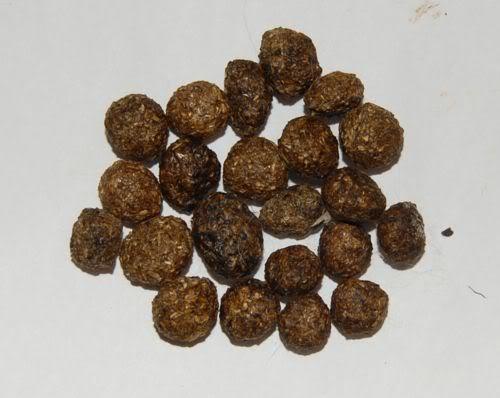
These droppings are unusually large and very light in color, with individual hay fibers often still visible. They occur when the diet contains a very high proportion of indigestible fiber.
Because these droppings are large, they are often mistakenly considered ideal or normal. Rabbit owners may therefore become concerned when their rabbit’s droppings become smaller and darker after a change in diet. However, so-called “hay poops” indicate that the diet contains too many indigestible components and does not provide enough nutrients. They are therefore not considered a natural or desirable type of rabbit poop.
The diet should be adjusted. Rabbits producing this type of poop often eat too much hay and not enough fresh leafy greens. A very high proportion of indigestible fiber can also mask digestive problems because it may obscure the true consistency of the droppings.
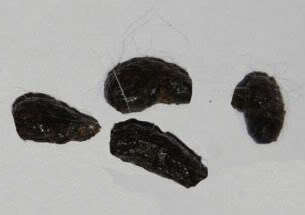
Small, Angular Rabbit Poop (“Hunger Poop”)
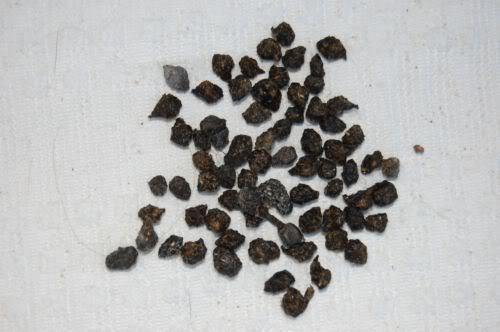
Reduced food intake can lead to extremely small, angular and very hard droppings. Instead of being round and relatively soft, these droppings are often irregular in shape and unusually hard. This type of poop usually indicates that the rabbit is eating too little. The underlying cause should be identified, as veterinary treatment and/or dietary changes may be necessary.
Very small droppings can also occur when the diet consists mainly of dry foods, such as dried herbs or seeds. An exception is a diet dominated by hay: because hay contains a very high proportion of indigestible fiber, much of it passes through the digestive tract undigested and can artificially increase the size of the droppings. If very small droppings are caused by a predominantly dry diet, the amount of fresh food should be increased significantly.
Reduced food intake itself can have various causes, including insufficient access to food, unsuitable food, or health problems such as tumors, digestive disorders or pain. Small, hard droppings may also occur shortly after anesthesia, when the rabbit has not yet returned to its normal food intake.
Poop Chains: Linked Droppings
Poop chains can occur when a rabbit is shedding and ingests fur while grooming itself or another rabbit. They may also occur when a companion rabbit grooms the shedding rabbit and swallows loose fur.
These chains form in the rectum, where fecal material is shaped into individual droppings. If the intestinal contents contain a large amount of undigested fur, the droppings may remain connected by strands of hair. As long as the poop chains are being passed normally, this is not usually a problem. However, if the fur remains in the digestive tract and contributes to a blockage, veterinary treatment is necessary.
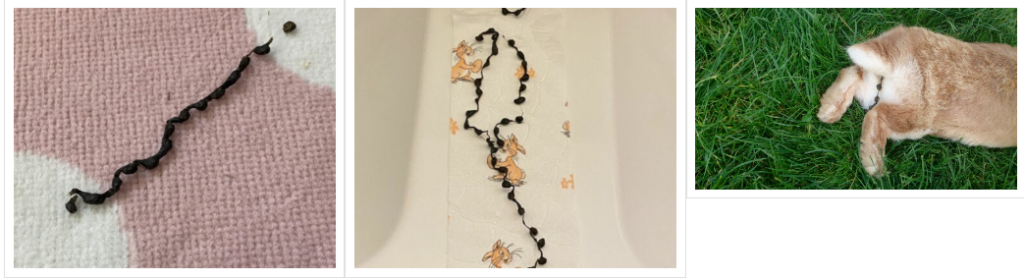
If your rabbit is producing poop chains, monitor it closely for changes in appetite and fecal output. If it stops eating or stops producing droppings altogether, seek veterinary care promptly.
Poop chains can also be caused by swallowed indigestible fibers, for example from carpets, or by poorly chewed food, such as in rabbits with dental problems.
Cecotropes, Soft Poop and Diarrhea
Mushy Rabbit Poop: Soft, Large or Misshapen Droppings
Mushy poop refers to droppings that are unusually soft and often larger or misshapen. It can occur after eating unfamiliar food, poor-quality food, or as a result of an unsuitable diet, for example one containing too many root vegetables, fruits, dry foods, or other foods high in sugar and starch. Mushy poop can be a precursor to diarrhea.
It is important to identify the possible cause, such as contaminated hay, unsuitable or poor-quality greens, or dietary imbalances, and to adjust the diet if feeding is responsible. If mushy poop occurs repeatedly, it is advisable to collect a fecal sample over three consecutive days and have it examined through a veterinary clinic or laboratory.
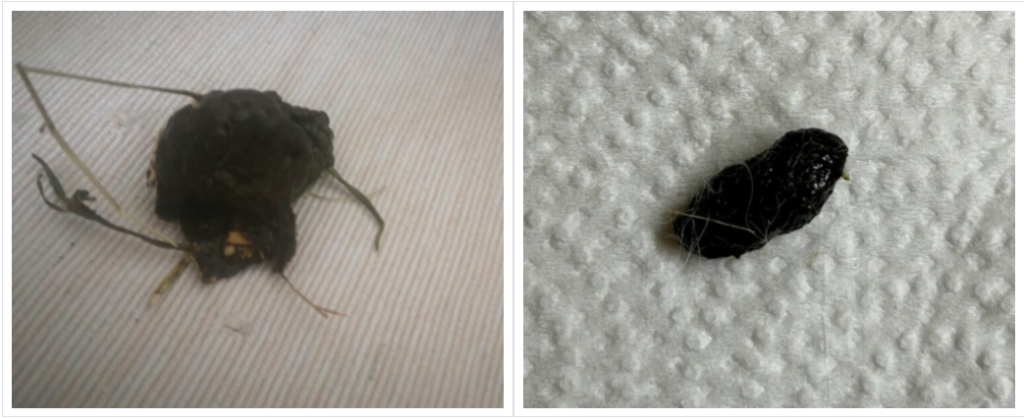
If mushy poop occurs only occasionally and the rabbit is otherwise healthy, a veterinary examination is not usually necessary.
Mushy poop is often confused with cecotropes that have been crushed or stepped on. Misshapen droppings may result from their unusually soft consistency, but they can also occur in rabbits with megacolon.
Diarrhea in Rabbits: Liquid or Watery Poop
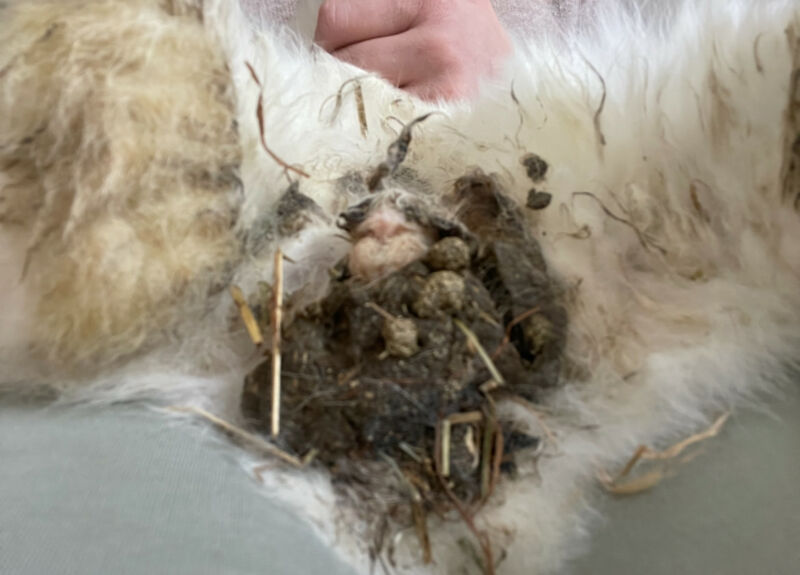
If your rabbit’s anal area is dirty or smeared with feces, or if you find watery, often light-brown poop in the bedding, this indicates diarrhea.
Diarrhea can have many different causes, including dental disease, an unsuitable diet, unfamiliar food, infections, parasites, poisoning, or diseases of the internal organs. A veterinarian should always be consulted, as untreated diarrhea can become life-threatening, for example due to dehydration.
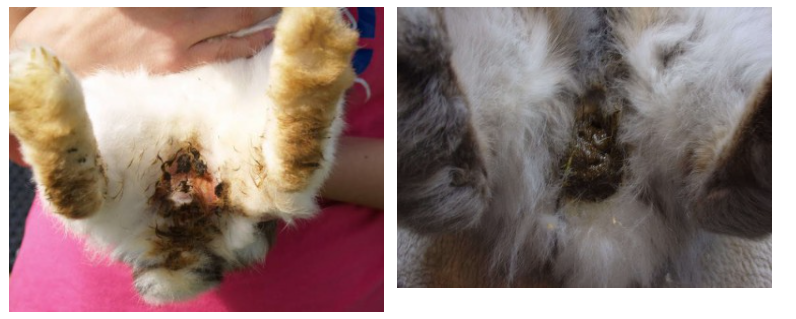
After the underlying cause has been treated, the soiled rear should be cleaned carefully. Fresh diarrhea can be removed with baby wipes, while dried or crusted feces may need to be softened by soaking the rabbit’s rear in a bowl of water. The genital area should also be cleaned thoroughly, as fecal material can collect around the genital region when the droppings are very soft or liquid.
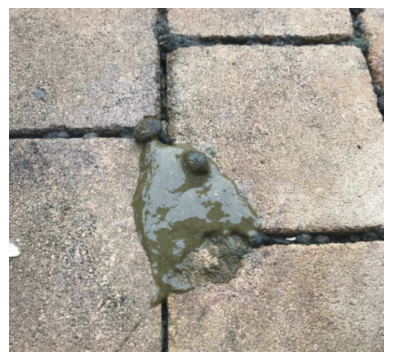
However, smeared or crushed cecotropes are often mistaken for diarrhea or mushy poop. Cecotropes may stick to the rabbit’s rear or be found crushed in the bedding if they have not been eaten. They are usually darker than diarrhea, and normal, well-formed droppings continue to be produced at the same time. With true diarrhea, normal droppings are no longer produced, and the diarrhea is usually somewhat lighter in color.
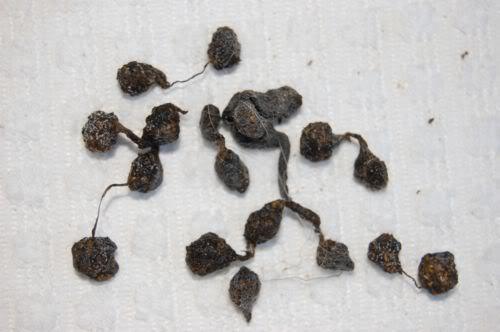
Cecotropes: Soft, Shiny Droppings
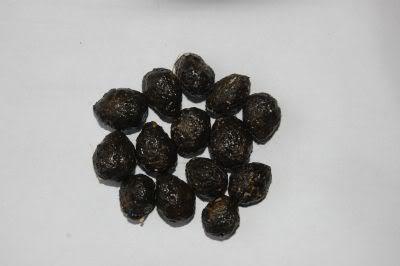
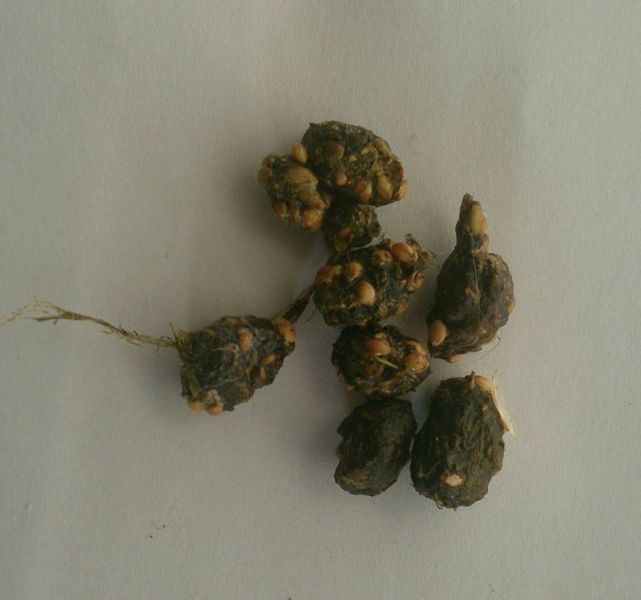
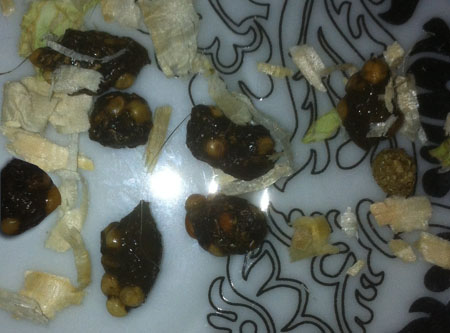
Cecotropes are very dark, often almost black or dark brown, and may sometimes have an olive-green color. They are soft and usually clustered together, giving them a grape-like appearance.
In addition to normal fecal pellets, rabbits also produce cecotropes. These are usually eaten directly from the anus, which is a completely normal behavior known as coprophagy. Cecotropes are rich in vitamins and other nutrients. By eating them, rabbits pass this material through the digestive system a second time, allowing important nutrients and vitamins to be absorbed in the small intestine and used more efficiently.
Cecotropes are covered by a shiny mucous layer called mucin. This protective coating helps prevent their contents from being absorbed or broken down before they are excreted and gives cecotropes their characteristic shiny, almost oily appearance.
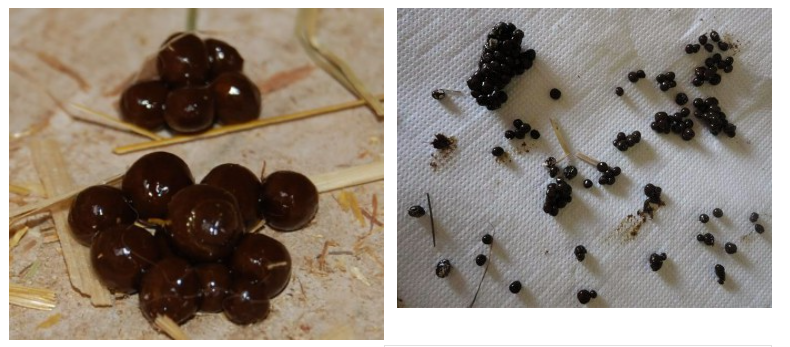
In some rabbits, cecotropes are rarely seen because they are eaten immediately after being produced. Other rabbits may leave behind small or even larger amounts. This is not necessarily a cause for concern. Rabbits whose diet does not provide enough energy are more likely to consume all of their cecotropes.
Visible cecotropes may also occur temporarily during a dietary transition to a more species-appropriate or more protein-rich diet, for example when switching to fresh meadow greens. Contrary to a common belief, the presence of uneaten cecotropes does not automatically indicate illness.
Diarrhea or Cecotropes? How to Tell the Difference?
Cecotropes can usually be distinguished from diarrhea or mushy poop by their color, shiny surface and characteristic grape-like shape. They are typically dark, soft and clustered together.
Unlike true diarrhea, cecotropes usually do not soil the anal area unless the rabbit sits in or crushes them. If cecotropes are repeatedly left uneaten or stick to the rear, there may be several possible reasons:
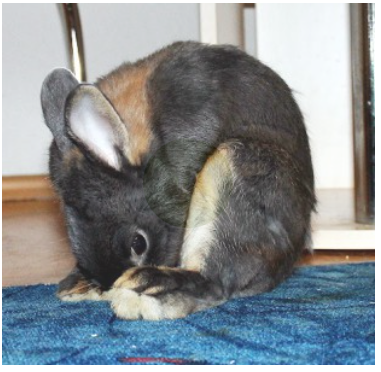
- Obesity: the rabbit may be unable to reach its anus to eat the cecotropes.
- Pain or restricted movement: for example due to joint problems, making it difficult to bend around.
- Altered taste: medications may make the cecotropes less palatable.
- Excessive cecotrope production: this may be related to the diet.
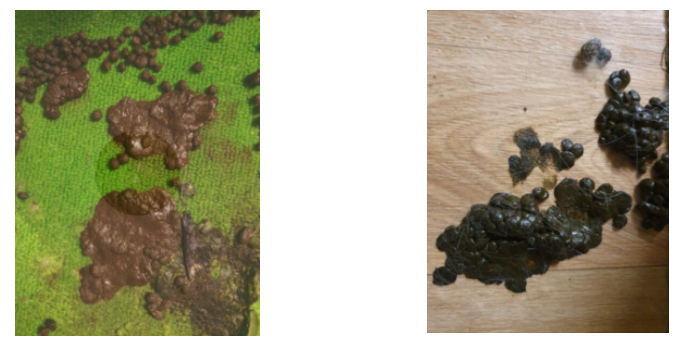
If your rabbit has what looks like “diarrhea” on its rear overnight but continues to produce normal, well-formed droppings in between, the soft material is actually cecotropes rather than true diarrhea.
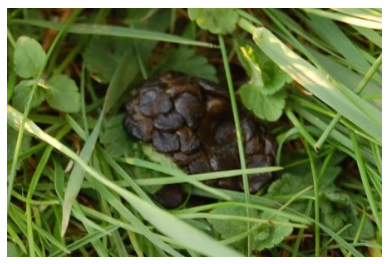
Why Is My Rabbit Producing Too Many Cecotropes?
If a rabbit leaves behind unusually large amounts of cecotropes, there may be underlying medical, dietary or other contributing factors that should be investigated:
- Coccidia and worms: Parasite infestations, particularly coccidia and intestinal worms, can lead to excessive amounts of uneaten cecotropes. A fecal examination can help determine whether parasites are present.
- Dry food: Feeding commercial dry foods can frequently contribute to uneaten cecotropes. In these cases, the diet should be reviewed and changed toward a species-appropriate diet without dry food.
- Excess energy or nutrients: An overly rich diet can increase the amount of cecotropes produced.
- Very crumbly foods: Foods that break down into fine particles may contribute to the problem. This can include pellets or other dry-food components that have been ground and then pressed or baked together. In some individual rabbits, certain types of hay, such as Black Forest hay, may also be associated with this problem.
- Dietary changes or large fluctuations in energy intake: For example, feeding mainly hay during the day and then large amounts of fresh or dry food at night can cause major fluctuations from low-energy to very energy-rich feeding.
- Medications or other factors that alter the taste of cecotropes: If the cecotropes taste unusual, rabbits may be less willing to eat them.
- Dried herbs: These may contribute particularly during dietary transitions or when the dried herbs are very fine or crumbly.
Sometimes the problem is not excessive production but the rabbit being unable to reach and eat its cecotropes. Arthritis or other painful conditions can make bending and grooming difficult because of pain or restricted movement.
- Obesity: Excess body weight can also prevent a rabbit from reaching its anus and eating the cecotropes.
Liquid or Mushy Cecotropes
If your rabbit is passing liquid or mushy cecotropes, this usually indicates inflammation of the cecum. The underlying cause is often dysentery associated with another condition, such as parasites (including coccidia or worms), spoiled or unsuitable food, an inappropriate diet such as one containing dry food, or severe stress. Yeasts or bacteria may also be involved.
In cases of dysentery, treatment typically involves enrofloxacin (Orniflox, Baytril). Depending on the urgency of the situation, a fecal sample may first be tested for bacteria to determine which antibiotic is likely to be effective. Parasites should also be ruled out or treated based on fecal testing. Collect droppings over three consecutive days and submit the sample to your veterinarian or a diagnostic laboratory.
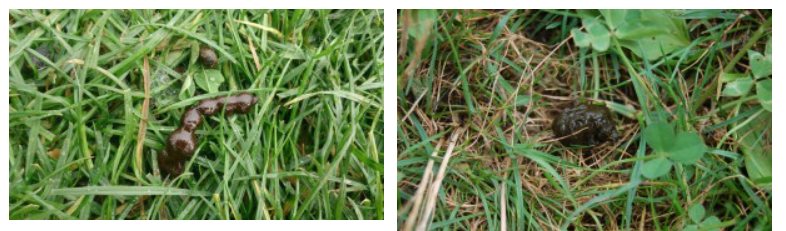
For dietary management, fresh meadow grass is ideal. Alternatively, feed leafy greens with culinary herbs making up no more than 10% of the diet. Avoid dried culinary herbs, choose low-energy hay containing only a small proportion of culinary herbs, offer bitter greens, keep cabbage to a minimum, avoid fruit, and give root vegetables only occasionally by hand as treats.
If the diet is already appropriate and fecal testing shows no parasites, bacteria are usually the cause. If antibiotic treatment provides only limited improvement or the problem returns after the medication is discontinued, an ultrasound examination is advisable. Other underlying problems, such as intestinal tumors or inflammation associated with impacted hairballs, may also be involved.
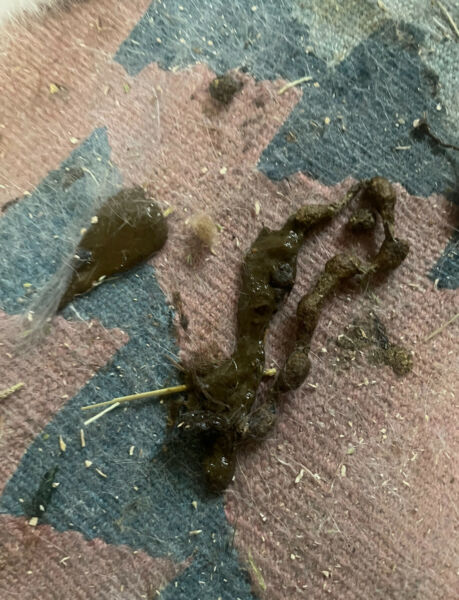
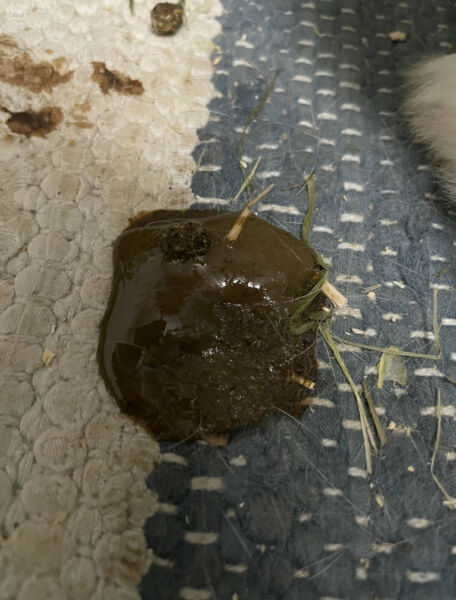
Unusual Rabbit Poop and Warning Signs
Worms in Rabbit Poop: White Threads or Worms
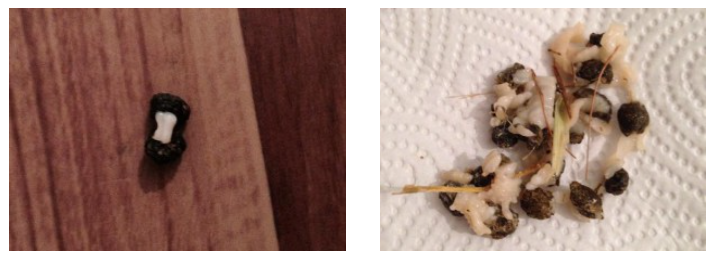
If a rabbit has an intestinal worm infestation, worms may occasionally be visible in the droppings. These are usually Passalurus ambiguus. The worms may still be alive when passed, but dead worms can also appear in the feces. They are often noticed as small white threads or stripes.
However, not every worm infestation is visible to the naked eye in the droppings. Worm infestations should be treated by a veterinarian. If you see suspected worms, collect some of the affected droppings in a clean bag or sample container and take them to your veterinary clinic for examination.
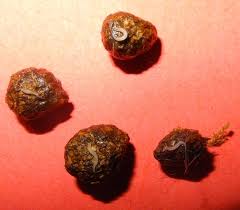
Dead Worms Passed During Treatment
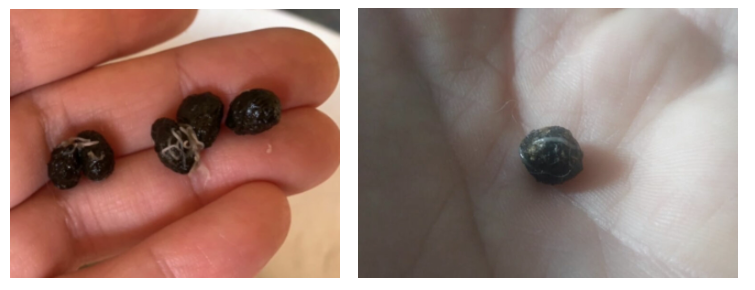
Tapeworm Infestation Before Treatment and Worms Passed After Treatment
White or Light-Colored Rabbit Poop
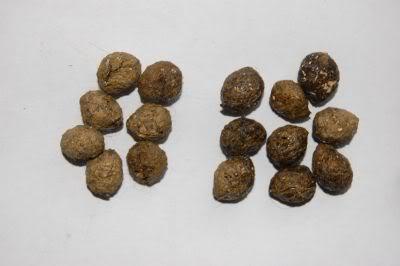
Normal rabbit droppings are usually dark brown to almost black, while droppings from a hay-dominated diet may be lighter brown depending on the type of hay. However, finding very light or even white poop in the enclosure is generally not a cause for concern.
Diet can influence the color of rabbit droppings considerably. Certain foods, such as Dari seeds, may make the poop very pale or even completely white.
White deposits on the surface of the droppings can also occur when urine flows over the poop and then dries. Rabbit urine contains calcium, which may leave visible white mineral deposits on the feces after drying.
Blood in Rabbit Poop
If bleeding occurs in the lower sections of the intestinal tract, blood may be deposited on the surface of the droppings, causing them to appear red or blood-stained.
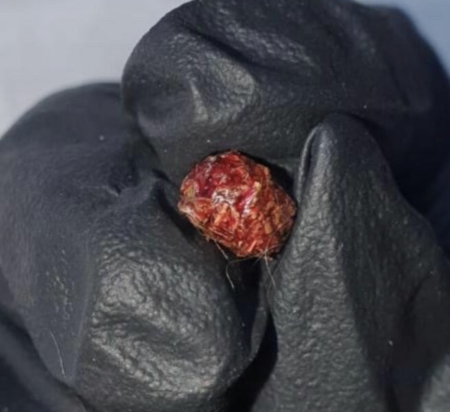
If you notice blood on or in your rabbit’s poop, consult a veterinarian promptly.

Large Rabbit Poop: What Does the Size Mean?
The size of rabbit droppings varies naturally from one rabbit to another. Larger rabbits generally produce larger droppings than dwarf rabbits, while young rabbits tend to produce smaller ones.
Poop size can also change temporarily for other reasons. Rabbits may produce larger droppings when they suddenly eat more than usual or during periods of heavy shedding. Rabbits with conditions such as megacolon may also produce unusually large or more misshapen droppings.
After an intestinal blockage has resolved, a particularly large fecal plug may sometimes be passed. If the droppings are not firm and well formed but instead soft or mushy, see the section on “Mushy Poop” above.
Poop in Rabbits with Megacolon Syndrome
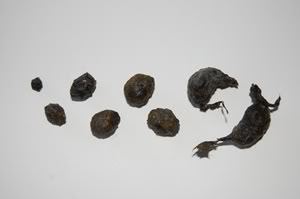
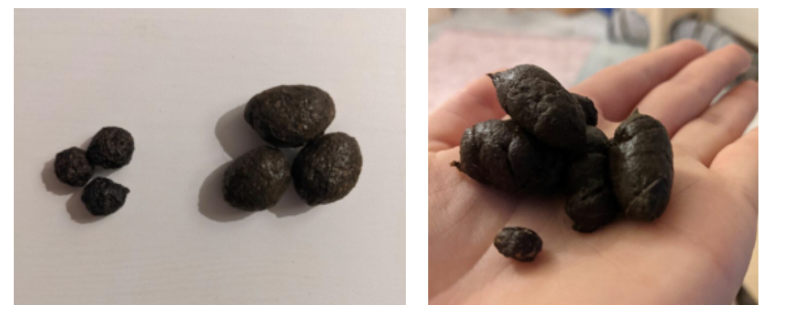
Very large droppings in relation to the rabbit’s body size, often combined with a slightly misshapen appearance, can be typical of rabbits with megacolon syndrome. These rabbits may also be particularly prone to diarrhea and other digestive disorders.
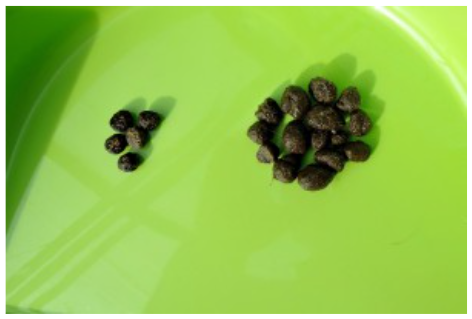
Megacolon Poop
Left: Normal droppings. Center: Large droppings. Right: Misshapen, mushy droppings.
Mucus in Rabbit Poop: Clear or Slightly Discolored Discharge
This condition is caused by fibrin and is associated with chronic inflammation of the intestinal lining or with antibiotic use (enteritis). In these cases, the inflamed intestinal lining may be shed and expelled as clear or slightly discolored mucus.
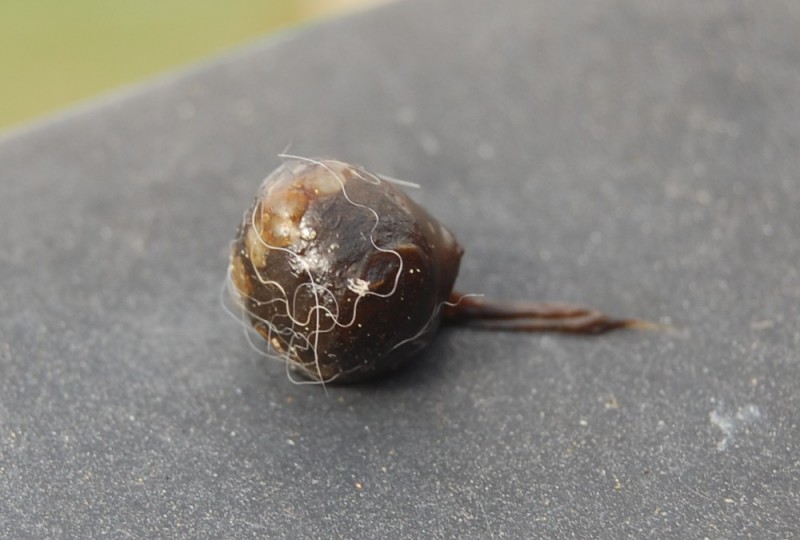
Mucus in Rabbit Poop: Clear or Slightly Discolored Discharge
This condition is caused by fibrin and is associated with chronic inflammation of the intestinal lining or with antibiotic use (enteritis). In these cases, the inflamed intestinal lining may be shed and expelled as clear or slightly discolored mucus.
A wide range of intestinal diseases can be responsible, including coccidia, bacteria, yeasts, hairballs, or underlying conditions such as intestinal paralysis. The latter is often seen as a hereditary disorder in spotted rabbits and may occur together with coccidia or yeast overgrowth.
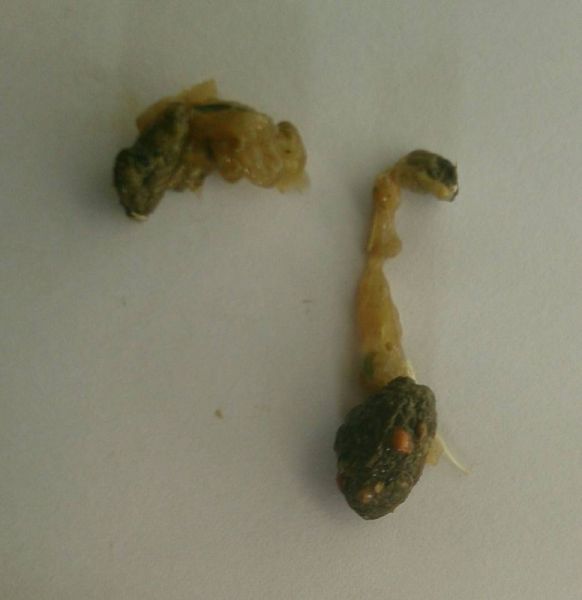
Medications that can damage or irritate the intestinal lining, such as Panacur, may also trigger inflammation in some cases. Mucus in the feces can also occur after an intestinal blockage.
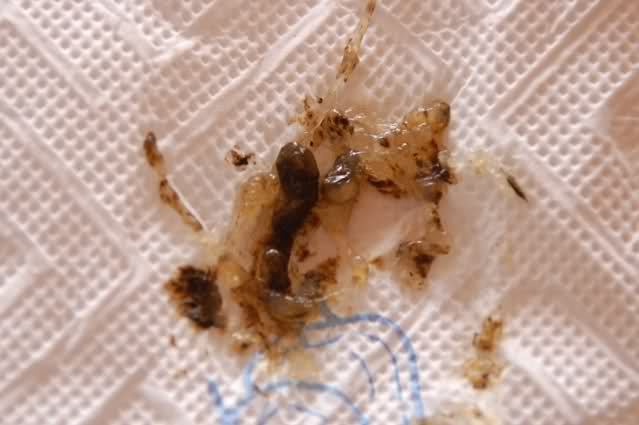
If clear mucus is found in your rabbit’s poop, the underlying cause should be investigated urgently by a veterinarian. This may involve fecal testing as well as additional diagnostic examinations. Collect droppings over three consecutive days and submit the sample to your veterinarian or a diagnostic laboratory.
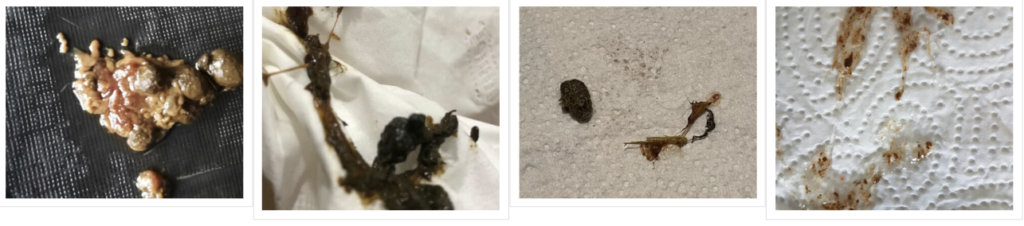
White, Thick Discharge or Mucus in Urine
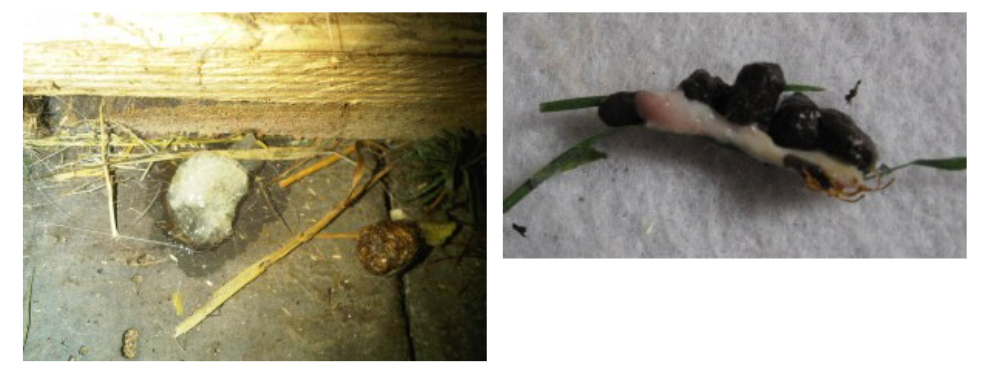
If you find white mucus or thick discharge in the enclosure, it may originate from the vagina. Vaginal discharge in rabbits is a sign of illness and should be assessed by a veterinarian as soon as possible, as a uterine infection may be the cause. The discharge is often mixed with urine or feces.
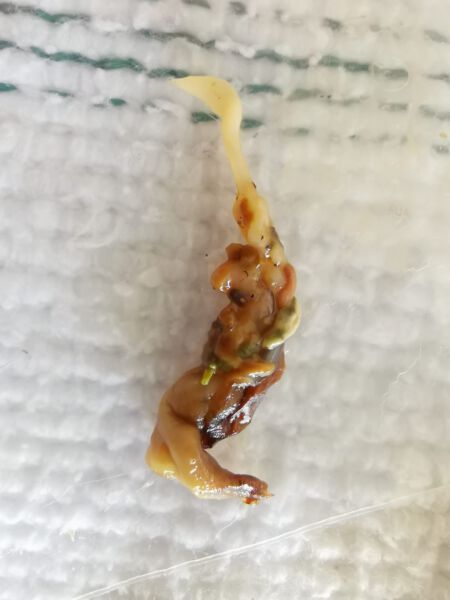
Mucus found in the urine may not only indicate a uterine infection but can also occur with a bladder infection. Uterine discharge is sometimes passed together with urine, which can make the source difficult to distinguish. In general, uterine discharge is usually thicker than mucus associated with a bladder infection. Bladder-related mucus is more mucus-like than normal urine but is typically less thick than uterine discharge.
Undigested Food in Rabbit Poop
If a rabbit eats too quickly, has dental problems, or is given unsuitable food components, parts of the food may not be chewed properly. As a result, they may not be fully digested and can remain visible in the droppings, similar to undigested hay fibers.
The best way to address this is to identify and stop feeding the food components involved and/or reduce rapid eating. If dental problems are the cause, they should be treated accordingly.
Large rabbit breeds in particular may sometimes chew less thoroughly and swallow individual food particles without properly chewing them first.
Rabbit Urine: Colors, Changes and Warning Signs
Urinary Sludge: Gritty or Thickened Urine
Bladder sludge, which may appear as gritty or thickened urine, can occur due to genetic predisposition, increased calcium intake and, most importantly, insufficient water intake. As part of the treatment, alongside veterinary care, the diet should be made as water-rich as possible by providing unlimited fresh food. See the section on calcium for more information.
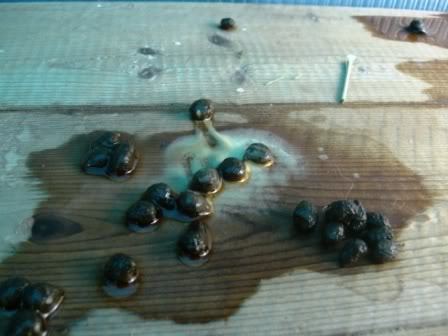
If bladder sludge is being passed in the urine, this is generally a positive sign, as the main problem occurs when the sediment remains in the bladder. However, if sludge is visible in the urine, an X-ray should be performed to determine whether and how much sediment is still present in the bladder or urinary tract.
If deposits remain, veterinary treatment may be necessary, for example fluid therapy or infusions.
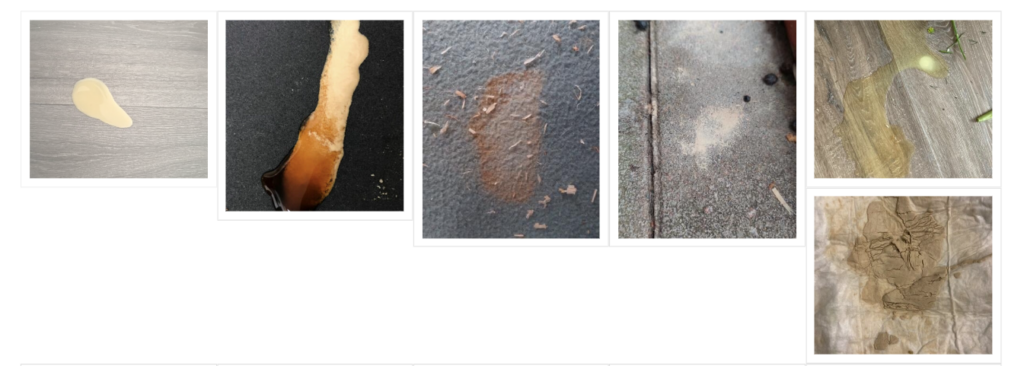
Bladder sludge visible as gritty sediment in rabbit urine
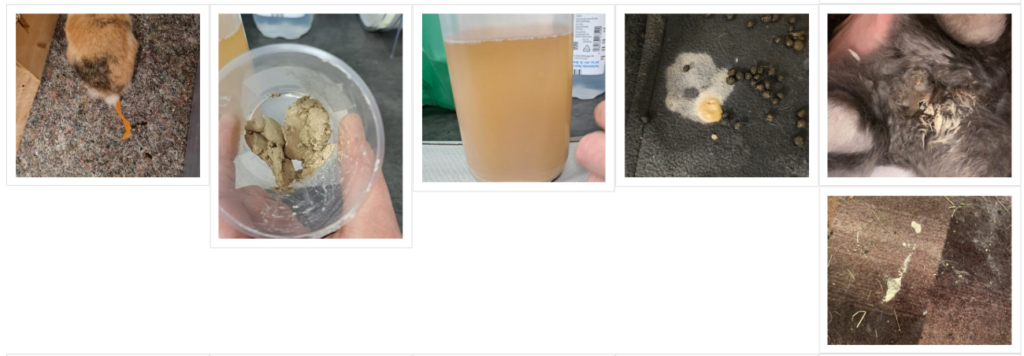
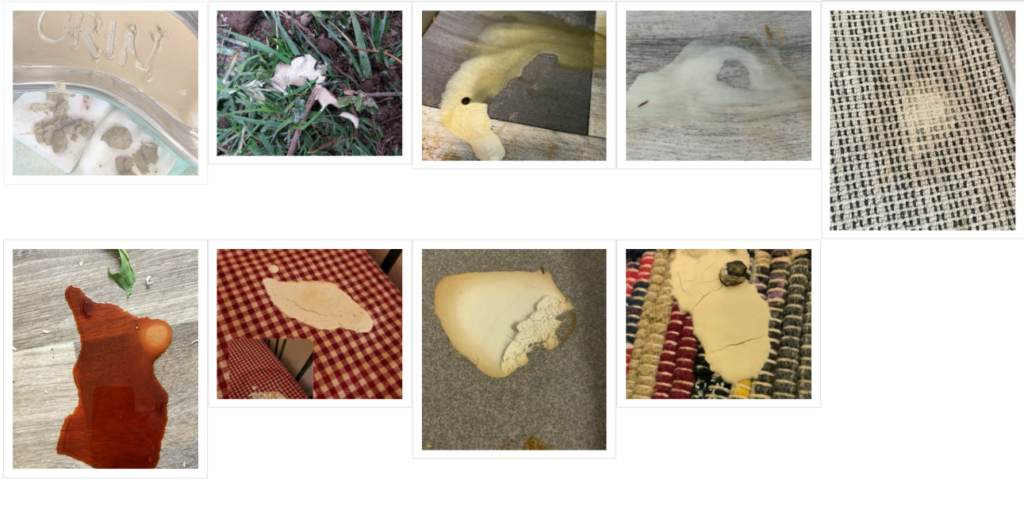
Examples of gritty urine and bladder sludge in rabbits
Red, Orange-Brown or Black Rabbit Urine
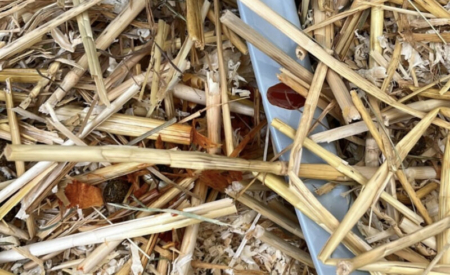
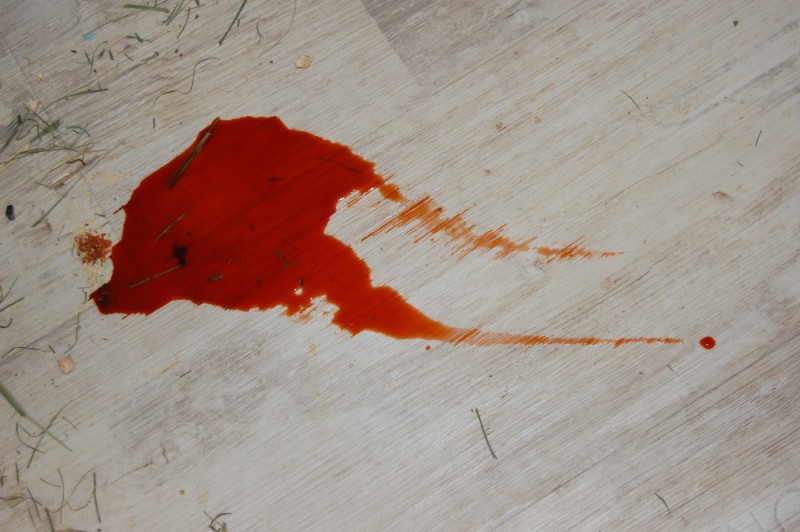
Rabbit urine can appear red, orange-brown or even black due to pigments from certain foods. The food responsible does not necessarily have to be red or brightly colored. Many different foods can cause this type of discoloration, making it impossible to provide a complete list. Examples include dandelion, hazelnut and carrot tops.
Urine that remains in bedding for some time may also change color and become orange, reddish or brown due to oxidation after contact with oxygen in the air.
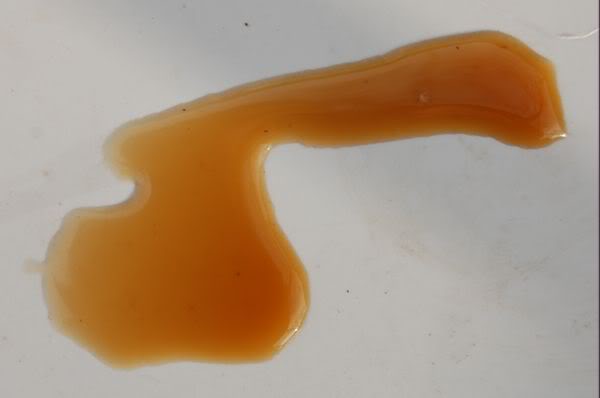
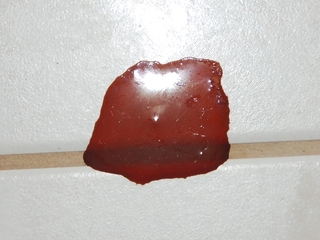
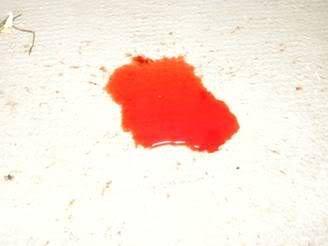
Certain medications can also cause reddish urine. Some rabbits may produce red urine during stressful situations, for example during bonding or socialization. Reddish urine is also sometimes passed during territorial marking, possibly because it has a stronger odor. Pigments produced by the body itself, including bile pigments, porphyrins and melanin, can also contribute to urine discoloration.
In general, uniformly colored red, orange-brown or dark urine is not usually a cause for concern. If the entire volume of urine were red because of blood, a considerable amount of blood would be required, and the rabbit would already be experiencing significant blood loss.
It is also important to remember that rabbits do not menstruate and therefore do not have menstrual bleeding.
If You Are Still Unsure
If you are unsure whether red urine contains blood, the urine can be tested with urine test strips at your veterinarian’s office. Test strips can also be purchased from pharmacies, online, or as part of a home medical kit, for example Combur 5 test strips.
If blood is present, the erythrocyte/blood field on the test strip will show a positive result. Depending on the underlying condition, other values may also be abnormal, for example protein as a result of bleeding. The urine pH of a healthy rabbit is typically between 8 and 9. Follow the instructions supplied with the test strips when interpreting the results.
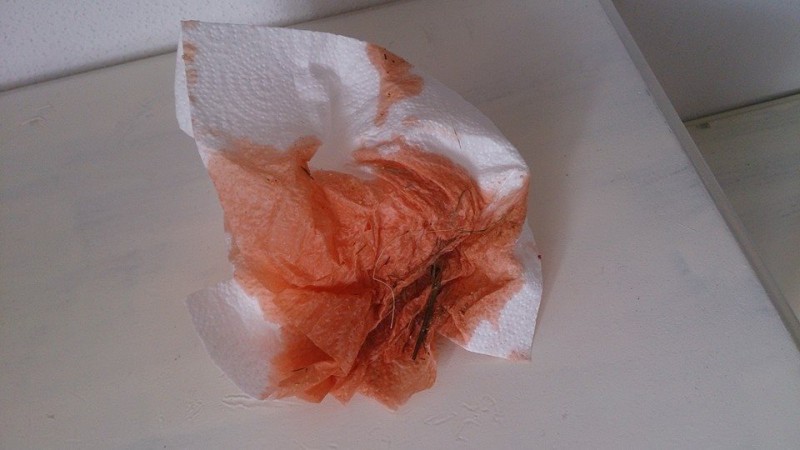
Another simple way to assess red urine is to absorb some of it with a white tissue and allow it to dry. If it turns a pronounced dark brown as it dries, this indicates the presence of blood. If it remains red, it may either contain blood or simply be discolored by pigments.
Normal-Colored Urine with Red Streaks, Drops or Spots
If you notice a red streak, drop or spot in otherwise normally colored urine, this indicates the presence of blood. A veterinarian should be consulted as soon as possible, because visible blood usually means that a significant amount is already being lost. Smaller amounts of blood may not be visible, and the urine may still appear normal.
With bladder infections or injuries to the urinary tract, the blood is usually mixed throughout the urine. In contrast, uterine disease may cause distinct drops or streaks of blood to appear in otherwise normally colored urine.

Slightly Cloudy Rabbit Urine
Normal urine from healthy rabbits is often slightly cloudy.
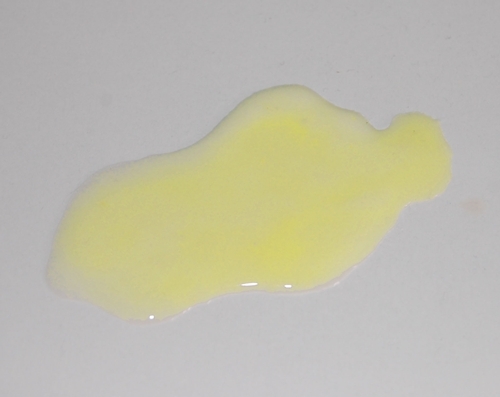
Normal slightly cloudy rabbit urine caused by calcium excretion
As rabbit urine dries, white deposits may form on the surface. This is completely normal. Rabbits naturally have pronounced physiological crystalluria because of the way their bodies process and excrete calcium. The slight cloudiness is caused by calcium being excreted in the urine.
Very Cloudy, Milky or White Rabbit Urine
If the urine is not just slightly cloudy but very cloudy, milky or white, this usually indicates a diet that is low in fresh food and contains a high proportion of dry components.
To reduce the risk of kidney and bladder disease, the amount of fresh food in the diet should be increased significantly.
Mucus in Rabbit Urine
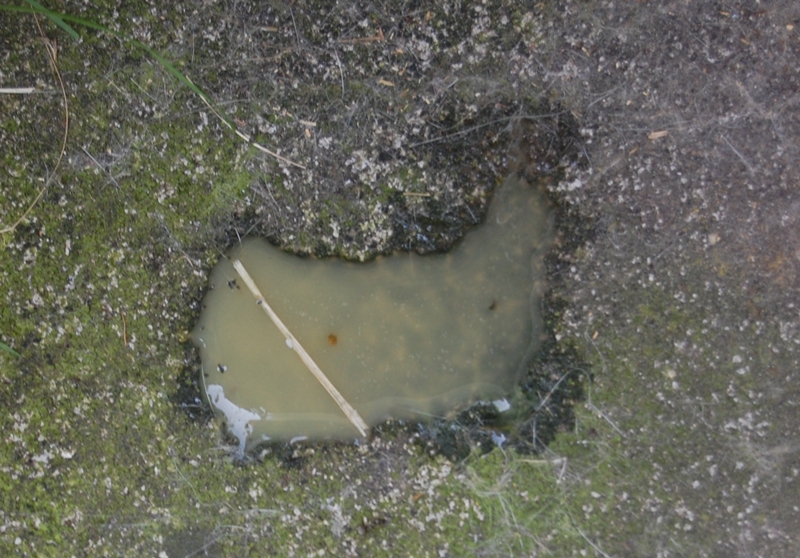
Mucus in rabbit urine can have several causes, and a small amount may be normal. An increased amount of mucus may indicate a bladder infection, which can be associated with a high leukocyte count and may be detected with a urine test strip. Other possible causes include infection with mucoid E. coli strains or uterine disease.
Clear, Yellow Rabbit Urine
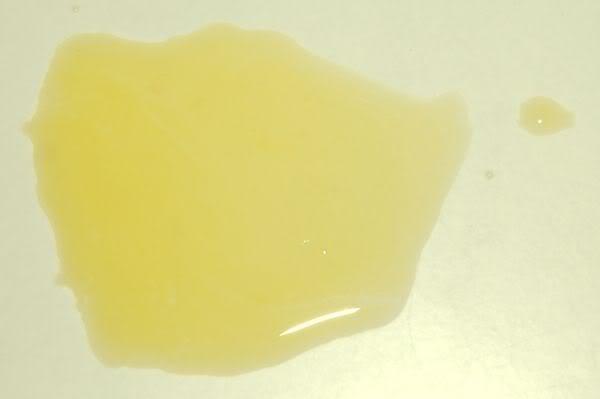
Clear, yellow urine can result from a high water intake and is completely harmless in this case. The most common cause is a healthy diet rich in fresh food. The high proportion of fresh food increases water intake, which dilutes the urine and helps reduce the risk of urolithiasis (urinary stones).
However, clear urine can also indicate calcium deficiency. This may occur with chronic kidney disease or with a diet that is too low in calcium. Diabetes or other diseases can also cause unusually clear urine, although in these cases the urine is often not completely transparent.
Young rabbits, as well as pregnant or nursing does, may also produce clear urine because calcium is being used intensively for bone development or milk production. In these cases, calcium requirements are increased and the diet should be adjusted accordingly.
If clear urine is not associated with a fresh food-rich diet, consult a veterinarian to discuss possible underlying causes, treatment options or dietary adjustments.
About This Article
Original content by Viola Schillinger, veterinarian
Veterinarian specializing in rabbit health, nutrition and species-appropriate husbandry, and founder of Kaninchenwiese.de, a long-established German rabbit care and health resource reaching around 500,000 visitors per month.English translation and adaptation by Erika Kühne Escobar
Medically reviewed by Viola Schillinger, veterinarian
Last medically reviewed: August 2026
Sources:
Kieckhäven, S., & Wolf, P. (2016). Untersuchungen zum intestinalen Mikrobiom bei Kaninchen-Literaturstudie. Züchtungskunde, 88(3).
Meredith, A. L., & Prebble, J. L. (2017). Impact of diet on faecal output and caecotroph consumption in rabbits. Journal of Small Animal Practice, 58(3)
Wang, Z., He, H., Chen, M., Ni, M., Yuan, D., Cai, H., … & Xu, H. (2023). Impact of coprophagy prevention on the growth performance, serum biochemistry, and intestinal microbiome of rabbits. BMC microbiology, 23(1), 125.