
Coccidiosis (Infection with Coccidia, Eimeriosis)
Coccidiosis is the most common parasitic disease in rabbits. It can cause significant losses in young rabbits at weaning age, and even adult rabbits—especially weakened animals—can develop the disease.
Coccidia are single-celled parasites that live in the gastrointestinal tract of rabbits. During their development cycle, they reproduce in the intestines and damage the intestinal lining. Numerous coccidia species infect rabbits, all of which belong to the genus Eimeria. These parasites are widespread in both commercial breeding facilities and private rabbit care.
Species
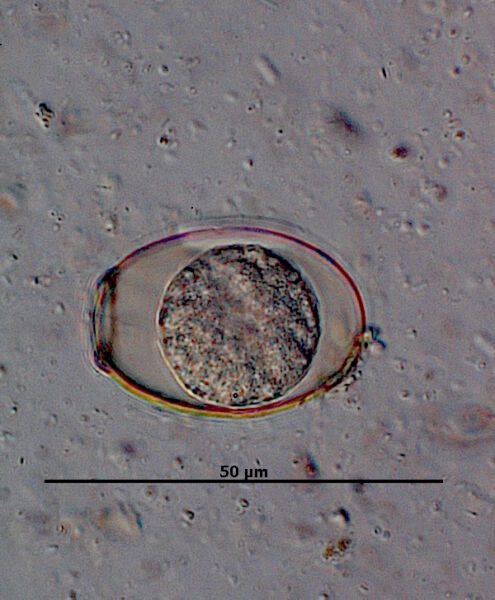
Many Eimeria species have been identified in rabbits, including Eimeria stiedai, Eimeria magna, Eimeria perforans, Eimeria media, Eimeria irresidua, Eimeria piriformis, Eimeria coecicola, Eimeria elongata, Eimeria intestinalis, Eimeria matsubajashii, Eimeria nagpurensis, and others.
The pathogenicity of rabbit coccidia varies between species and depends on their reproductive cycles in the intestines, known as merogony. Species that undergo multiple merogonies, such as Eimeria flavescens and Eimeria intestinalis, are considered more harmful than other Eimeria species.
The development of clinical coccidiosis also depends on other factors, including whether multiple Eimeria species infect the rabbit simultaneously and damage different sections of the intestines. The severity of the disease is further influenced by the extent of the infestation and the presence of secondary bacterial infections, such as Escherichia coli strains or Clostridium spp.
However, mixed infections with different species of coccidia are also often present!
Causes of Coccidiosis in Rabbits
- Infection from the mother or other rabbits: Young rabbits are often become infected with intestinal coccidia from their mother, in pet shops, through contact with other rabbits, or via contaminated food or soil (e.g. meadows inhabited by wild rabbits). Rabbits from large-scale breeding facilities, pet shops, or small animal markets are often heavily infected.
- Introduction of infected rabbits: Before introducing a new rabbit to the group, have a fecal sample examined by a veterinarian or laboratory. Fecal examinations are also recommended before vaccination, whenever coccidiosis is suspected, and at least once a year. Heavy coccidia infestations may reduce the effectiveness of vaccination.
- Stress: Stress can lead to a rapid increase in coccidia. Common stress factors include introducing new rabbits, disharmonious groups, moving, frequent handling, rough treatment, solitary housing, limited space (such as cage or hutch housing), veterinary visits, and unfamiliar environments. Rabbits that previously showed no symptoms may suddenly develop clinical disease.
- Inappropriate diet: Feeding can disrupt the intestinal balance. Rabbits that are fed primarily dry food (pellets, mixed feed, or large amounts of grains and seeds), treats, excessive root vegetables or fruit, or other unsuitable foods instead of a diet based mainly on fresh greens are more susceptible to coccidiosis.
- One-sided nutrition: A one-sided diet also promotes coccidia, especially when owners avoid many plants unnecessarily. Rabbits require a wide variety of plants and their secondary plant compounds to remain healthy. Toxicity information intended for dogs, cats, horses, or humans is often incorrectly applied to rabbits, although they are not affected in the same way.
- Contaminated environment: Heavily contaminated ground, such as overcrowded grazing areas, unhygienic hutch floors, or contaminated soil, can overwhelm the rabbit’s immune system and allow coccidia to multiply. This is usually less of a problem on well-vegetated meadows. Muddy or heavily soiled areas should be avoided. Hygienic flooring in enclosed hutches (e.g. paving stones) and pasture rotation in outdoor runs are recommended.
- Wild rabbits: Wild rabbits can transmit coccidia to domestic rabbits if they have access to the same grazing areas.
- Megacolon syndrome: Megacolon syndrome promotes coccidia.
- Poor hygiene: Poor hygiene and infrequent cleaning promote coccidia.
- Food contaminated with feces: Do not place food directly on the ground, as it can become contaminated with feces. Use hay racks and clean food and water containers daily.
- Disturbed gut flora: A compromised gut flora, for example due to medication, anesthesia, early separation from the mother, genetic diseases, or stress, provides an ideal breeding ground for coccidia.
- Other diseases: Other diseases often weaken rabbits, allowing coccidia to multiply more easily.
- Growth and weaning: In young rabbits, coccidia may occur without an obvious cause during growth. Outbreaks are particularly common during weaning and after moving to a new home.
- Damp housing conditions: A damp or humid hutch climate, wet bedding, and rainy weather promote coccidiosis. Rabbits should always have access to sufficient dry and sheltered areas.
- Lack of exercise: Plenty of exercise supports healthy digestion and helps prevent coccidiosis.
Forms of Coccidiosis in Rabbits
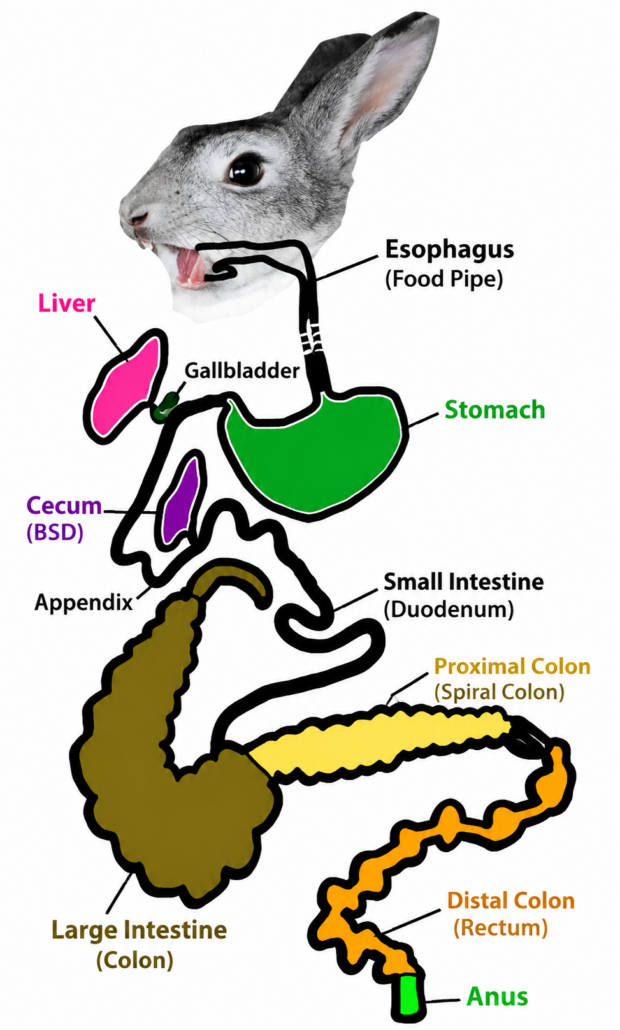
Two forms of coccidiosis occur in rabbits: hepatic coccidiosis (liver) and intestinal coccidiosis.
Hepatic Coccidiosis (Biliary Coccidiosis)
Hepatic coccidiosis is more accurately described as biliary coccidiosis, as the parasites multiply in the bile ducts of the liver. It is caused by Eimeria stiedai. The parasitic stages enter the intestines via the bile and are excreted with the feces as so-called oocysts. Under warm and moist conditions, these oocysts can remain infectious in the environment for months. Transmission occurs when rabbits ingest contaminated food or other contaminated material.
Affected rabbits may develop liver problems, diarrhea, and digestive disturbances. This form primarily affects older adult rabbits and causes swelling and inflammation of the bile ducts. Grayish-white, abscess-like nodules develop in the liver.
Typical signs include:
- Gradual weight loss
- Dull coat
- Poor general condition
- Reduced appetite
The symptoms are similar to those of other liver diseases. Hepatic coccidiosis should therefore always be ruled out by fecal examination (although coccidia are not always shed) and liver ultrasound.
Intestinal Coccidiosis
In intestinal coccidiosis, coccidia multiply within the intestinal wall, where they damage the intestinal tissue. Eimeria flavescens and Eimeria intestinalis are considered particularly pathogenic species, although mixed infections with other intestinal Eimeria species are common.
Affected rabbits often develop:
- Digestive disturbances
- Watery or foul-smelling diarrhea
- Bloating
- Loss of appetite
Deaths may occur, particularly in young rabbits.
Coccidiosis is the most common cause of death in young rabbits. Because their immune system is less developed than that of adult rabbits, they are especially susceptible to intestinal coccidia. Female rabbits before pregnancy and weaned rabbits should therefore be examined thoroughly for coccidia and treated if necessary.
Intestinal coccidia may also be present without visible signs of disease, especially if rabbits have developed partial immunity or are infected with less pathogenic species. In many groups, all rabbits are infected, but only weakened individuals develop clinical signs.
If the parasites multiply excessively or if the rabbit is stressed or weakened, clinical coccidiosis can also develop in adult rabbits.
Possible signs include:
- Recurring gastric dilatation
- Gas accumulation
- Gastric overload
- Less commonly, foul-smelling diarrhea
- Increased production of cecotropes
- Misshapen or soft feces
- Weight loss
- Bloated abdomen
- Reduced feed intake
- Other digestive disturbances
Affected young rabbits are often emaciated or show poor growth and delayed development. In severe outbreaks, mass deaths may occur. In some cases, coccidiosis can also cause paralysis, discharge from the mouth and nose, fever, and convulsions. In advanced stages, rabbits may stop eating completely or become lethargic. White, thickened areas may be visible in the intestines.

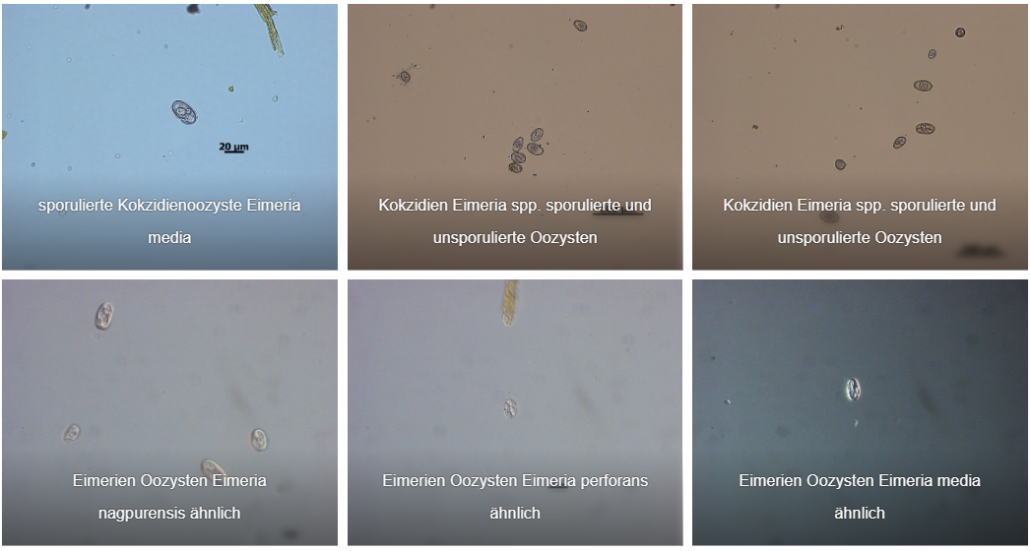
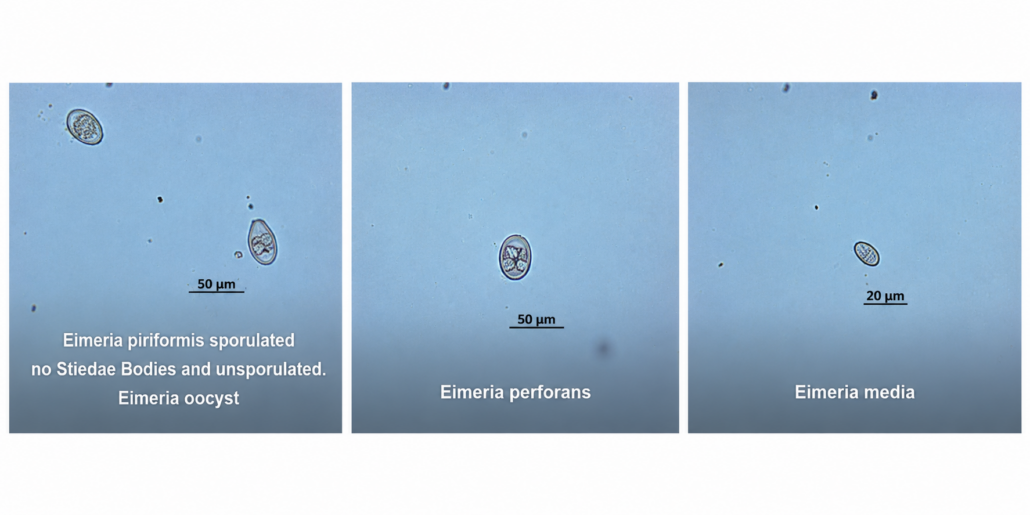
Diagnosis: How Are Coccidia Detected in Rabbits?
Coccidia are detected by examining a fecal sample using the flotation method. Since coccidia are not shed continuously, feces should be collected for at least two days, preferably over three days, before examination. The sample can be analyzed by a veterinarian or sent directly to a laboratory.
To detect coccidia as early as possible, it is recommended to:
- Have rabbits tested for parasites at least once a year, ideally before vaccination.
- Examine newly acquired rabbits for intestinal parasites before introducing them to other rabbits.
After infection, coccidia become detectable in the feces after:
- 5–10 days for intestinal coccidia.
- 14–18 days for liver coccidia (Eimeria stiedai).
Hier ist eine SEO-optimierte und sprachlich geglättete Version, ohne neue Informationen hinzuzufügen oder Aussagen zu verändern:
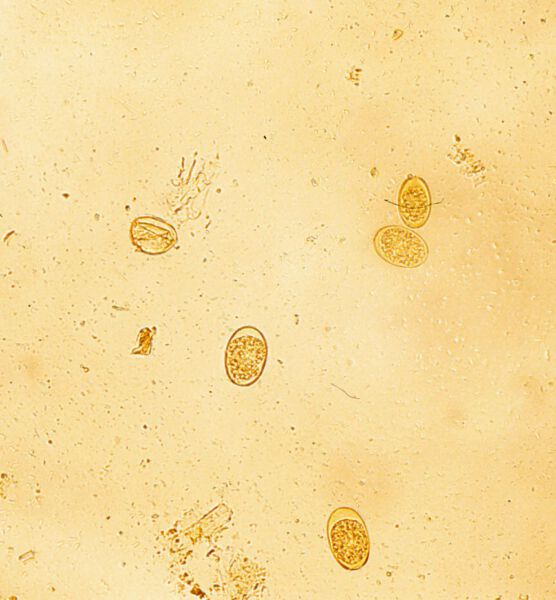
Treatment and Care for Coccidiosis in Rabbits
Coccidiosis should never be taken lightly. Prompt veterinary treatment is essential. Untreated young rabbits can die quickly from coccidiosis or its complications, and weakened or chronically ill adult rabbits are also at high risk. In rabbit breeding, mass deaths of young rabbits due to coccidiosis are common.
Treatment should begin as soon as coccidia are detected in a fecal sample.
The following rabbits should be tested for coccidia:
- Newly acquired rabbits
- Rabbits being rehomed
- Young rabbits
- Breeding rabbits before mating
- Rabbits before each vaccination, including those in hobby breeding, to ensure optimal vaccine effectiveness
Your veterinarian will prescribe an appropriate anticoccidial medication. Depending on the infection status, it may not be necessary to treat every rabbit in the group. Follow your veterinarian’s recommendation. Medication should always be administered directly, as treatment via drinking water or food often results in inaccurate dosing because individual rabbits consume different amounts.
Medications for Coccidiosis
- Toltrazuril (Baycox®): 10–15 mg/kg (0.2–0.3 ml/kg). Toltrazuril is one of the most commonly used medications, although some rabbits may refuse food or eat less during treatment. Only the white 5% suspension is suitable for rabbits. The transparent 2.5% formulation is intended for poultry and is unsuitable for rabbits because it is highly irritating to the mucous membranes. The formerly recommended 3-3-3 treatment schedule (3 days treatment, 3 days break, 3 days treatment) has largely been replaced by the better-tolerated 2-5-2 schedule (2 days treatment, 5 days break, 2 days treatment), following the manufacturer’s recommendation.
- Diclazuril (Vecoxan®): 2.5 mg/kg (1 ml/kg). Diclazuril is generally better tolerated but less widely known. In large rabbit populations with repeated use, resistance develops more quickly. A dose of 1 ml/kg is recommended. In rabbits without clinical signs and with a low parasite burden, a single dose or treatment on two consecutive days may be sufficient. For severe infestations or clinical disease, the 2-5-2 treatment schedule is recommended.
Other Medications
- Sulfamethoxypyrazine (Davosin®)
- Sulfathiazole (Eleudron®)
- Sulfaquinoxaline (Nococcin®)
- Sulfadimethoxine (Kokzidiol SD®, Retardon®)
Oregano and Garlic
The effectiveness of oregano and garlic against coccidia has been confirmed in a study (Nosal et al. 2014). According to the study, both showed a better effect than Baycox®, resulted in better weight gain, and led to the lowest coccidia shedding compared with untreated rabbits and rabbits treated with Baycox®. Oregano oil is commonly used, and a list can be found below.
Hier ist eine SEO-optimierte Version ohne neue Informationen. Ich habe lediglich den Text strukturiert, sprachlich geglättet und die Lesbarkeit verbessert.
Prevention of Coccidiosis in Rabbits
In addition to veterinary treatment, several supportive measures can help during therapy. These supplements may also be used preventively.
The following products support the gut flora and may indirectly help fight coccidia or reduce the risk of reinfection:
- RodiCare akut
- Rodicolan
- Colosan
- Herbi Colan
Dandelion juice: Offer dandelion juice (available from health food stores, organic shops, or online retailers) as drinking water.
Oregano oil: Oregano oil is an effective option for preventing coccidia and reducing the parasite burden in affected rabbit populations. It is also used in agriculture, typically via drinking water, and its efficacy has been scientifically demonstrated (Nosal et al. 2014) and confirmed by owner experience. Oregano oil also helps keep drinking systems free of algae, even at high temperatures. Rabbits usually accept its mild oregano flavor well. If rabbits drink only small amounts of water, oregano oil can also be mixed with their food. Combined with regular fecal examinations, oregano oil can be a useful tool for coccidia prevention.
Caution! Never use pure essential oregano oil! The oils for food and water are highly diluted (10%) and should only be added to water and food drop by drop.
Commonly Used Products
Feed Oils
- Probac Brockamp Oregano Oil: 5ml oil per 1kg of food, 2-3 times/week, approximately €39.00/l
- ROPA-B FEEDING OIL 2%: 5ml per kg of food, for 4-5 days per week, €15.95/l
- ROPA Poultry Feeding Oil: 5ml per kg of food, for 4-5 days per week, approximately 500ml/€14 = €28/l
- Röhnfried Darmwohl 250ml, €12.50 ( €38/l)
Drinking Water Oils (with emulsifier) – Are the rabbits drinking enough?
(These can also be mixed into the food or sprayed over the food.)
- Ropadiar Solution Oregano Oil 10%, 2-3ml per 10 liters of water, approximately €39.90/l
- ROPA-B LIQUID 10%, 15ml per 10 liters of drinking water, for 3-4 days per week, approximately €49.95/l
- DOSTO® Liquid 10%, approximately 20ml per 1 liter of water, €25/250ml or approximately €53.50/l
- Dosto WG Ropa Liquid 12%, 1ml per 3 liters of drinking water, approximately €26/300ml
- Becker Enterosan Liquid, 5ml per 10 liters of water, €24.50/250ml
- Röhnfried UsneGano Oregano-Bartflechten-Mix, 3%, 3ml per 1 liter of drinking water, approximately €46/l, daily or 2-3 times per week, 3ml/liter of water
- Procura® 10% solution, 5-20ml per 10 liters of water
Administration Tips:
- Spray the diluted oregano drinking water oil onto the leafy greens using a clean plant sprayer.
- Soak Cuni Complete in oregano oil-water mixture.
- Mix oregano oil into their favorite food.
Hier ist der Text nur sprachlich geglättet und besser strukturiert, ohne neue Informationen hinzuzufügen oder Aussagen zu verändern:
Nutrition in Coccidiosis
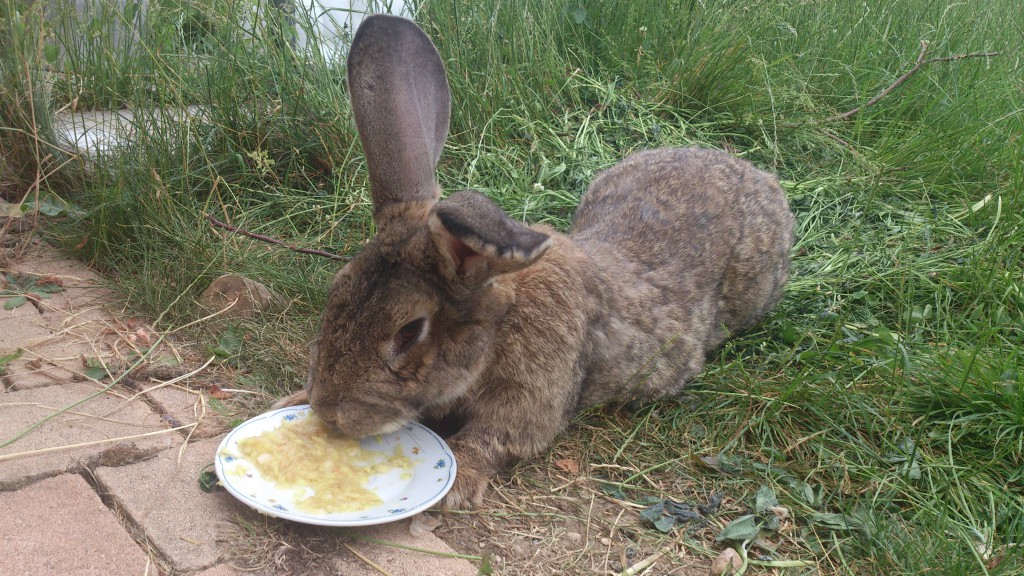
When treating coccidiosis, it is important to provide a strengthening diet that supports gut health, with a focus on herbs that promote a healthy digestive tract.
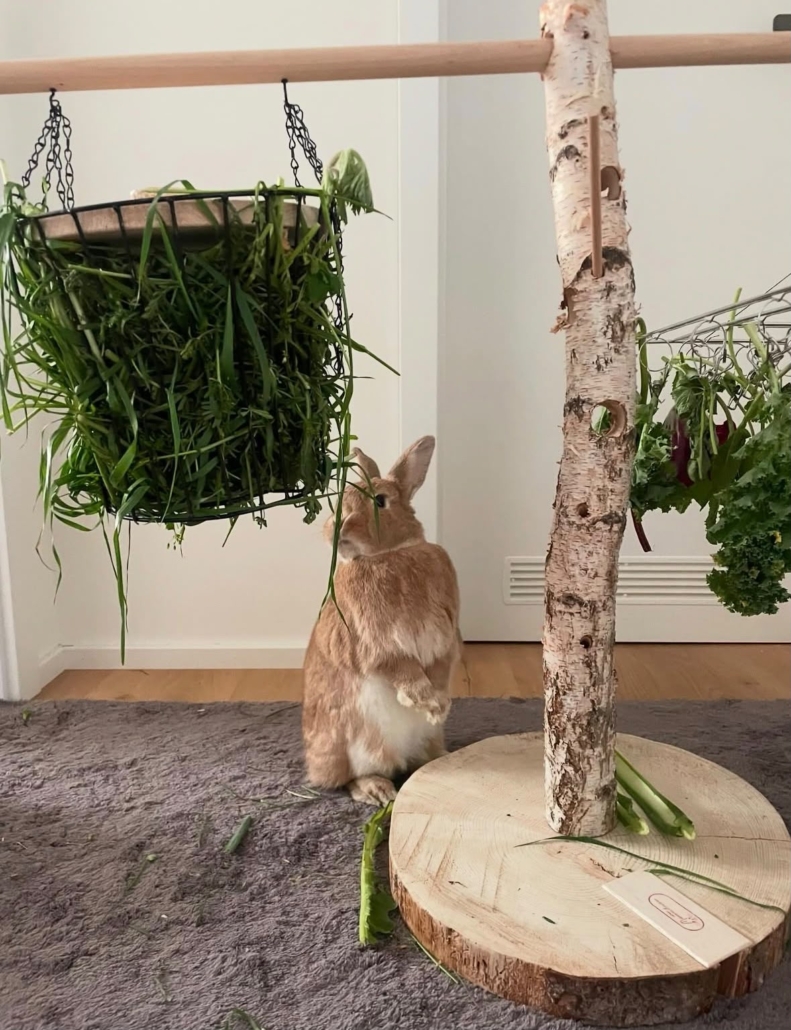
Recommended herbs include:
- Oregano (or its cultivated form, marjoram)
- Thyme
- Wormwood
- Dandelion
- Yarrow
- Parsley
- Tansy
- Sage
- Oak branches (bark and leaves)
- Black cumin
- Blueberry plants
In addition, other herbs that support the stomach and intestines should be included.
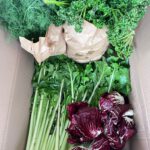
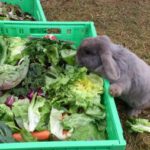
Fresh green food is also important. In summer, offer grasses, and in winter, leafy vegetables such as:
- Bitter salads
- Swiss chard
- Spinach
- Carrot greens
- Celery stalks
Tannin-rich tree bark and branches from the following species can also be beneficial:
- Willow
- Hazelnut
- Oak
- Ash
- Fruit trees
- Fir
- Spruce
- Pine
For underweight rabbits, avoid offering oats, as they often trigger yeast growth. Increase the variety of plants and herbs to provide a comprehensive, healthy diet during recovery.
Gerne. Hier ist eine Version, bei der ich keine neuen Informationen ergänzt, sondern den Originaltext lediglich sprachlich geglättet und für SEO besser strukturiert habe.
Hygiene and Disinfection
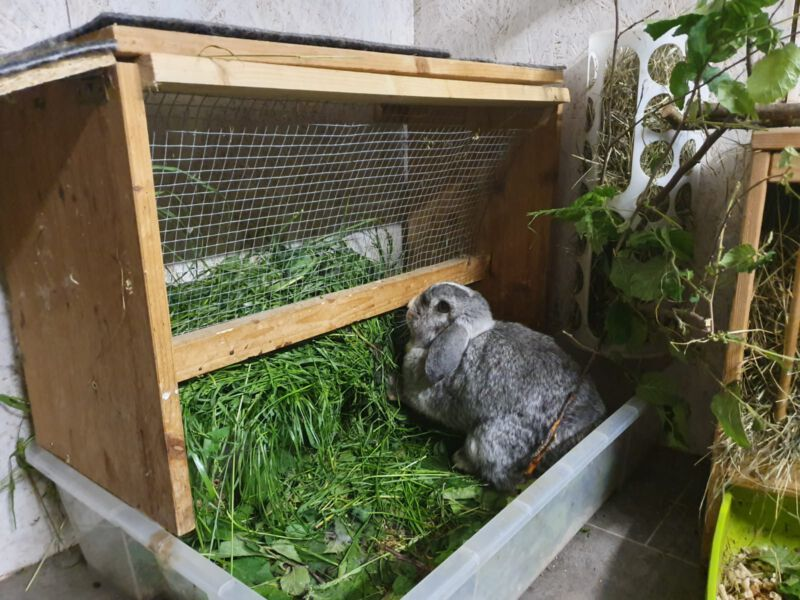
During treatment, hygiene is crucial to prevent reinfection, especially in litter boxes and feeding areas, where rabbits can repeatedly become infected with coccidia.
Daily Hygiene
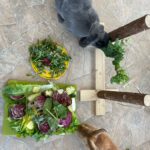
- Offer hay and fresh greens in a hay rack to prevent contamination with feces.
- Clean water and food bowls thoroughly every day with hot water (above 60°C) or in a dishwasher using a hot cycle.
- Remove feces at least once a day to prevent rabbits from ingesting sporulated oocysts, which develop within one to four days.
- Rinse litter boxes with boiling water to ensure proper disinfection.
Cleaning the Enclosure
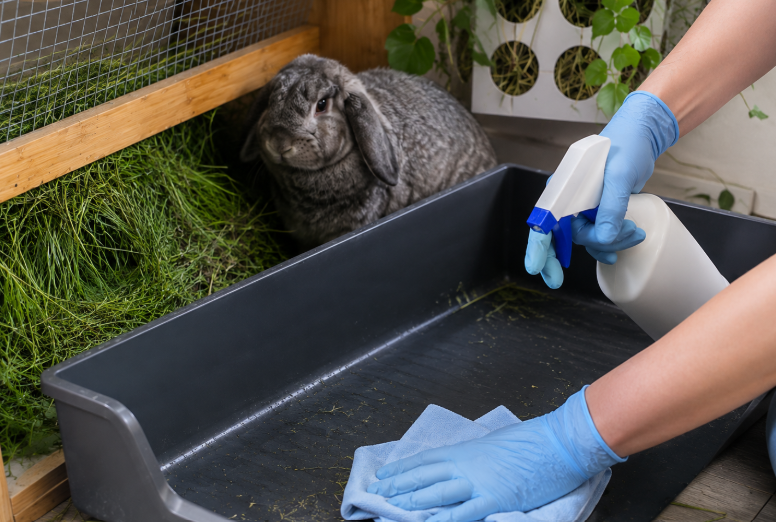
During treatment, the enclosure should be kept as simple as possible, with the litter corners cleaned daily.
- Thoroughly clean any areas contaminated with feces mechanically or treat them with heat above 60°C (e.g. boiling water).
- Clean the rest of the enclosure thoroughly once or twice during the treatment period.
- For indoor enclosures, wipe the floor or use a steam cleaner or hot water (above 60°C).
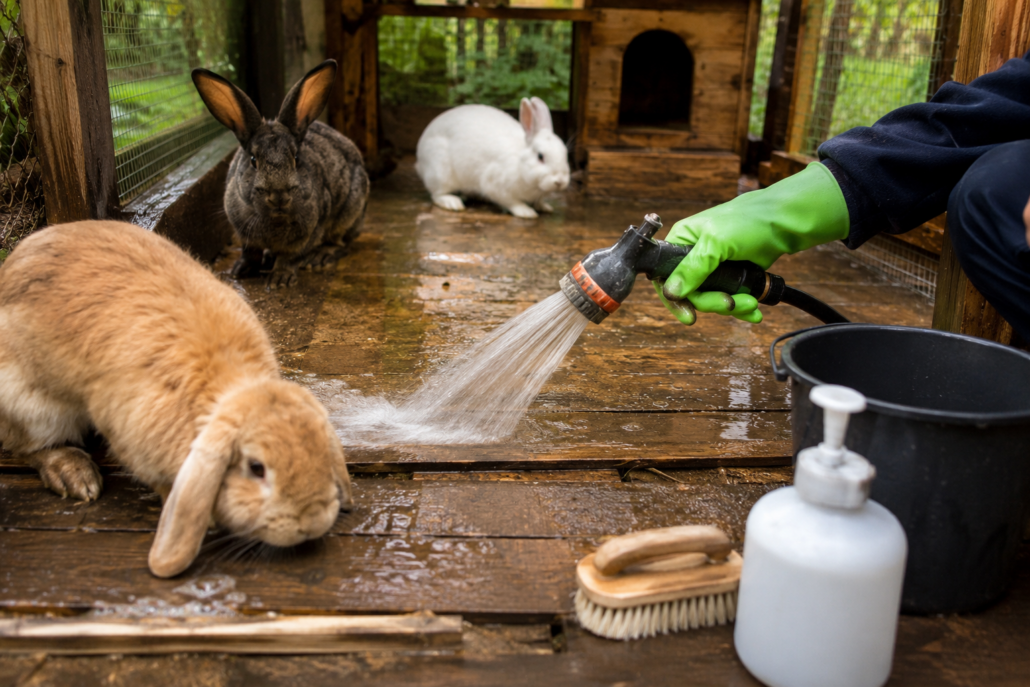
- For outdoor enclosures, use a hose, boiling water, a high-pressure cleaner, or a steam cleaner (above 60°C).
Steam cleaners can also create a warm, humid environment that may promote the growth of coccidia, as not all spores are killed and the remaining ones thrive.
Fabric Items
Blankets, carpets, and other fabric items can be machine washed at high temperatures (at least 60°C). They should be removed from the enclosure during medication.
Soil and Grass Enclosures
If the enclosure has a soil floor, remove the top layer and lay paving slabs to help prevent future coccidia outbreaks. As a temporary measure, the soil can be flooded with boiling water. Careful use of quicklime is also possible, but rabbits must not have access to the treated area during or immediately after this process.
Outdoor grass enclosures should be moved after treatment, and the previous area should not be grazed for some time. The area can also be treated with quicklime or a weed burner. In general, such areas should not be overgrazed. Keep the stocking density low and consider pasture rotation.
Disinfection
Excessive hygiene measures, such as disinfection, limiting free-range access, or boiling and cooking equipment, are unnecessary. These measures cause stress for both rabbits and their caretakers and can weaken the immune system.
Common disinfectants are ineffective against coccidia.
Suitable disinfectants include cresols, such as those found in Neopredisan® disinfectants, when diluted to 3–4% and left to act for at least two hours. Capha DesClean® is no longer effective against coccidia.
These disinfectants are highly toxic to rabbits, irritate their mucous membranes, and should only be used on wipeable surfaces such as PVC or tiles. Surfaces that absorb disinfectants, such as wood, carpets, and fabrics, should not be used by rabbits afterward, as they remain toxic. Wipeable surfaces must be thoroughly cleaned after disinfection to remove any residue. Rabbits must be removed from the area during treatment, and the enclosure should be ventilated thoroughly afterward. These disinfectants are also not recommended for indoor use and may be dangerous for people with allergies or asthma.
For this reason, disinfection with a steam cleaner (above 60°C), a flame device, or boiling water is recommended. Surfaces should be exposed to heat for a little longer, and the warm, humid air should be ventilated quickly afterward. Boiling water is the simplest, most affordable, and most effective disinfectant.
Sources:
Abu-Akkada, S. S., Oda, S. S., Ashmawy, K. I. (2010): Garlic and hepatic coccidiosis: prophylaxis or treatment?
Bauer, C. (2006): Parasitosen des Kaninchens. In: Boch J., Supperer R.. Herausgeber: Schnieder, T. Veterinärmedizinische Parasitolige. 6. Auflage. Parey, Stuttgart. P. 561-575.
Baker D.G. (2007): Parasites of Laboratory Animals. Second Edition. American College of Laboratory. Animal Medicine, Blackwell Publishing, New Dehli.
Beck W., Pantchev N. (2006): Praktische Parasitologie bei Heimtieren. Kleinsäuger. Vögel. Reptilien.
Bienen. Schlütersche, Hannover.
Beck, W., Pantchev, N. (2009): Magen-Darm-Parasiten beim Kaninchen–Erregerbiologie, Pathogenese, Klinik, Diagnose und Bekämpfung. Kleintierpraxis 11.5 278-288.
Eckert J, Friedhoff KT, Zahner P, Deplazes P. (2008): Lehrbuch der Parasitologie für die Tiermedizin. 2. Aufl. Enke; Stuttgart
Ewringmann, A. (2009): Kotuntersuchung beim Kaninchen. Tierarzthelfer/in konkret, 5(02), 16-17.
Ewringmann, A. (2017): Leitsymptome beim Kaninchen: Diagnostischer Leitfaden und Therapie. Georg Thieme Verlag
Gugołek A., Kowalska D., Konstantynowicz M., Strychalski J., Bukowska B. (2011): Performance indicators, health status and coccidial infection rates in rabbits fed diets supplemented with white mustard meal.
Hein, J. (2016): Durchfall beim Kaninchen–Ursachen und Therapie. kleintier konkret, 19(S 01), 2-9.
Hein, J. (2017): Durchfallerkrankungen bei Kleinsäugern: Ursache, Diagnostik, Therapie. Schlütersche.
Kowalska D., Bielański P., Nosal P., Kowal J. (2012): Natural alternatives to coccidiostats in rabbit nutrition.
Kühn, T. (2003): Kokzidien des Kaninchens (Oryctolagus cuniculus)-Verlauf natürlicher Infektionen bei Boden-und Käfighaltung in einer Versuchstiereinheit.
Nosal, P., Kowalska, D., Bielanski, P., Kowal, J., & Kornas, S. (2014): Herbal formulations as feed additives in the course of rabbit subclinical coccidiosis. Annals of parasitology, 60(1).
Schmäschke R. (2013): Die koproskopische Diagnostik von Endoparasiten in der Veterinärmedizin. Schlütersche; Hannover
Schmäschke, R. (2014): Parasitologische Kotuntersuchung des Kaninchens. kleintier konkret, 17(S 01), 31-33.
Starkloff, A. 2010: Einfluss von Wetterfaktoren und sozialer Umwelt auf den Endoparasitenbefall juveniler Wildkaninchen (Oryctolagus cuniculus L.) Diss. University of Bayreuth
Zinke, J. (2004): Ganzheitliche Behandlung von Kaninchen und Meerschweinchen: Anatomie, Pathologie, Praxiserfahrungen; 14 Tabellen. Georg Thieme Verlag