
Wild and Medicinal Herbs for Rabbits: What’s Safe and What’s Toxic?
There are hundreds of wild plants, but unfortunately not all of them are suitable for rabbits. It will likely take some time before this list is complete—if it ever is. Until then, it can serve as a valuable guide to wild plants that are safe for rabbits as part of a mixed diet. The plants in this list are intended as supplementary forage and should be offered alongside the main components of a rabbit’s diet, rather than as primary food sources.
“Supplementary” indicates that these are medicinal plants rather than staple forage plants.
If rabbits are offered a wide variety of food/forage, they naturally regulate their intake of medicinal plants, eating only small amounts under normal circumstances and consuming more when they might benefit from their medicinal properties and compounds. For this reason, medicinal plants should always be available, but only as a supplement to staple forage plants rather than as a primary food source.
Even plants classified in this list as safe forage should never be fed on their own, but always as part of a varied and diverse mix. Grasses should also be included in every forage mix, as all grass species native to Germany are safe for rabbits to eat. If you live outside Germany, be sure to verify that the grasses growing in your region are safe before offering them to your rabbits.
Scarlet Pimpernel (Anagallis arvensis)
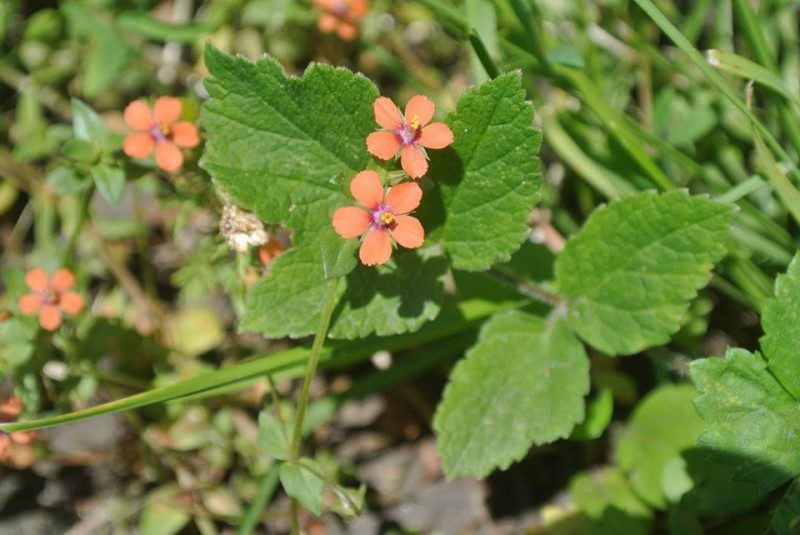


Not suitable for rabbits, as it is mildly toxic. The roots are particularly poisonous.
Field Pennycress (Thlaspi arvense)
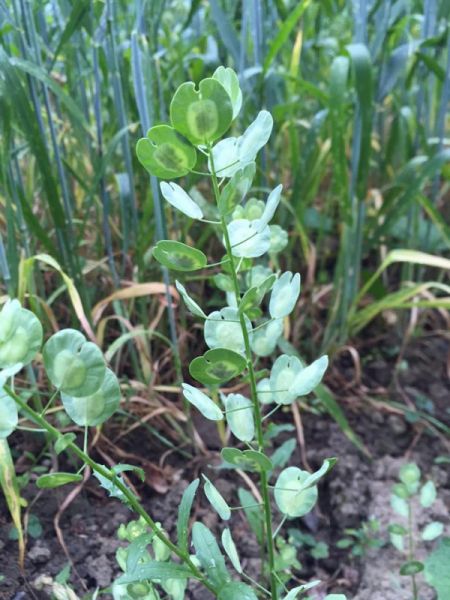
Safe to feed.
Field Thistle (Cirsium arvense)
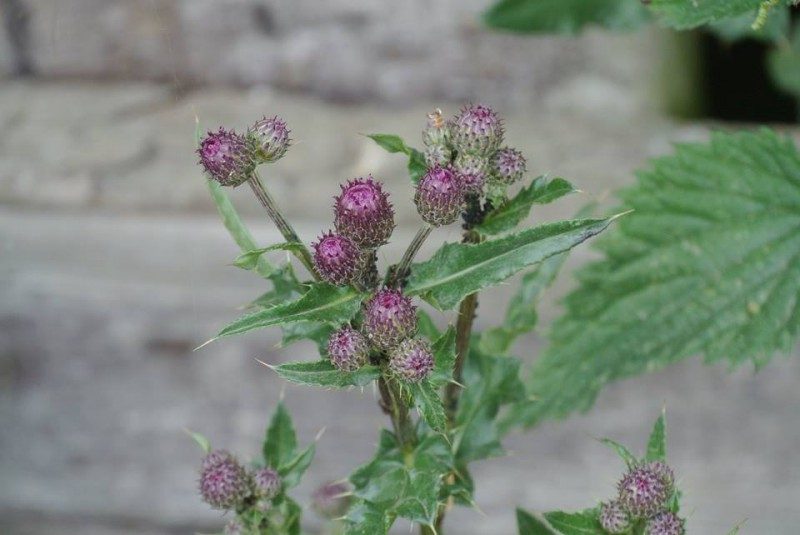
Safe to Feed. Rabbits without dental problems can easily chew and grind down the spines.
Field Bugloss, Corn Gromwell, Wolf’s Eye, Hound’s Tongue (Lycopsis arvensis)
Safe to Feed. Field bugloss contains pyrrolizidine alkaloids, compounds that are toxic to many other animals. Studies in rabbits have shown that they tolerate these compounds well, and the plant does not appear to be toxic to them. See also: Common Ragwort.
Field Horsetail (Equisetum arvense)
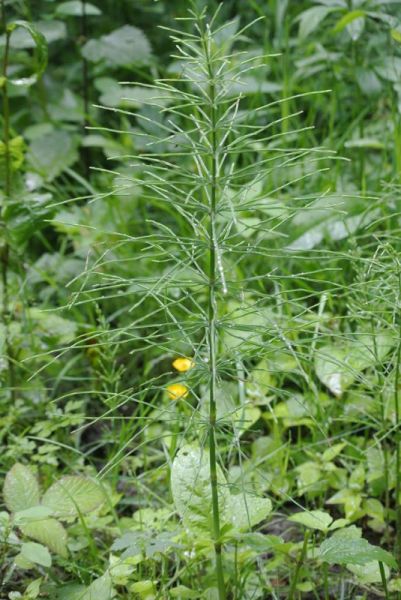
Offer as part of a varied mix. Its high silica content helps support natural tooth wear. It is easily confused with Marsh Horsetail (Equisetum palustre), but since that species is also suitable for rabbits in moderation as part of a mixed diet, accidental confusion is not a concern.
Wild Mustard, Charlock (Sinapis arvensis)
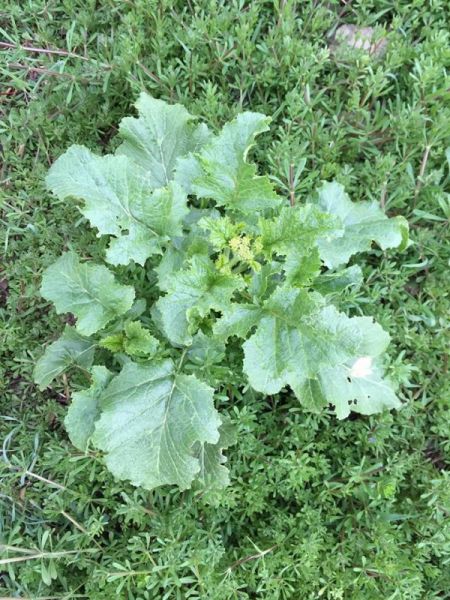
Safe to Feed. Some rabbits are particularly fond of it.
Field Violet, Wild Pansy, Field Pansy (Viola arvensis)
Safe to Feed. Contains saponins, may support the respiratory system.
Field Bindweed, Perennial Morning Glory (Convolvulus arvensis)
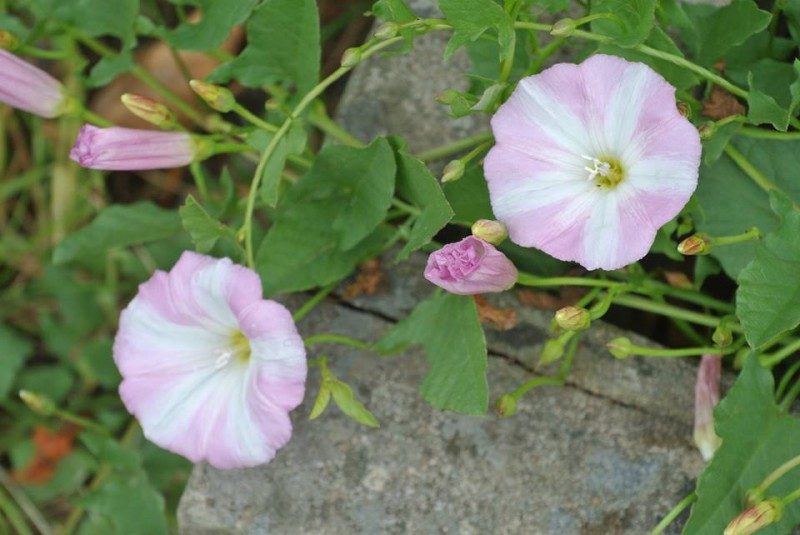
Safe to Feed. May support digestive health. Many rabbits enjoy field bindweed.
Bracken, Eagle Fern (Pteridium aquilinum)
Toxic. Bracken is poisonous to rabbits and should not be fed.
Elecampane (Inula helenium)

Safe to Feed. Traditionally used for its antibacterial and anti-inflammatory properties.
Cyclamen, Sowbread
Toxic!
Amaranth (Amaranthus)
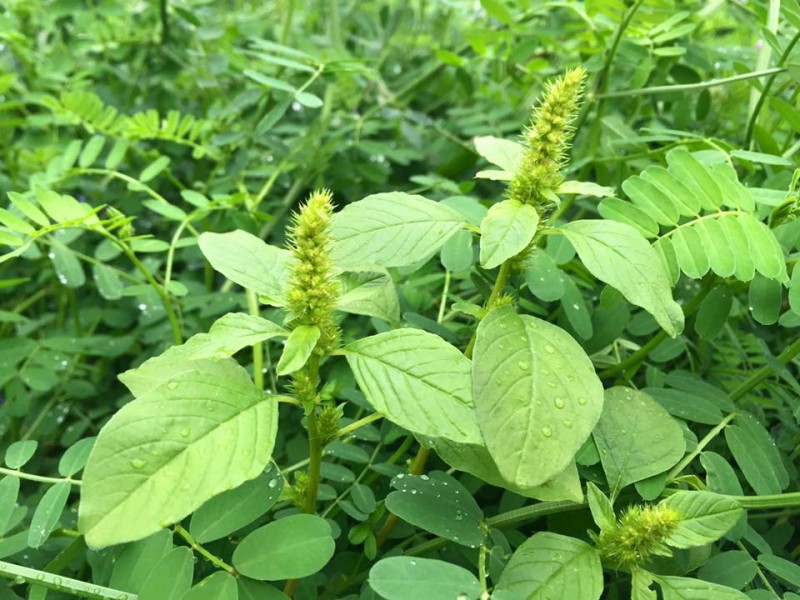
Safe to Feed. There are many different cultivated varieties, as well as wild and ornamental forms. The amaranth most commonly found in gardens often has striking red flower spikes, which are also safe to feed.
Horehound, White Horehound, Common Horehound (Marrubium vulgare)
Suitable for feeding as part of a varied mix. Traditionally used to support respiratory health due to its expectorant properties. It contains the bitter compound marrubiin, which may support digestion.
Brazilian Vervain (Verbena bonariensis)
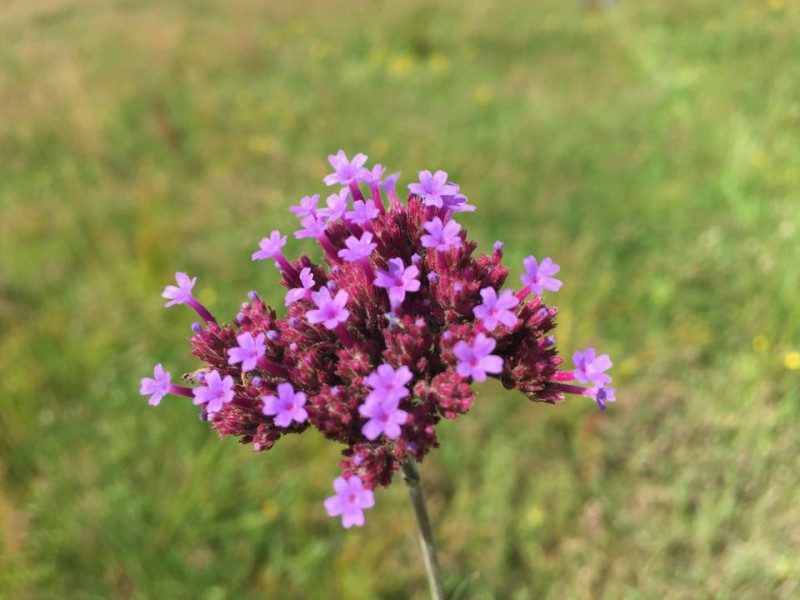
Brazilian Vervain (Verbena bonariensis)
Safe to Feed. Originally cultivated mainly as an ornamental plant, but can now be found growing wild.
Arum, Spotted Arum (Arum maculatum)
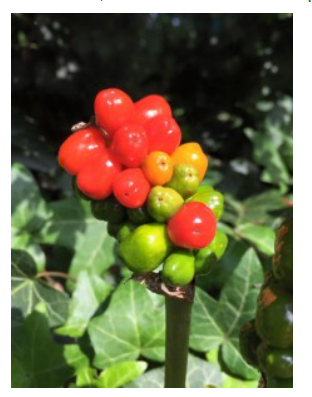
A
Aster (Aster)
Safe to Feed. A popular autumn-blooming plant with showy white or violet flowers. Many rabbits enjoy it.
Water Avens (Geum rivale)
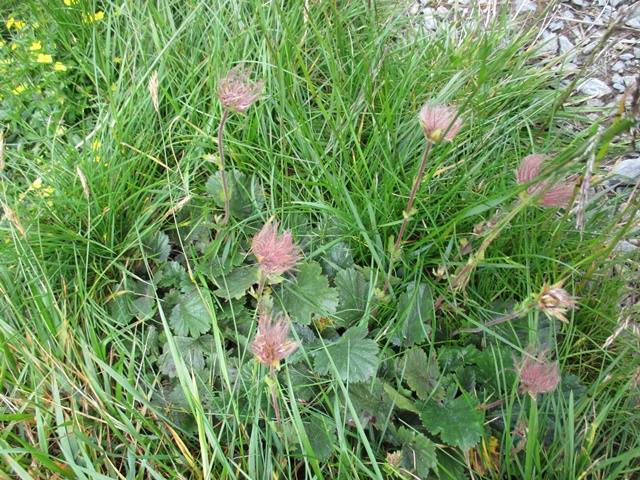
Water Avens (Geum rivale)
Safe to Feed. A plant that thrives in moist conditions.
Valerian (Valeriana officinalis)
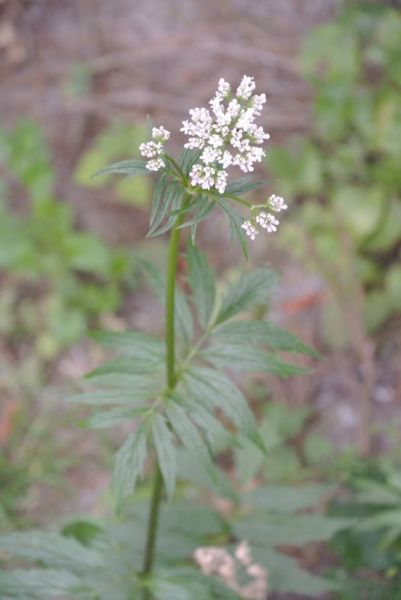
Suitable for feeding as part of a varied mix. Valerian often grows in moist areas.
Wintercress, Yellow Rocket, Rocket Cress (Barbarea vulgaris)
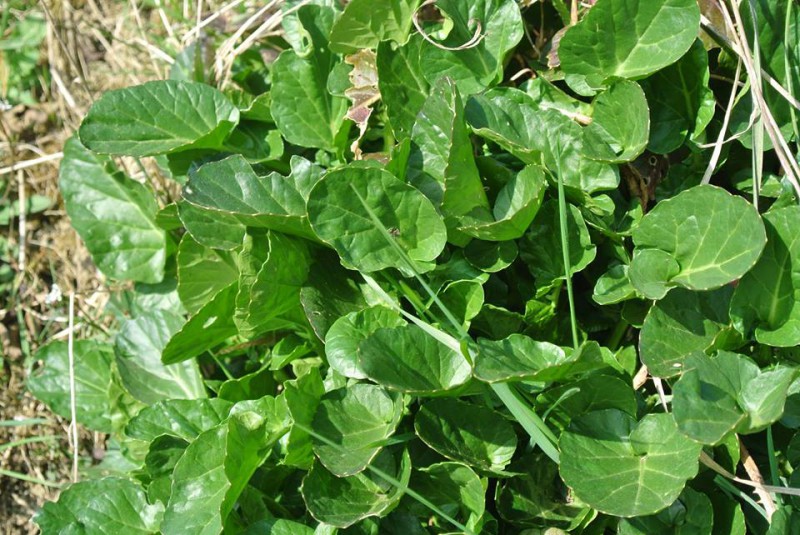
Safe to Feed.
Wild Liquorice, Liquorice Milkvetch (Astragalus glycyphyllos)
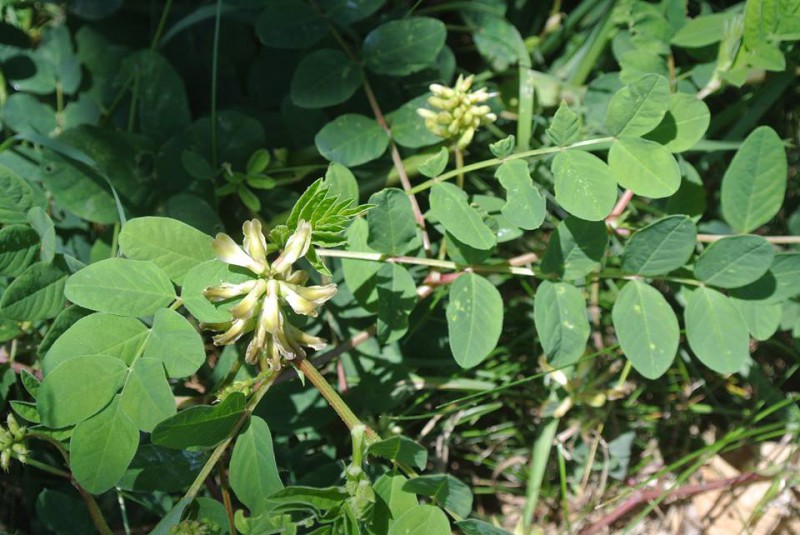
Safe to Feed. A relatively unknown but excellent addition to a varied diet. Rabbits often love the leaves, which is no surprise as they have a mildly sweet taste.
Wild Garlic (Allium ursinum)
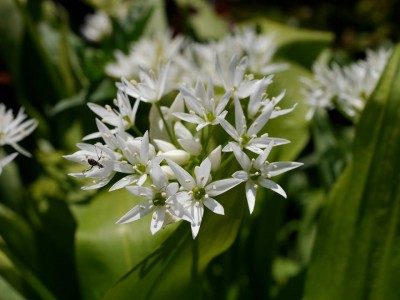
Suitable for feeding, only as part of a varied mix. Should always be offered as part of a varied mix with other plants. It can be confused with highly toxic plants such as Lily of the Valley, Arum, and Autumn Crocus. Its characteristic garlic-like smell is a key identifying feature. Rabbits may eat wild garlic for its medicinal properties, including the support of gut health and the immune system.
Baldmoney, Spignel, Meu, Meum (Meum athamanticum)
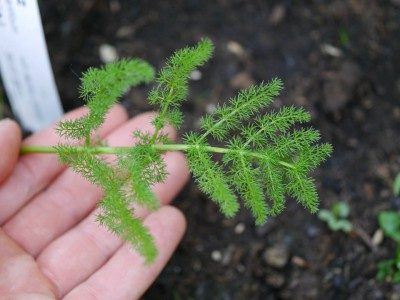
Safe to Feed.
Hybrid Campion (Silene x hampeana)
Safe to Feed. Many rabbits enjoy it.
Hairy Bittercress (Cardamine hirsuta)
Safe to Feed. Contains mustard oil glycosides, which may support respiratory and kidney health.
Mugwort (Artemisia vulgaris)
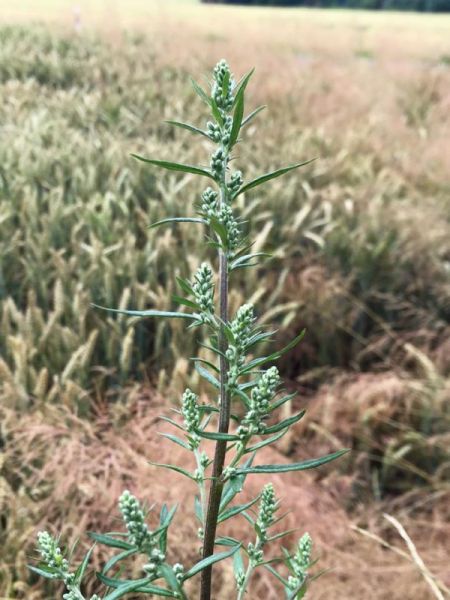
Suitable for feeding as part of a varied mix.A wonderful herb for supporting the digestive system. It can be identified by the silvery underside of its leaves.
Comfrey (Symphytum officinale)
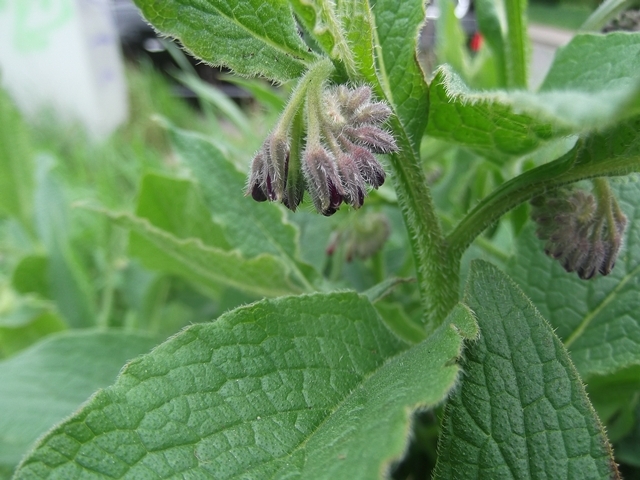
Suitable for feeding as part of a varied mix, though many rabbits do not like comfrey. It can be confused with the highly toxic foxglove, as the leaves are similar.
Annual Fleabane, Daisy Fleabane (Erigeron annuus)
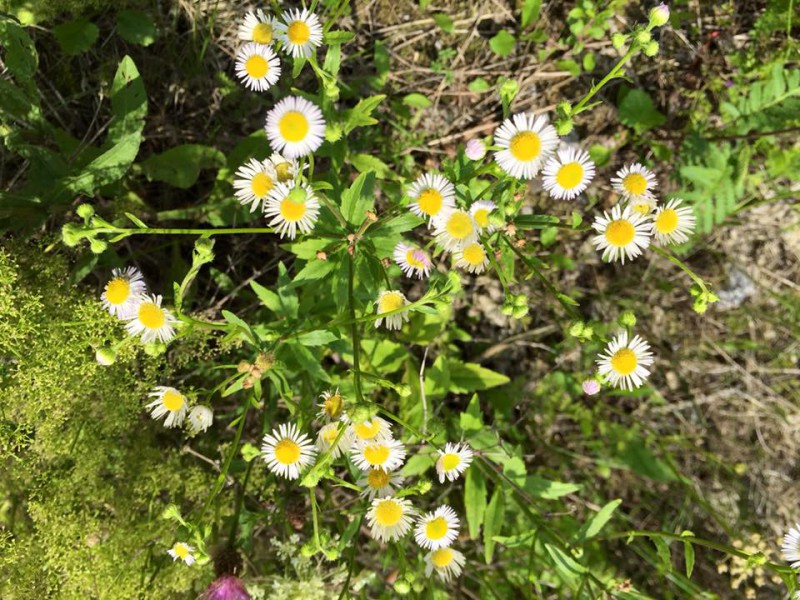
Safe to Feed.
Lacy Phacelia, Tansy-leaf Phacelia, Blue Tansy, Purple Tansy (Phacelia tanacetifolia)
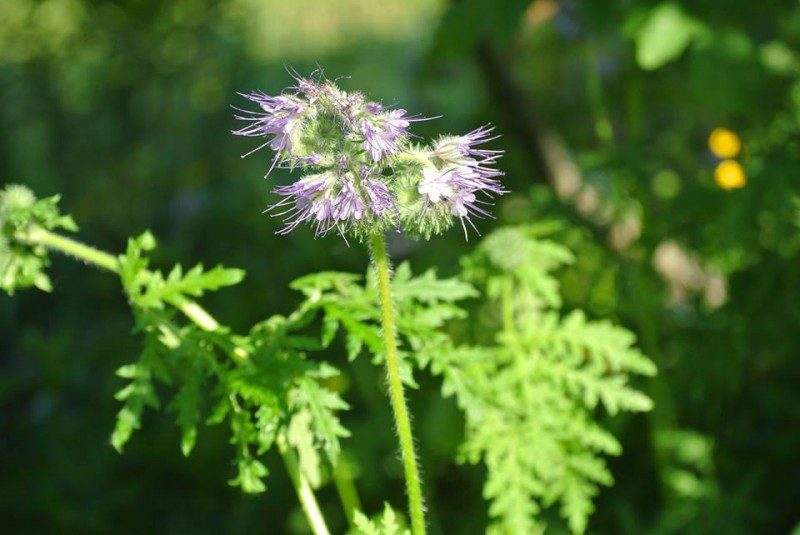
Safe to Feed. A bee-friendly plant often planted in gardens or grown in fields to improve soil quality.
Bittersweet Nightshade (Solanum dulcamara)

Purple Loosestrife (Lythrum salicaria)
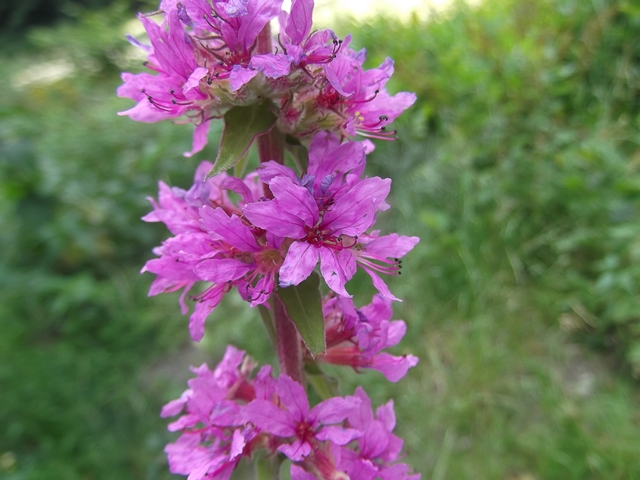
Safe to Feed. Often found near water and in other wet areas.
Goat’s-Beard, Salsify (Tragopogon)
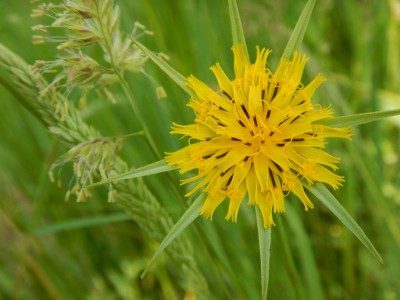
Safe to Feed.
Borage, Starflower (Borago officinalis)
Suitable for feeding as part of a varied mix. Best known as a culinary herb, borage is commonly grown in home gardens but can also be found growing wild in some areas. Do not confuse it with the highly poisonous foxglove, which has similar-looking leaves.
Selfheal (Prunella)
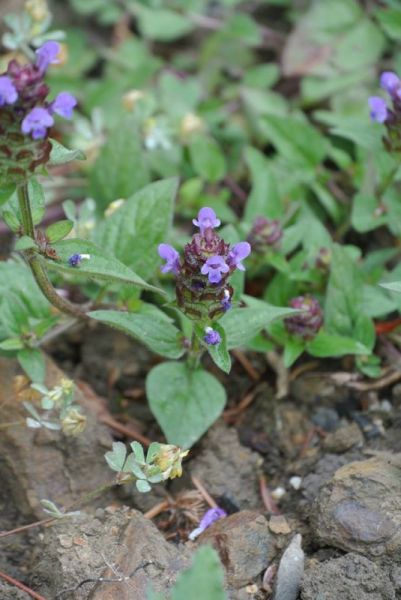
Safe to Feed.
Bulrush, Broadleaf Cattail (Typha latifolia)
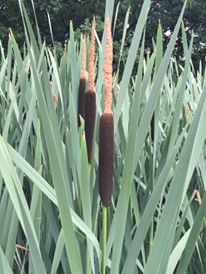
Suitable for feeding as part of a varied mix. It grows around ponds, lakes, and wetlands. In Germany, unlike some other cattail species, broadleaf cattail is not legally protected. If you forage outside Germany, be sure to check your local nature conservation laws before harvesting.
Broadleaf Plantain, Greater Plantain (Plantago major)
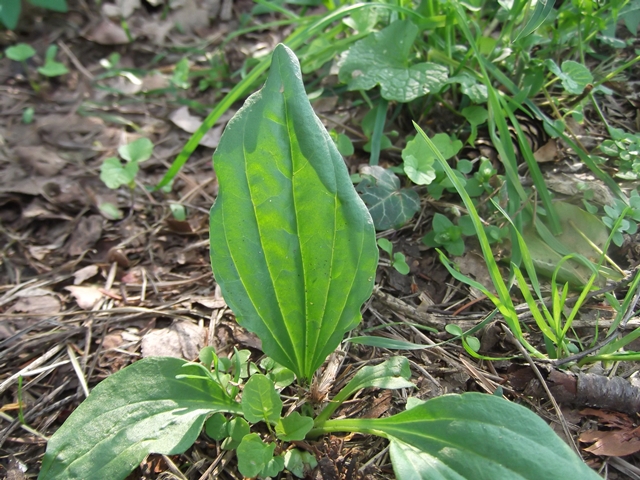
Safe to feed. Among its many benefits, broadleaf plantain is also known for its anti-inflammatory properties.
Nettle, Stinging Nettle (Urtica)
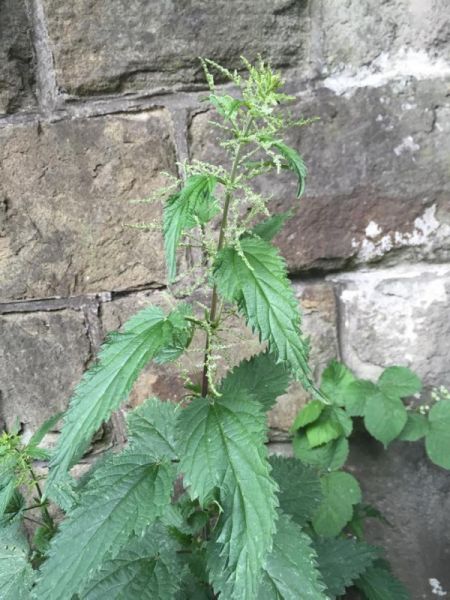
Safe to feed. Rabbits prefer nettles dried or wilted, as fresh plants can sting.They dry well and can be stored for use during the winter. Nettles have many beneficial properties, including diuretic and blood-purifying effects. Nettles have many beneficial properties and are traditionally valued for their diuretic and bflood-purifying effects. Always wear gloves when handling fresh nettles, as they can cause a painful stinging rash.
Watercress, Yellowcress (Nasturtium officinale)
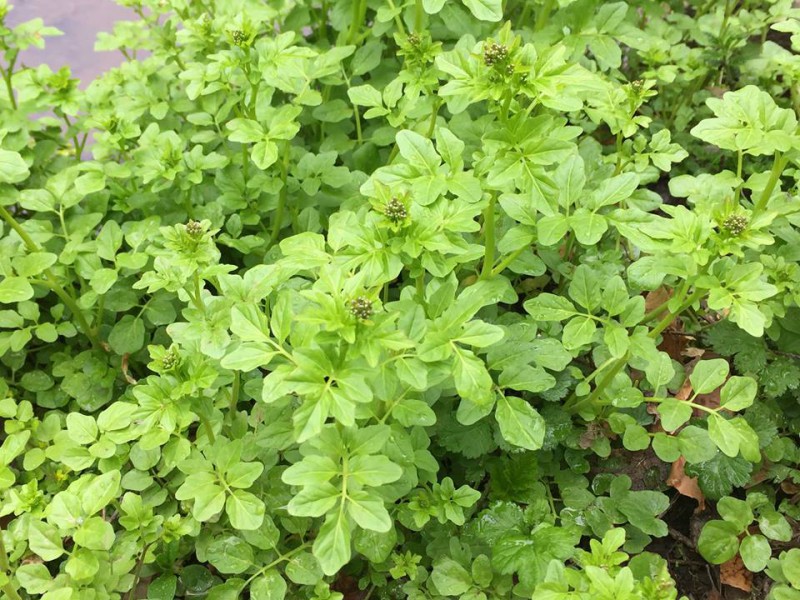
Suitable for feeding as part of a varied mix. It grows in damp habitats, such as in streams or shallow brooks.
Buckwheat (Fagopyrum esculentum)
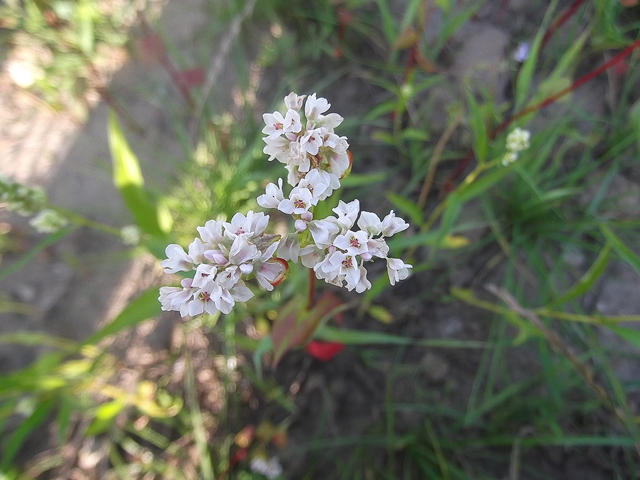
The plant itself is safe to feed. The gluten-free seeds should only be given as a treat.
Crownvetch (Securigera varia)
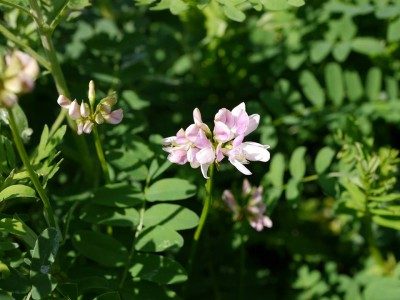
Safe to Feed. Unlike vetches (Vicia), it lacks a terminal tendril, making it easy to distinguish between the two similar plants even before flowering.
Oregano, Wild Oregano (Origanum vulgare)
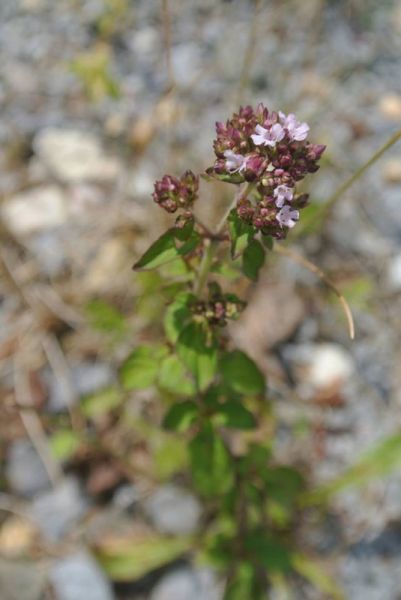
Safe to Feed. Helpful for coccidiosis.
Sweet Violet (Viola odorata)
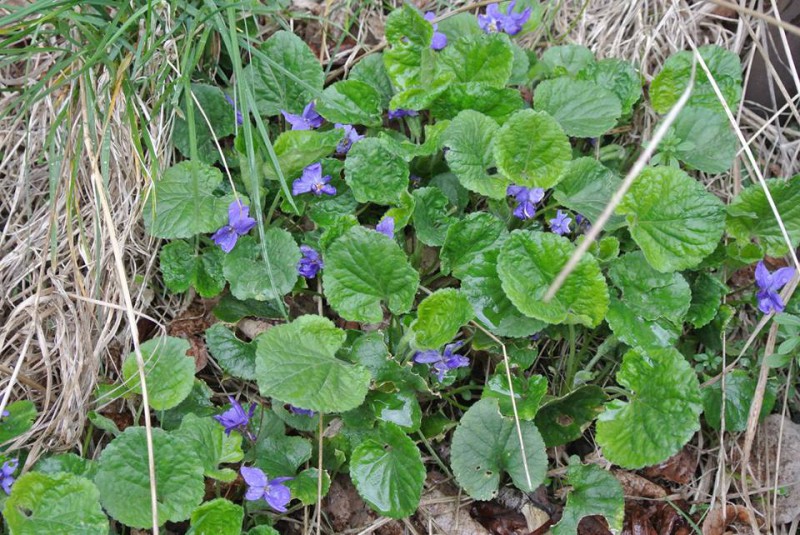
Safe to Feed. Many rabbits enjoy it.
Lady’s Bedstraw (Galium verum)
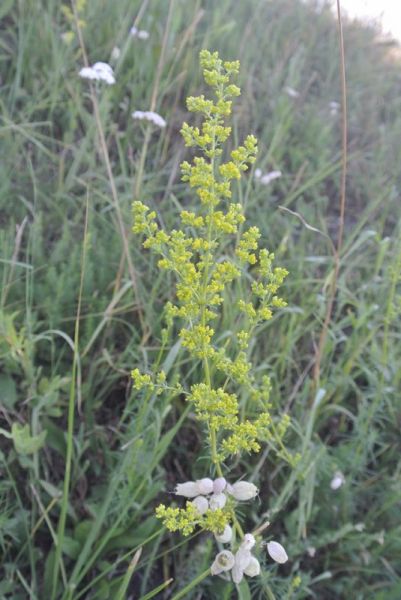
Safe to Feed. Has anti-inflammatory properties, among other benefits.
Touch-Me-Not Balsam (Impatiens noli-tangere)
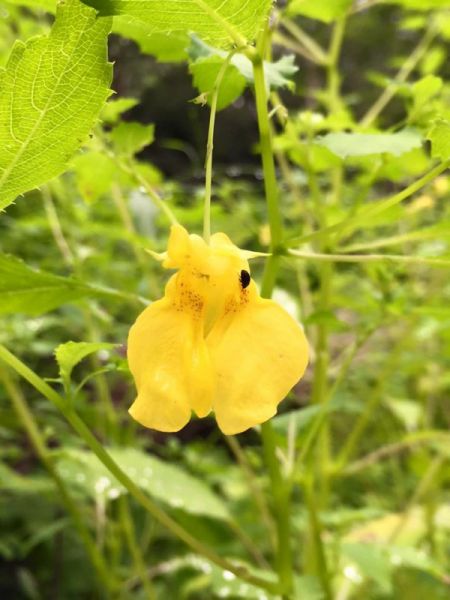
Suitable for feeding as part of a varied mix. Usually not particularly popular.
English Ivy, Common Ivy (Hedera helix)
Medicinal plant. May occasionally be fed in small amounts as part of a varied mix. Ideal for respiratory diseases. The berries are toxic.
Vervain (Verbena officinalis)
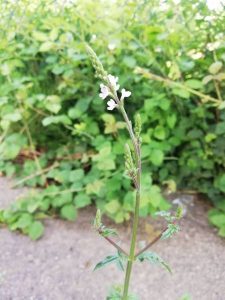
Safe to Feed.
Speedwell (Veronica);
Wall/Corn Speedwell (Veronica arvensis), Germander speedwell (Veronica chamaedrys), Bird’s-Eye Speedwell (Veronica persica), Thyme-Leaved Speedwell (Veronica serpyllifolia)
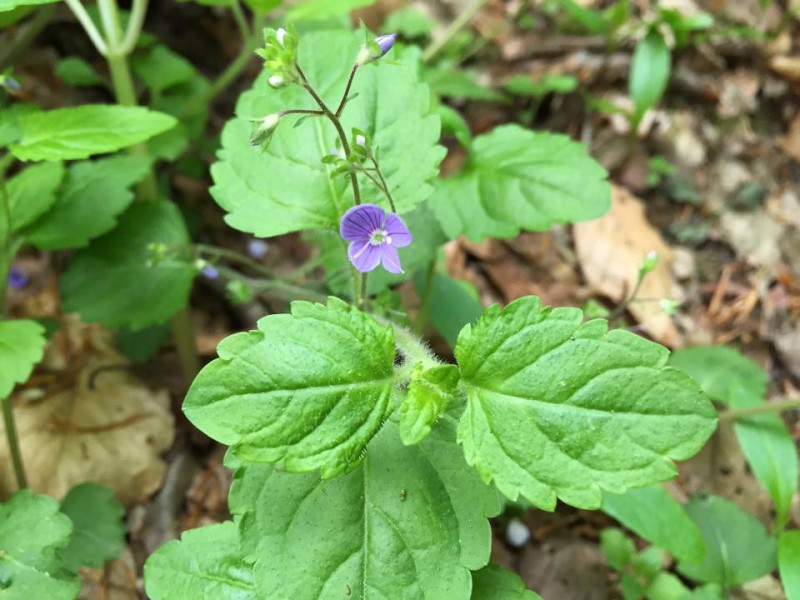
There are a great many species of speedwell, and they can look very different from one another. In wild forms, however, the blue flowers are usually easy to recognise. Some varieties have flowers that are more white or pink. They are all equally edible.
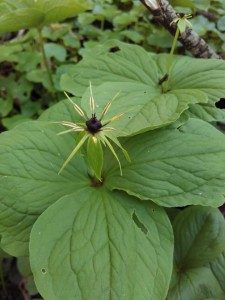
Herb-Paris, True Lover’s Knot (Paris quadrifolia)
Angelica, Garden Angelica (Angelica archangelica)
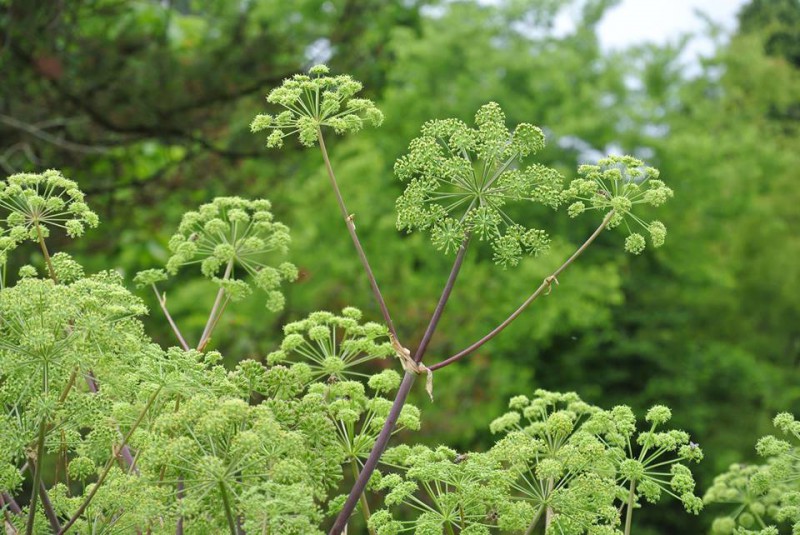
Safe to Feed. Wear gloves when harvesting to avoid meadow dermatitis (phototoxic dermatitis).
Barren Strawberry (Potentilla sterilis)
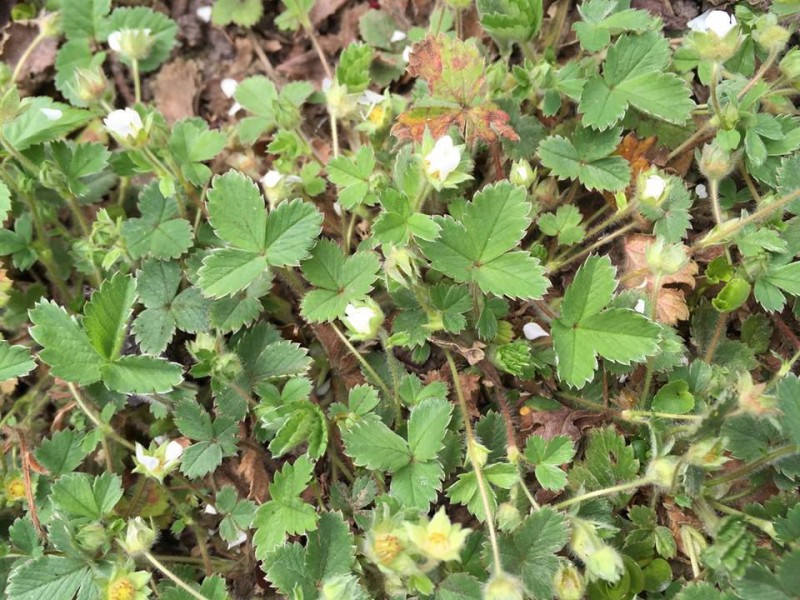
Safe to Feed. Is easily mistaken for wild strawberry, but both are safe/edible.
Common Fumitory (Fumaria officinalis)
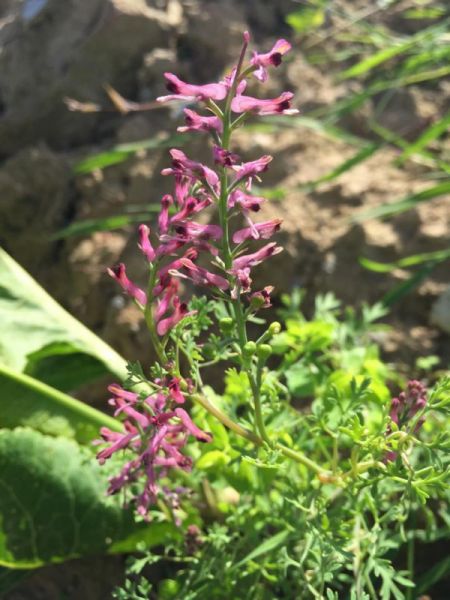
Suitable for feeding as part of a varied mix.
Cotton Thistle, Scotch Thistle (Onopordum acanthium)
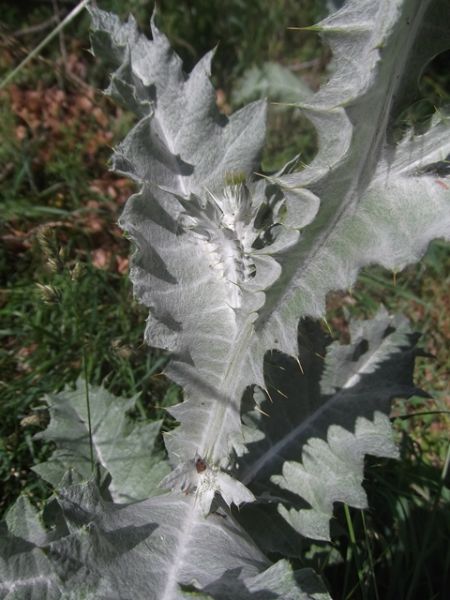
Safe to Feed. Rabbits without dental problems can easily chew and grind down the spines.
Sainfoin (Onobrychis viciifolia)
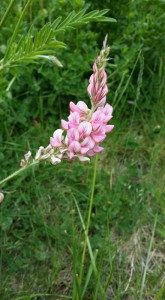
Safe to Feed.
Lesser Trefoil, Suckling Clover (Trifolium dubium)
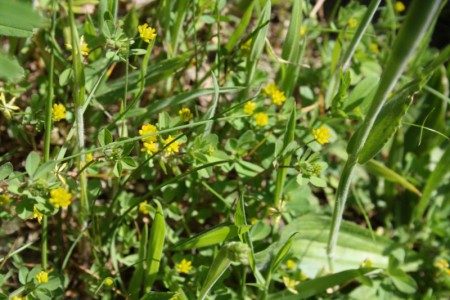
Safe to Feed.
Dyer’s Rocket, Dyer’s Weed, Weld (Reseda luteola)
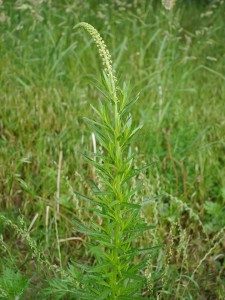
Safe to Feed. Often grows on uncultivated land.
Hop Trefoil, Field Clover (Trifolium campestre)
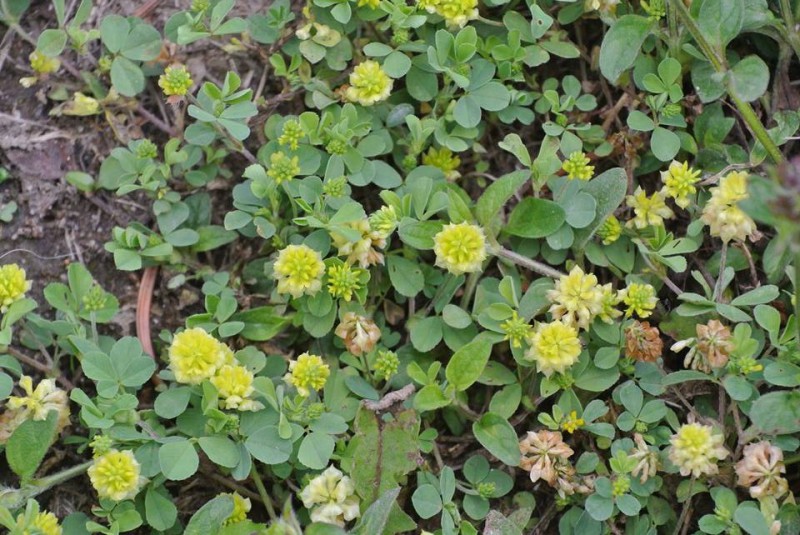
Safe to Feed. Do not feed alongside commercial dry food such as pellets.
Mâche, Corn Salad, Lamb’s Lettuce (Valerianella locusta)
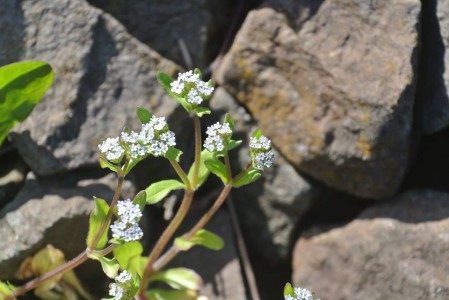
Safe to Feed. Many rabbit owners are surprised to learn that it also grows in the wild. Only the basal leaves resemble the lamb’s lettuce commonly sold in supermarkets; once the plant flowers, it looks quite different.
Orpine, Purple Stonecrop, Live-forever (Hylotelephium telephium)
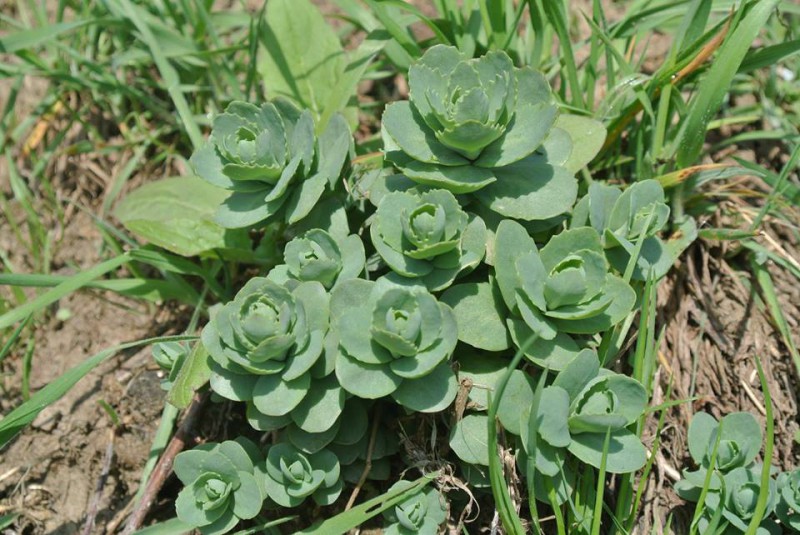
Safe to Feed.
Foxglove (Digitalis purpurea)

Centory, Knapweeds, Loggerheads (Centaurea);
Brown Knapweed (Centaurea jacea), Common cornflower (Centaurea cyanu)
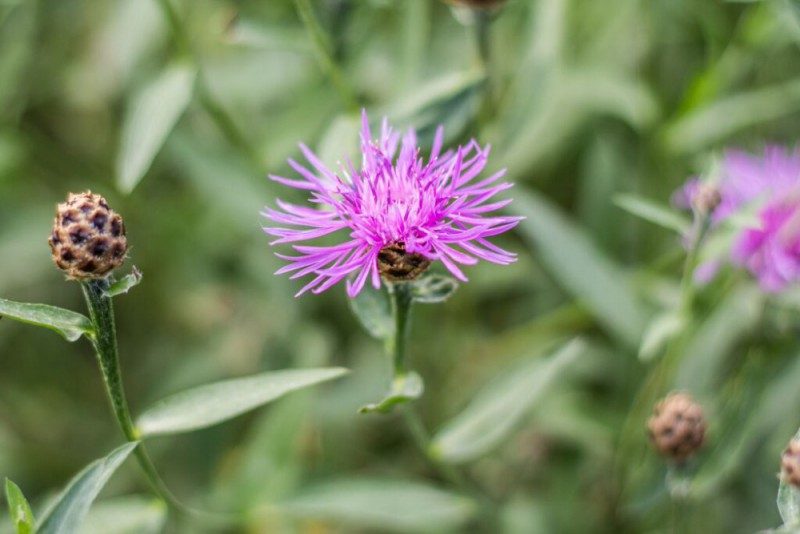
Safe to Feed. There are many different species, all of which are suitable for feeding.
Lady’s Thumb (Persicaria maculosa)
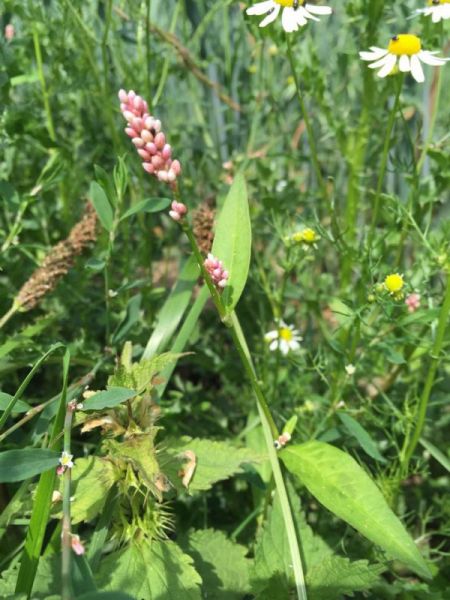
Suitable for feeding as part of a varied mix. Often well-liked
Shaggy Soldier (Galinsoga quadriradiata); Gallant Soldier, Guasca (Galinsoga parviflora)
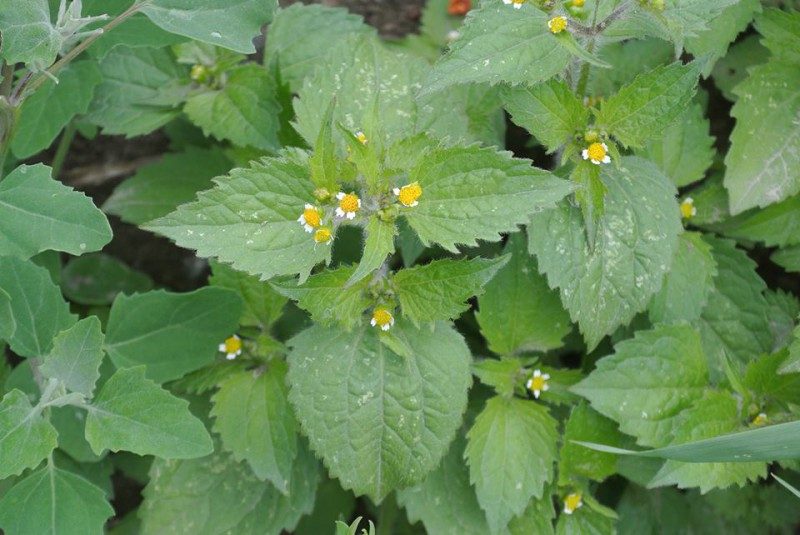
Safe to Feed. Usually very popular with rabbits. Rich in vitamin C.
Lady’s Mantle (Alchemilla)
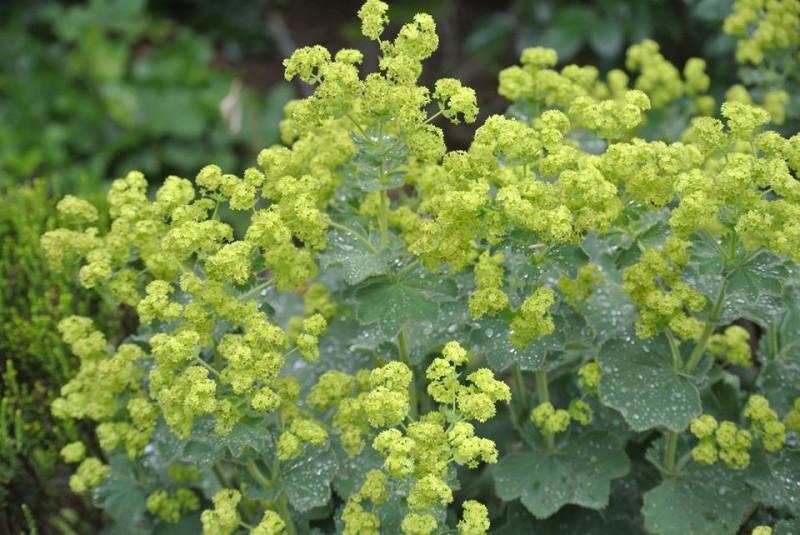
Safe to Feed. Among other properties, it has an antispasmodic effect. Lady’s mantle is also commonly grown as a garden perennial.
Spring Vetchling, Spring Pea (Lathyrus vernus)
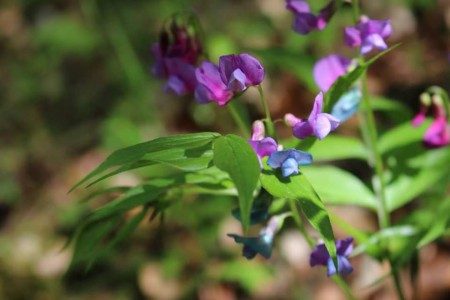
Safe to Feed. Often popular with rabbits.
Cinquefoil (Potentilla);
Creeping Cinquefoil (Potentilla reptans), Silver Cinquefoil (Potentilla argentea)
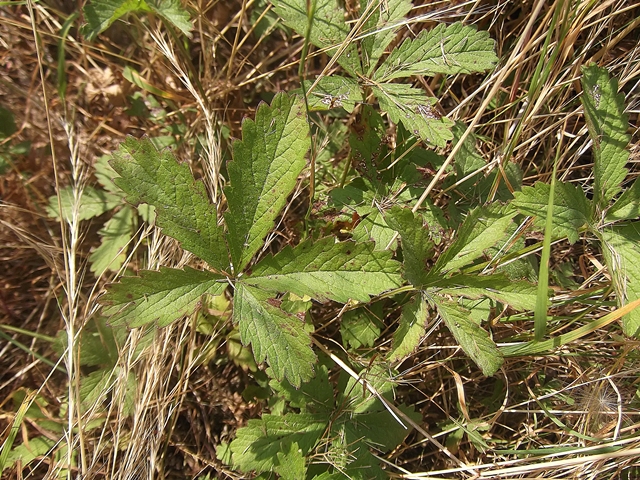
Safe to Feed.
Common Vetch (Vicia sativa)
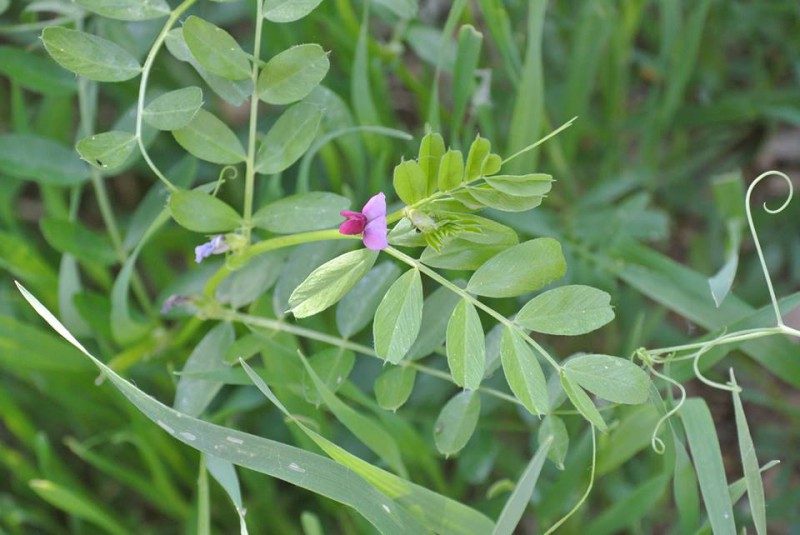
Safe to Feed. Often very popular with rabbits.
Daisy (Bellis perennis)
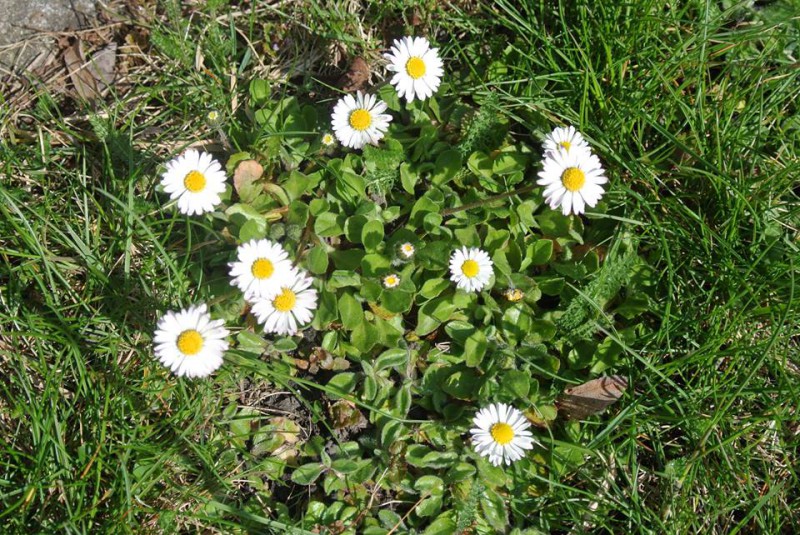
Safe to Feed.
Common Sowthistle (Sonchus oleraceus)

Safe to Feed. Very popular with rabbits. The sow thistle species shown in the photo can also be harvested easily without gloves.
Silverweed, Goosegrass (Potentilla anserina)
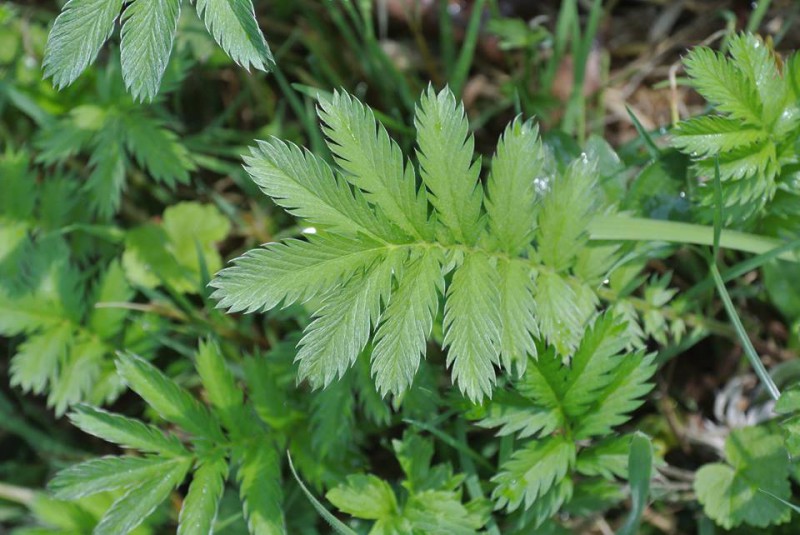
Safe to Feed. Among other properties, it has antispasmodic and blood-purifying effects. The leaves are silver-coloured underneath or entirely silver.
Spotted Lungwort (Pulmonaria officinalis)
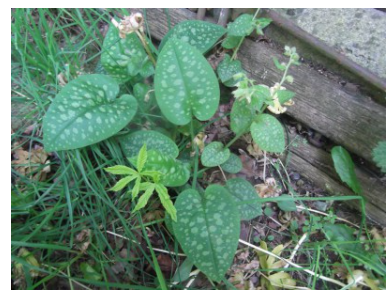
Safe to Feed. It has wound-healing properties. Many rabbits do not like it.
Hemlock, Poison Hemlock (Conium maculatum)
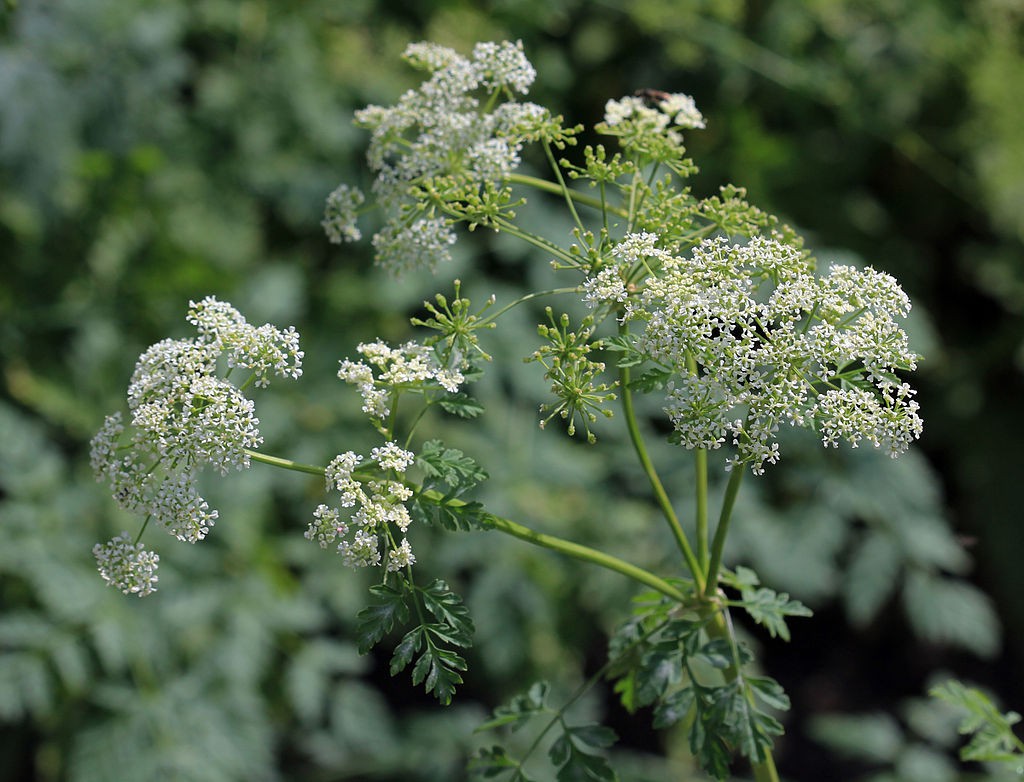
Ground Elder (Aegopodium podagraria)
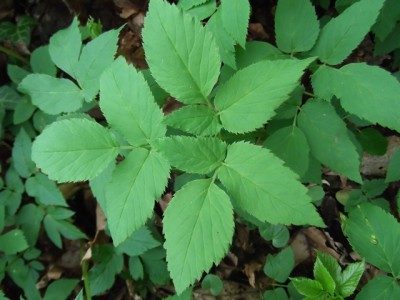
Safe to Feed. Very popular with rabbits. Ground elder is often found in shady locations. Make sure to identify it by its leaves rather than its flowers, as the flowers can be confused with those of poisonous umbellifers.
Apple of Peru, Shoo-fly Plant (Nicandra physalodes)
Yellow Loosestrife (Lysimachia vulgaris)
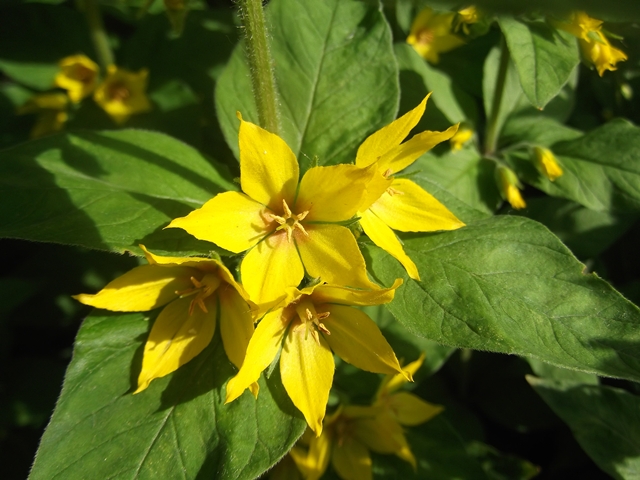
Safe to Feed. Not particularly popular with rabbits. It is often found growing rampantly in gardens.
Yellow Archangel, Golden Dead-nettle (Lamium galeobdolon)
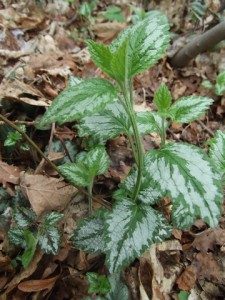
Safe to Feed. Often forms dense carpets in shady areas.
Hoary Alyssum (Berteroa incana)
Safe to Feed. Often not particularly popular with rabbits.
Greater Stitchwort (Stellaria holostea), Grass Stitchwort (Stellaria graminea), Water Stitchwort (Stellaria aquatica)

Safe to Feed. Usually very popular. As the name suggests, grass stitchwort can easily be missed among the grass.
Ground Ivy (Glechoma hederacea)
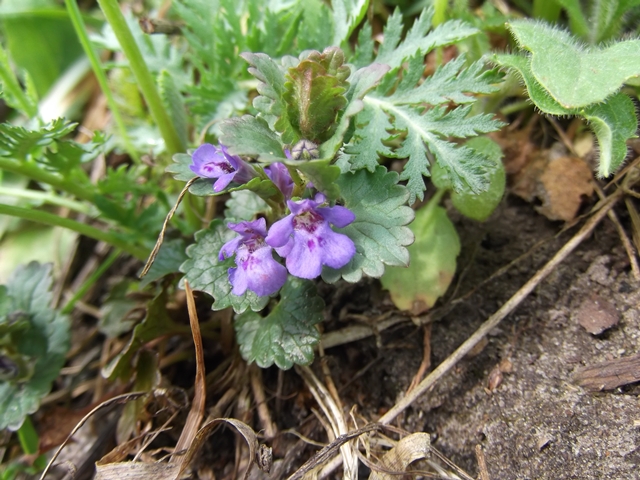
Suitable for feeding as part of a varied mix. Rabbits usually only eat it for its medicinal properties. A good herb for supporting digestion.
Bugle (Ajuga);
Bugleweed (Ajuga reptans)
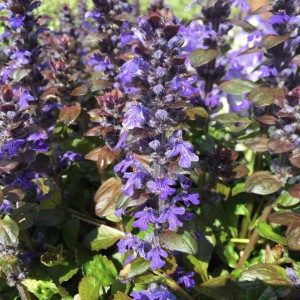
Safe to Feed. Among other properties, it has antibacterial effects.
Hawkweed (Hieracium)
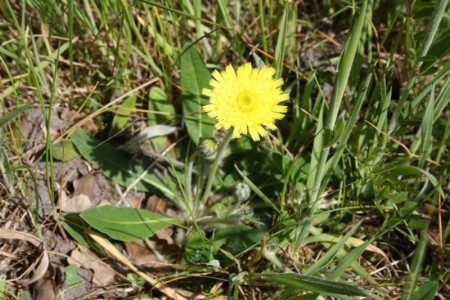
Safe to Feed. There are several different species of hawkweed, each with a slightly different appearance. The photo shows mouse-ear hawkweed (Hieracium pilosella).
Buttercup (Ranunculus;
Creeping Buttercup (Ranunculus repens), Meadow Buttercup (Ranunculus acris)
Mildly toxic and should not be deliberately fed. Buttercup can be found in almost every meadow and is easily recognised by its yellow flowers. Rabbits generally avoid it, and if small amounts happen to be included in gathered forage and are eaten, they are harmless. There is a risk of mistaking it for the highly toxic monkshood (Aconitum) or larkspur (Delphinium)!
Yellow Pimpernel, Wood Loosestrife, Creeping Jenny (Lysimachia nemorum)
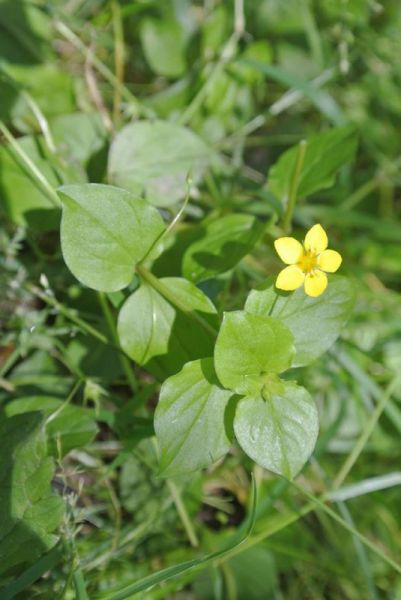
Safe to Feed.
Restharrow (Ononis)
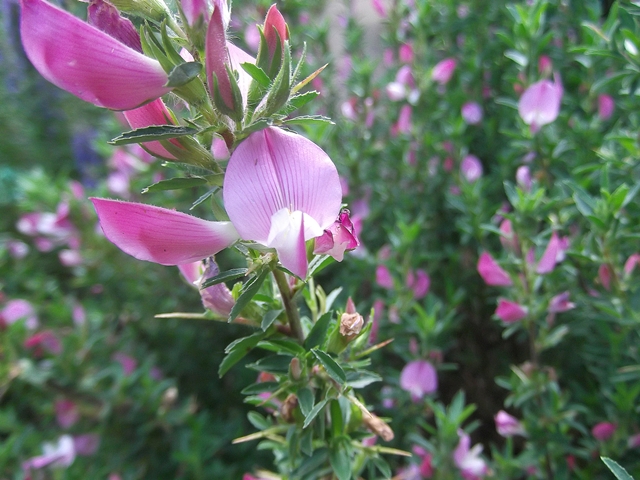
Safe to Feed.
Hare’s-foot Clover, Rabbitfoot clover (Trifolium arvense)
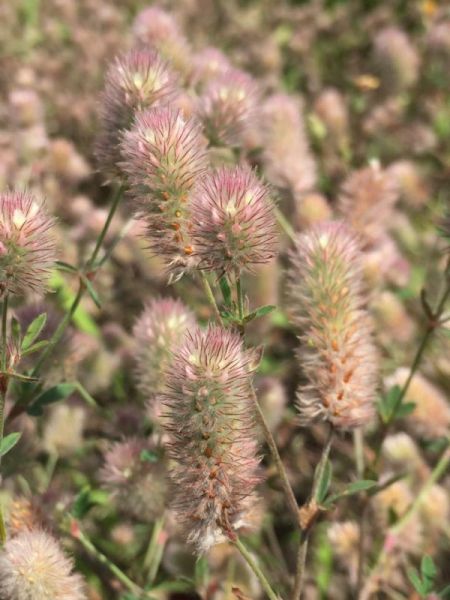
Safe to Feed.
Rough Chervil (Chaerophyllum temulum)
Heather (Calluna vulgaris)
Safe to Feed. However, heather is often not particularly popular with rabbits.
Motherwort (Leonurus cardiaca)
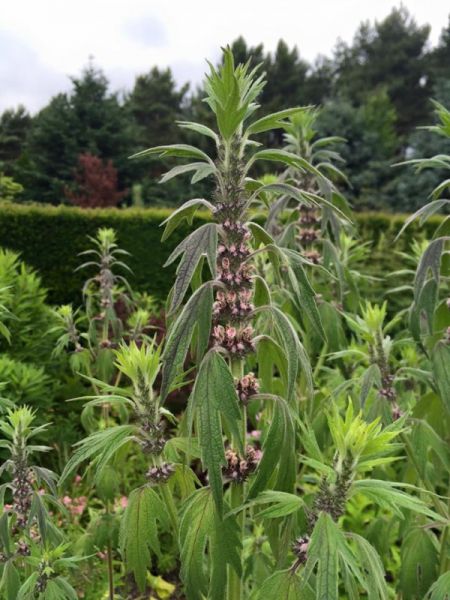
Safe to Feed. Also has antispasmodic properties.
Enchanter’s Nightshade (Circaea lutetiana)
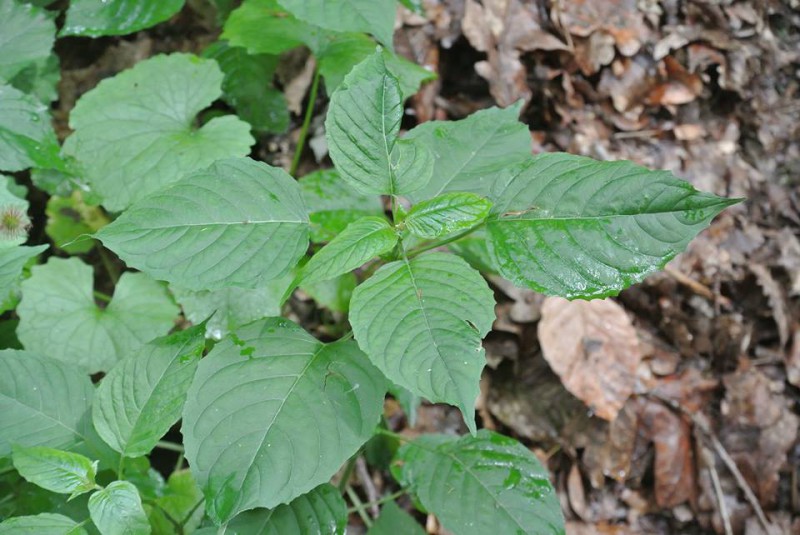
Suitable for feeding as part of a varied mix. High in oxalic acid. Often grows in forests.
Shepherd’s Purse (Capsella bursa-pastoris)

Safe to Feed. Pregnant rabbits should only be given small amounts, as larger quantities may stimulate uterine contractions (labor).
Hemp-nettle (Galeopsis)
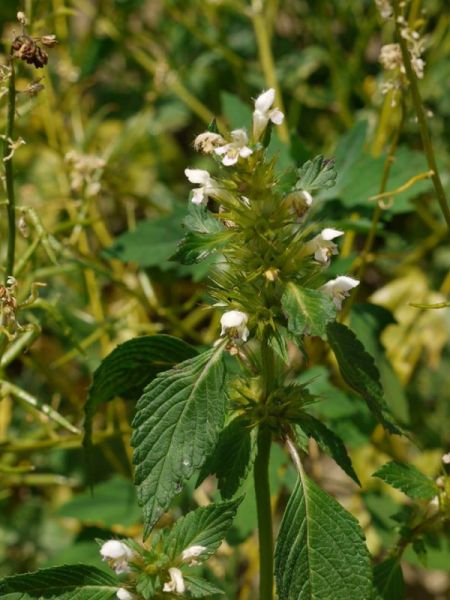
Unproblematic forage plant. Often rather unpopular.
Common Hop, Hops (Humulus lupulus)
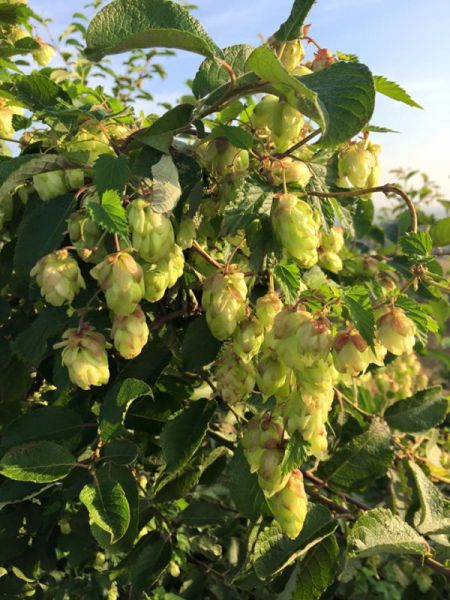
Safe to Feed. Among other properties, it has antibacterial and germicidal effects. It is a vigorous climber.
Black Medick (Medicago lupulina)
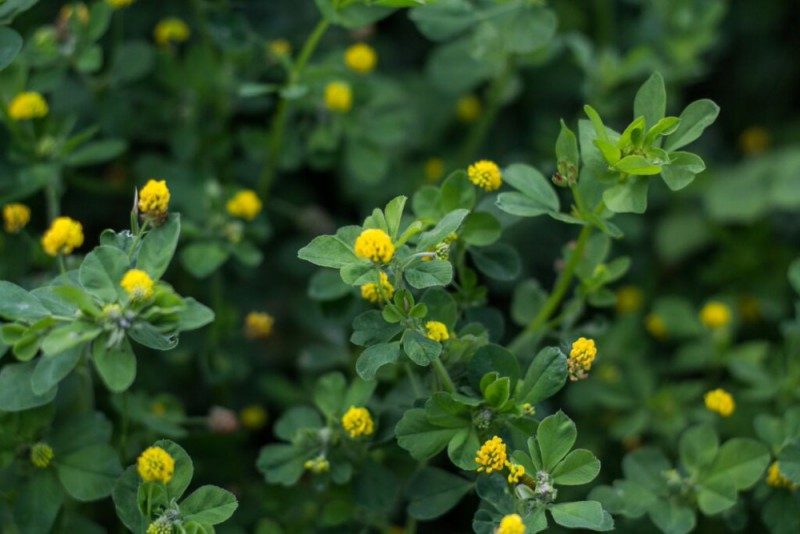
Safe to Feed. Do not feed this plant if your rabbits are being fed commercial dry food, such as pellets.
Sulphur Cinquefoil (Potentilla recta)
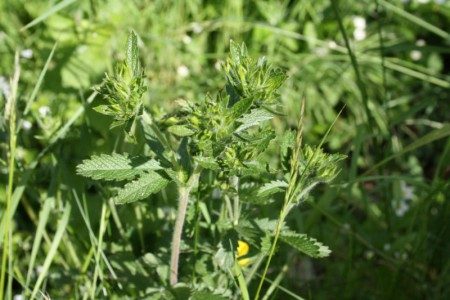
Safe to Feed.
Bird’s-foot Trefoil (Lotus corniculatus)
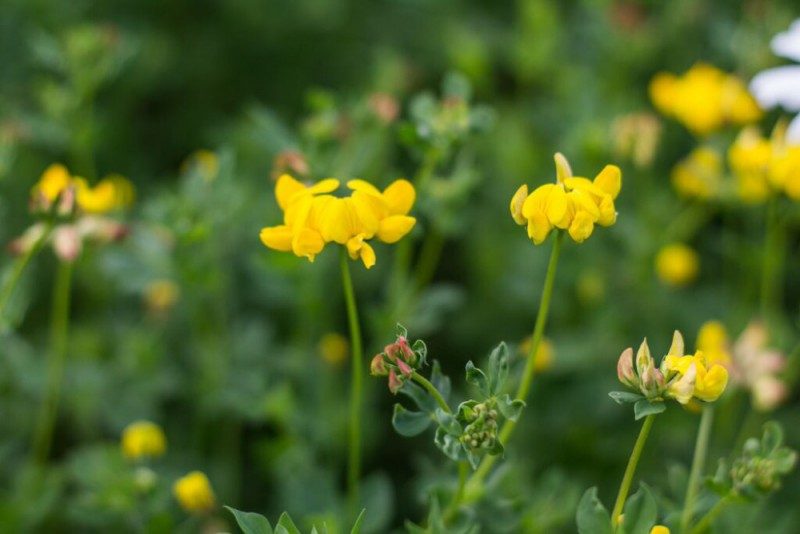
Safe to Feed. Do not feed this plant if your rabbits are being fed commercial dry food, such as pellets.
Mouse-ear Chickweed (Cerastium fontanum)
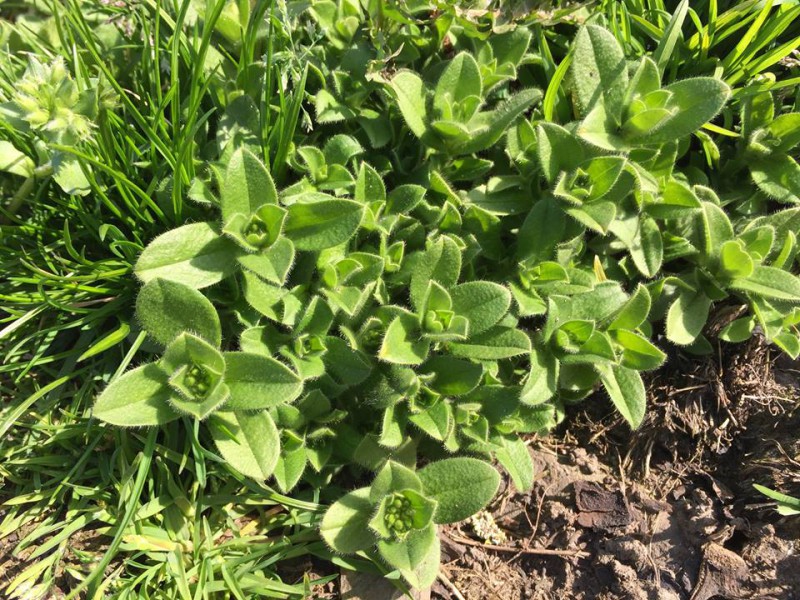
Safe to Feed. Mouse-ear chickweed is easily overlooked among the grass because it grows very close to the ground.
Horned Violet (Viola cornuta)
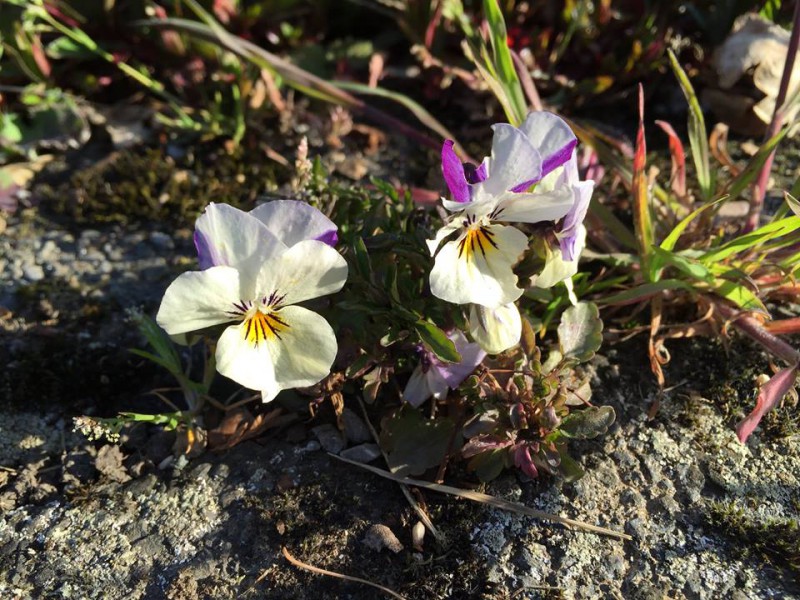
Safe to Feed. The flowers come in a variety of colours.
Coltsfoot (Tussilago farfara)
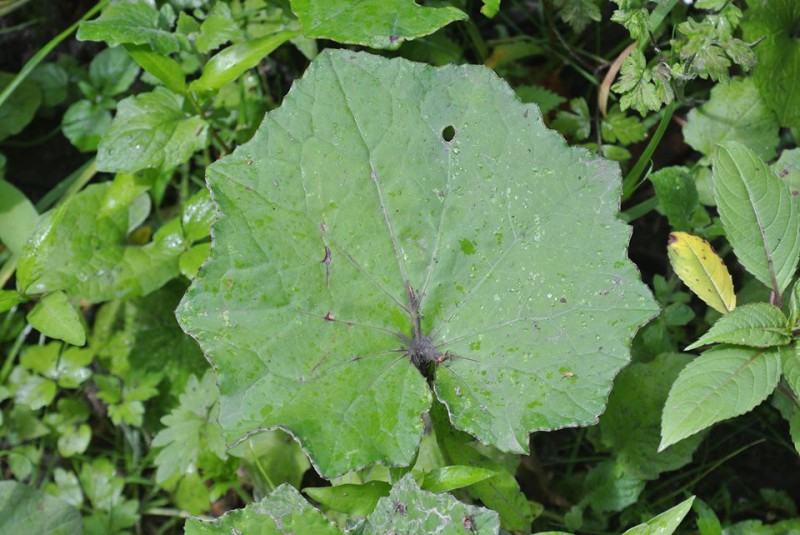
Suitable for feeding as part of a varied mix. Among other properties, it has an expectorant effect. It is easy to identify by the whitish hairs on the undersides of its leaves.
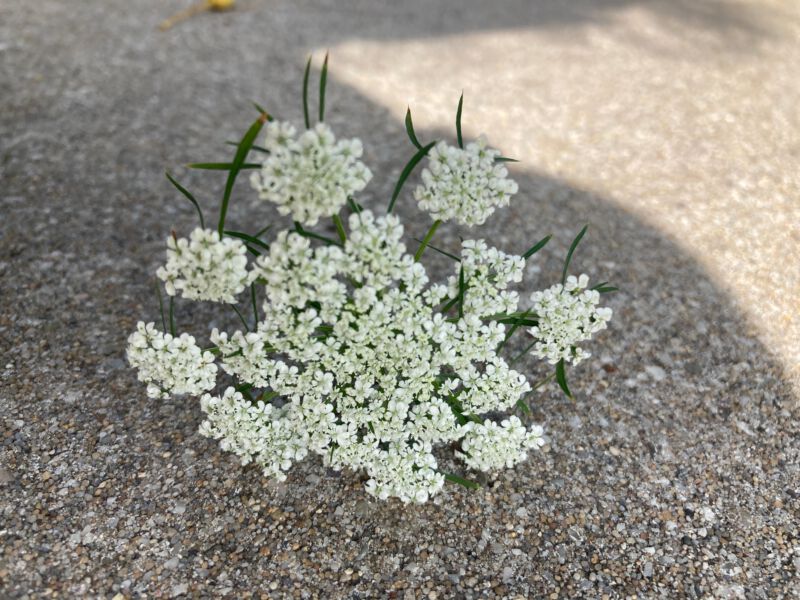
Fool’s Parsley (Aethusa cynapium)
Himalayan Balsam (Impatiens glandulifera)
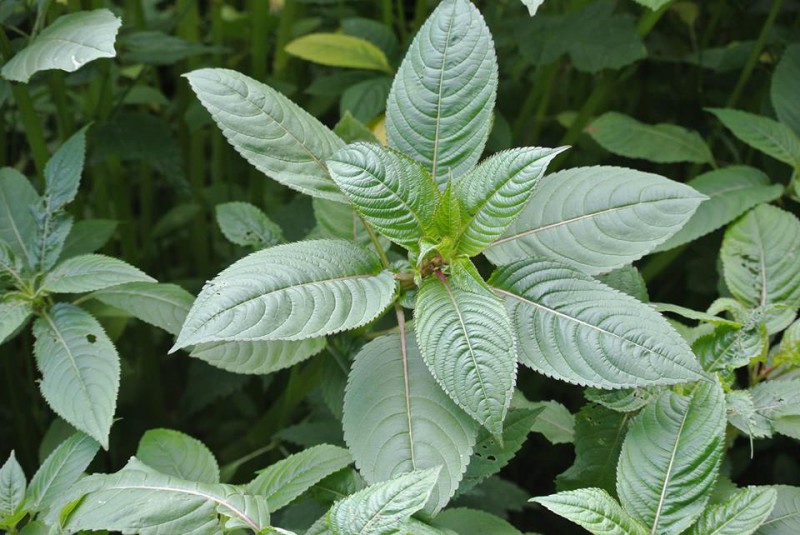
Suitable for feeding as part of a varied mix. Often unpopular with rabbits. It forms dense carpets in forests and is an invasive non-native plant (in Europe).
Periwinkle, Lesser Periwinkle (Vinca minor)
Crimson Clover (Trifolium incarnatum)
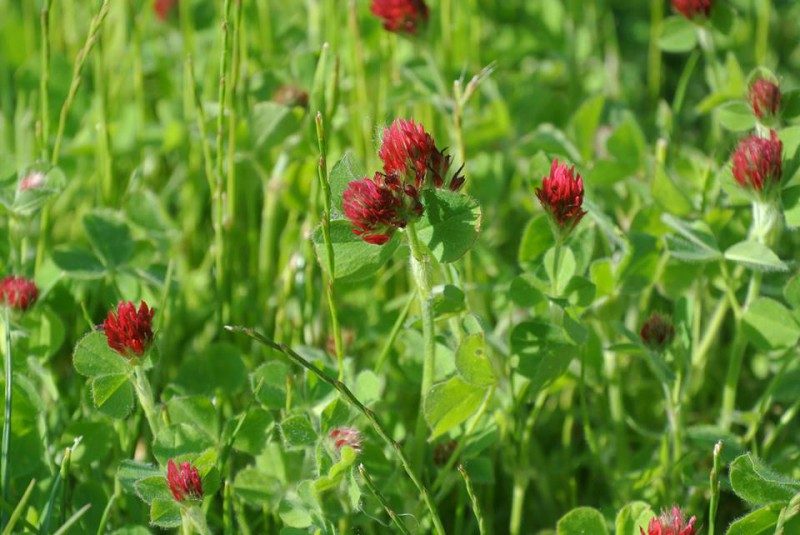
Safe to Feed. Do not feed this plant if your rabbits are being fed commercial dry food, such as pellets.
Common Ragwort (Jacobaea vulgaris; syn. Senecio jacobaea)
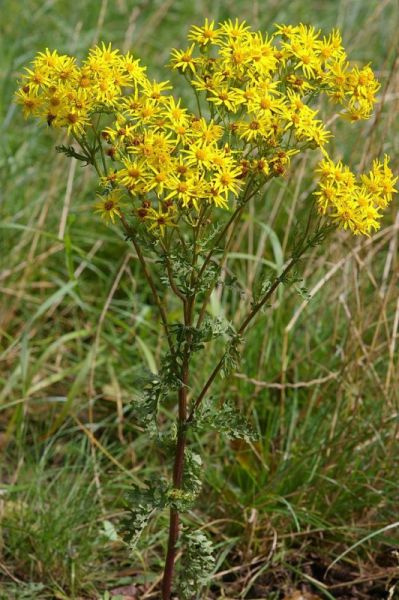
Common ragwort is edible for rabbits, as it contains a substance (pyrrolizidine alkaloids) that is toxic to other animals. In feeding trials with rabbits, it was found that they tolerate it well and it does not have toxic effects.
St. John’s Wort (Hypericum)
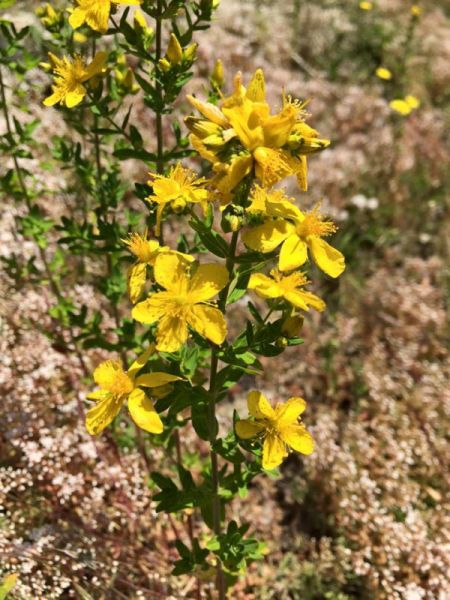
Safe to Feed. Some rabbits are very fond of it. Albino or white rabbits with access to direct sunlight should not be fed it continuously or every day, as the hypericin it contains may make them more sensitive to sunlight. Wear gloves when handling it, as skin contact followed by sun exposure may cause a rash.
Chamomile (Matricaria)
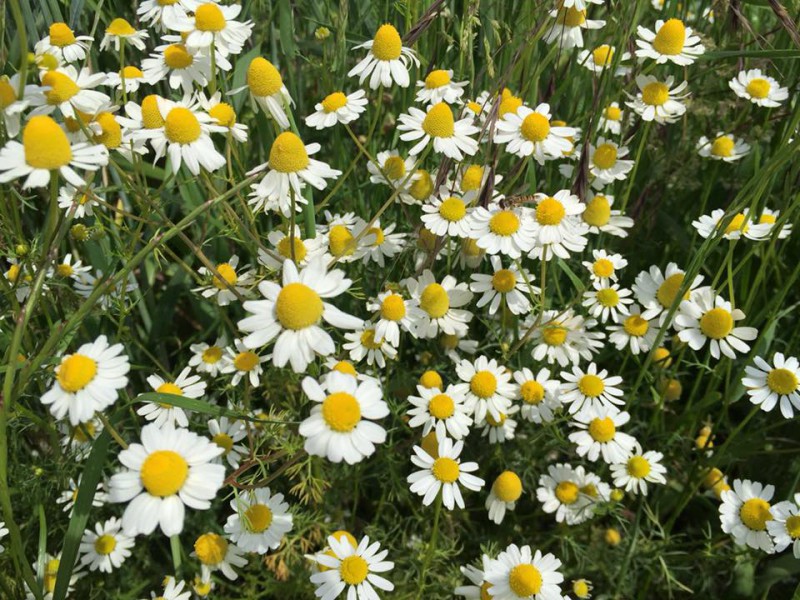
Safe to Feed. This applies to German chamomile, pineappleweed, and corn-chamomile/dog-fennel alike.
Canadian Goldenrod (Solidago canadensis)
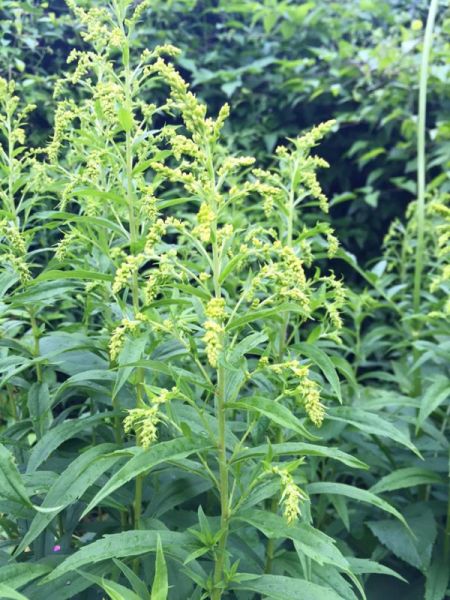
Safe to Feed. Among other properties, it has a diuretic effect.
Canadian Fleabane, Canadian Horseweed (Conyza canadensis)
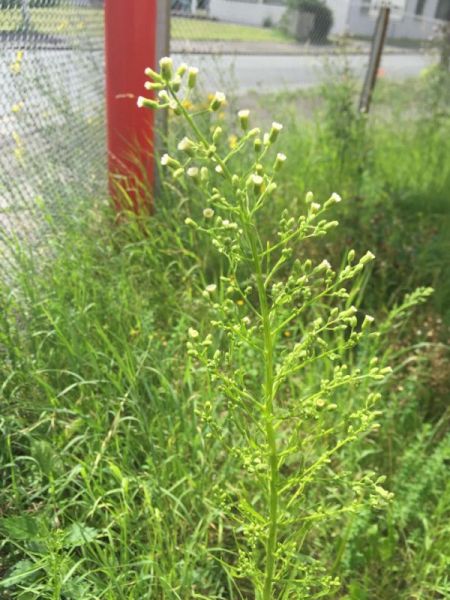
Safe to Feed. It has a very inconspicuous appearance and prefers uncultivated land.
Caucasian Stonecrop (Phedimus spurius)
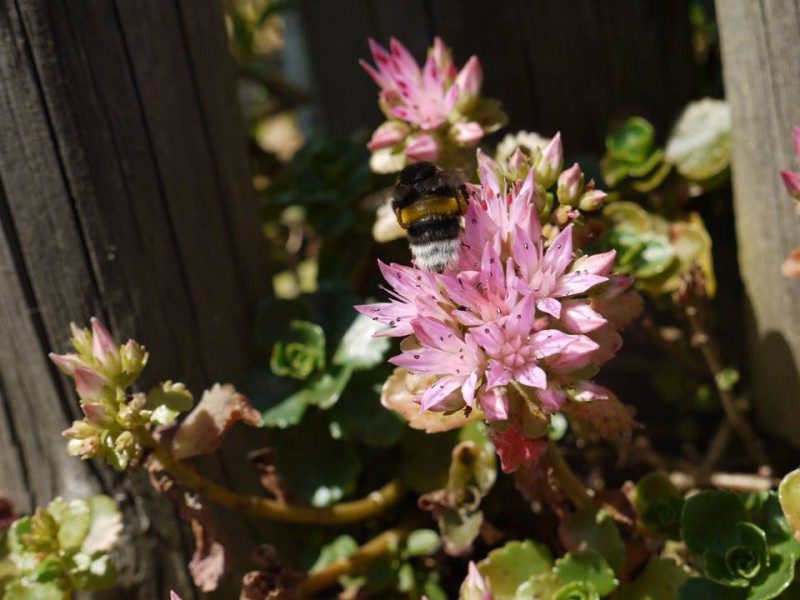
Safe to Feed. This plant is typically found in gardens but can also be encountered in the wild, for example, on dry grasslands or walls.
Common Poppy (Papaver rhoeas)
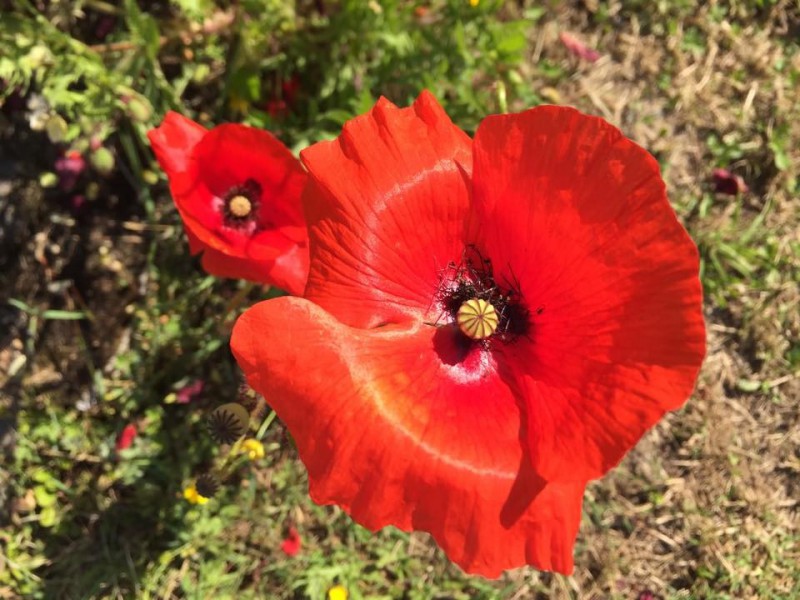
Suitable for feeding as part of a varied mix. Many rabbits enjoy the leaves.
Hoary Willowherb, Smallflower Hairy Willowherb (Epilobium parviflorum)
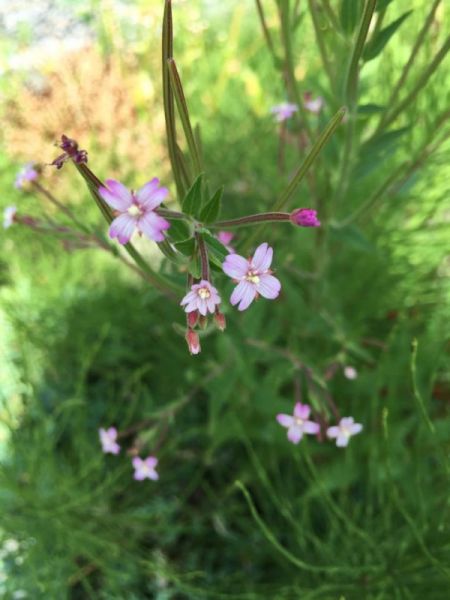
Safe to Feed. Among other effects, it has anti-inflammatory properties.
Burdock; Woolly, Greater, Lesser (Arctium)
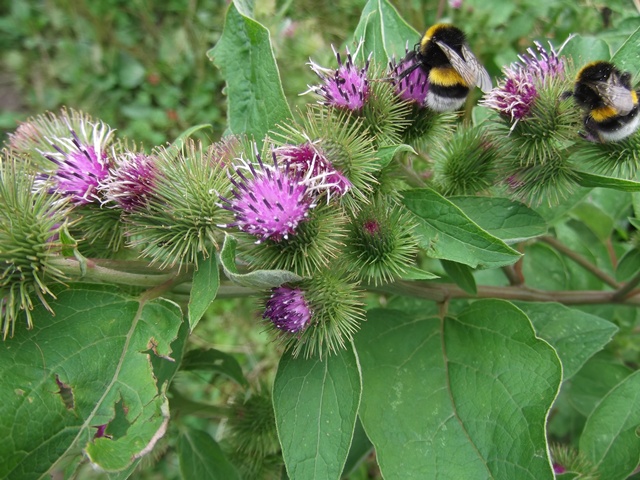
Safe to Feed. Often not particularly popular with rabbits.
Cleavers (Galium aparine)
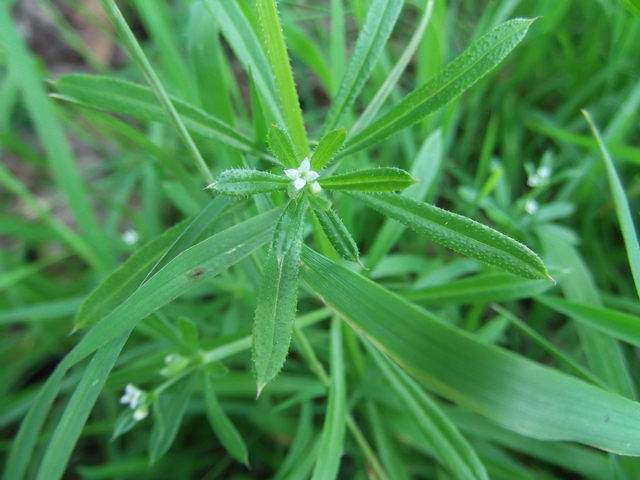
Safe to Feed. Moderately popular with most rabbits. Cleavers are easily recognized by their sticky nature, as they cling to clothing, fur, and other surfaces.
Garlic Mustard (Alliaria petiolata)
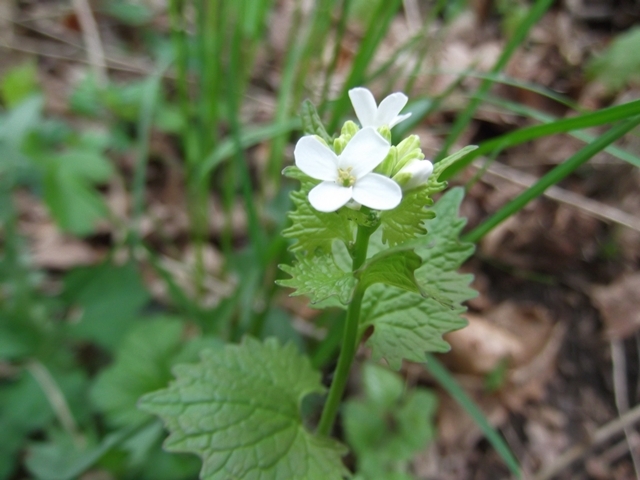
Safe to Feed. Often unpopular due to its garlicky smell.
Common Figwort, Knotted Figwort (Scrophularia nodosa)
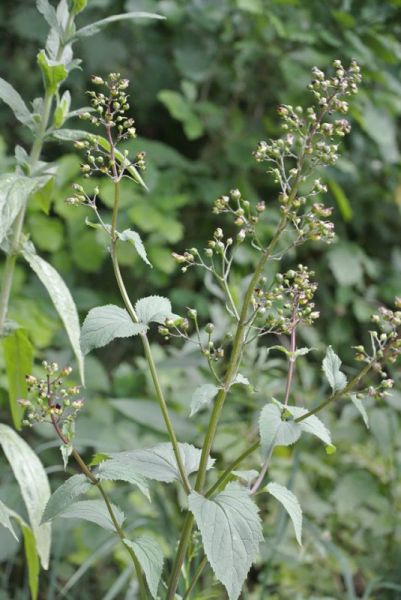
Not edible
Mullein (Verbascum)
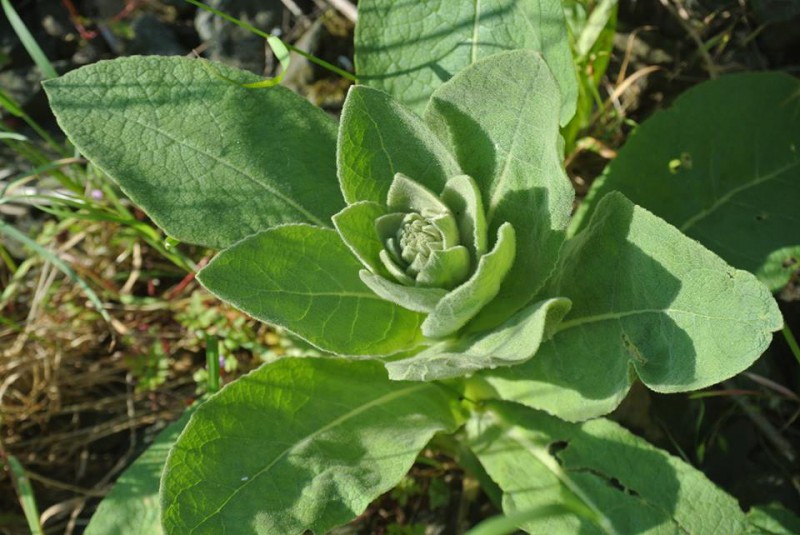
Safe to Feed. Often not very popular. There is a risk of confusion with the highly toxic foxglove!
Prickly Lettuce (Lactuca serriola)
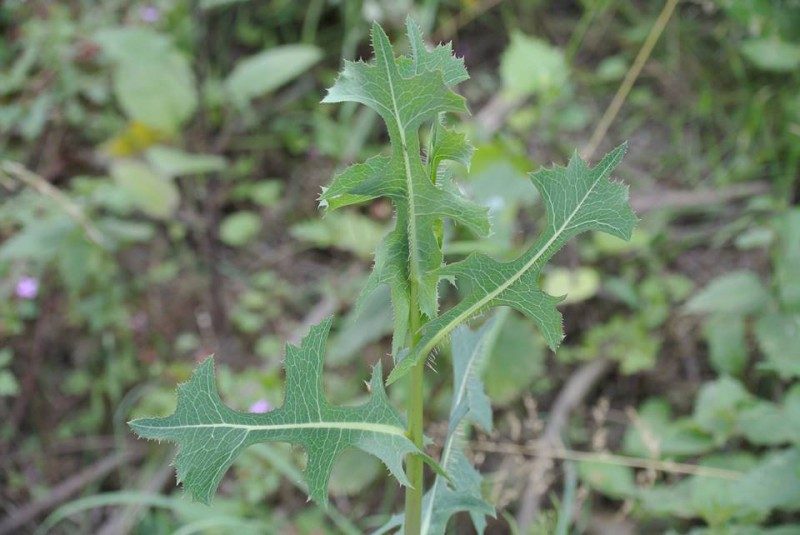
Safe to Feed. Very popular with most rabbits. It can be easily recognized by the spines on the leaf ribs on the underside of the leaves. The leaves also grow almost vertically upwards.
Cornflower (Centaurea cyanus)
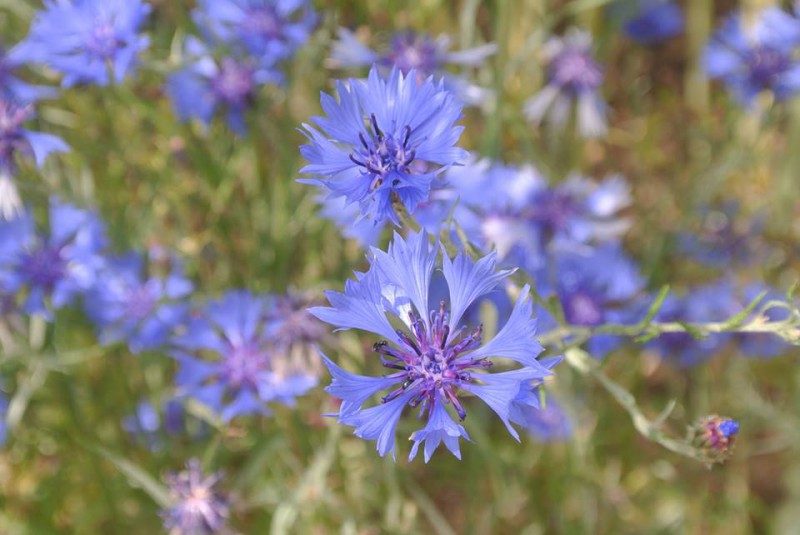
Safe to Feed. Often found near fields. Beneficial for the digestive tract, where it also has anti-inflammatory effects.
Thistle (Cirsium)
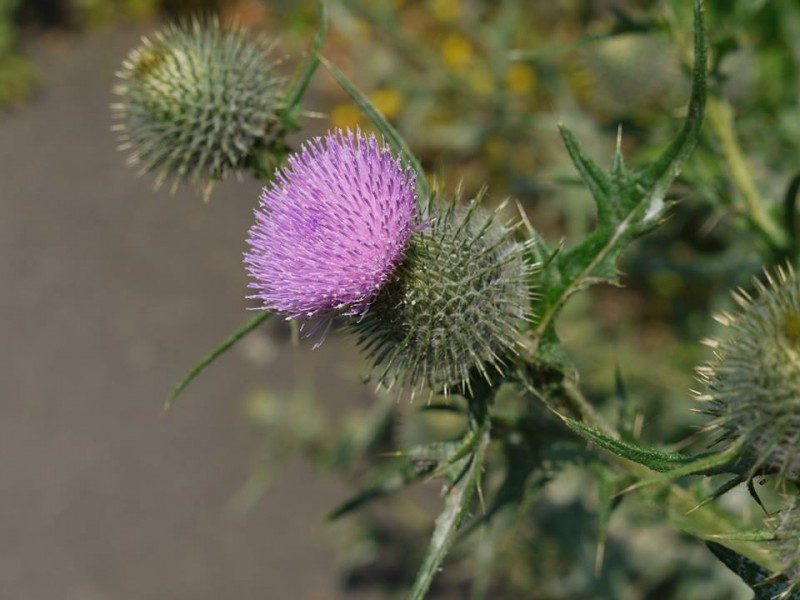
Safe to Feed. Many rabbit owners are reluctant to gather thistles because of their numerous spines, although some rabbits are quite fond of them. Rabbits without dental problems can easily chew and grind down the spines.
Ragged Robin (Lychnis flos-cuculi)
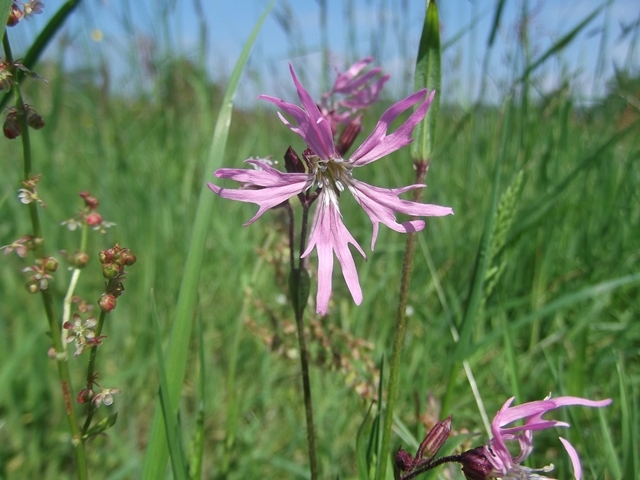
Safe to Feed. Often not particularly popular with rabbits.
Globe Thistle (Echinops)
Safe to Feed. Also found growing in the wild.
Common Toadflax (Linaria vulgaris)
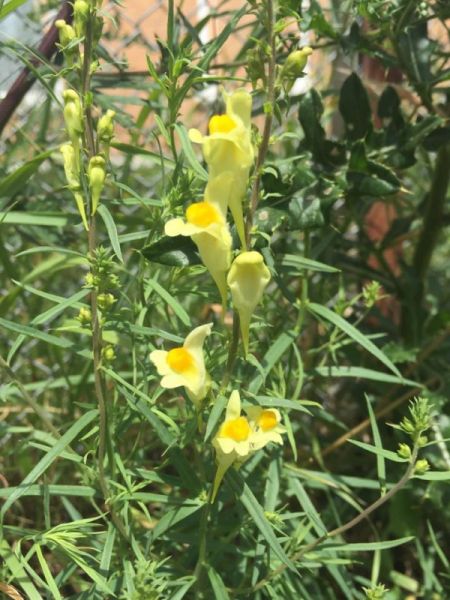
Safe to Feed.
Corydalis (Corydalis cava)
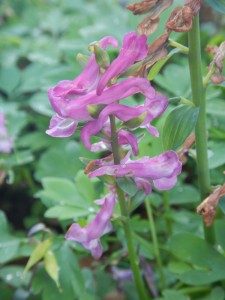
Dandelion (Taraxacum)
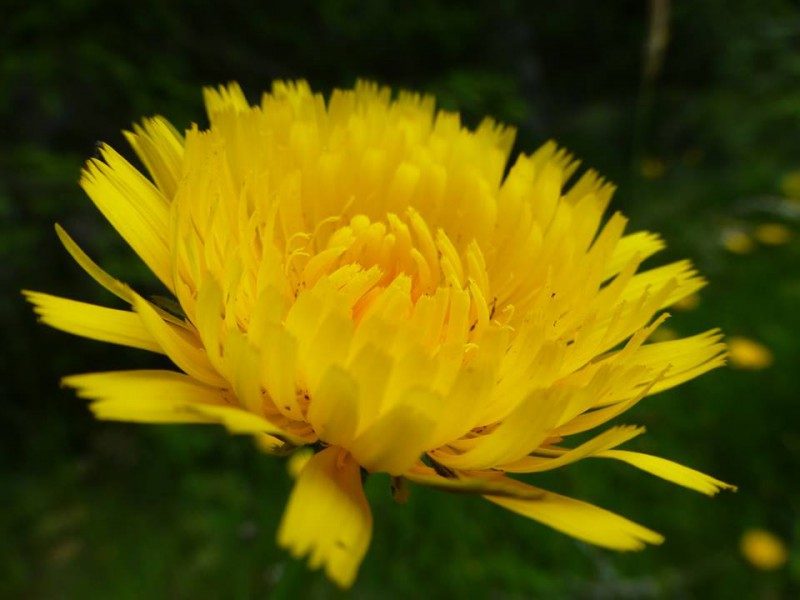
Safe to Feed. Almost everyone is familiar with dandelions, which are widely considered the classic rabbit food.
Alfalfa, Lucerne (Medicago sativa)
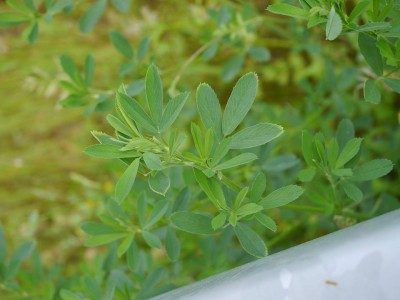
Safe to feed when fresh.When dried, however, it should only be fed occasionally due to its high calcium content.
Meadowsweet (Filipendula)
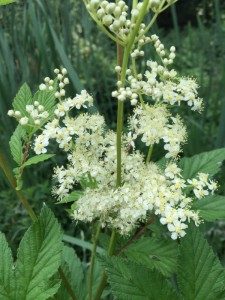
Safe to Feed. Has pain-relieving effects.
Ox-eye Daisy (Leucanthemum vulgare)
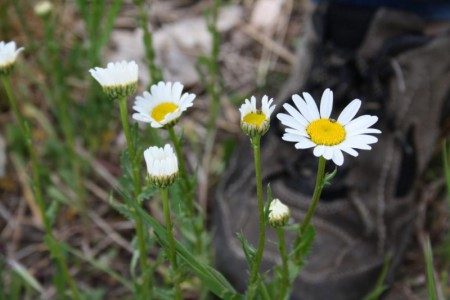
Safe to Feed. It is also known as dog daisy or moon daisy.
Lily of the Valley (Convallaria majalis)
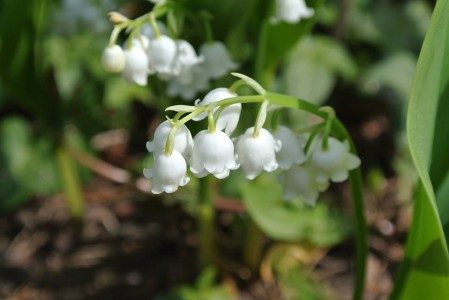
Mallow; Musk Mallow, Common Mallow, Wild Mallow, and others (Malva)
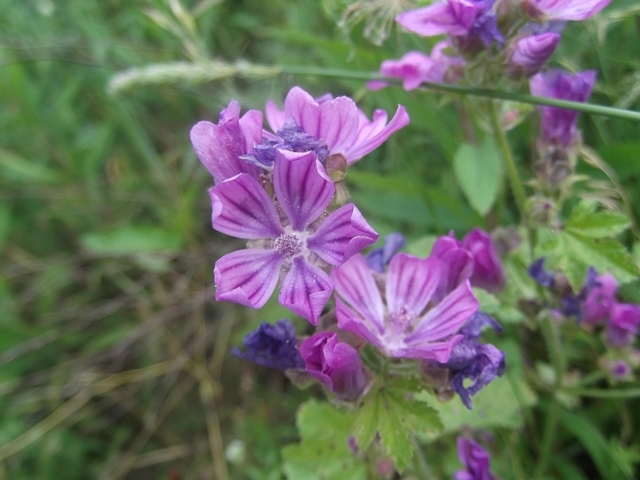
Safe to Feed. Among other properties, it has anti-inflammatory effects.
Wall Lettuce (Mycelis muralis)
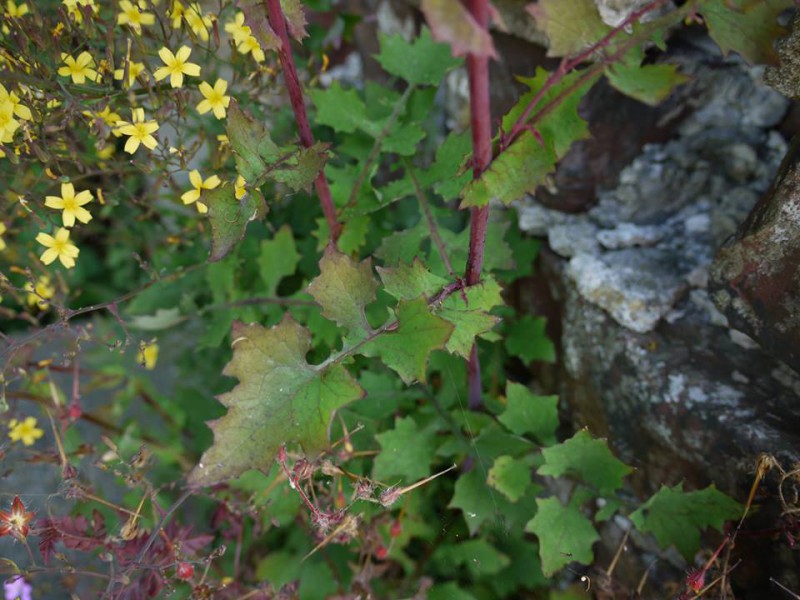
Safe to Feed. Often found in shady areas.
Horseradish (Armoracia rusticana)

Safe to Feed. Among other properties, it has anti-inflammatory effects. It may have either simple or compound leaves.
S
Sea Kale (Crambe maritima)
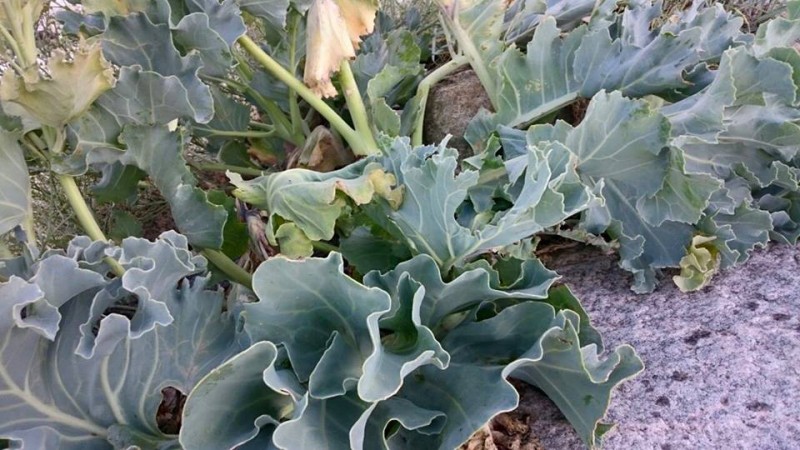
Safe to Feed. Found along the coasts of the North Sea and Baltic Sea.
Garden Star-of-Bethlehem; Umbellate (Ornithogalum umbellatum)
Alternate-leaved Golden Saxifrage (Chrysosplenium alternifolium)
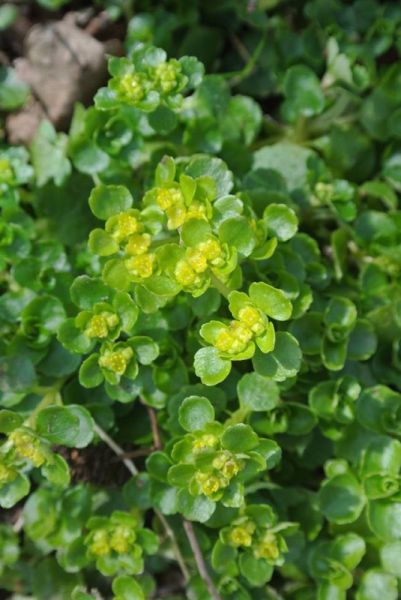
Safe to Feed. Helpful for spleen disorders.
Zigzag Clover (Trifolium medium)
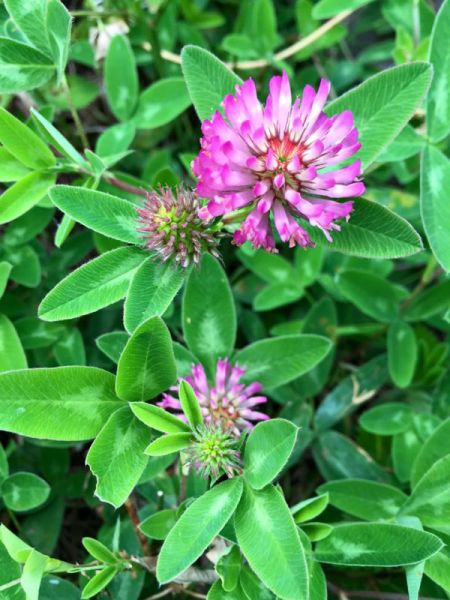
Safe to Feed. Do not feed this plant if your rabbits are being fed commercial dry food, such as pellets. Very popular with rabbits.
Evening Primrose (Oenothera biennis)
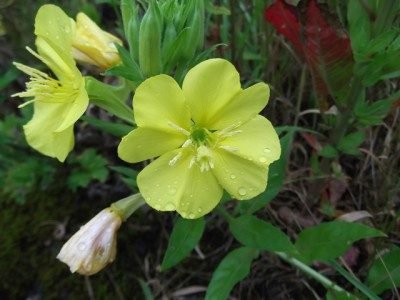
Safe to Feed. Its bright yellow flowers are easy to spot on summer evenings.
Black Nightshade (Solanum nigrum)
It forms small, round black berries after flowering; highly toxic!
Viper’s Bugloss (Echium vulgare)
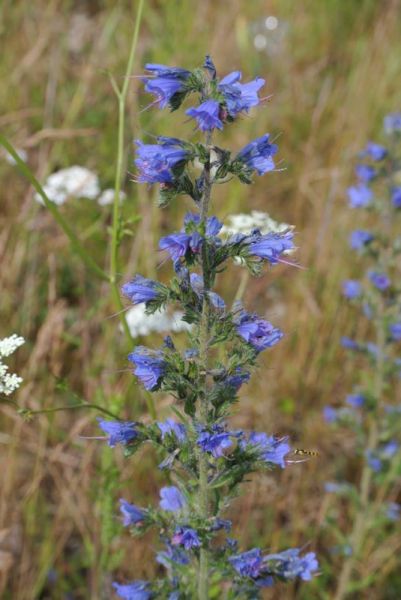
Can be fed in a mix. Often not very popular. However, bees and bumblebees love the flowers of Viper’s Bugloss.
Narcissus (Daffodil)
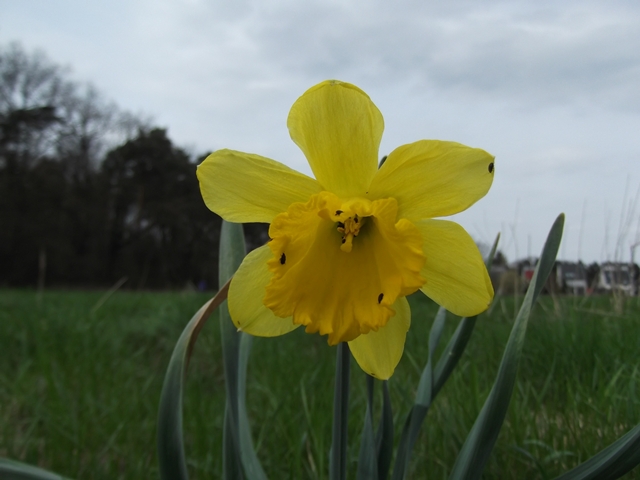
Not edible. It occurs both wild and as a cultivated plant.
Wood Avens (Geum urbanum)
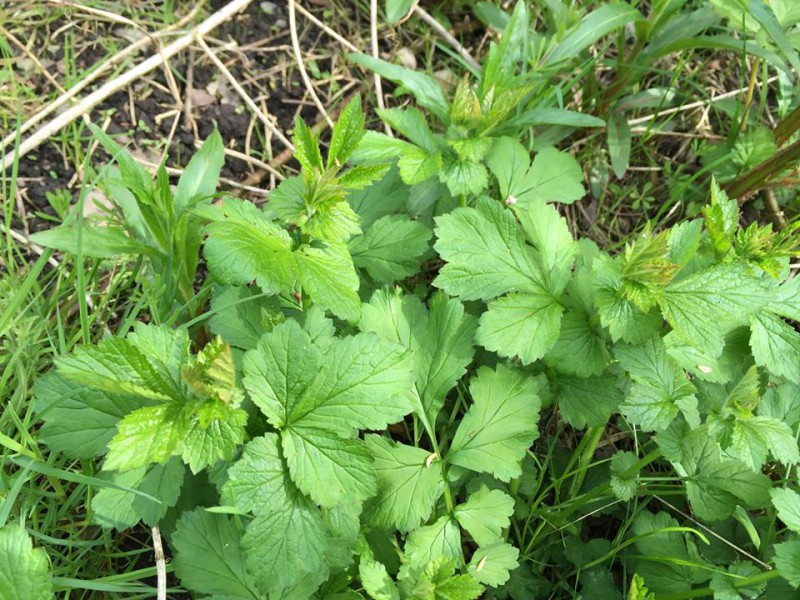
Unproblematic forage plant. Prefers to grow in shady areas.
Nettle-leaved Bellflower (Campanula trachelium)
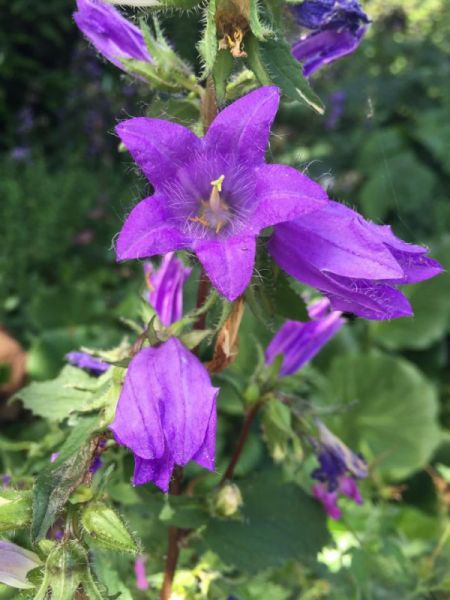
An unproblematic fodder plant, the Nettle-leaved Bellflower (Campanula trachelium) somewhat resembles the stinging nettle (Urtica dioica) when not in bloom, leading some to confuse the two species. However, once the violet flowers emerge, it becomes easy to distinguish between the two plants.
Agrimony (Agrimonia eupatoria)
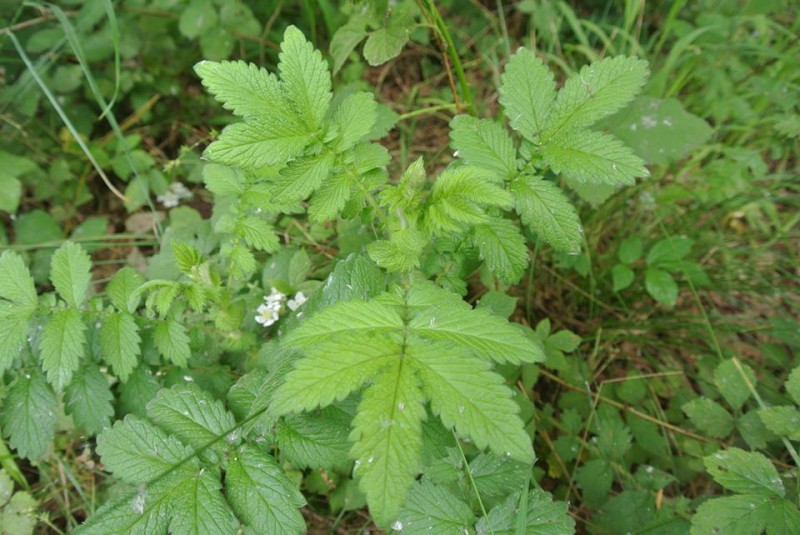
An unproblematic fodder plant, Common Agrimony (Agrimonia eupatoria) is often mistaken for Silverweed (Potentilla anserina). However, Agrimony lacks the silvery underside of the leaves that is characteristic of Silverweed.
Orange Hawkweed (Hieracium aurantiacum)
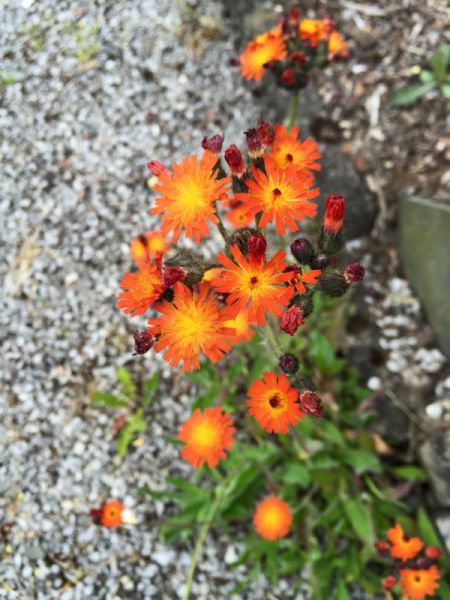
Unproblematic plant.
Turkish Warty Cabbage or Hill Mustard (Bunias orientalis)
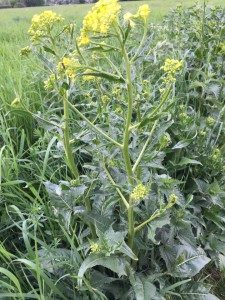
Unproblematic fodder plant. It is also an introduced neophyte, which is why many would appreciate it being used as feed—similar to Japanese Knotweed.
Parsnip (Pastinaca sativa)
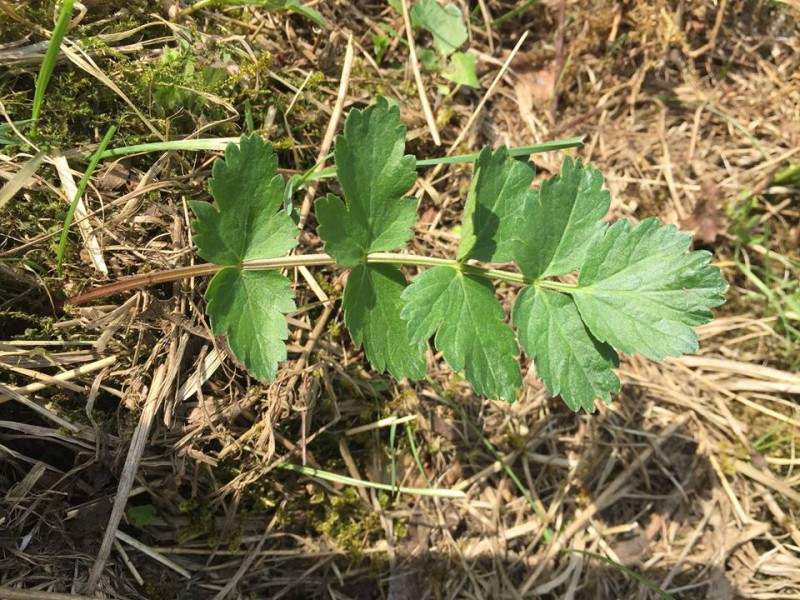
Unproblematic fodder plant. Wear gloves when picking (Pastinaca sativa) to avoid grass dermatitis.
Persian Clover (Trifolium resupinatum).

Unproblematic fodder plant. Do not feed in combination with pellets or other commercial dry feed (pellets).
Butterbur (Petasites hybridus).
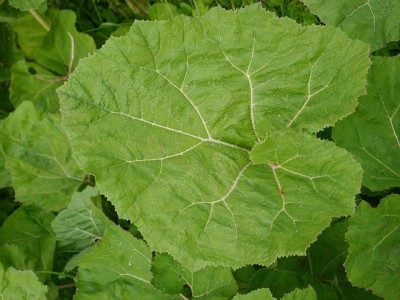
Edible in a mixture. It was used in the Middle Ages to treat the plague, which is how it got its name. Rabbits with digestive problems may sometimes eat it. Like coltsfoot, it first produces a flower in the spring, but this one is white or reddish and has many small flowers on a flower stalk.
Perennial Pepperweed (Lepidium draba).
Unproblematic fodder plant.
Moneywort (Lysimachia nummularia)
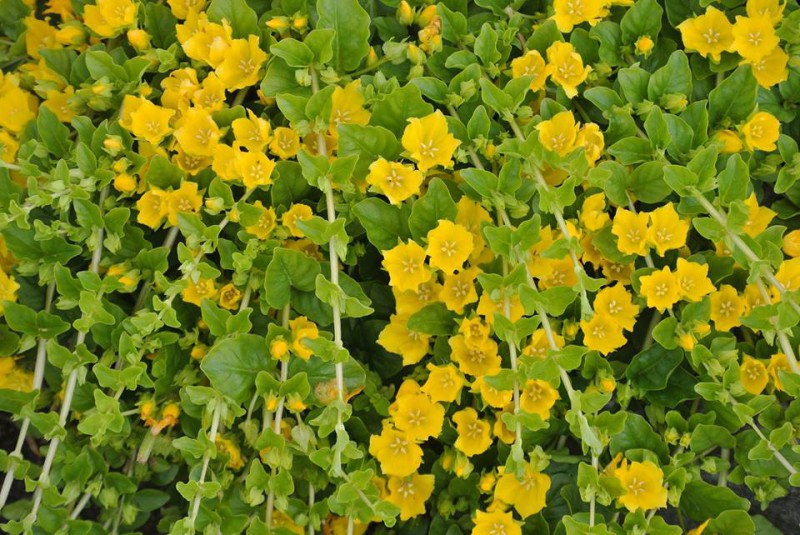
Unproblematic fodder plant. It spreads over the ground.
Salad Burnet (Sanguisorba minor)
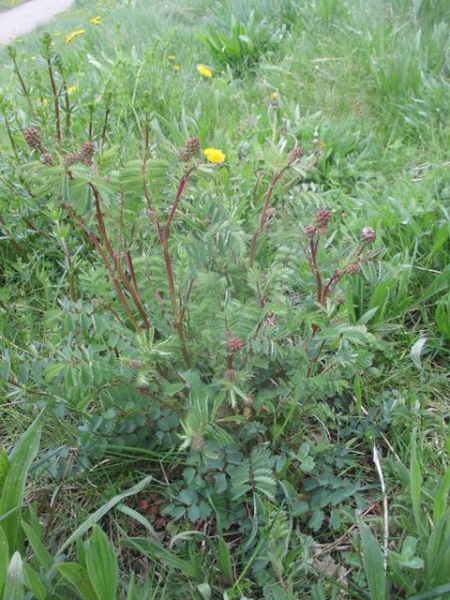
Safe to Feed. Also known as Small Burnet.
Vetchlings or Pea (Lathyrus)
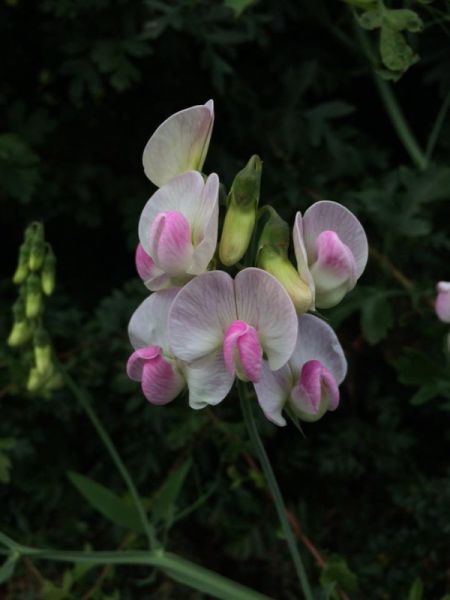
Safe to Feed. In gardens, species of Lathyrus are often found under the name Sweet Pea. They usually have pink flowers, although cultivated varieties with other flower colors, such as white, also exist.
Pyramidal Bugle (Ajuga pyramidalis)
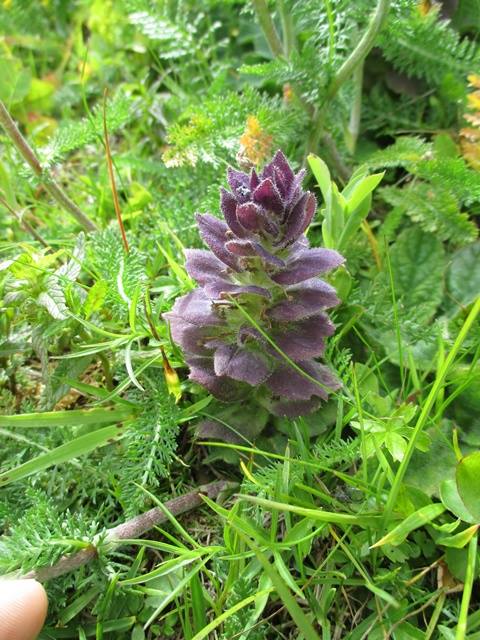
Safe to Feed. Used medicinally to support wound healing.
Tansy (Tanacetum vulgare)
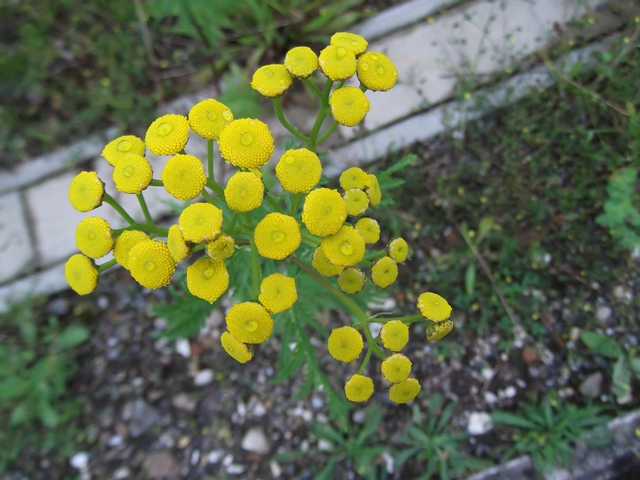
Can be offered as a medicinal plant as part of a varied mix. May help prevent intestinal parasites.
Rapeseed, Canola (Brassica napus)
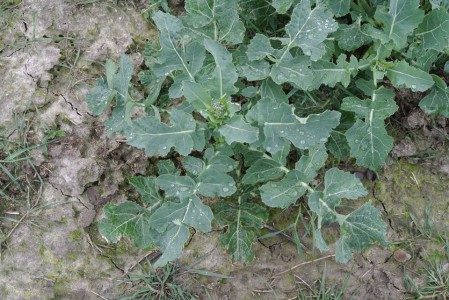
Safe to Feed. Most rabbits enjoy the young leaves.
Common Stork’s-bill (Erodium cicutarium)
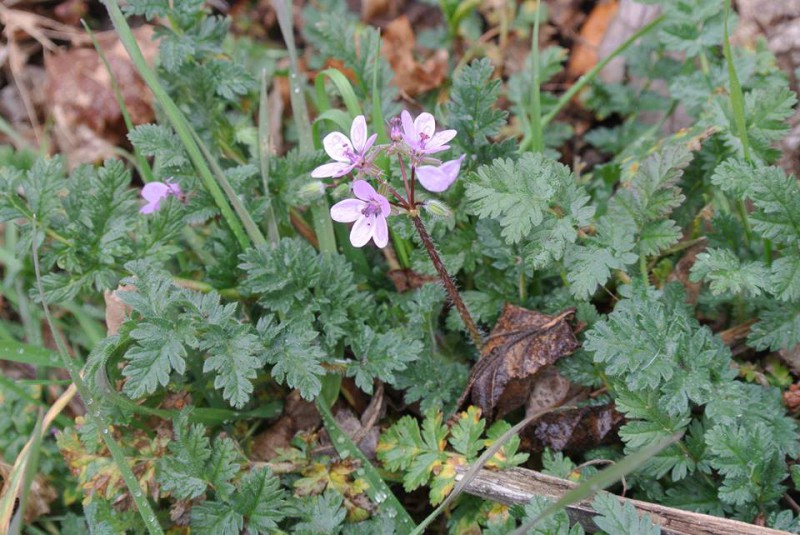
Safe to Feed.
Giant Hogweed (Heracleum mantegazzianum)
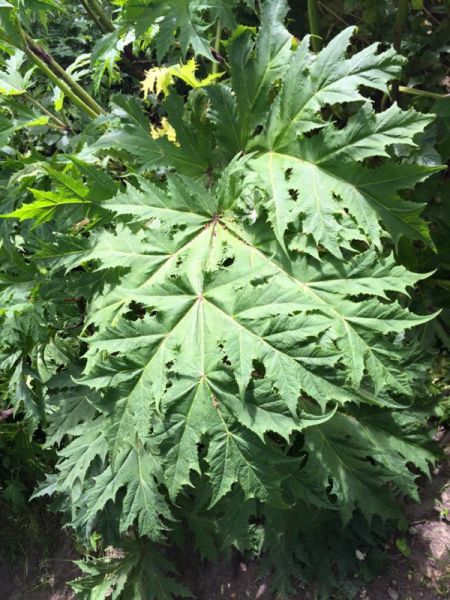
Safe to Feed. However, humans should avoid direct contact with this plant. Wear gloves when picking it, just as you would with nettles. Contact with the sap followed by exposure to UV light can cause severe blistering of the skin. Always wear thick gloves when handling it.
Common Marigold (Calendula officinalis)
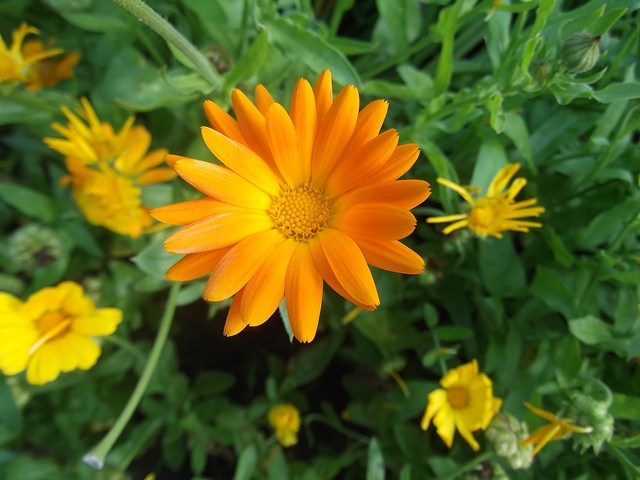
Safe to Feed.
Red Campion (Silene dioica)
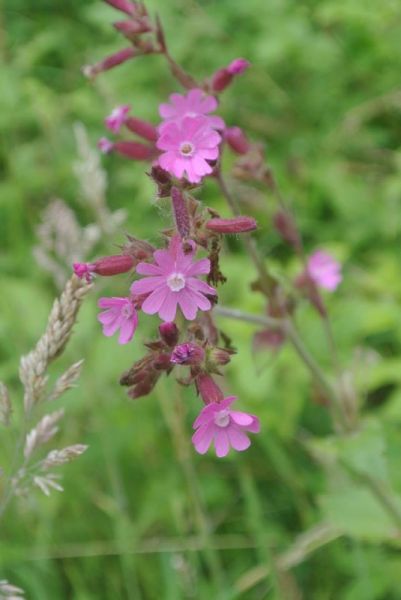
Safe to Feed. Often enjoyed by rabbits.
Red Clover (Trifolium pratense)
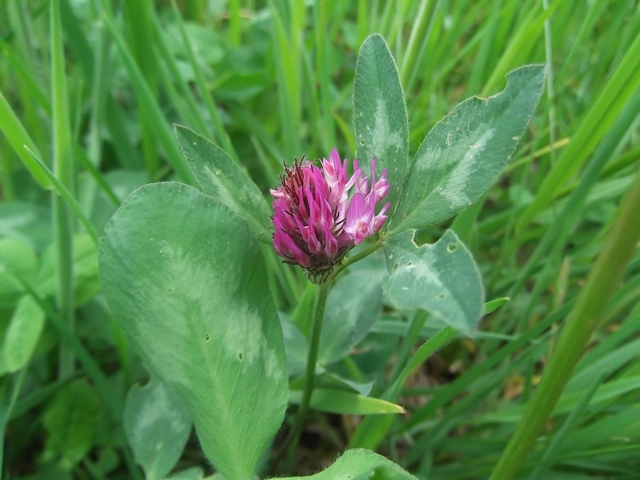
Unproblematic fodder plant. It is good for diarrhea. Do not feed it in combination with commercial dry feed, such as pellets.
Common Sorrel (Rumex acetosa)
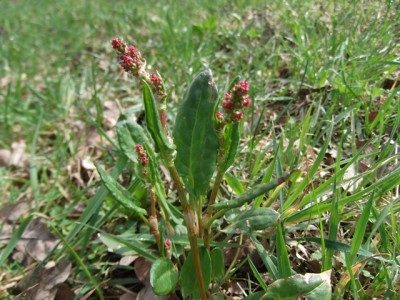
Edible in a mixture. It contains a high amount of oxalic acid, so it should be fed in a mixture. Some types of sorrel have a leaf shape similar to the highly toxic Arum (Jack-in-the-pulpit), but sorrel grows in meadows, while Arum grows in shrubs or forests (shaded areas) as a ground cover.
European wood sorrel (Oxalis stricta)
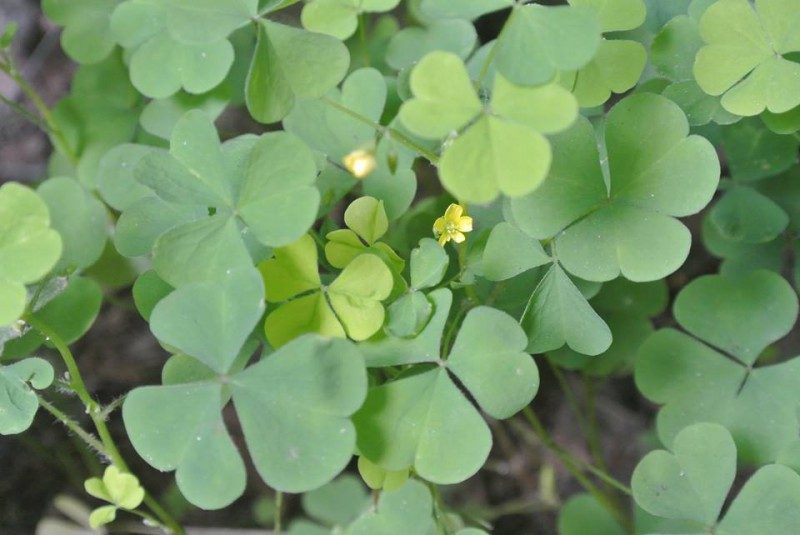
Can be fed well in mixtures. Due to its oxalic acid content, it should only be fed as part of a mixture.
Yarrow (Achillea millefolium)
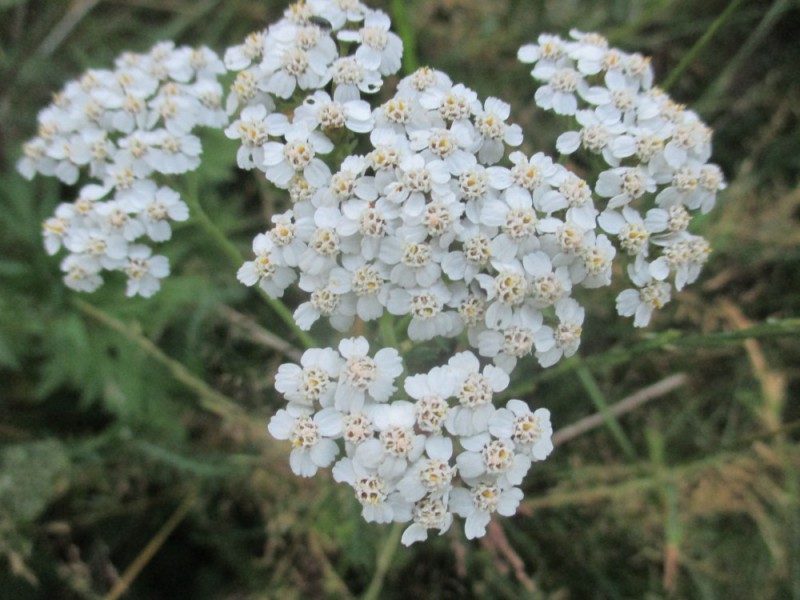
Unproblematic fodder plant. It is not an umbellifer, as one might think, but rather a member of the aster family, like dandelions. It typically blooms white, though it can also have pale pink or fully pink flowers.
Lesser celandine (Ranunculus ficaria)
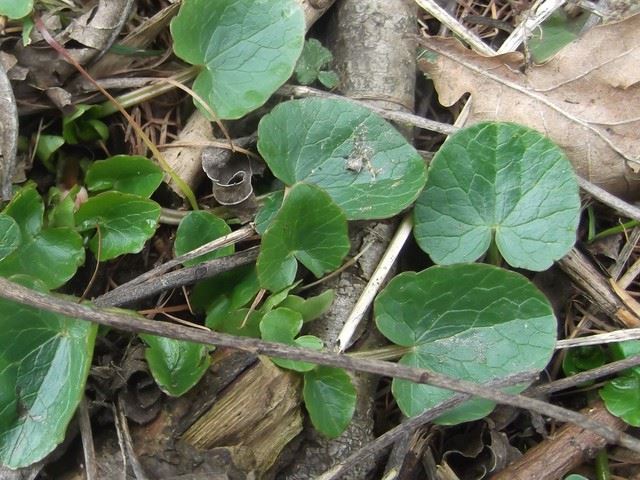
Can be fed as part of a mixture. A typical plant in spring. From May onwards, the leaves die back in preparation for the next spring.
Bistort (Bistorta officinalis)
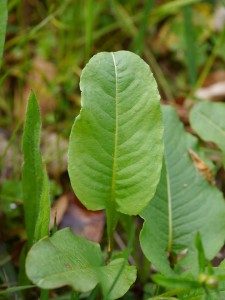
Unproblematic fodder plant. Effective for diarrhea.
Russian vine (Fallopia baldschuanica)
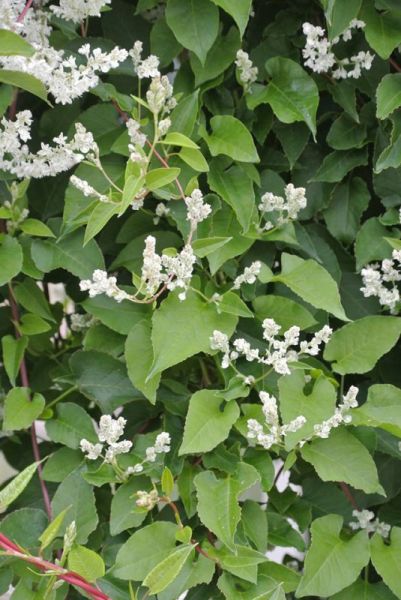
Unproblematic fodder plant. Loves to climb fences and similar structures.
Primrose, Tall Primrose (Primula elatior)
Edible in a mixed form, but it is under nature protection and therefore cannot be collected!
Narrow-leaved Ragwort (Senecio inaequidens)
This is edible for rabbits; however, it contains a substance (pyrrolizidine alkaloids) that is toxic to other animals. Feeding trials with rabbits have shown that they tolerate it well and it does not appear to be toxic. See Common Ragwort.
Narrow-leaved Vetch (Vicia angustifolia)
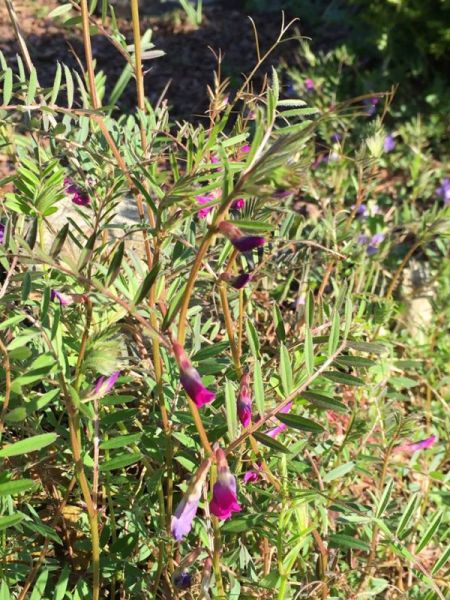
A non-problematic forage plant.
Narrow-leaved Willowherb (Epilobium angustifolium)
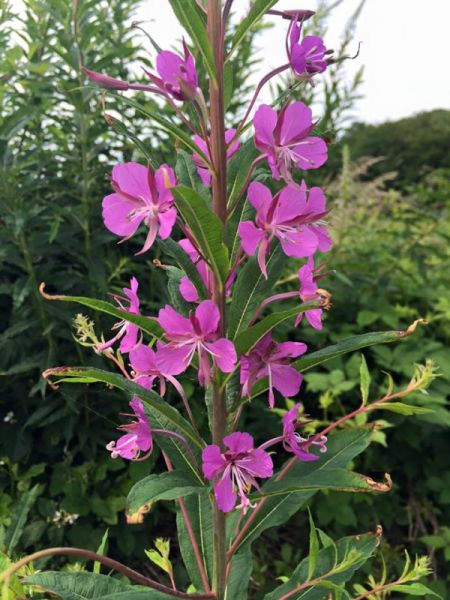
A non-problematic forage plant. It is usually not very popular with rabbits.
Snowdrop (Galanthus)
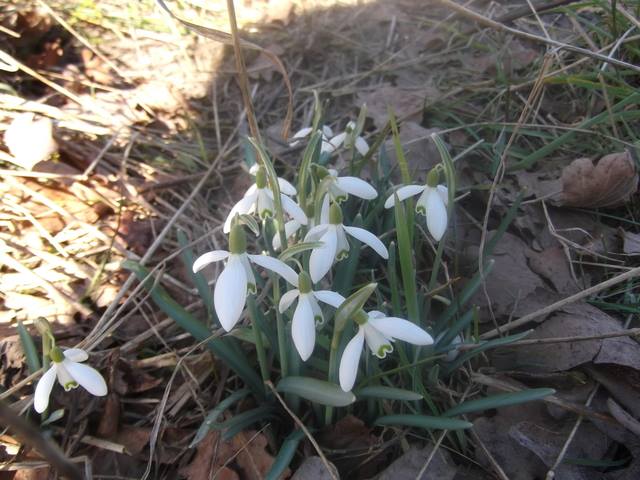
Not edible, but harmless in a garden free-range.
Chives (Allium schoenoprasum)
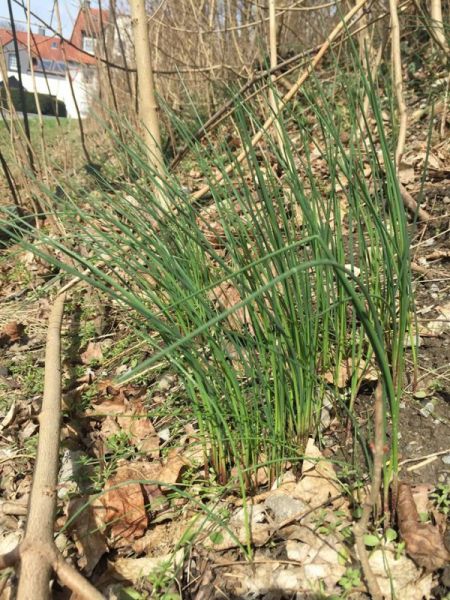
Edible in a mixed form. It is eaten to help prevent intestinal parasites. Chives also grow wild in nature.
Greater Celandine (Chelidonium majus)
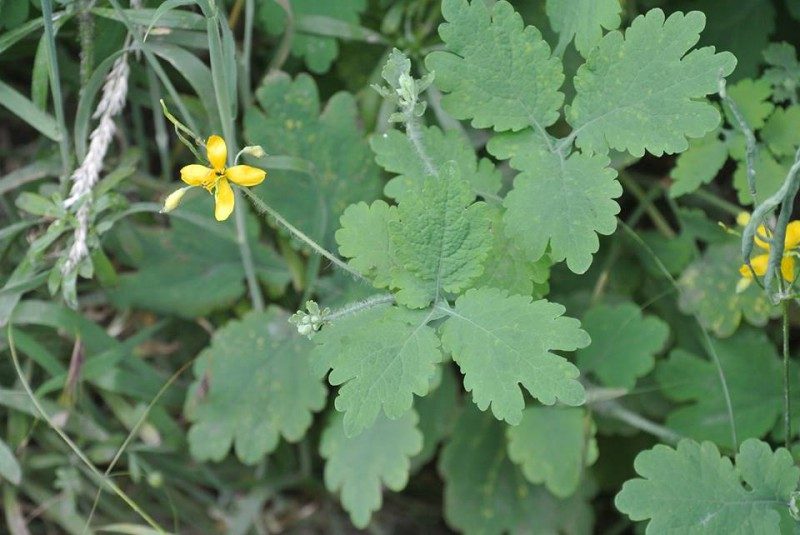
In a good mix, the leaves are edible. The yellow/orange plant sap is a good identifying feature, but it is toxic. Rabbits usually prefer the young leaves. Other parts of the plant are toxic.
Sweet Lupine
A non-problematic forage plant. It is less commonly found growing wild, but it is often cultivated as a forage crop. There is a risk of confusion with the highly toxic monkshood (Aconitum) and delphinium (Delphinium)! Always ensure proper identification before offering plants to animals.
Black Nightshade (Solanum nigrum)
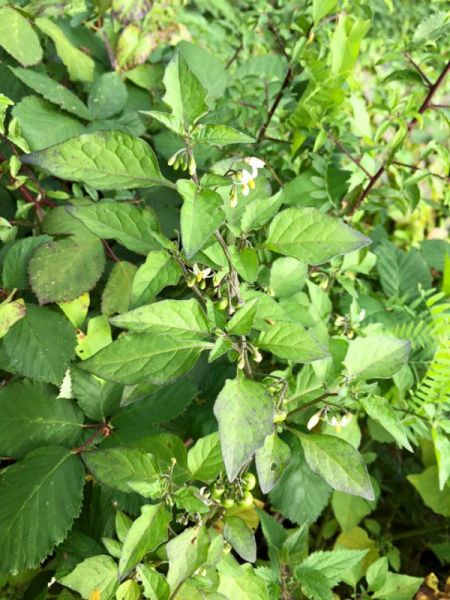
Highly toxic!
Swedish Clover (Trifolium hybridum)
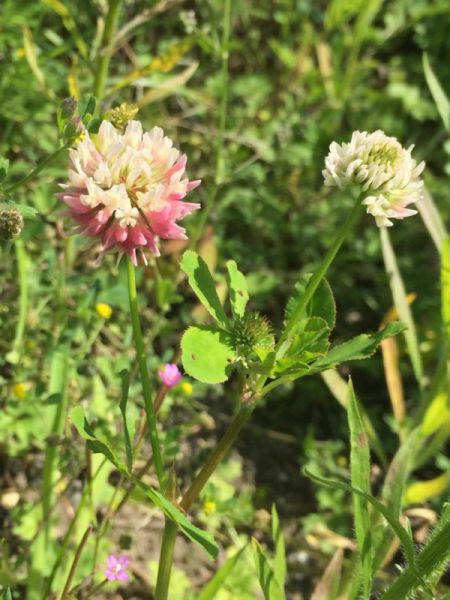
A non-problematic forage plant. It should not be fed with commercial dry food, such as pellets.
Soapwort (Saponaria officinalis)
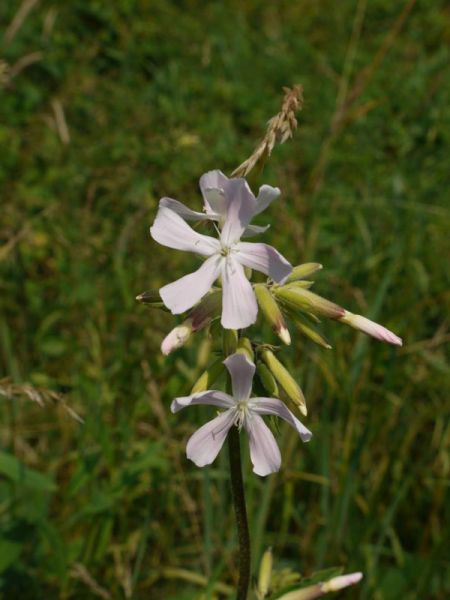
Edible in a mixed form.
Sickle Clover (Medicago sativa L. subsp. falcata)
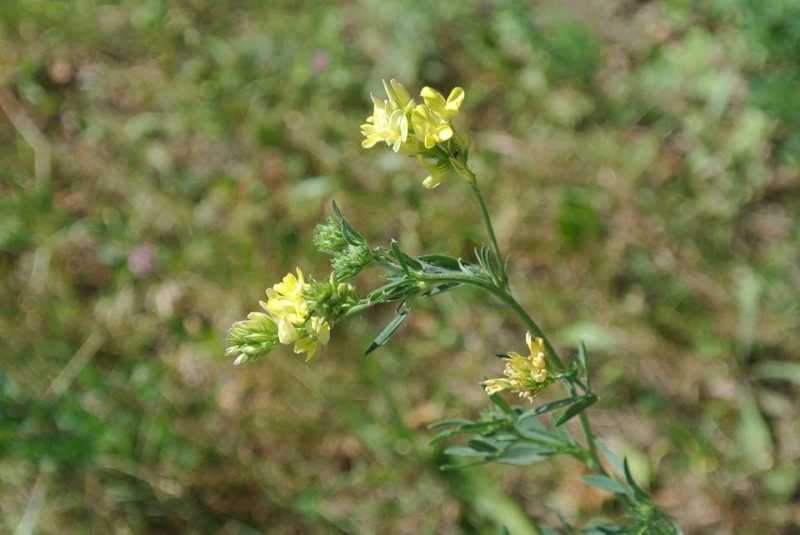
A non-problematic forage plant. Should not be fed with commercial dry food, such as pellets.
Silverleaf, Annual Silverleaf (Lunaria annua)
A non-problematic forage plant, but the seeds are toxic. The large, silver pods after flowering are a distinctive feature. It is important to avoid feeding the seeds to animals, as they can be harmful.
Sunflower (Helianthus annuus)
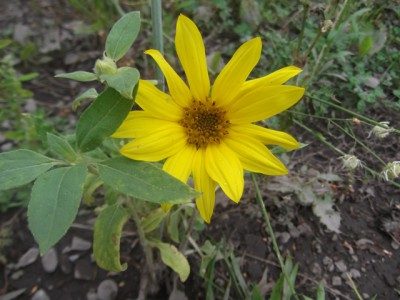
A non-problematic forage plant. However, the seeds should only be given as treats, as they are high in fat.
Sunspurge (Euphorbia helioscopia)
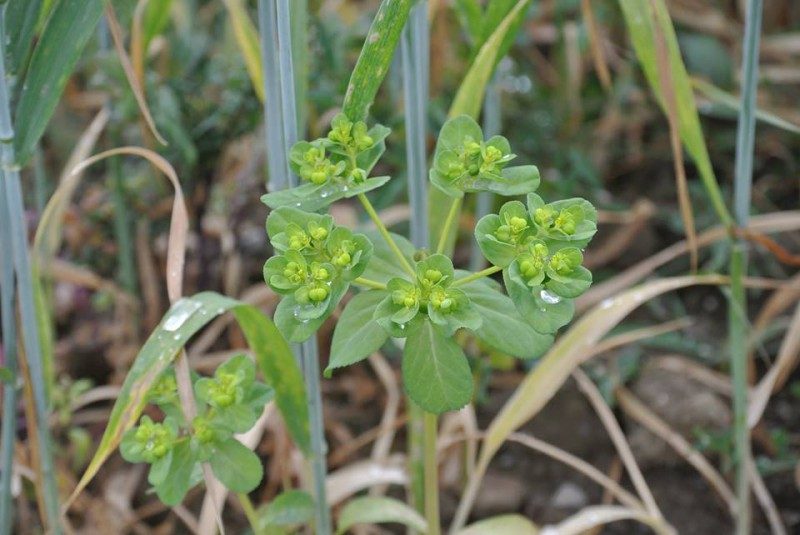
Not a forage plant, but mildly toxic!
Asparagus (Asparagus)
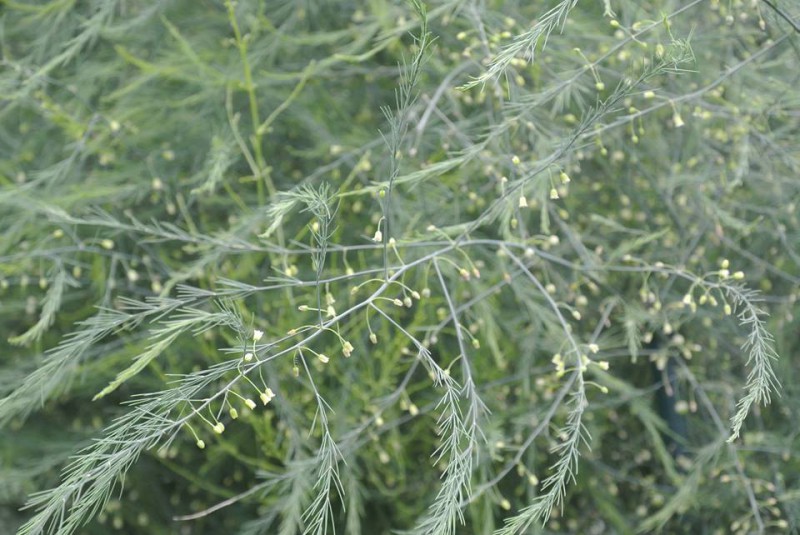
A non-problematic forage plant. It also grows wild. The greenery is quite inconspicuous and can be easily overlooked.
Ribwort Plantain (Plantago lanceolata)
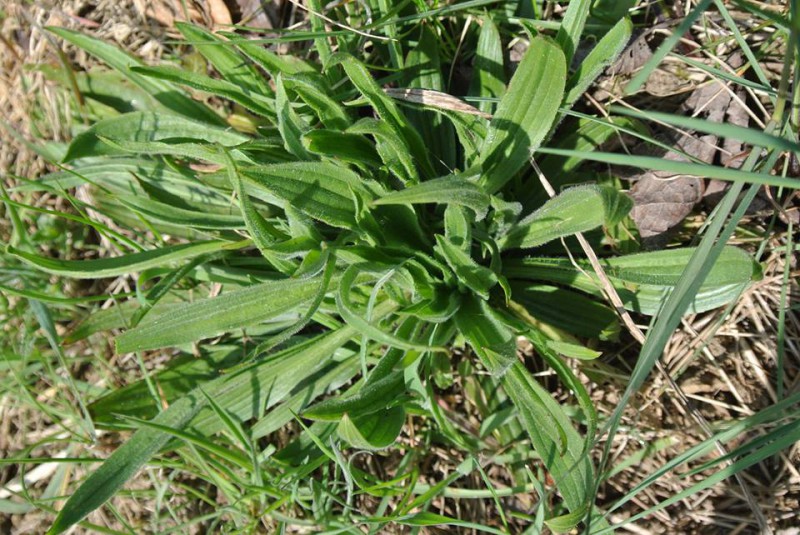
A non-problematic forage plant. It has soothing properties, including being expectorant. The plant sap also cools mosquito bites for the owner. The parallel plant fibers make it easily identifiable.
Flickerweed (Cardamine impatiens)
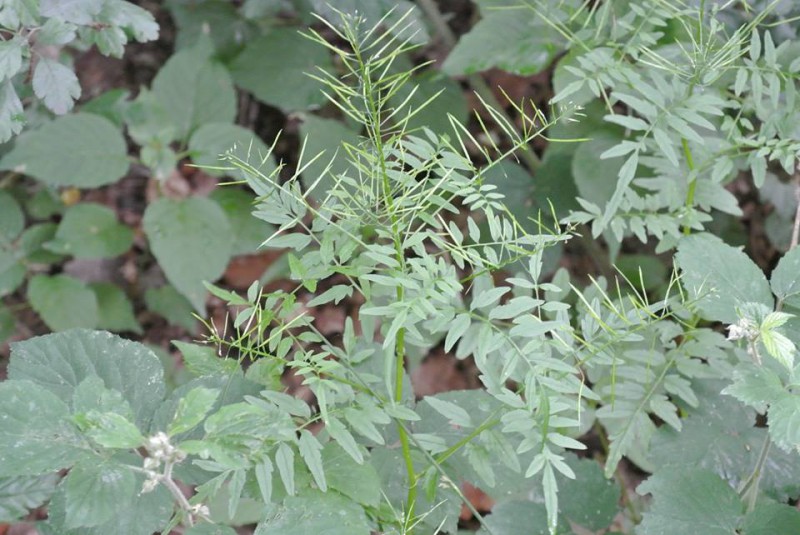
A non-problematic forage plant. It prefers to grow in shady spots.
Japanese Knotweed (Fallopia japonica)
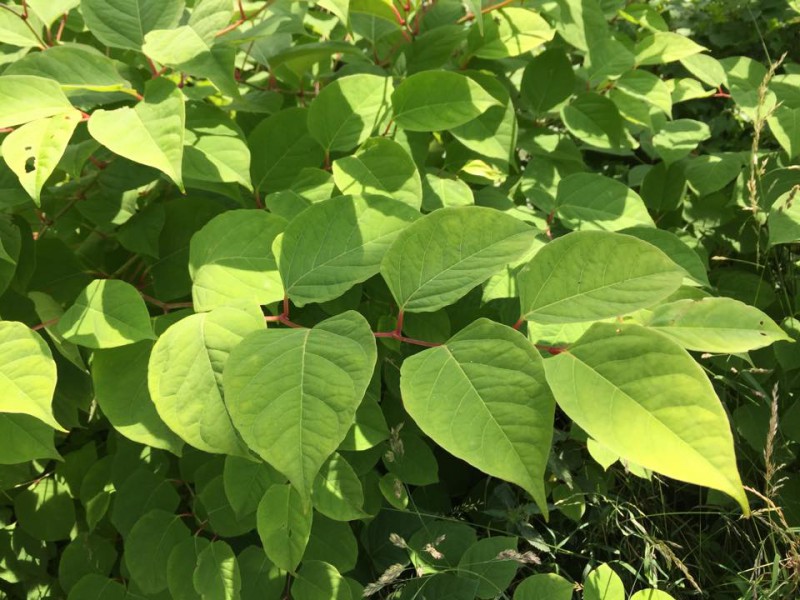
A non-problematic forage plant, like the other knotweed species. Most rabbits prefer it dried, so it can also be easily dried for winter feeding.
Sweet Clover (Melilotus)
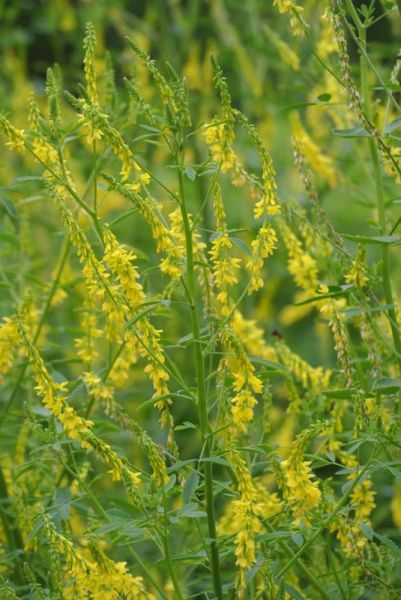
Edible in a mixed form. It has healing properties, including wound healing. Should not be fed with commercial dry food, such as pellets.
Hollyhock (Alcea rosea)
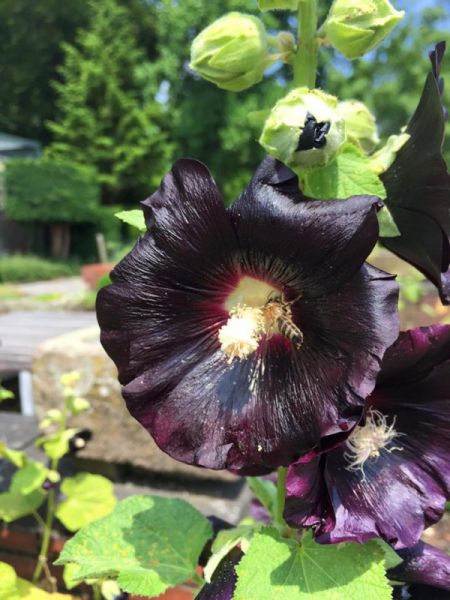
A non-problematic forage plant. It comes in many different flower colors. It is commonly found in gardens, but it is now also growing wild in some areas.
Cranesbill (Geranium)
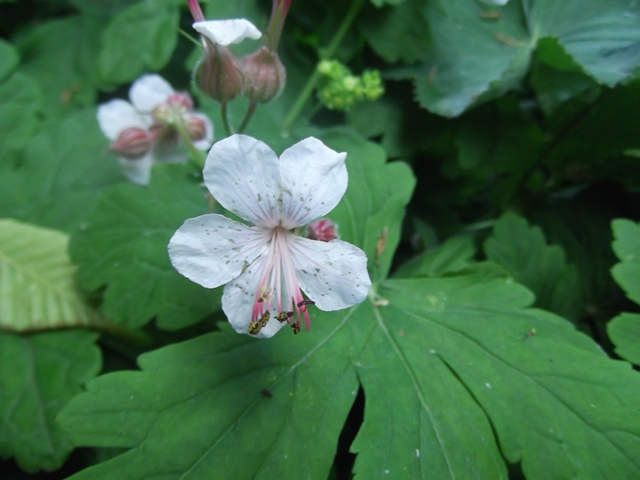
A non-problematic forage plant. There are many different species, all with varying appearances. Most bloom in pink, but blue- or white-flowered varieties are also known. The leaf shape varies depending on the species. Some varieties are mainly planted in gardens, while others are wild plants. All are edible. However, there is a risk of confusion with the highly toxic monkshood (Aconitum) and delphinium (Delphinium)! Always ensure proper identification to avoid any potential hazards.
Broad-leaved Dock (Rumex obtusifolius)
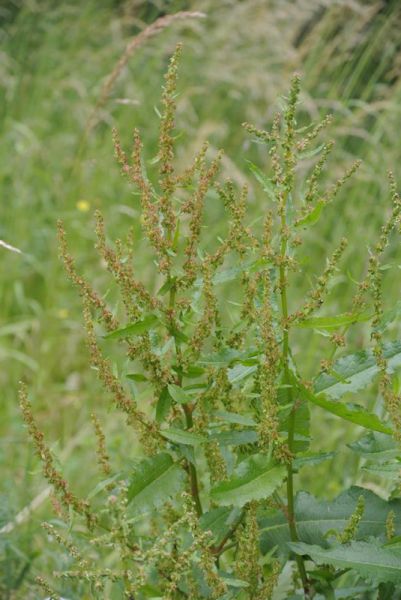
Edible in a mixed form, due to its high oxalic acid content.
Marsh Woundwort (Stachys palustris)
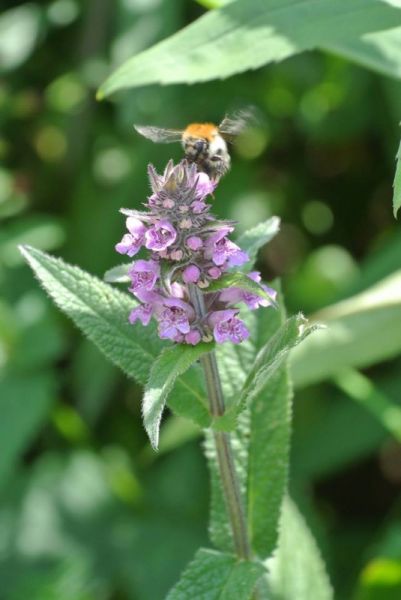
A non-problematic forage plant. It has antispasmodic properties.
Sweet Cicely (Myrrhis odorata)
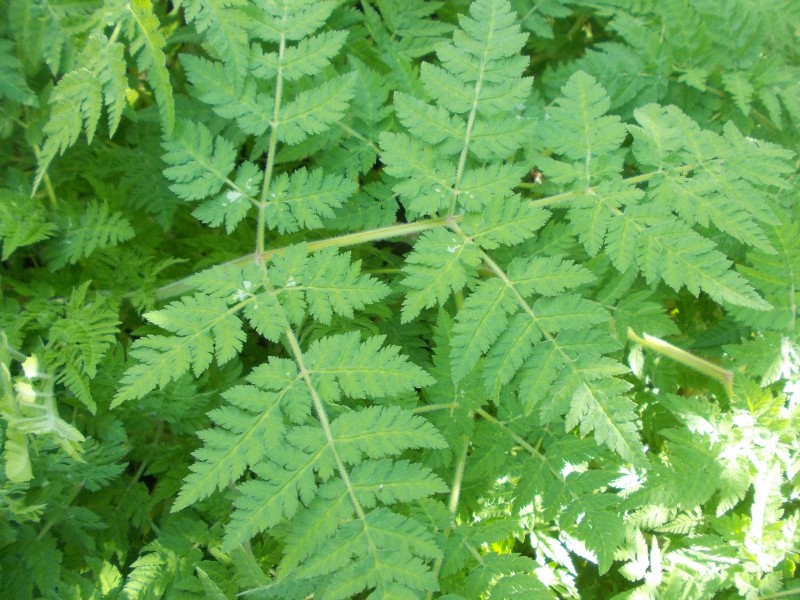
A very good forage plant, but there is a risk of confusion with highly toxic umbelliferous plants!
Bladder Campion (Silene vulgaris)
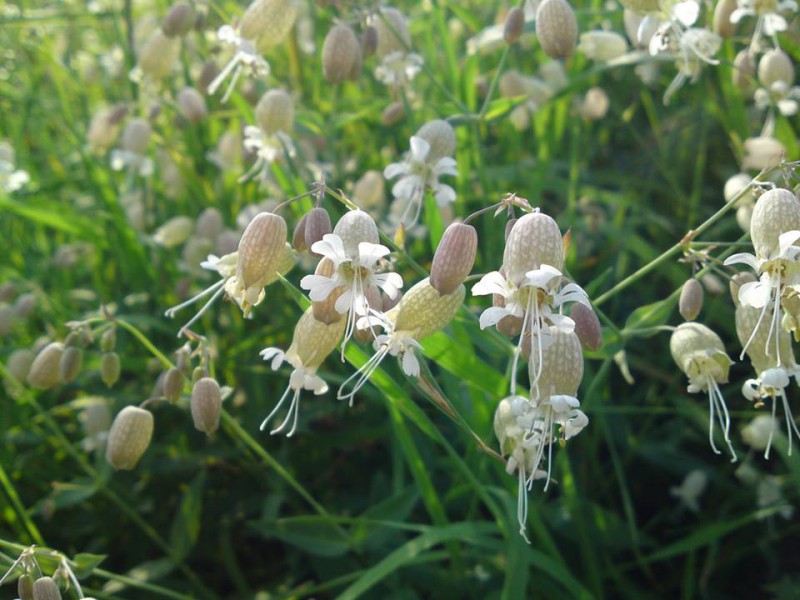
A non-problematic forage plant. Some rabbits enjoy eating it. It is also commonly found in seed mixes for gardens.
Pigeon Flower (Scabiosa columbaria)
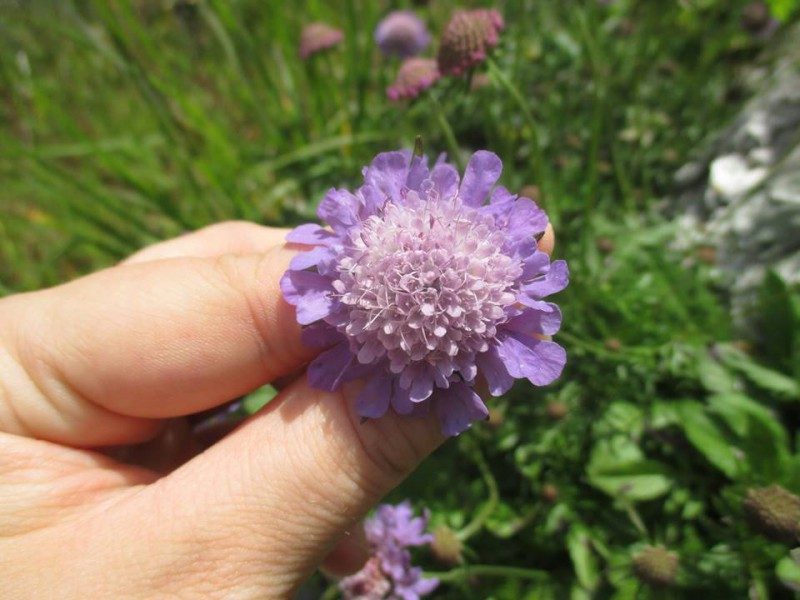
A non-problematic forage plant. It closely resembles the Widow’s Flower (Knautia arvensis). A mix-up is not dramatic, as both are safe to eat.
Deadnettle; white, red, round-leaved, spotted (Lamium)

A non-problematic forage plant, but it is generally unpopular.
Miner’s Lettuce (Claytonia perfoliata)
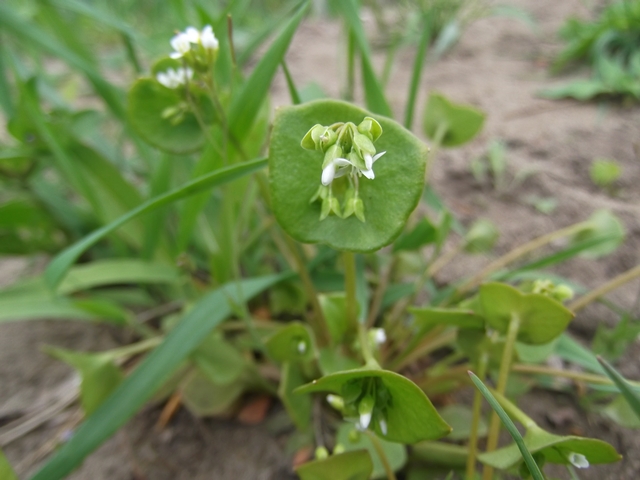
A non-problematic forage plant. It can also be found in winter at organic stores under the name „Postelein.“
Thyme (Thymus pulegioides)
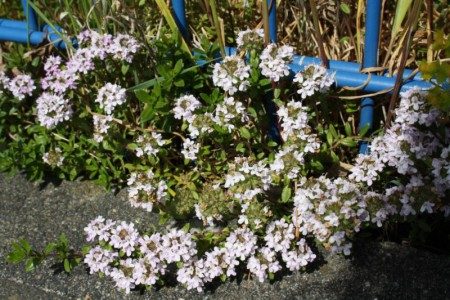
A non-problematic forage plant. Wild thyme prefers dry locations.
Water Bugle (Lycopus europaeus)
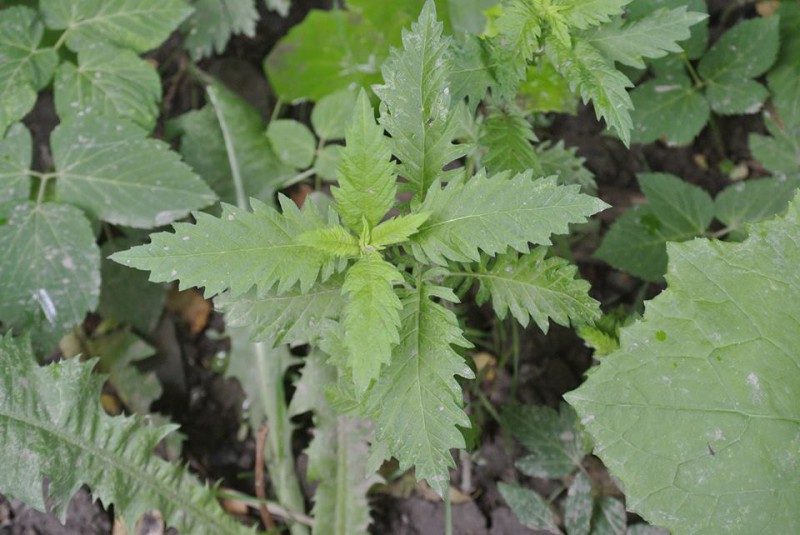
A non-problematic forage plant. Often found near bodies of water or other damp areas.
Forget-me-not (Myosotis), Marsh Forget-me-not (Myosotis scorpioides), Wood Forget-me-not (Myosotis sylvatica)
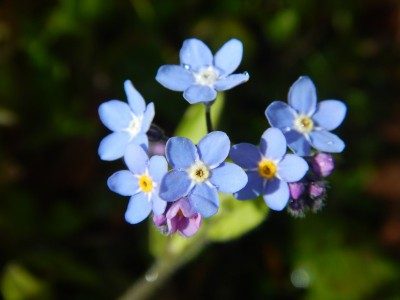
Should always be offered in a mix. Some rabbits find the leaves quite tasty. There are also pink or white-flowering varieties that are planted in gardens. These are also safe to include in the mix.
Common Knotweed (Polygonum aviculare)
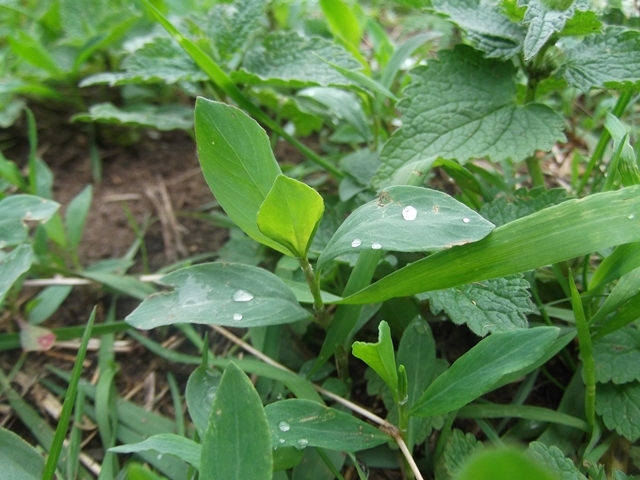
The Common Knotweed (Polygonum aviculare) is an unproblematic forage plant that is beneficial for digestive issues. Some rabbits absolutely love it.
Common Chickweed (Stellaria media)
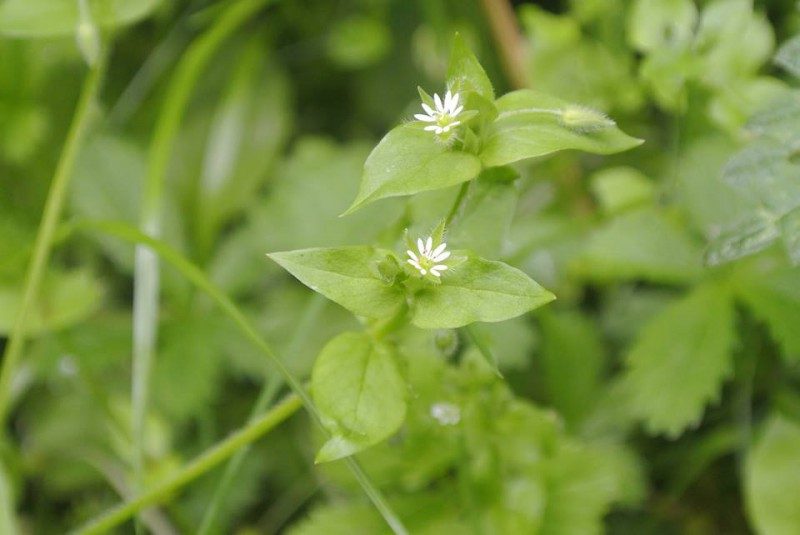
The Common Chickweed (Stellaria media) is an unproblematic forage plant, often very popular among animals. In winter, it can be found in sheltered spots, such as under bushes or hedges, even during snow and frost.
Tufted Vetch (Vicia cracca)
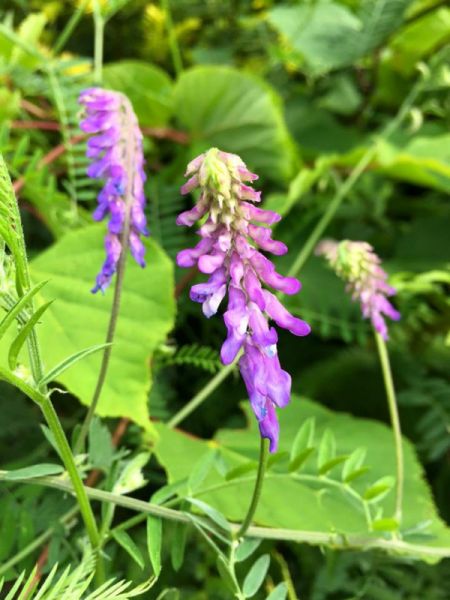
The Tufted Vetch (Vicia cracca) is an unproblematic forage plant that is often confused with the Hairy Vetch (Vicia villosa), which is also safe to eat. However, the Hairy Vetch is covered in hairs, while the Tufted Vetch is smooth and hairless.
Common Cow-wheat (Melampyrum pratense)
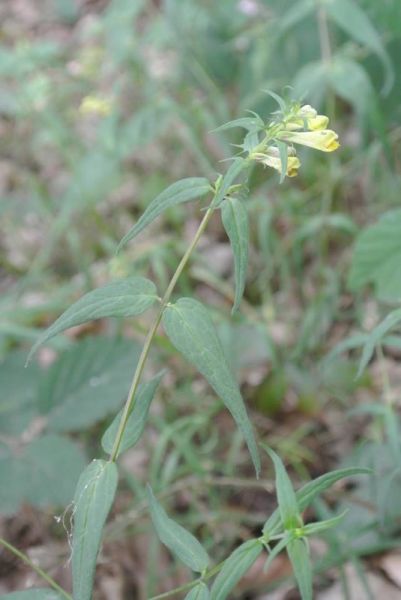
Slightly toxic
Wood Strawberry (Fragaria vesca)
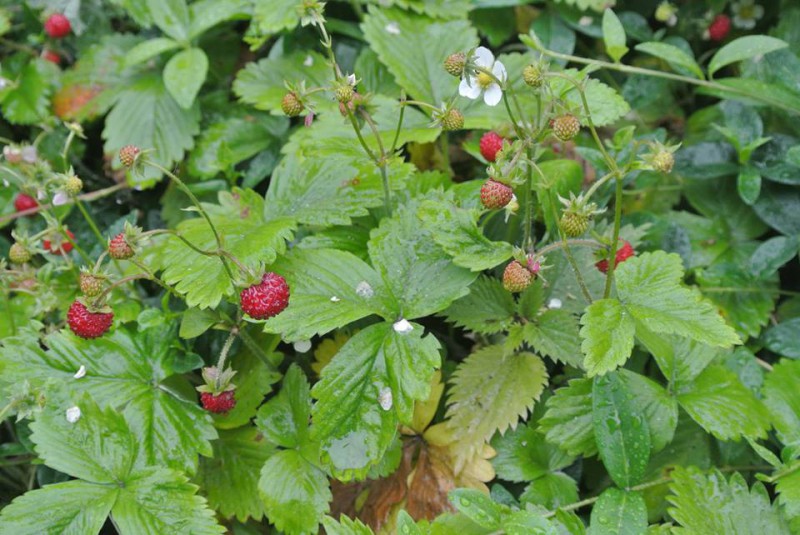
Unproblematic forage plant. Rich in tannins, good for digestion.
Woodruff (Galium odoratum)
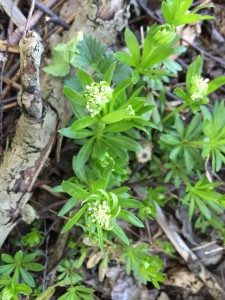
Can be fed in a mix – due to the contained coumarin. However, some rabbits absolutely love woodruff. With its distinctive white flowers and carpet-like spreading, it catches the eye of many people in spring.
Wood Sorrel (Oxalis acetosella)
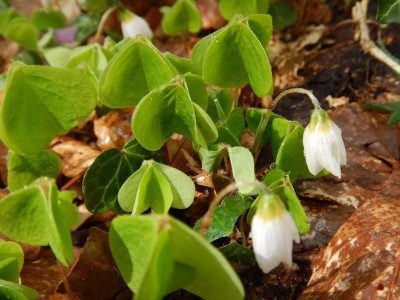
Can be fed in a mix, due to its high oxalic acid content.
Wood Violet (Viola reichenbachiana)
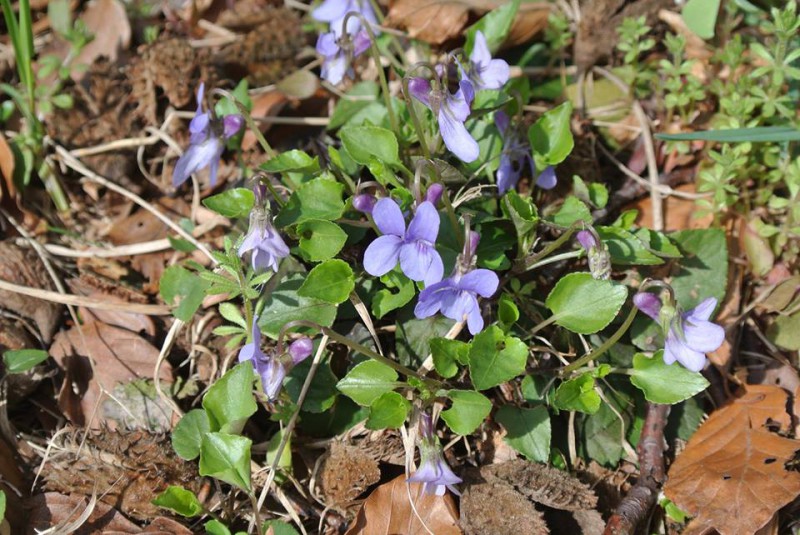
Unproblematic forage plant. Many rabbits find it quite tasty.
Wood Betony (Stachys sylvatica)
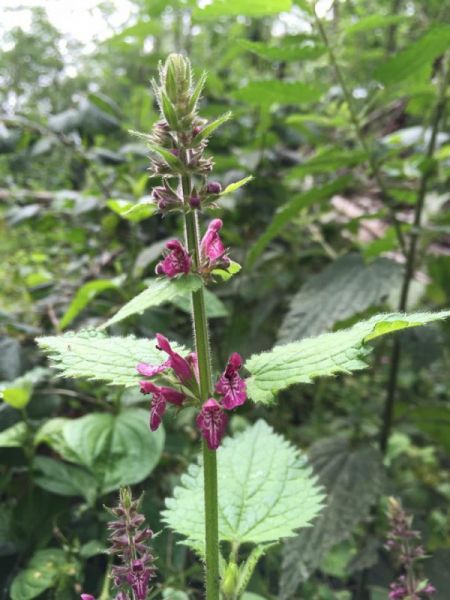
Unproblematic forage plant. A characteristic of the Wood Betony (Stachys sylvatica) is its unpleasant smell. It has antispasmodic effects.
Hemp Agrimony (Eupatorium cannabinum)
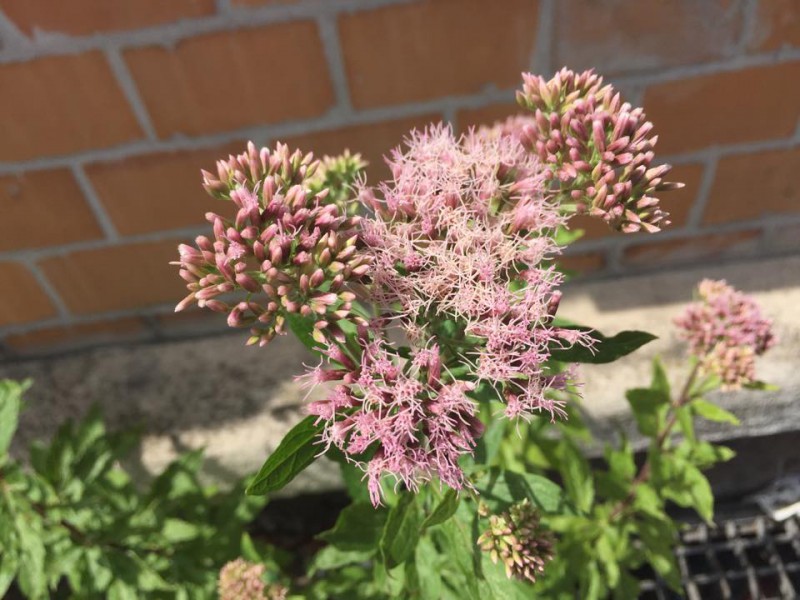
Can be fed in a mix. As the name suggests, it prefers moist areas, but can also be found in relatively dry spots.
Water Mint (Mentha aquatica)
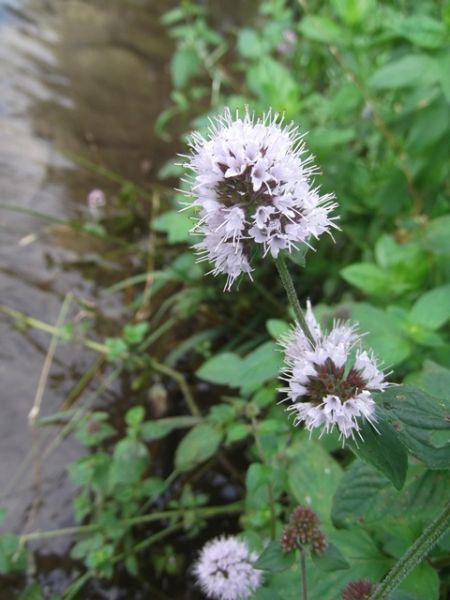
Unproblematic forage plant. As the name suggests, it is found near bodies of water.
Common Yellow Rocket (Sisymbrium officinale)
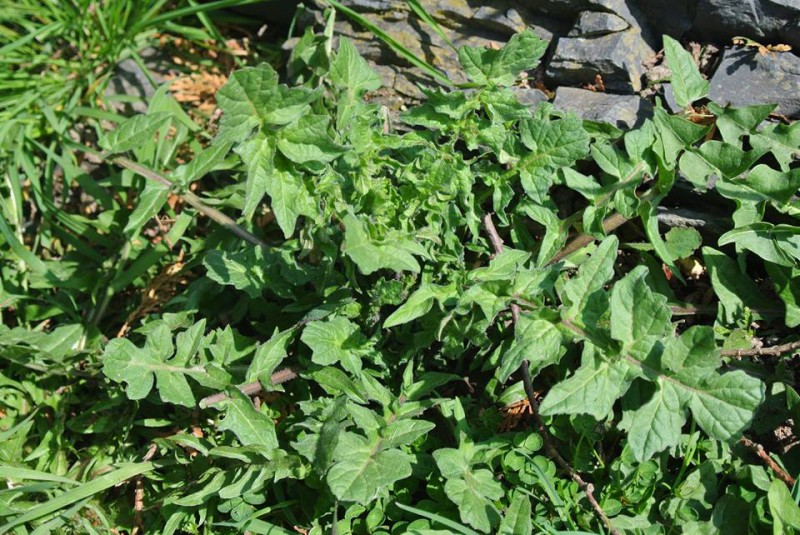
Unproblematic forage plant.
Chicory (Cichorium intybus)
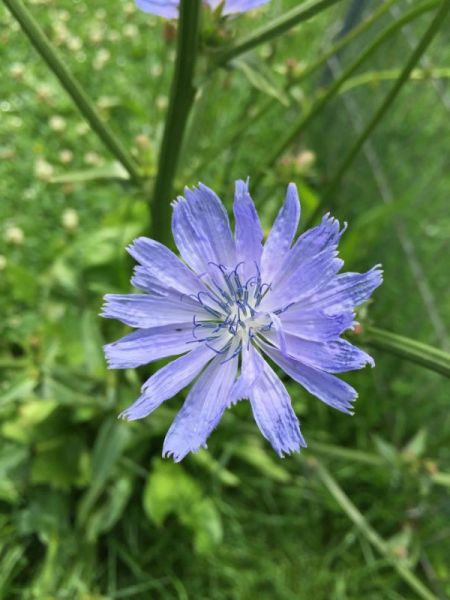
Unproblematic forage plant. The leaves are inconspicuous and closely resemble those of dandelions, but the bright blue flowers are immediately noticeable.
White Campion (Silene alba)
Is an unproblematic forage plant. It is generally well-liked.
White Goosefoot (Chenopodium album)

Unproblematic forage plant. Often very popular with rabbits. It is one of the first plants to colonize new areas, such as construction sites.
White Clover (Trifolium repens)
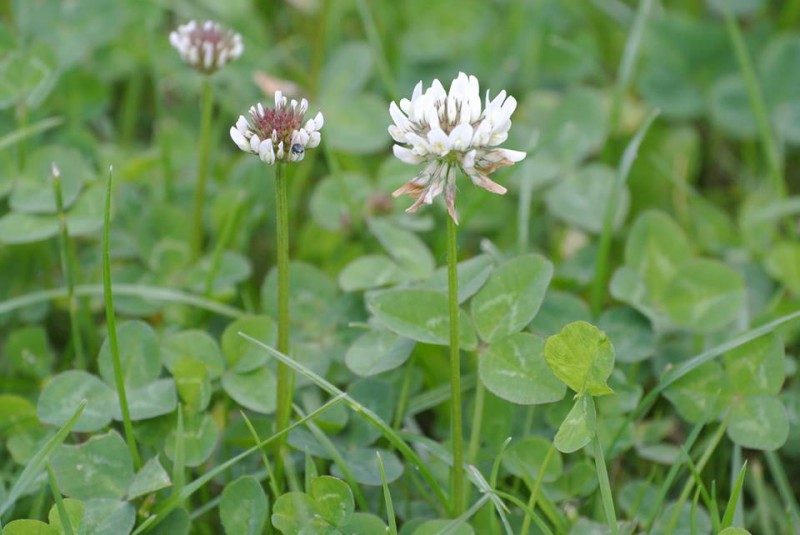
Unproblematic forage plant. Not to be fed with commercial dry foods, such as pellets.
Cow Parsley (Anthriscus sylvestris)
Is an excellent forage plant. However, it can be confused with other members of the Apiaceae family, so care should be taken (see „Umbellifers & Co.“).
Common Cow Parsnip (Heracleum sphondylium)
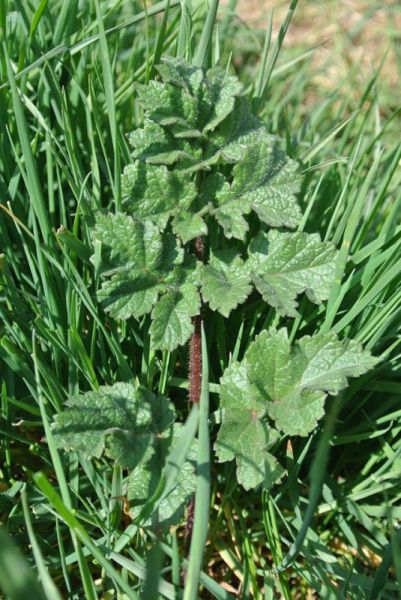
Unproblematic forage plant. It should definitely be included in the diet as long as it is available. A truly great herb for rabbits that they enjoy eating. Cow Parsnip helps against E. Cuniculi. There is a risk of confusion with toxic umbellifers when identifying it by its flowers.
Meadow Bedstraw (Galium mollugo)

Unproblematic forage plant.
Meadow Vetchling (Lathyrus pratensis)
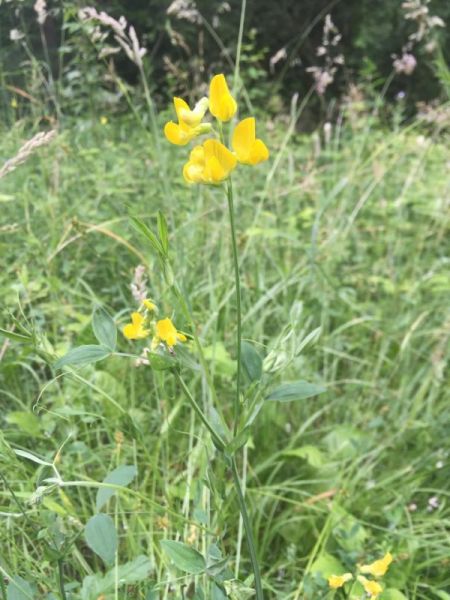
Unproblematic forage plant. Very popular with rabbits. Often grows inconspicuously in tall grass.
Meadow Sage (Salvia pratensis)
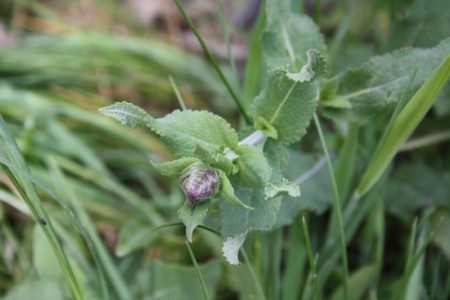
Unproblematic forage plant. It has antibacterial properties, among other benefits.
Cuckoo Flower (Cardamine pratensis)
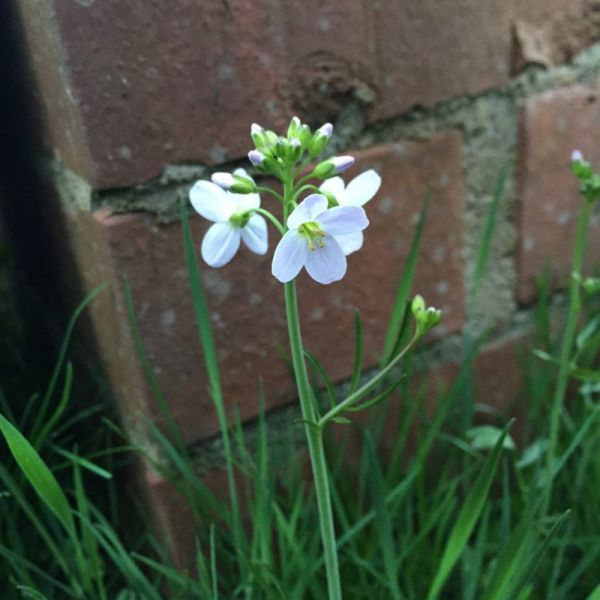
Unproblematic forage plant.
Wild Teasel (Dipsacus fullonum)
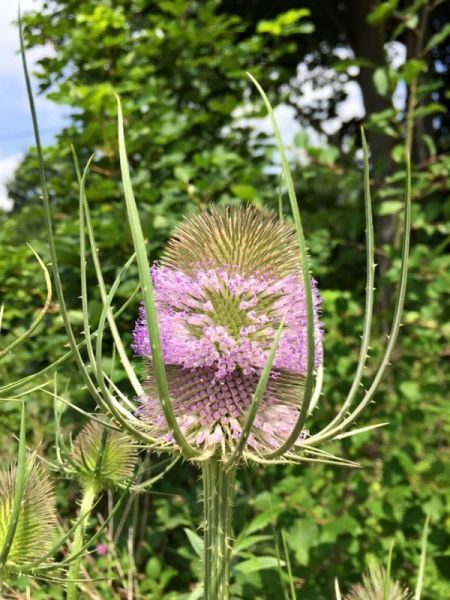
Unproblematic forage plant. Not always liked.
Wild Carrot (Daucus carota subsp. carota)
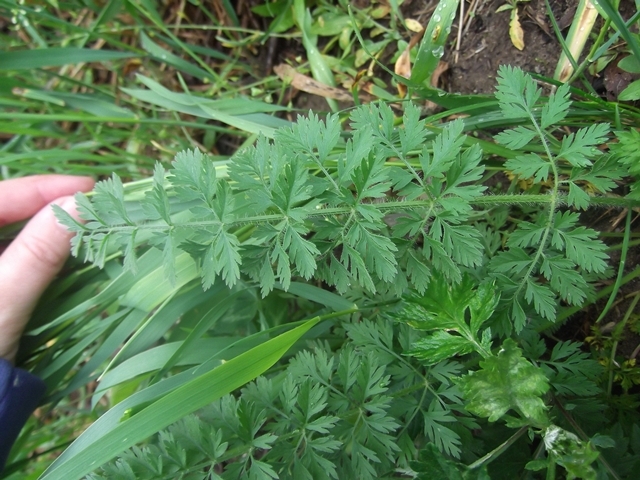
Unproblematic forage plant. The leaves are very popular with rabbits, similar to carrot tops. There is a risk of confusion with highly toxic umbellifers, see „Umbellifers & Co.“
Wood Anemone (Anemone nemorosa), Yellow Anemone (Anemone ranunculoides), and Balkan Anemone (Anemone blanda) are toxic plants and should not be fed to animals.
Winter Aconite (Eranthis hyemalis)
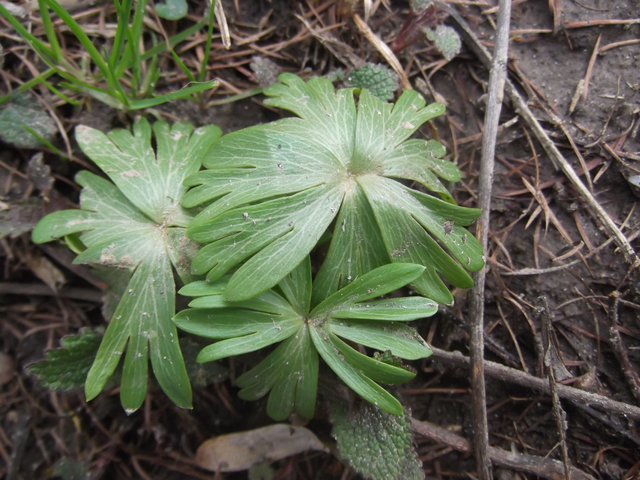
Not edible
Field Scabious (Knautia arvensis)
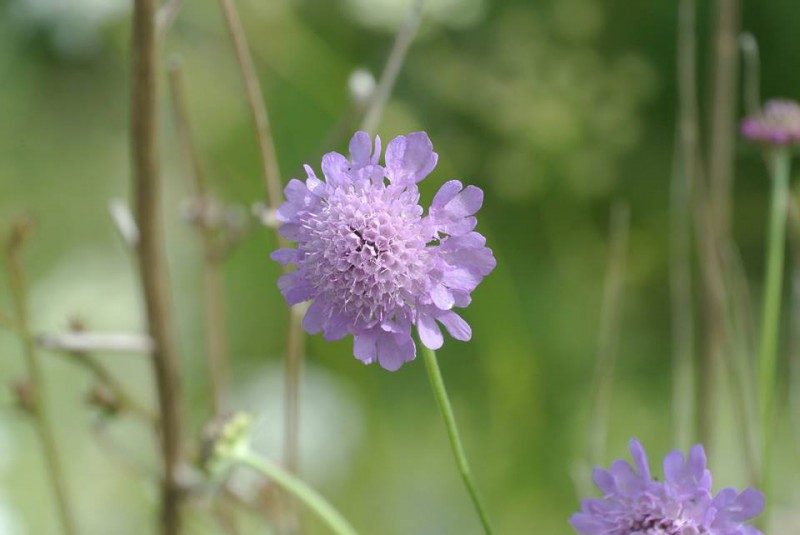
Unproblematic forage plant.
Lamb’s Ear (Stachys byzantina)
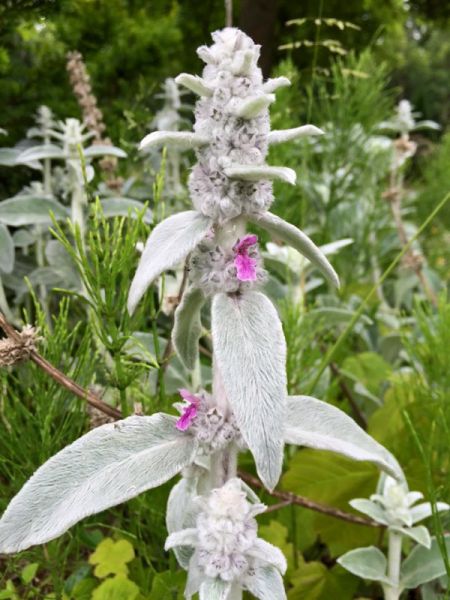
Unproblematic forage plant. It is also known as Hare’s Ear.
Woundwort (Anthyllis vulneraria)
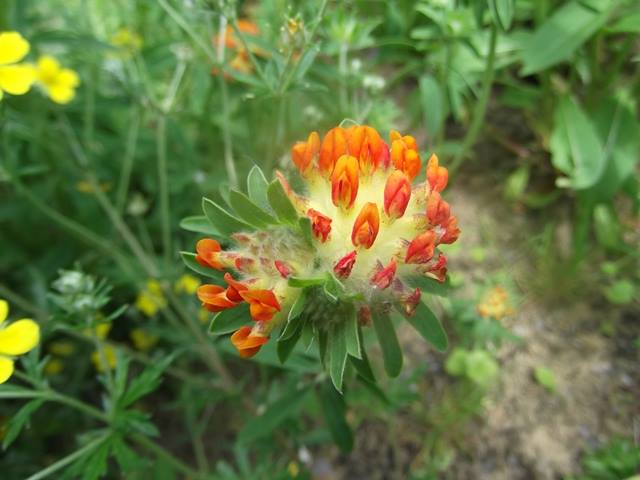
Unproblematic forage plant. It has healing and disinfectant properties, among others. The photo shows a red cultivated variety, while wild Woundwort blooms yellow.
Hedge Bindweed (Vicia sepium) is an unproblematic forage plant
Hedge Bindweed (Calystegia sepium)
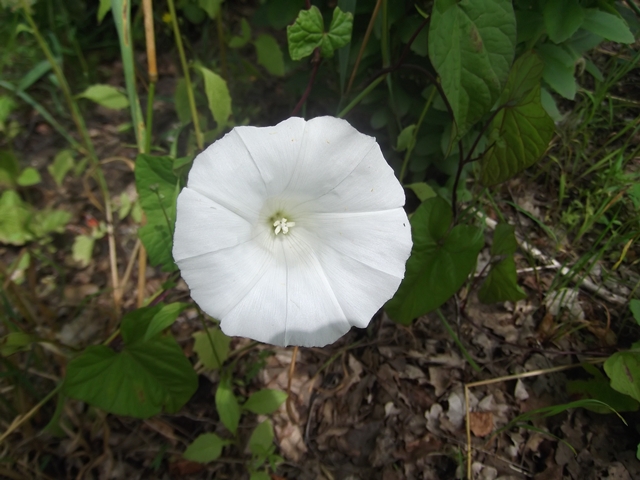
Unproblematic forage plant. Good for digestive issues. Most rabbits love Hedge Bindweed
Ivy-leaved Toadflax (Cymbalaria muralis)
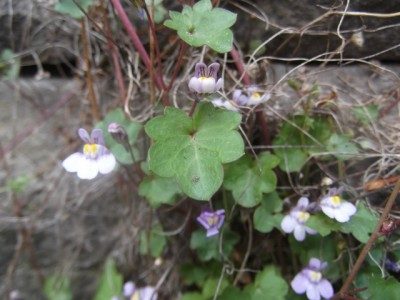
Unproblematic forage plant. Ivy-leaved Toadflax (Cymbalaria muralis) is often found in stone walls.
Hairy Vetch (Vicia villosa) is an unproblematic forage plant.
Hairy Willowherb (Epilobium hirsutum) and Narrow-leaved Willowherb (Epilobium angustifolium)
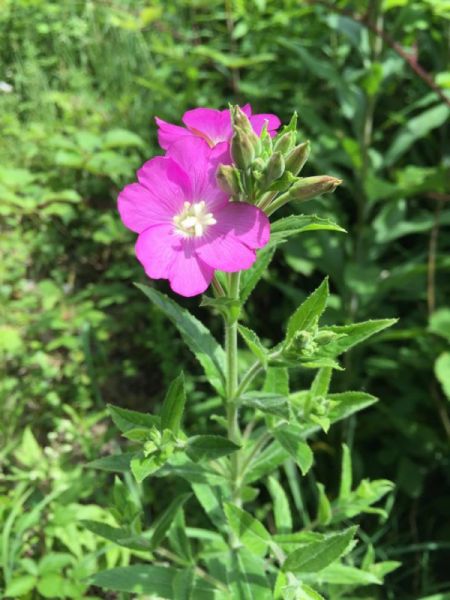
Unproblematic forage plant. It prefers to grow in damp areas.
Cypress Spurge (Euphorbia cyparissias)
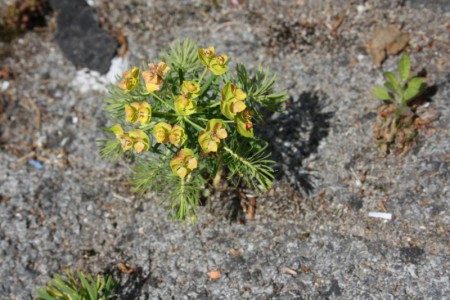
Toxic!