
Proper nutrition for young rabbits lays the foundation for a healthy life. During the first months of life, teeth, jaws, and gut flora develop particularly rapidly; mistakes in this phase often lead to permanent dental disease, digestive problems, or developmental disorders.
This article explains how to feed young rabbits optimally, which types of food are suitable, and why early introduction of fresh greens is essential.
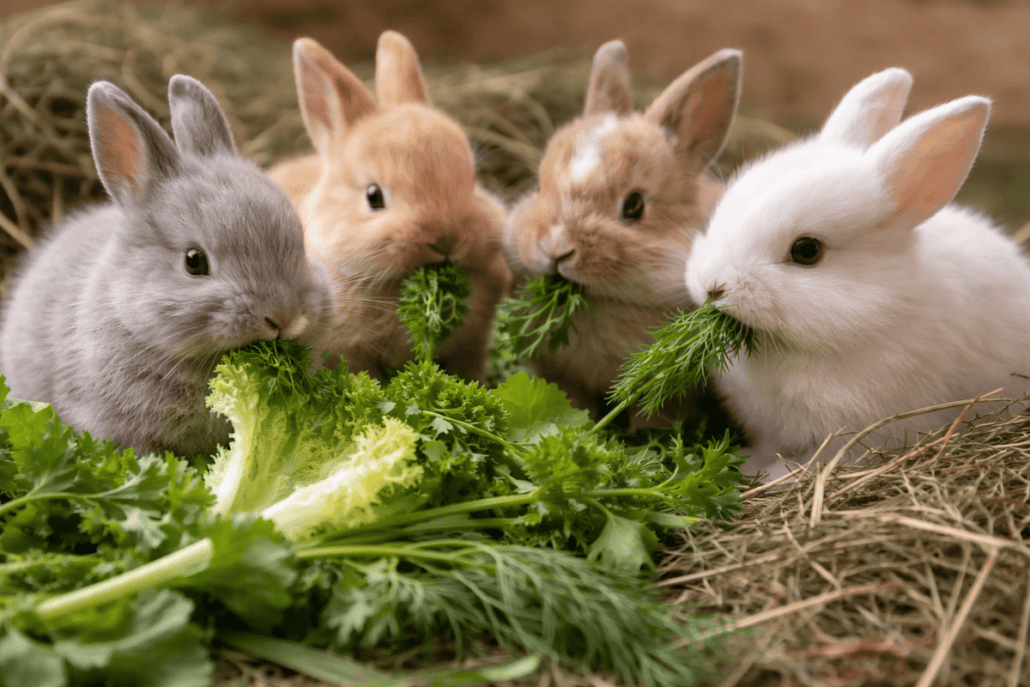
Young animals from reputable breeders are already raised on fresh greens, so no dietary change is necessary.
Why the Diet of Young Rabbits Is So Important
Tooth Development and Jaw Formation
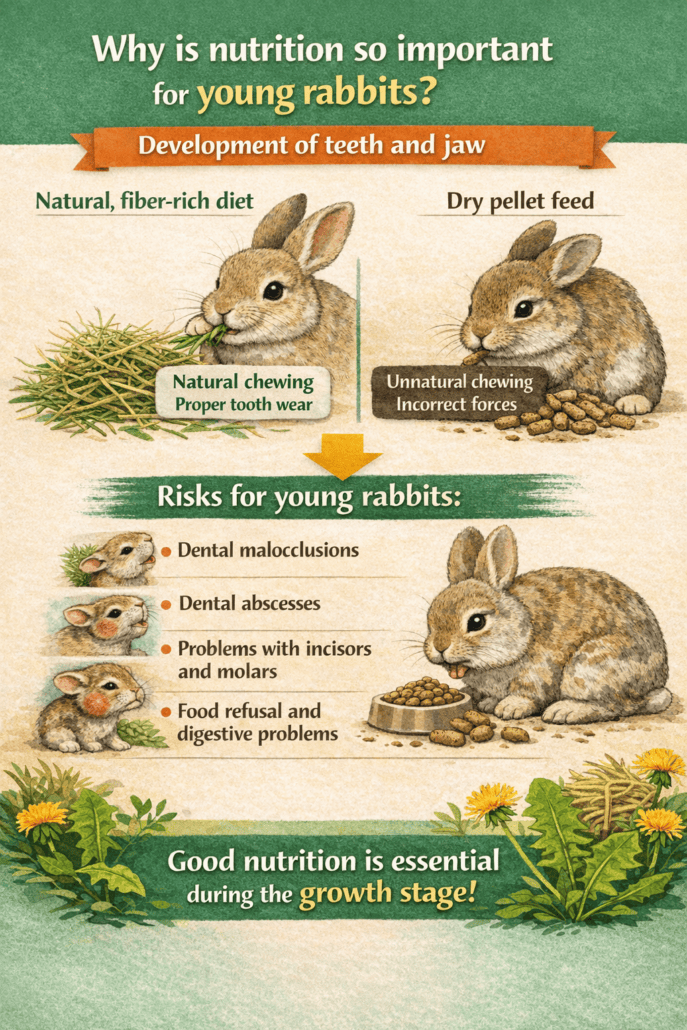
Rabbit teeth grow throughout their entire lives. For proper wear and healthy jaw development, young rabbits need structured, high-fiber foods that require real chewing movements. Rabbits move their teeth sideways while chewing, grinding them against the food.
Pellets, by contrast, crumbles as soon as it is chewed, provides no natural tooth wear, and places incorrect strain on the jaw. Instead of the natural grinding motion, the jaw moves more like a human’s chewing pattern, creating excessive pressure on the tooth growth zones. In young rabbits, this can also lead to skull and jaw deformities, with lifelong consequences such as:
- dental misalignments
- tooth abscesses
- recurring incisor and molar problems
- an increased risk of feed refusal and gastrointestinal gas buildup
A natural, species-appropriate diet is therefore especially critical during the growth phase.
Development of a Stable Gut Flora
The digestive system of young rabbits is designed to process fresh green foods. These provide:
- natural crude fiber
- moisture
- secondary plant compounds
- structural components essential for gut health
Artificial feeds such as pellets, mixed feeds, or grain-based products place stress on the digestive system and can lead to dysbiosis.
The gut flora is also established through the ingestion of the mother’s cecotrophs. Animals that are separated from the mother too early do not have this opportunity.
A third crucial factor is freedom from coccidia: these intestinal parasites disrupt digestion and can contribute to developmental disorders, malnutrition, and lifelong damage to the gut flora.
What Young Rabbits Should Eat: Optimal Basic Nutrition
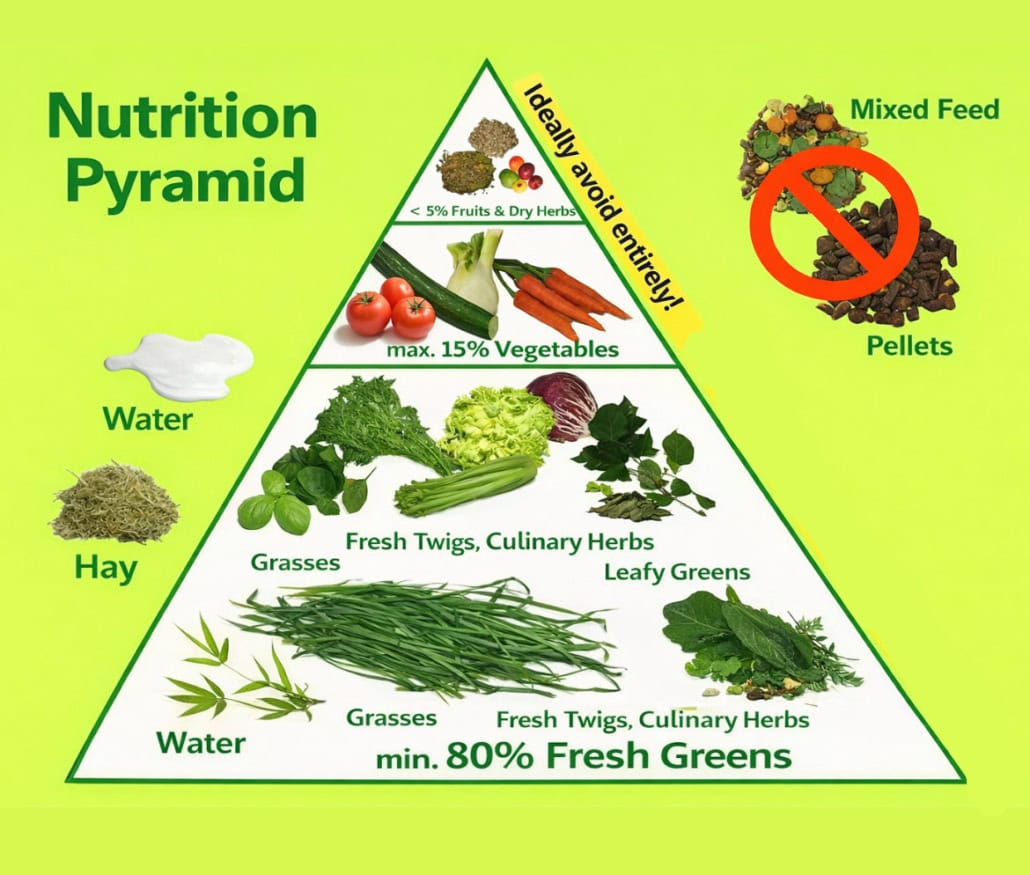
- Plenty of Fresh Greens
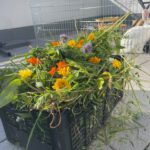
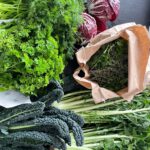
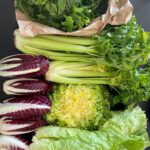
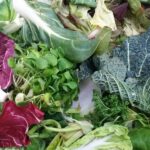
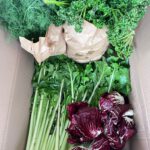
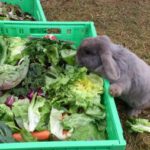
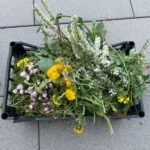
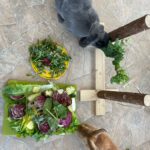
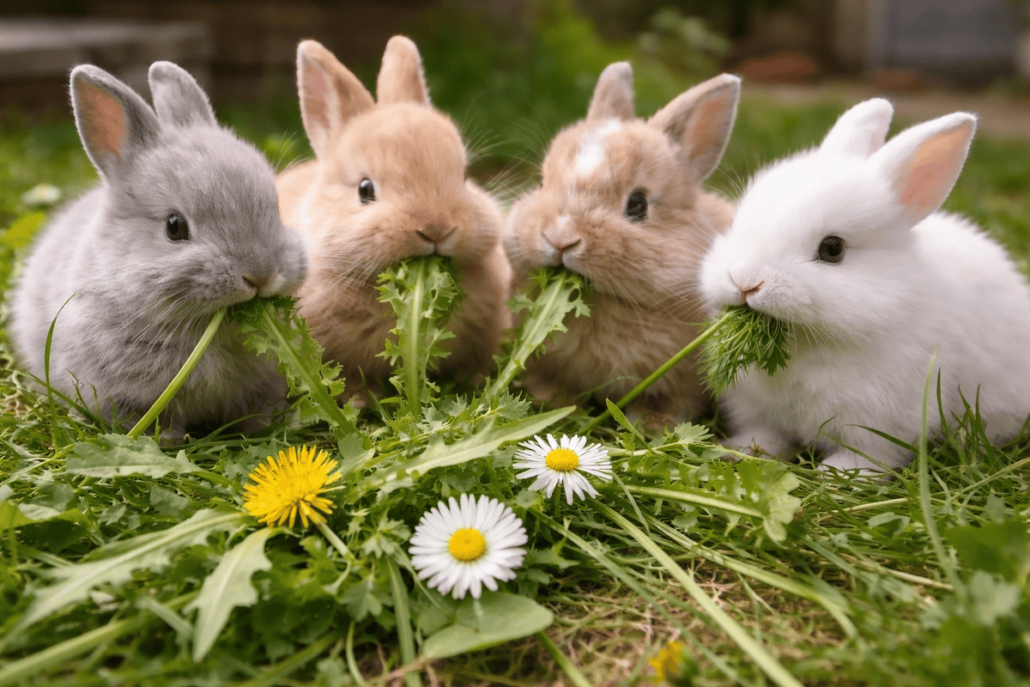
Fresh green food forms the natural foundation of a rabbit’s diet. Suitable options include, among others:
meadow plants with herbs and grasses (e.g. dandelion, broadleaf and ribwort plantain, hogweed, daisies, etc.)
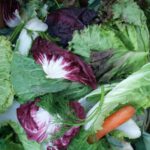
bitter salads: endive, chicory, sugarloaf, dandelion greens
carrot tops, celery leaves
herbs such as dill, parsley, basil
fresh twigs and leaves from non-toxic trees
Young rabbits usually tolerate fresh greens very well, as their digestive system adapts quickly when it is not disrupted by dry feed.
Food lists:
list of twigs
list of fruits
list of seeds
list of garden plants
list of houseplants
2. High-Quality Hay as a Supplement
Hay should be offered as a supplement, not as the main food. Herb-rich meadow hay supports digestion and natural tooth wear.
3. Fresh Water
Fresh water should always be available, ideally provided in a bowl.
What Young Rabbits Should NOT Eat
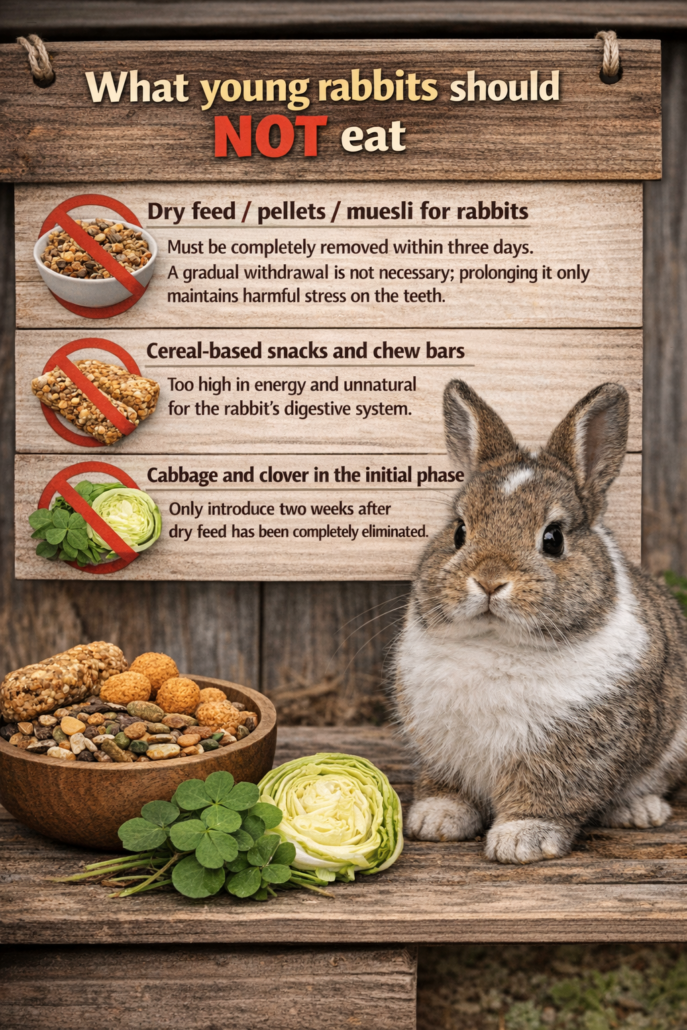
Dry feed / pellets / “rabbit muesli”
Dry feed is one of the main triggers of dental and digestive problems. It should be discontinued promptly—ideally within three days—and stopped completely. A prolonged phase-out is unnecessary and only extends the harmful misloading of the teeth.
Grain-based snacks and chew sticks
Too energy-dense, too hard-pressed, and unnatural for the rabbit’s digestive system.
Cabbage and clover in the early phase
Introduce only about two weeks after dry feed has been fully discontinued, once the gut flora has stabilized.
Transitioning Young Rabbits Properly — Step by Step
Many young rabbits are fed unsuitable diets by previous owners or in pet shops. Even so, a rapid transition is possible—and necessary—to prevent long-term damage.
1. Stop dry feed completely
Eliminate pellets/dry mixes entirely within a few days.
2. Introduce easily tolerated fresh greens
Start with:
- dandelion
- plantain (broadleaf/ribwort)
- grasses
- endive
- herbs
Increase the amount daily. If droppings remain normal, keep expanding the variety.
3. After two weeks: introduce cabbage and clover
Once dry feed has been fully removed and the rabbit is eating reliably, you can slowly add cabbage and clover varieties.
More information on transitioning young rabbits
Fecal Test Before Changing the Diet: Rule Out Coccidia Early
Young rabbits are particularly susceptible to coccidia.
Before feeding larger amounts of fresh greens, a 3-day pooled fecal sample should be examined for coccidia and other parasites by a rabbit-savvy veterinarian.
Important:
→ If coccidia are present, treat the infection first and only then expand the diet.
A dietary transition during an active infection can worsen the condition.
Why Origin Matters So Much
Even the best diet is of little use if a young rabbit has already suffered from poor early rearing. Pay attention to a reputable source where young rabbits:
- are raised without dry feed, exclusively on fresh greens and meadow plants
- live in stable groups and spacious enclosures
- have regular fecal tests and are vaccinated
- are demonstrably free of coccidia
- are already familiar with a wide range of natural foods
Such rabbits have a healthy gut flora, proper tooth and jaw development, and are generally more resilient.
Practical Everyday Tips
- Offer at least five different types of fresh greens daily
- Introduce new plants gradually
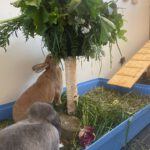
- Provide branches and twigs (structure, enrichment, tooth wear)
- Never restrict food: rabbits require constant access to food — feed enough so that some remains are still left at the next feeding
- Check droppings daily, especially during the growth phase
Species-Appropriate Nutrition for Young Rabbits Protects Them for Life
Young rabbits do not need pellets, dry feed, or artificial snacks. They need fresh plants, structurally rich food, and a stable gut flora.
An early, consistent transition to fresh greens protects teeth, digestion, and overall health, laying the foundation for a long, problem-free life as a rabbit.
The more natural the diet, the healthier the rabbit.
FAQ Section
Frequently Asked Questions About Feeding Young Rabbits (FAQ)
How long do baby rabbits drink milk?
Young rabbits are nourished by their mother’s milk during the first weeks of life. From around the third week, they begin nibbling solid food, but depending on their development they may continue to nurse for several more weeks—sometimes up to 14–16 weeks if they are separated from the mother later.
What is the best food for baby rabbits?
The best diet for young rabbits consists of fresh greens (e.g. meadow plants, herbs, leaves), supplemented with hay and water. A natural, species-appropriate diet supports digestion, dental health, and stable growth.
Are young rabbits allowed to eat meadow grass and plants?
Yes. Young rabbits can and should eat meadow plants as soon as they start consuming solid food. It is important that feeding is adapted to what they are already used to and that sudden dietary changes are avoided.
From what age can young rabbits be given fresh food?
Fresh food can be offered as soon as young rabbits begin eating solid food. The key is that it is well tolerated and not introduced abruptly.
How sensitive is the digestion of young rabbits?
Young rabbits tolerate fiber-rich foods such as meadow plants, hay, carrot tops, and bitter salads very well, but they cannot digest starch. This is why dry feed is highly harmful and can cause severe digestive disorders.
How often should young rabbits be fed?
Young rabbits should have access to suitable food around the clock. Fresh greens, hay, and water should always be available so that digestion can function continuously.
Do young rabbits need hay?
Yes. Hay is part of the basic diet for young rabbits and should always be available, even if they consume large amounts of fresh food.
May young rabbits be given dry feed or pellets?
In principle, a natural diet without dry feed is both possible and recommended. Dry feed is harmful to health and damages teeth, digestion, and the urinary tract.
Which vegetables are suitable for young rabbits?
Primarily leafy vegetables, herbs, bitter salads, and vegetable greens are suitable. New vegetables should be introduced slowly, as young rabbits can be sensitive to unfamiliar foods.
May young rabbits eat fruit?
Fruit is not necessary and, if offered at all, should only be given in very small amounts, for example a tiny piece as a hand-fed treat. Due to the high sugar content, fruit can negatively affect gut flora and cause diarrhea.
Why is changing the diet risky for young rabbits?
Because their gut flora is still developing. Rapid changes, excessive concentrated feed, or suddenly unfamiliar fresh foods can promote digestive upset and diarrhea.
How can I tell if a young rabbit does not tolerate a food?
Warning signs include diarrhea, mushy stools, strong-smelling droppings, bloating, loss of appetite, or a distended abdomen. In such cases, a rabbit-savvy veterinarian should be consulted promptly. Coccidia infestation is often the underlying cause.
How much should young rabbits eat?
Young rabbits are allowed to eat generously during the growth phase. The key is not a fixed gram amount, but continuous access to suitable food and healthy physical development.
May young rabbits eat clover and cabbage?
Yes, but only as part of a varied meadow diet and not in large quantities at once. They should also only be offered once dry feed is no longer being fed.
How can I accustom young rabbits to food in a species-appropriate way?
The best approach is consistency. When young rabbits move to a new home, their diet should be kept the same as with the previous owner for one to two days, and any changes should be introduced gradually over several days.