
Encephalitozoonosis Cuniculi
(E. cuniculi, Encephalitozoonosis, Encephalitozoon cuniculi, EC)
Since the disease is sometimes associated with a tilted head, it is also symptomatically referred to as Head Tilt Disease, Star-Gazer Disease, Moon-Gazer Syndrome, or simply as „head tilt“ or torticollis.
What is E. cuniculi in Rabbits?
Encephalitozoon cuniculi (E. cuniculi) is a common parasitic infection in rabbits that can attack the nervous system, eyes, kidneys, and other organs. It is one of the most serious neurological diseases in pet rabbits and can cause symptoms ranging from mild head tilt to paralysis and seizures.
Many rabbits carry the parasite without showing symptoms. However, stress, illness, aging, or a weakened immune system can trigger an active outbreak.
Common Symptoms of E. cuniculi in Rabbits
The symptoms of E. cuniculi mainly affect organs with a strong blood supply, especially the brain and nervous system.
Neurological Symptoms
Common neurological signs include:
- Head tilt
- Rolling or loss of balance
- Circling
- Paralysis
- Hind leg weakness
- Seizures
- Uncontrolled eye movements (nystagmus)
- Incontinence
Eye Problems
E. cuniculi may also affect the eyes and cause:
- Cataracts
- Uveitis
- Glaucoma
- Vision problems
Organ Damage
In some rabbits, the parasite can damage internal organs such as:
- Kidneys
- Heart
- Liver
- Lungs
- Digestive tract
Because the disease can progress quickly, rabbits showing neurological symptoms should be examined by a rabbit-savvy veterinarian immediately.
How Common is E. cuniculi in Rabbits?
Studies show that approximately 18–40% of pet rabbits in Germany carry E. cuniculi. Many infected rabbits remain symptom-free for life.
These rabbits are called latently infected, meaning the parasite or antibodies can be detected, but the rabbit appears healthy.
Research found:
- Around 18% prevalence in healthy rabbits
- Around 35–40% prevalence in mixed groups
- Up to 48–56% prevalence in sick rabbits
Some breeding programs have reduced infection rates to below 10% through selective testing of parent animals.
Because E. cuniculi can be transmitted before birth, responsible breeding and testing are important.
What Triggers an E. cuniculi Outbreak?
Healthy rabbits often keep the parasite under control. Problems usually begin when the immune system becomes weakened.
Common triggers include:
- Stress
- Bonding with new rabbits
- Loss of a partner rabbit
- Poor housing conditions
- Isolation
- Loud noises or fireworks
- Severe weather changes
- Other illnesses
- Advanced age
- Corticosteroid treatment
After stress or illness, the parasite may multiply rapidly and attack the nervous system or organs.
However, not every rabbit exposed to stress develops symptoms. Genetics, immune health, and overall condition likely influence whether the disease becomes active.
How is E. cuniculi Transmitted in Rabbits?
E. cuniculi is mainly spread through infected urine. Rabbits carrying the parasite release microscopic spores in their urine, even when they appear completely healthy.
Other animals, including guinea pigs, may also carry and spread the pathogen.
Main Transmission Routes
Rabbits usually become infected by swallowing spores through contaminated food, water, bedding, or grooming.
Common transmission pathways include:
- Contact with infected urine
- Grooming contaminated fur or paws
- Eating contaminated hay or food
- Shared litter boxes or housing
- Inhalation of contaminated dust or droplets
- Transmission from mother to babies during pregnancy (via the placenta)
Some experts also discuss possible transmission through feces, but this remains controversial.
Does an Infected Rabbit Carry E. cuniculi for Life?
Yes. Once infected, rabbits usually remain carriers of E. cuniculi for life.
The parasite stays inside the body permanently and may remain inactive for long periods without causing symptoms. However, stress, illness, aging, or a weakened immune system can trigger the infection to become active again later in life.
Because the infection is chronic, treatment focuses on controlling symptoms and limiting organ damage rather than completely eliminating the pathogen.
Is E. cuniculi Contagious to Other Rabbits?
Yes, E. cuniculi is contagious and can spread between rabbits, mainly through infected urine. However, many rabbits are already carriers of the parasite long before symptoms appear.
Because E. cuniculi is very common in pet rabbits, untested companion rabbits are often assumed to already carry the pathogen as well.
For this reason, the risk of transmission is usually not considered significantly higher after one rabbit develops symptoms.
Should Rabbits with E. cuniculi Be Separated?
In most cases, no.
Separating bonded rabbits is generally not recommended because social support is extremely important for recovery. Rabbits are highly social animals, and isolation can create severe stress that may worsen the disease.
Keeping bonded rabbits together often helps maintain:
- Appetite
- Emotional stability
- Normal behavior
- Recovery chances
Stress is considered one of the main triggers for E. cuniculi outbreaks, so unnecessary separation can be harmful.
When Should Rabbits Be Separated?
Temporary separation may only be necessary if the sick rabbit is:
- Being attacked or bullied
- Prevented from eating
- Seriously injured by companions
- Constantly stressed by aggressive behavior
In these cases, the situation must be carefully evaluated. The stress caused by social isolation should always be weighed against the stress and danger caused by conflicts within the group.
Important!
Unfortunately, far too many sick rabbits are still being separated from their companions. Always ensure that at least one companion stays with the sick rabbit.Rabbits are highly social animals, and the presence of a partner is crucial for their mental well-being and recovery. Separation can cause significant stress, which may worsen the rabbit’s condition.
A New Rabbit is Joining?
If you have a rabbit infected with E. cuniculi, only rabbits that also test positive for E. cuniculi should be introduced. Introducing an uninfected rabbit is not recommended due to the risk of transmitting the pathogen.
Testing Rabbits for E. cuniculi
A blood test (IgG titer) can help determine whether a rabbit is an E. cuniculi carrier or not.
Testing is essential before bonding rabbits, as it helps ensure that only E. cuniculi-positive rabbits are housed together and reduces the risk of infecting previously uninfected rabbits.
Can Humans Get E. cuniculi from Rabbits?
Yes, E. cuniculi is considered a zoonotic pathogen, meaning transmission from rabbits to humans is theoretically possible.
However, documented human infections are extremely rare and have mainly occurred in people with severely weakened immune systems.
High-risk groups include people with:
- HIV/AIDS
- Cancer patients undergoing chemotherapy
- Organ transplant recipients
- Other severe immune system disorders
Precautions for High-Risk Individuals
People with weakened immune systems should avoid contact with rabbits unless the rabbit has tested negative for E. cuniculi through a blood test.
Facilities such as:
- Nursing homes
- Kindergartens
- Care facilities
should only keep rabbits that have been confirmed E. cuniculi-free.
Can Humans Be Tested for E. cuniculi?
Yes. Human infection can be tested using stool samples, which may be analyzed by specialized tropical medicine institutions.
Is E. cuniculi Dangerous for Healthy People?
For healthy individuals, the risk of infection is considered extremely low when normal hygiene measures are followed.
Important hygiene measures include:
- Washing hands after handling rabbits
- Cleaning litter boxes regularly
- Avoiding contact with urine
- Maintaining good enclosure hygiene
It is also important to know that even clinically healthy rabbits may carry and spread E. cuniculi without showing symptoms.
A rabbit currently showing symptoms is generally not considered more contagious than before the disease became visible.
Symptoms of E. cuniculi in Rabbits
E. cuniculi is a complex disease that can cause a wide range of symptoms in rabbits. The infection most commonly affects the:
- Central nervous system
- Eyes
- Kidneys
In most cases, rabbits show only one or a few symptoms at a time.
Common Neurological Symptoms
Neurological problems are the most common signs of E. cuniculi in rabbits.
Possible symptoms include:
- Head tilt
- Paralysis
- Hind leg weakness
- Loss of balance
- Rolling
- Circling
- Uncoordinated movements
- Seizures
- Uncontrolled eye movements (nystagmus)
- Incontinence
Eye Symptoms
Some rabbits develop eye disease caused by E. cuniculi, including:
- Uveitis
- Cataracts
- Glaucoma
- Cloudy eyes
- Vision problems
Kidney Symptoms
In some rabbits, E. cuniculi damages the kidneys and may lead to kidney failure.
Possible signs include:
- Increased drinking
- Weight loss
- Loss of appetite
- Lethargy
- Dehydration
Study Findings on E. cuniculi Symptoms
A study conducted by the Veterinary University of Vienna examined 144 rabbits with clinical E. cuniculi infections.
The study found:
- 75% showed neurological symptoms
- 14.6% had uveitis (eye inflammation)
- 3.5% showed kidney failure
- Only 6.9% had multiple symptom groups at the same time
These findings show that neurological symptoms are by far the most common presentation of E. cuniculi in rabbits.
Important!
Rabbits affected by E. cuniculi typically show only one of the possible symptoms at a time. For example, they may simply have urinary incontinence (being unclean) or experience paralysis in the hind legs.This means that the disease can present in a subtle or isolated way, and not all rabbits will show multiple symptoms at once. It’s essential to look out for any signs of abnormal behavior or physical changes, and seek veterinary care if any concerning symptoms appear.
Head Tilt in Rabbits
Head tilt is one of the best-known symptoms of E. cuniculi in rabbits. Affected rabbits tilt their head to one side, and the severity can vary greatly. Some rabbits only show a mild or occasional head tilt, while others develop a severe and permanent tilt.
The head position may change from hour to hour or day to day.
Is Head Tilt Always Caused by E. cuniculi?
No. Although head tilt is commonly associated with E. cuniculi, ear infections are actually a more common cause.
Especially middle ear and inner ear infections (otitis media or interna) frequently lead to head tilt in rabbits.
Only a smaller percentage of head tilt cases are directly caused by E. cuniculi.
Other Possible Causes of Head Tilt in Rabbits
Several conditions can cause head tilt, including:
- Middle or inner ear infections
- Meningitis
- Poisoning or toxins
- Injuries or trauma
- Dental abscesses
- Neck or head abscesses
- Stroke
- Brain tumors
- Larva migrans
- Listeriosis
- Toxoplasmosis
- Herpes infections
Some of these conditions can cause sudden and severe neurological symptoms and may become life-threatening very quickly.
Diagnosing the Cause of Head Tilt
Because head tilt can have many different causes, proper veterinary diagnosis is essential.
A veterinarian will usually begin with:
- Blood tests for E. cuniculi (IgG titer)
- Neurological examination
- Examination of the ears
- Imaging diagnostics
Ear infections should always be carefully ruled out because they are more common than E. cuniculi as a cause of head tilt.
MRI and CT Scans for Rabbits with Head Tilt
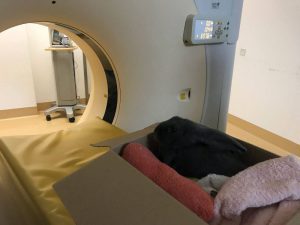
MRI (Magnetic Resonance Imaging) and CT scans (Computed Tomography) are usually more useful than standard X-rays for diagnosing head tilt.
These imaging methods provide much more detailed information about:
- The inner ear
- Brain structures
- Abscesses
- Neurological damage
Advanced imaging can help identify the exact cause and guide the most effective treatment.
Paralysis Symptoms in Rabbits
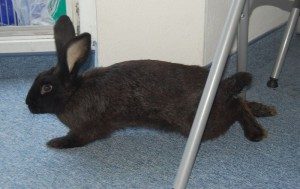
Hind leg weakness or paralysis is one of the most common symptoms of E. cuniculi in rabbits.
Affected rabbits may drag their hind legs behind them, struggle to stand, or lose coordination while walking. In many cases, however, the reflexes in the feet are still present, meaning it is not always a complete paralysis.
Some rabbits develop only mild weakness, while others lose mobility almost completely.
Common Signs of Paralysis or Weakness
Possible symptoms include:
- Dragging the hind legs
- Difficulty standing
- Loss of balance
- Weakness in the back legs
- Reduced coordination
- Inability to jump
- Falling over
- Muscle loss due to reduced movement
Different forms of paralysis or partial paralysis may occur depending on which nerves or parts of the nervous system are affected.
Other Causes of Paralysis in Rabbits
Paralysis symptoms are not specific to E. cuniculi. Many other diseases and injuries can cause similar neurological or mobility problems.
Possible causes include:
- Arthritis (osteoarthritis)
- Spondylosis
- Hip dysplasia
- Bone fractures
- Spinal injuries
- Meningitis
- Brain damage
- Central nervous system diseases
- Toxoplasmosis
- Listeriosis
- Larva migrans
- Hyperthyroidism
- Heart disease
- Pneumonia
- Coccidiosis
- Floppy Rabbit Syndrome
- Vitamin E deficiency
- Potassium imbalances (hypokalemia or hyperkalemia)
- Elevated magnesium levels (hypermagnesemia)
- Vertebral inflammation
- Abscesses or tumors compressing nerves
- Bladder sludge or kidney stones
- Painful conditions affecting the spine or legs
- Infectious bone or joint diseases
Because so many conditions can cause hind leg weakness or paralysis, veterinary diagnosis is extremely important.
Diagnosing Paralysis in Rabbits
To identify the underlying cause, a thorough diagnostic workup is necessary.
Important diagnostic steps include:
- X-rays from multiple angles
- Neurological examination
- Complete blood count (CBC)
- E. cuniculi antibody testing (IgG titer)
Additional diagnostics such as MRI or CT scans may be necessary depending on the suspected condition.
These tests help rule out fractures, spinal problems, abscesses, tumors, or neurological diseases and are important for determining the most effective treatment.
Seizures and Disorientation in Rabbits
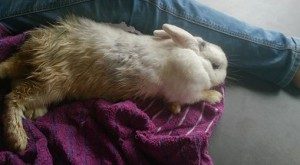
Rabbits with E. cuniculi may develop seizures, muscle cramps, and episodes of severe disorientation.
During these episodes, affected rabbits may:
- Lose their sense of direction
- Fail to respond normally
- React slowly to external stimuli
- Roll uncontrollably
- Twist their body
- Fall over repeatedly
- Develop uncontrolled eye movements (nystagmus)
- Stare blankly
- Experience convulsions
These neurological symptoms can appear suddenly and may vary in severity.
What Causes Seizures in Rabbits?
Although seizures and neurological episodes can occur with E. cuniculi, many other diseases and conditions may cause similar symptoms.
Possible causes include:
- Coccidiosis
- Herpesvirus infections
- Toxoplasmosis
- Epilepsy
- Meningitis
- Ear infections
- Brain tumors
- Brain abscesses
- Poisoning or toxins
- Kidney disease
- Heart disease
- Injuries or trauma
- Death convulsions during severe illness
Certain white rabbit breeds may also show breed-specific scanning behavior that can resemble neurological disease.
Diagnosing Seizures and Neurological Symptoms
Seizures, cramps, and disorientation always require veterinary evaluation.
Because many serious diseases can cause similar symptoms, diagnosis usually depends on the rabbit’s:
- Clinical signs
- Neurological examination
- Blood test results
- Imaging findings
Additional diagnostics may include:
- Bloodwork
- X-rays
- MRI or CT scans
- E. cuniculi antibody testing
- Ear examination
A rabbit-savvy veterinarian is essential for identifying the underlying cause and starting the correct treatment.
Emergency Warning Signs
Immediate veterinary attention is necessary if a rabbit:
- Has repeated seizures
- Cannot stand
- Stops eating
- Becomes severely disoriented
- Rolls uncontrollably
- Shows extreme weakness
- Appears unconscious or unresponsive
Neurological emergencies in rabbits can worsen rapidly and may become life-threatening.
Eye Diseases in Rabbits Caused by E. cuniculi (Uveitis, Cataracts, Glaucoma), Eye Tremors & Delayed Pupil Reflex
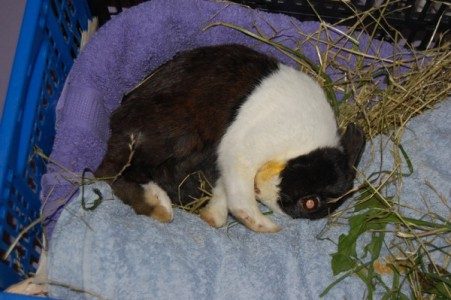
Encephalitozoon cuniculi (E. cuniculi or EC) can affect a rabbit’s eyes in several ways and may lead to serious eye diseases and neurological symptoms.
Uveitis in Rabbits Caused by E. cuniculi
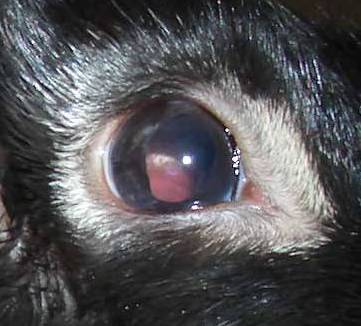
If a rabbit becomes infected with E. cuniculi in utero (before birth), the parasite may settle in the developing lens capsule of the eye. Because the lens is still immature at this stage, the infection can later trigger uveitis (inflammation inside the eye).
Common symptoms of EC-related uveitis in rabbits include:
- White film or cloudiness over the eye
- Clouding that may partially or fully cover the pupil
- Red-white spots visible inside the eye
- Eye inflammation and discomfort
Cataracts and Glaucoma in Rabbits
If uveitis remains untreated or treatment is unsuccessful, secondary eye diseases may develop, including:
- Cataracts – clouding of the lens that causes impaired vision or blindness
- Glaucoma – increased pressure inside the eye, which can permanently damage the optic nerve and lead to blindness if untreated
Nystagmus (Uncontrolled Eye Movements) in Rabbits
During acute EC flare-ups, rabbits frequently develop nystagmus, which refers to involuntary eye twitching or rapid eye movements. A delayed pupil reflex is also common, meaning the pupil reacts slowly to movement or light stimuli.
The direction of the eye movement can help differentiate possible causes:
- Vertical nystagmus (up and down) is more commonly associated with E. cuniculi
- Horizontal nystagmus (side to side) is more commonly linked to ear infections (otitis)
However, many rabbits suffering from otitis may also experience an EC outbreak due to a weakened immune system. Therefore, vertical eye movement does not completely rule out an ear infection.
Eye Injuries in Rabbits with E. cuniculi
Rabbits affected by EC often suffer injuries to the:
- Eyelids
- Cornea
- Conjunctiva
These injuries usually occur during neurological episodes in which the rabbit rolls uncontrollably. During these rolling episodes, the eyes may scrape against the ground or nearby surfaces, causing trauma and irritation.
Raised Mouth Corner (“Facial Paralysis”) and Ear Infection in Rabbits
A raised corner of the mouth — medically known as ipsilateral hemifacial spasm and often mistakenly described as facial paralysis — is usually not a direct symptom of E. cuniculi. Instead, it is more commonly associated with an ear infection (otitis).
Typical signs include:
- One corner of the mouth appearing raised
- The opposite side appearing droopy or lower than normal
- Facial asymmetry caused by inflammation affecting the facial nerve
Because these symptoms are linked to middle or inner ear disease, they are frequently confused with facial paralysis.
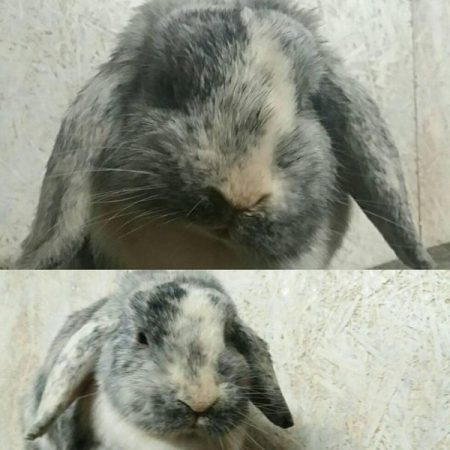
Spasm of the facial nerve leads to an elevated corner of the mouth on the affected side.
Head Tilting Back and Raising the Head in Rabbits
When rabbits tilt their heads back or constantly raise their heads, it is most commonly a sign of severe breathing difficulty caused by an underlying heart or lung disease. In many cases, fluid in the lungs (pulmonary edema) may be responsible. This condition is considered a veterinary emergency and requires immediate medical attention.
A veterinarian should perform chest X-rays from two different positions to check for:
- Fluid in the lungs
- Pneumonia
- Enlarged heart
- Other respiratory abnormalities
If no fluid is detected in the lungs, a cardiac ultrasound (echocardiogram) is strongly recommended to evaluate potential heart disease.
Can E. cuniculi Cause Head Raising in Rabbits?
Only in rare cases do rabbits with Encephalitozoon cuniculi (E. cuniculi or EC) temporarily tilt their heads backward. When this occurs, it is usually triggered by stress or neurological episodes and happens sporadically rather than continuously.
Persistent head raising is therefore far more likely to indicate a respiratory or cardiac problem than EC itself.
Coordination and Posture Disorders (Ataxia) in Rabbits with E. cuniculi
Many rabbits infected with E. cuniculi develop neurological symptoms that affect balance, posture, and coordination. This condition is known as ataxia.
Common signs of ataxia in rabbits include:
- Loss of coordination
- Clumsy or unstable movement
- Frequent injuries caused by poor balance
- Unusual body posture
- Increased muscle tension
- Spreading the legs when lifted
- Difficulty controlling movement
These symptoms occur because EC can damage the nervous system and impair normal motor control.
Scanning Behavior in Rabbits (Compulsive Head Movements)
“Scanning” describes repetitive side-to-side head movements while a rabbit is resting. This behavior can sometimes occur in rabbits with E. cuniculi due to neurological involvement.
However, scanning is also a naturally occurring breed-related behavior in certain rabbits and is not always caused by illness.
Scanning is particularly common in:
- White rabbits
- Siamese rabbits
- Russian rabbits
- Mixed breeds carrying these traits
In these breeds, scanning may occur without any underlying disease and can simply be part of normal behavior.
When Is Scanning a Sign of E. cuniculi?
If scanning appears together with other neurological symptoms such as:
- Head tilt
- Loss of balance
- Rolling
- Weakness
- Nystagmus (abnormal eye movements)
- Paralysis symptoms
then E. cuniculi may be involved and veterinary evaluation is recommended.
Incontinence in Rabbits with E. cuniculi
During acute outbreaks of Encephalitozoon cuniculi (E. cuniculi or EC), affected rabbits may develop incontinence. Previously litter-trained rabbits may suddenly become unclean or start urinating outside the litter box.
It is also common for rabbits with EC to produce significantly larger amounts of urine or drink much more water than usual. With successful treatment, this incontinence often resolves.
Common Causes of Incontinence in Rabbits
Although E. cuniculi can cause urinary incontinence in rabbits, there are many other possible causes that should also be considered.
Urinary Tract Diseases in Rabbits
Possible urinary causes include:
- Urinary tract infections
- Bladder infections
- Urinary stones
- Kidney stones
- Kidney gravel
- Kidney insufficiency
Spinal Disorders and Nerve Damage in Rabbits
Problems affecting the spine or nervous system may also lead to incontinence, including:
- Spondylosis
- Arthritis
- Vertebral fractures
- Dislocation of the spine
- Nerve damage
Other Possible Causes of Rabbit Incontinence
Additional causes may include:
- Pregnancy
- Obesity
- Pain
- Post-castration effects
- Increased urine volume caused by diabetes or kidney insufficiency
- Toxoplasmosis
- Lungworms
Kidney Insufficiency and Organ Damage in Rabbits with E. cuniculi
Encephalitozoon cuniculi (E. cuniculi or EC) can affect the entire body and may lead to kidney insufficiency as well as damage to organs such as the heart and liver.
Symptoms of Kidney Insufficiency in Rabbits
During acute EC outbreaks, kidney involvement is often noticeable because affected rabbits drink significantly more water and produce larger amounts of urine.
Possible symptoms include:
- Increased thirst
- Increased urine output
- Dull coat
- Lethargy
- Loss of appetite
A healthy rabbit fed a diet rich in fresh greens usually drinks very little water. Increased drinking can therefore be a possible sign of kidney insufficiency.
Chronic Kidney Dysfunction in Rabbits
Chronic kidney dysfunction may also lead to deposits in the urinary tract because the kidneys are no longer flushing effectively.
In rabbits that test positive for E. cuniculi, regular monitoring of kidney function is important because early treatment can significantly improve prognosis.
Rabbits usually do not die directly from E. cuniculi itself, but rather from undiagnosed or late-diagnosed kidney insufficiency associated with the infection.
Diagnosis of Kidney Insufficiency in Rabbits
Blood Tests
A complete blood test is necessary to evaluate kidney function. Creatinine and urea levels are important indicators of kidney insufficiency in rabbits.
Ultrasound Examination
Ultrasound can help determine the extent of kidney damage and assess changes in the kidneys and urinary tract.
Early diagnosis and treatment of kidney insufficiency can significantly improve a rabbit’s prognosis and quality of life
Chronically Weakened Immune System in Rabbits with E. cuniculi
A chronically weakened immune system makes rabbits more susceptible to other diseases and persistent illnesses. Affected rabbits may struggle to recover and can remain chronically ill.
Diagnosis of E. cuniculi in Rabbits
Rabbit-Savvy Veterinarians Are Essential:
Rabbits should only be treated by veterinarians experienced with rabbit medicine, as rabbits are only a minor part of standard veterinary training.
Even if symptoms appear typical for Encephalitozoon cuniculi (E. cuniculi or EC), studies show that around 70% of affected rabbits actually suffer from another disease or an additional condition. Many of these diseases are painful or life-threatening, making proper diagnostics essential.
Blood Tests for E. cuniculi
Blood tests are usually performed by an external laboratory and may include:
- IgG titer
- Kidney values
- CK (creatine kinase)
- Differential blood count
- Liver values
These tests help rule out differential diagnoses and assess kidney and liver function.
A positive IgG titer only shows that the rabbit carries the pathogen. It does not confirm that EC is causing the current symptoms, nor does the IgG level indicate whether the disease is currently active.
Most rabbits remain IgG-positive for life. Therefore, all other possible causes must still be ruled out before diagnosing EC as the cause of symptoms.
Although IgM titers were once believed to indicate acute EC disease, newer studies suggest this is unreliable.
Because around 40% of rabbits are EC-positive, rabbits may still suffer from another disease at the same time, including ear infections or trauma.
E. cuniculi itself usually does not cause inflammatory blood changes. Only severe kidney damage may lead to:
- Mild anemia
- Elevated creatinine
- Increased urea levels
CK values may increase after severe rolling or running episodes, but otherwise elevated CK is more likely to indicate trauma or another differential diagnosis.
Other blood count abnormalities are usually linked to secondary infections or another underlying disease.
X-Rays and CT Scans in Rabbits
X-rays are often necessary in rabbits with:
- Head tilt
- Paralysis
- Neurological symptoms
They help rule out:
- Ear infections
- Skull trauma
- Spinal disorders
CT scans generally provide more detailed results than standard X-rays.
General Examination of Rabbits with EC Symptoms
A thorough examination should always be performed.
In Rabbits with Head Tilt
The veterinarian should examine:
- Ears
- Teeth
- Mouth
- Head
- Signs of fever
- Eye injuries caused by rolling
In Rabbits with Paralysis
The examination should include:
- Soles of the feet
- Spine
- Heart
- Signs of fever
Additional investigations may be necessary depending on the rabbit’s symptoms and suspected disease.
Distinguishing Between E. cuniculi and Ear Infections in Rabbits
Similar Symptoms in EC and Ear Infections
Encephalitozoon cuniculi (E. cuniculi or EC) and ear infections in rabbits can cause very similar neurological symptoms but require different treatments.
Both conditions may cause:
- Head tilt
- Rolling
- Seizures
- Abnormal eye movements (nystagmus)
In rabbits that test positive for EC, ear infections may also occur as a secondary condition because the weakened immune system makes rabbits more vulnerable to additional diseases.
Diagnosing Ear Infections and E. cuniculi in Rabbits
The middle and inner ear are located behind the eardrum, meaning inflammation often cannot be detected simply by looking into the ear canal.
For this reason, ear infections should always be ruled out in rabbits with neurological symptoms.
Diagnosis may include:
- EC blood titers
- Neurological examination
- X-rays
- CT scans
CT scans are generally more accurate than standard X-rays for detecting middle and inner ear disease.
Treatment of E. cuniculi in Rabbits
In acute EC outbreaks, early treatment is extremely important. The sooner the correct treatment is started, the better the chances of recovery and symptom improvement.
Although the pathogen usually cannot be completely eliminated, treatment may:
- Improve symptoms
- Suppress the pathogen
- Prevent worsening neurological damage
There is ongoing debate about whether partner rabbits should also receive treatment.
Treatment depends on the individual rabbit and the symptoms present.
Treatment of Head Tilt, Balance Disorders, Seizures & Paralysis in Rabbits with E. cuniculi
Panacur (Fenbendazole)
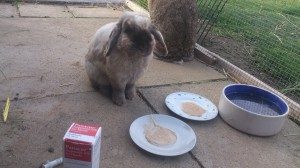
Panacur (Fenbendazole) is commonly used in rabbits with Encephalitozoon cuniculi (E. cuniculi or EC) and should be administered daily for 14–28 days or longer during acute outbreaks. Studies show that Fenbendazole reduces spores in the intestines and may relieve strain on the immune system.
Other effective alternatives include:
- Oxfendazole
- Albendazole
However, these are generally less well tolerated than Fenbendazole.
Antibiotics for Secondary Infections
Antibiotics may help prevent secondary infections such as kidney infections, which are common in rabbits weakened by EC.
Commonly used antibiotics include:
- Baytril (Enrofloxacin)
- Oxytetracycline
- Chloramphenicol
Oxytetracycline and Chloramphenicol should only be used if kidney and liver function are intact. In many cases, Baytril is sufficient and well tolerated.
Antibiotics are usually given for at least 10 days, although treatment duration depends on severity and tolerance. Injectable administration under the skin may reduce stress and digestive problems.
Corticosteroids in EC Rabbits
Corticosteroids are generally not recommended if EC is the underlying cause.
Studies show they do not improve recovery or survival rates and may:
- Increase liver strain
- Increase pathogen proliferation
- Suppress the immune system
- Increase susceptibility to secondary infections
- Increase mortality risk
Although temporary improvement may occur, rabbits treated with corticosteroids do not recover faster.
In severe cases, corticosteroids may only be considered as a last resort after differential diagnoses have been excluded and standard treatments have failed.
Additional support may include:
- Zylexis
- Milk thistle
- Hepar comp.
Vitamin B for Nerve Regeneration
High-dose Vitamin B12 or Vitamin B complex may support nerve regeneration in rabbits with:
- Head tilt
- Seizures
- Paralysis
Treatment is often continued until symptoms improve completely. Vitamin B is commonly given by injection initially and later orally, for example together with Panacur paste. It may also be added to infusions.
- Try to find fresh cow parsnip (Heracleum sphondylium) in the meadow and offer it to the rabbits.
- Additionally, the immune system should be supported, as it is crucial for containing the pathogen. There are many options for this. Zylexis, in particular, can be administered by the veterinarian.
- Homeopathically, Cerebrum comp. can be used for nerve system regeneration (if these symptoms are present), Vertigoheel for dizziness, and Engystol for the immune system. These can also be added to the infusion.
Physiotherapy for Paralysis and Head Tilt
Physiotherapy is important to help prevent muscle atrophy and stiffness.
Supportive care may include:
- Gentle movement of affected limbs
- Encouraging movement on firm surfaces
- Massage and neck exercises
Without regular movement, recovery chances may decrease significantly.
Infusions and Fluid Therapy
Infusions may help support kidney function because EC commonly affects kidney tissue.
Fluid therapy may help reduce the risk of:
- Kidney failure
- Kidney damage
- Chronic kidney disease
Undiagnosed kidney insufficiency is a common cause of death in EC rabbits.
If rabbits refuse food, infusions may sometimes be given twice daily. Home administration may reduce stress caused by repeated veterinary visits.

Diet and Hydration for Rabbits with EC
Diluted vegetable or fruit juices made from 100% pure juice may help increase fluid intake, for example:
- Carrot juice
A diet rich in fresh foods may support recovery and flushing of pathogens.
During summer, affected rabbits may benefit from:
- Wild herbs
- Tree leaves
- Grasses
Particularly valued diuretic herbs include:
- Dandelion
- Lovage
- Birch
- Parsley
- Dill
- Sorrel
- Nettle
- Ground elder

Treatment of Other Symptoms
The administration of Panacur is also very important for other symptoms.
For epileptic seizures and cramps, in addition to Panacur, Vitamin B complex should definitely be injected. Benzodiazepines (e.g., Diazepam, Midazolam) are often used as well.
Eye diseases, such as uveitis, are usually treated symptomatically with tetracycline-based eye drops or ointments, as well as corticosteroid-containing eye drops and ointments, in addition to Panacur. Unfortunately, Panacur does not work in the eye, but it should still be administered to reduce the pathogen load.
For kidney insufficiency, the treatment is described here.
Important: It is completely normal for the symptoms to continue worsening after the treatment begins. Stabilization typically occurs much later
How Long Should You Continue Treating E. cuniculi in Rabbits?
As long as a rabbit continues eating independently or accepts syringe feeding, supportive treatment and intensive care should usually continue.
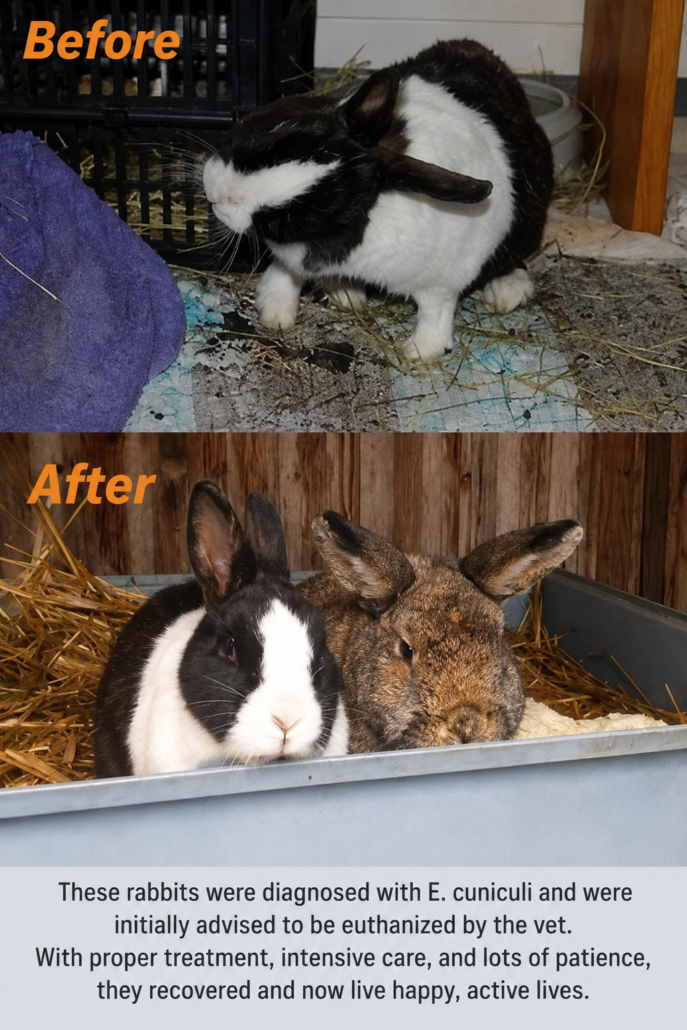
Encephalitozoon cuniculi (E. cuniculi or EC) can be distressing to witness, and euthanasia is often considered early. However, many rabbits recover well with:
- Correct medication
- Proper diagnostics
- Intensive nursing care
- Minimal stress
Most rabbits initially worsen during the first days or weeks despite treatment. Improvement is often slow and may begin only after a plateau phase.
Some rabbits retain mild residual symptoms such as a slight head tilt but can still:
- Run
- Dig
- Jump
- Eat normally
- Live active lives
If no improvement is seen after approximately three months, treatment adjustments may be considered.
Proper Diagnosis Is Essential
Many rabbits treated for EC actually suffer from another condition, including:
- Ear infections
- Spinal fractures
- Trauma
- Other neurological diseases
Even if symptoms appear typical for EC, proper diagnostics remain essential.
Recommended diagnostics may include:
- Blood tests with IgG titers
- X-rays
- Additional imaging if necessary
Misdiagnosis can lead to prolonged suffering and delayed treatment of painful underlying diseases.
Prognosis for Rabbits with E. cuniculi
Many rabbits with EC recover successfully with:
- Correct diagnosis
- Appropriate treatment
- Intensive supportive care
- A low-stress environment
- Patience during recovery
Some rabbits recover completely, even after severe neurological symptoms or paralysis.
When Euthanasia May Be Considered
In severe cases, euthanasia may still be the kindest option.
Rabbits with advanced EC symptoms often require intensive long-term nursing care. Without proper treatment, diagnostics, and supportive care, recovery is unlikely and prolonged suffering should be avoided.
Proper Care for Rabbits with E. cuniculi
Proper care is extremely important for rabbits with Encephalitozoon cuniculi (E. cuniculi or EC) and can significantly affect recovery.
Reduce Stress as Much as Possible
Stress can rapidly worsen EC symptoms. Whenever possible:
- Administer medication at home
- Avoid unnecessary veterinary visits
- Keep the enclosure familiar
- Avoid major cleaning changes or rearranging the environment
Frequent vet visits may worsen the condition in some rabbits. A thorough diagnosis should be performed initially, and follow-up visits are usually only necessary if symptoms worsen or new symptoms develop.
After cleaning, objects should be returned to their original position. Bedding and substrate should not be changed drastically. Leftover food and heavy soiling should be removed daily, while deeper cleaning should ideally be done gradually in sections rather than cleaning the entire enclosure at once.
Safe Bedding and Eye Protection
Rabbits with EC may lose balance, roll, or injure themselves during sudden movements or “binkying.” Soft flooring is therefore important.
Suitable materials include:
- Towels
- VetBeds
- Soft fabrics
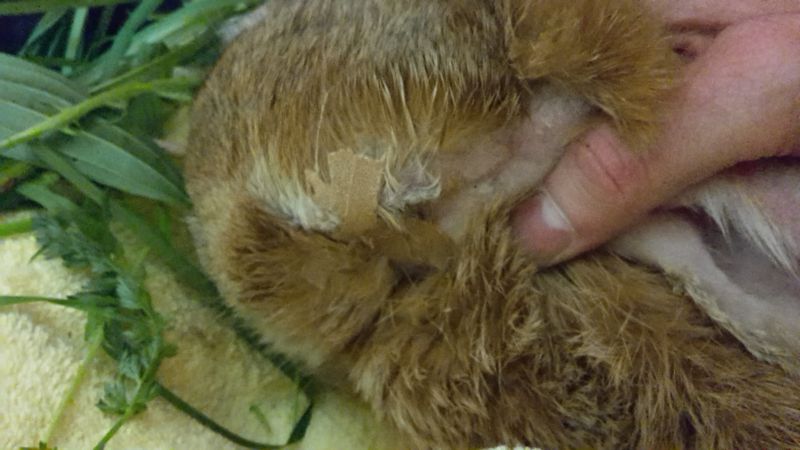
The eyes should be checked regularly for injuries. In heavily rolling rabbits, the affected eye may sometimes be temporarily taped shut under veterinary guidance to help prevent injury.
Medication Must Be Given Consistently
All medications should be administered consistently, gently, and without force.
Hygiene and Incontinence Care
Many rabbits with EC develop urinary incontinence. To help prevent urine scald and urinary tract infections:
- Keep the rabbit dry
- Clean soiled fur carefully
- Use soft absorbent bedding
- Gently clean the hindquarters if necessary, for example with baby wipes
Handling Rabbits with EC
Rabbits with EC often lose their sense of orientation and should be lifted as little as possible.
Helpful supportive measures include:
- Keeping a transport box inside the enclosure
- Administering medication without lifting the rabbit
- Covering the transport box with a cloth for security and familiarity
If lifting is unavoidable, the rabbit should be supported gently but firmly, and the eyes may be covered briefly to reduce stress and disorientation.
When setting the rabbit down again, remain close and support it until balance and orientation return.
Keep Bonded Rabbits Together
Bonded rabbits should usually remain together unless the healthy rabbit becomes aggressive.
The partner rabbit often provides:
- Emotional stability
- Stress reduction
- Social comfort
In group housing, affected rabbits may either stay with the group or remain with their closest bonded partner.
Adjusting the Environment for EC Rabbits
Whenever possible, rabbits should remain in their familiar environment.
Potential hazards should be padded or removed, including:
- Sharp edges
- Hard surfaces
- Dangerous obstacles
Small barriers may help separate weak rabbits from active areas while still allowing healthy rabbits to move freely.
Nests, Tunnels, and Orientation Support
Rabbits with balance disorders often benefit from padded resting areas and orientation aids.
Helpful options include:
- Rolled towels arranged in a C-shape
- Transport boxes
- Wooden tunnels
- Willow bridges
- Artificial walls for orientation support
The rabbit should always be able to leave the resting area independently. Food should be easily accessible inside resting areas.
If a rabbit is rolling heavily or cannot orient itself, temporary placement in a padded transport box may help it calm down safely without falling out repeatedly.
Care for Paralyzed Rabbits
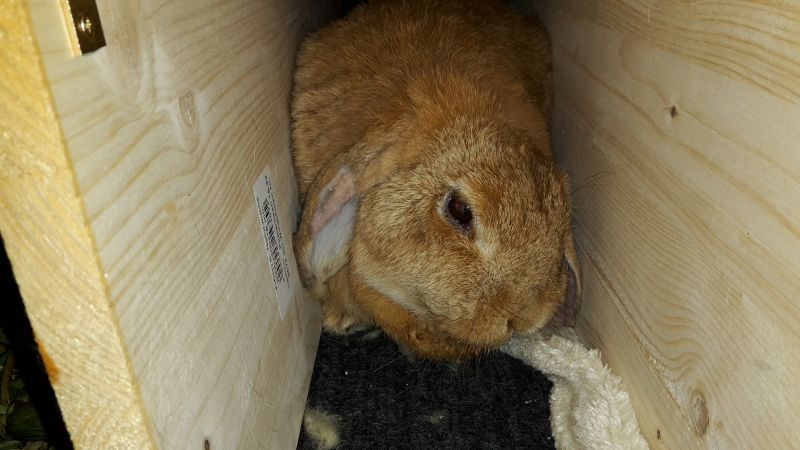
Paralyzed rabbits are at risk of pressure sores (decubitus) and eye injuries.
Helpful supportive care may include:
- Soft, wrinkle-free bedding
- Cotton towels
- VetBeds
- Disposable pads
- Wood pellets underneath VetBeds
- Frequent monitoring
Rehabilitation and Movement
Once the rabbit becomes more stable, movement and exercise are important for rebuilding muscles and retraining balance.
Free movement, physiotherapy, and gentle exercises may help improve:
- Balance disorders
- Paralysis symptoms
- Head tilt
In some rabbits, residual symptoms continue improving over time.
Fresh Food, Fluids, and Infusions
Fresh foods, diluted juices, and infusions may help support hydration and kidney function.
This may help:
- Reduce kidney damage
- Support recovery
- Improve regeneration
Lifting should always be minimized and only done when necessary, such as during hygiene care or veterinary transport.
Experience Report: Partner Rabbit with E. Cuniculi Rabbits
Two years ago, Leo developed a head tilt. Naturally, Leo would fall over, roll, and was really confused and withdrawn. At first, Lisa somehow thought it was a sign of aggression, so she would run over to him, growl, and bite him – which was, of course, really upsetting for both me and Leo. But I guess she was just confused about what was going on. It didn’t take long for her to realize that Leo was actually sick. Soon after, every time Leo rolled, she would run over and sit on the side he was rolling towards to stabilize him. Even when they were just sitting together, she always sat on his „tilted“ side, giving him extra support and licking him. It warmed my heart to know that she understood he was unwell and comforted him. Leo eventually made a full recovery.
Hand-feeding and food intake
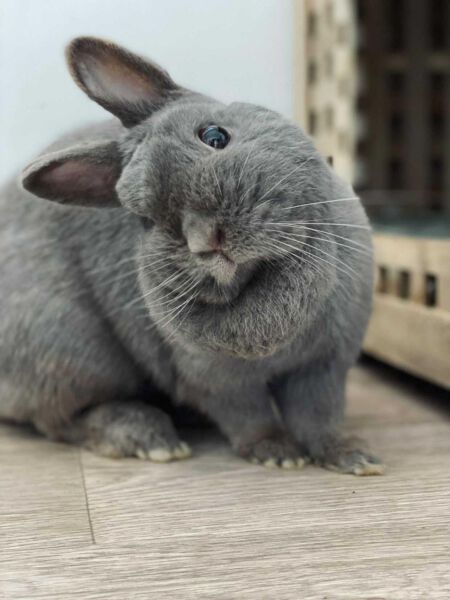
Rabbits with head tilt often have difficulty eating enough food, as they require a lot of energy and can quickly lose weight. During the acute phase, it is important to offer food in such a way that the rabbits can find and eat it, even with a tilted head and disorientation. It is helpful to place the food in various ways and observe how it can be most easily eaten. If the rabbits still eat poorly, kidney insufficiency or another condition (differential diagnoses: pain!) may be the underlying cause.
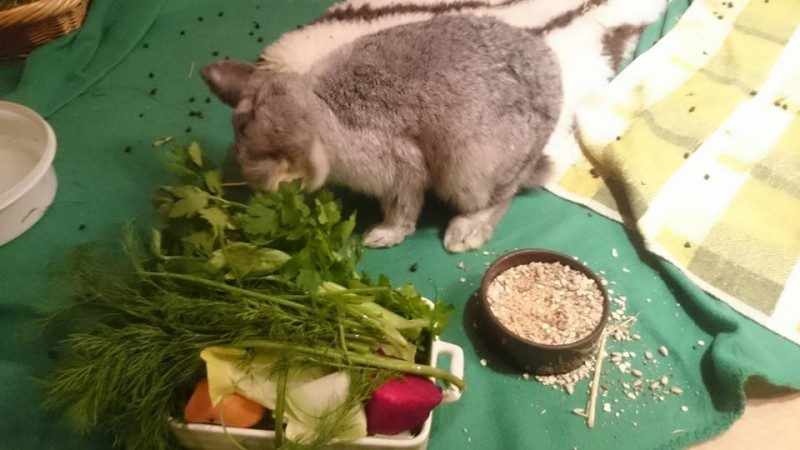
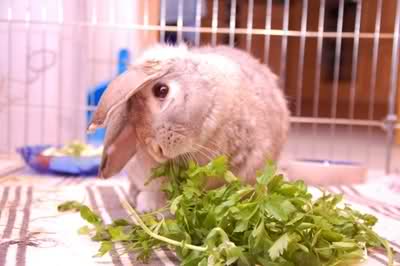
Rabbits with this condition prefer fresh greens from nature, such as dandelion (also available in Turkish stores), clover, alfalfa, hogweed, plantain, and vegetable greens. For healing, fennel and hogweed are important; these foods can (based on experience) accelerate recovery and are preferred by rabbits with E. Cuniculi. Some herbs have also proven beneficial, including tansy, a small amount of wormwood, mugwort (Artemisia annua), thyme, all types of cress, common ragweed, blueberries, garlic, spring onions, wild garlic, chives, leek, pumpkin seeds, ginger, and many wild, meadow, and kitchen herbs. If food intake is difficult, soaked Cuni Complete can also be hand-fed, which may be helpful.
If the rabbits are only spinning and no longer know which way is up, the food must be placed directly in their mouth, and if necessary, fed with a syringe of mush, which is often eagerly accepted.
PreventionPrevention of E. cuniculi in Rabbits
The EC status of rabbits can be determined through a blood test.
If Your Rabbit Is EC-Negative
If a new rabbit is joining the household, it should also test negative for Encephalitozoon cuniculi (E. cuniculi or EC) to reduce the risk of infection.
If Your Rabbit Is EC-Positive
In EC-positive rabbits, the pathogen may continue affecting the body, especially during periods of stress or illness.
Acute EC flare-ups may sometimes be reduced by keeping Fenbendazole (Panacur) available and administering it during stressful situations or illness.
Panacur may be used:
- During stress (vet visits, bonding, relocation) — starting about 3 days before the event for 5–10 days
- During illness — until recovery
- Around vaccination — starting about 3 days before vaccination for 5–10 days
- In chronic illness cases — sometimes as a 28-day course every 5th month or continuously if cortisone is administered
- Before surgery (such as neutering) — starting about 3 days before surgery for 5–10 days
Monitoring Kidney Function in EC Rabbits
Older EC-positive rabbits should have kidney values checked regularly to help detect kidney disease early.
Introducing New Rabbits to EC-Positive Rabbits
If adding a new rabbit to an EC-positive rabbit, some owners prefer choosing another EC-positive rabbit to reduce the risk of transmitting the pathogen to EC-negative rabbits.
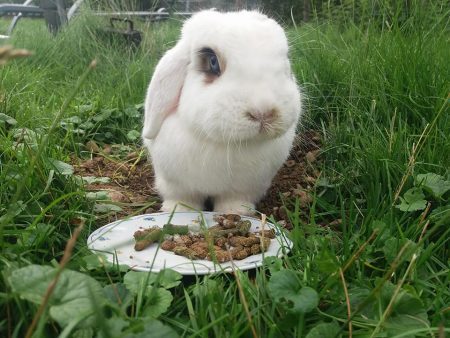
In a study, Panacur was administered for four weeks, and the rabbits were then protected from an outbreak for a little over four months. If Fenbendazole was given recently, a treatment course can be skipped, and there should always be several months between doses.
Disinfection and Hygiene for E. cuniculi in Rabbits
To help reduce exposure to Encephalitozoon cuniculi (E. cuniculi or EC) spores, feeding areas and bowls should be kept clean and hygienic.
How Long Do E. cuniculi Spores Survive?
EC spores are relatively resistant to environmental influences.
Studies show that spores may survive:
- Around one month at room temperature
- More than three months at 4°C
- About two days at 37°C
In dry cold conditions, survival time is shorter and may be less than one week at 4°C.
Boiling for at least five minutes is effective at killing the spores.
Disinfection Against E. cuniculi Spores
Extensive disinfection is usually only necessary in special situations, such as changing enclosures.
The following disinfectants have been shown to be effective after approximately 30 minutes of contact time:
- 70% ethanol
- 0.3% formaldehyde
- 1% hydrogen peroxide
- 1% sodium hydroxide
Citric acid has also shown good effectiveness, killing approximately 81% of spores. After rinsing, it is considered relatively harmless and is especially useful for cleaning wipeable surfaces and rabbit toilets because it also helps dissolve urine deposits.
Case Reports
Henry developed a severe head tilt and the typical spinning in circles within 24 hours. At the vet, he was x-rayed and had blood drawn. Initially, an ear infection (otitis) was suspected, but no changes were observed in the blood. The treatment began with Baytril and Metacam. When no improvement was seen after two days, we did a CT scan to assess the situation more accurately. It was found that there was no ear infection. Blood was then sent for EC testing, and a urine sample was also sent for EC PCR. Both tests came back negative. Despite this, we started a treatment with Panacur. After 7 days of feeding and worrying, improvement was finally seen. Henry started eating on his own again, moving without falling over, and his head became more aligned. Now, four weeks have passed, and he is almost back to normal. The vet mentioned that 4% of rabbits with EC do not form antibodies.
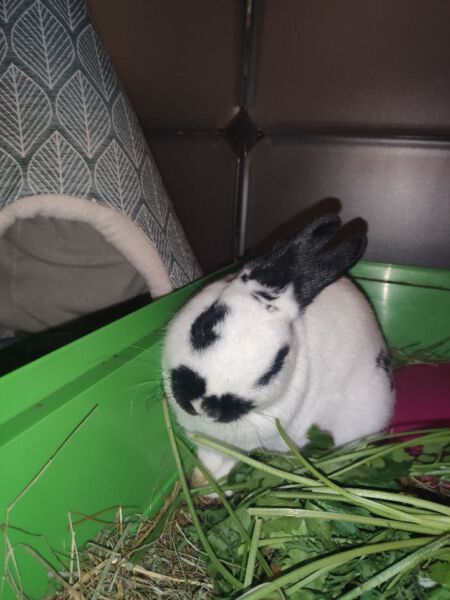
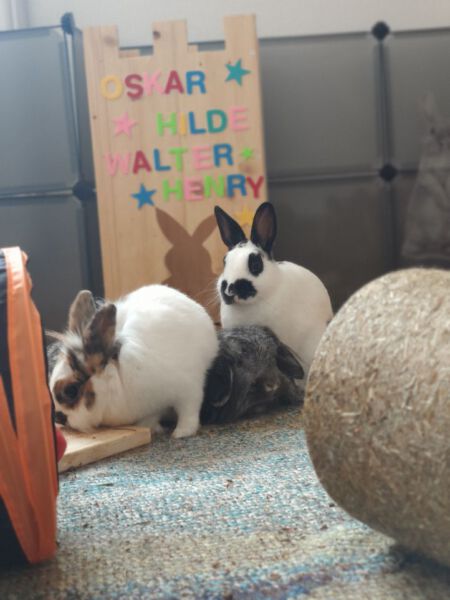
Maja (2 years old)
Maja fell ill with EC in 2021. She couldn’t stand up and rolled around for 8 weeks. I had little hope, but she ate like a little pig, so I couldn’t give up on her. I gave her medication every day, bathed her, placed fresh food in front of her, and so on. The day she sat up for the first time again was beautiful. Now, she has more joy in life than any of my other rabbits. The fight was worth it. Every single day of extra life.

Augustus, about 5 years old
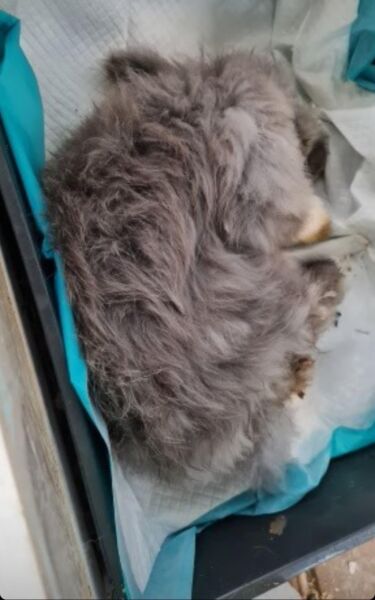
At first, he only had a slight head tilt and refused to eat. Then, day by day, it got worse; he was lying on his side and rolling around. I had to hand-feed him at the beginning. I had to help him with grooming as he was sometimes soiled with feces… Then, suddenly, things started to improve. He kept trying to stand up. It took a total of 6 weeks.
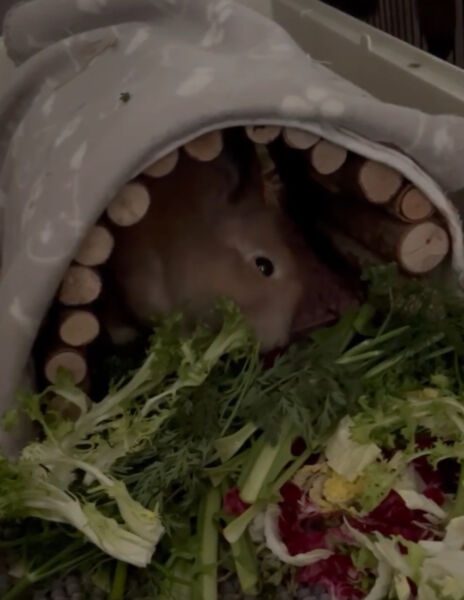
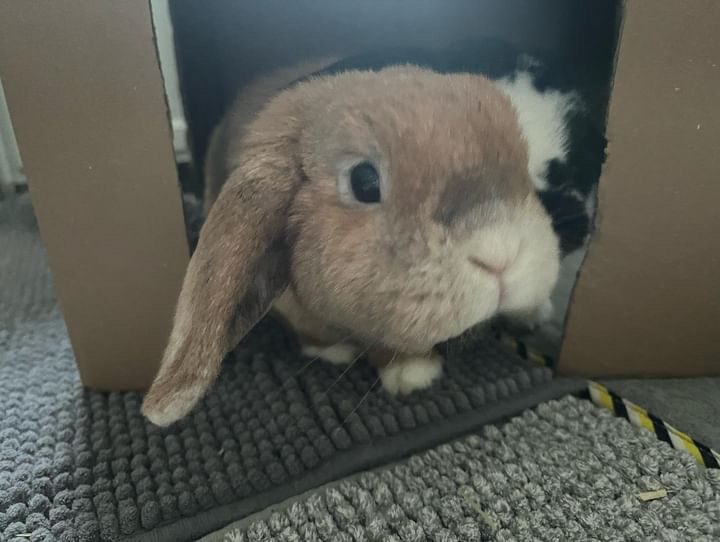
Mats (8 1/2 years old) – approximately 5 weeks until recovery
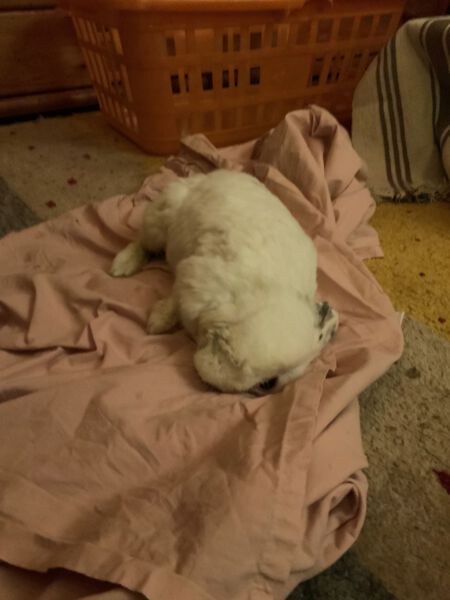
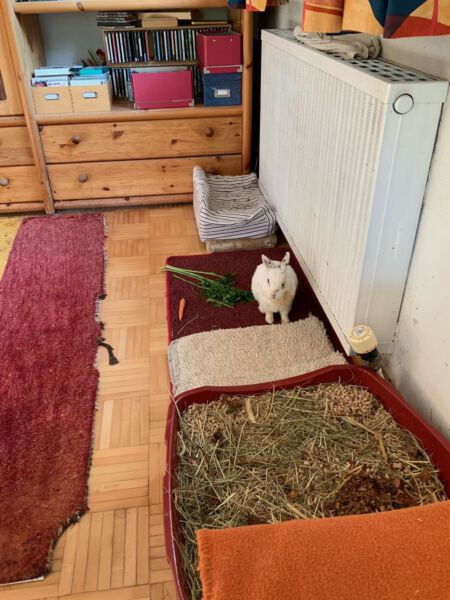
Mümmeline (8 months old) took about 3-4 weeks to start hopping again. After approximately 8 weeks, she was able to stand on her hind legs again. The veterinarian initially recommended euthanasia. Today, three years later, she is still completely healthy. She is the leader of a group of 9 rabbits.

Tedi with severe E. cuniculi – recovery process: it was only when she was reunited with her partner rabbit (after an initial separation), who cared for her intensively and pampered her, that she slowly began to recover.
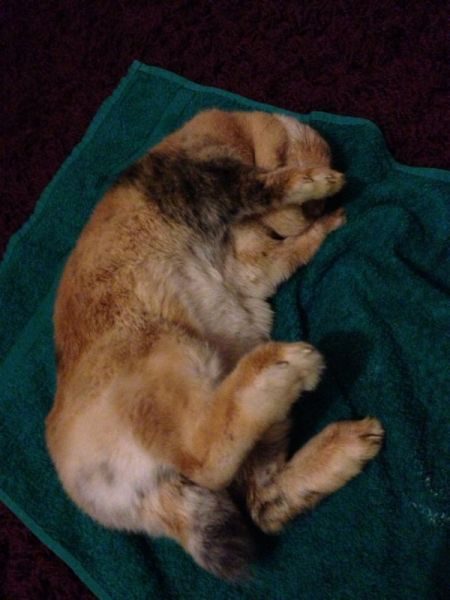
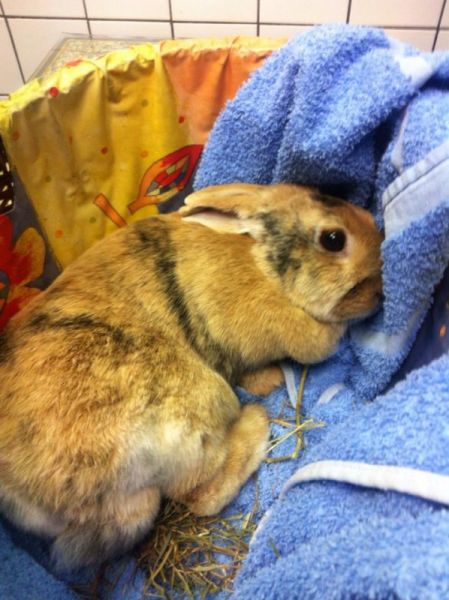
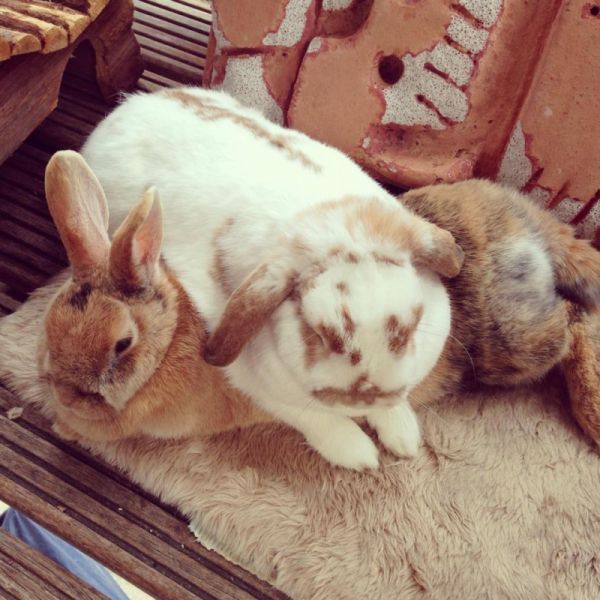
Leon, approximately 4 years old, had very poor liver values, a high E. cuniculi titer, a slightly tilted head, and had stopped moving (apathetic). Treatment: Panacur for 28 days, infusions (initially twice daily, then daily, and eventually less frequent), hogweed, and fennel. After three weeks, he was completely healthy again and has not had a relapse since.
Leopold
After 4 weeks of Panacur and additional vitamin B complex, he was back to his old self.
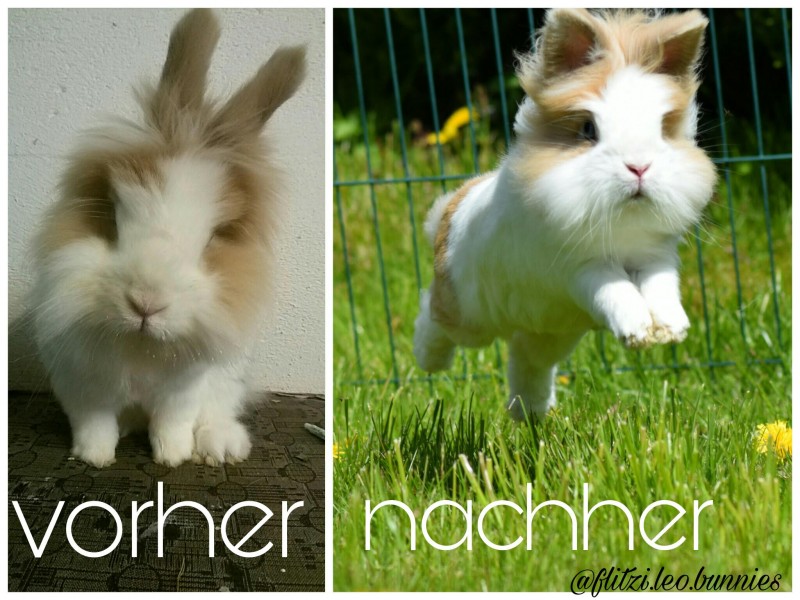
Jaimy (before – after)
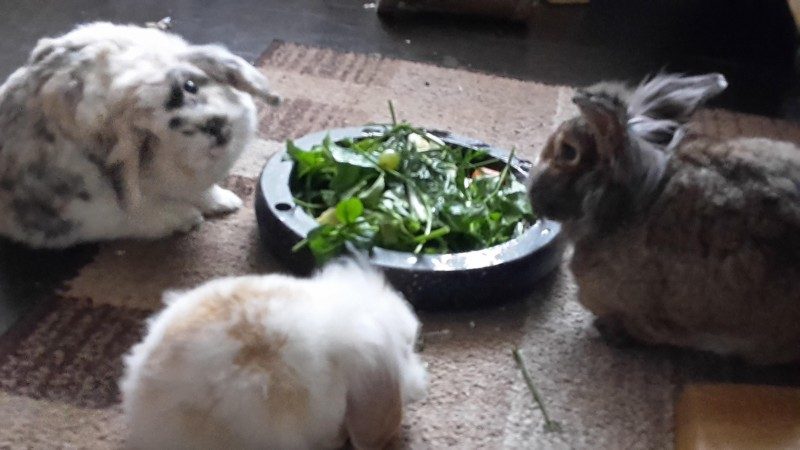
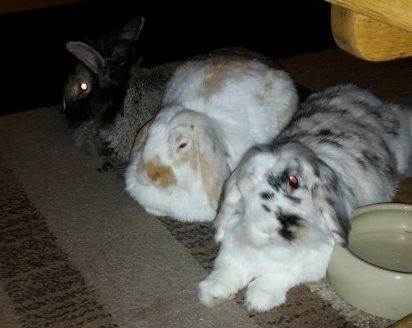
Mogli
Before – After
After two months, he was fit again.
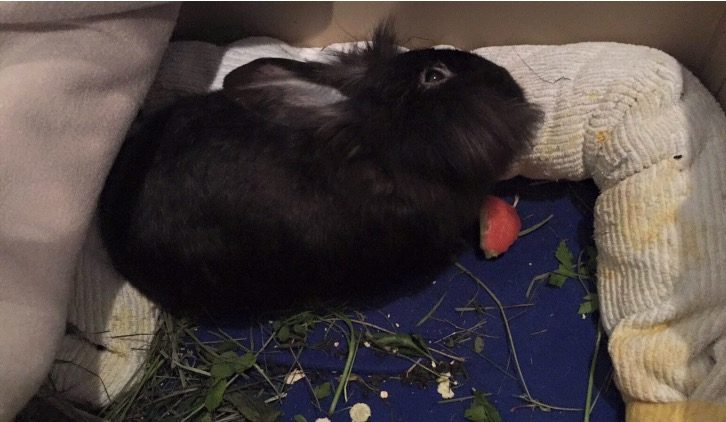
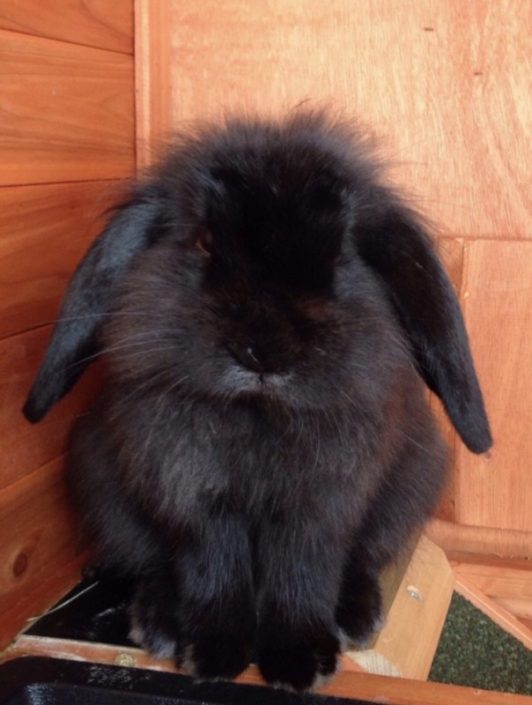
Merlin with EC and ear infection
Treatment: 8 weeks of Panacur, two weeks of Baytril, and as long as symptoms persisted, vitamin B complex, Metacam, Vertigoheel, Cerebrum, and Engystol.
X-rays revealed that Merlin also had an ear infection (Note: same symptoms as EC!). Four weeks after the onset, he was given an additional 10 days of Duphamox, followed by two weeks of Marbocyl. During the antibiotic treatment, Pro Pre Bac was administered two hours later to maintain the gut flora. He also received dried meadow hogweed daily and later fresh.
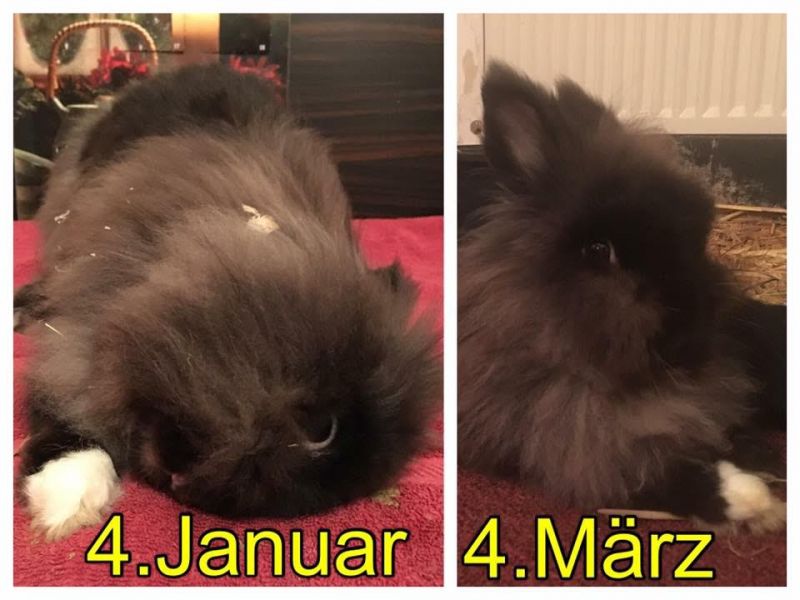
Monica with EC and middle ear infection
Monica is a curious almost 9-year-old lop rabbit, who had never been ill before. Shortly after our vacation, she started to withdraw. At the veterinary clinic, we were told she had bloating. We were given medication and left the clinic feeling relieved. The next day, her head started tilting slightly to one side. We went back to the clinic, as we only noticed this early in the morning. They diagnosed either an ear infection, a brain tumor, or EC, and advised us to treat EC first. When we took Monica to our family veterinarian for a second opinion, she told us we needed to take a strong decision, as the head tilt was too severe. We decided against that and insisted on a CT scan at the clinic. The diagnosis: a unilateral middle ear infection, but the inner ear and bones were not affected. Additionally, the head tilt was in the wrong direction, so the ear infection couldn’t have been the cause.
For the first time, we visited a rabbit-savvy veterinarian. We treated the ear infection with painkillers and antibiotics and continued the EC treatment. First, Monica managed to move without tumbling, then she began grooming herself again, found her way to her pen and the litter box, and 1-2 weeks later, still with a very tilted head, she happily hopped around. Just like before, she explored everything, knocked over tunnels and boxes, and jumped onto various objects. A few days later, her head began to straighten. Currently (about 8 weeks after the onset of illness), she still has a slight head tilt, but it doesn’t affect her at all. We have stopped the Panacur treatment in consultation with our veterinarian. We are trying physiotherapy to relax the shortened muscles, but if her head remains as it is, it wouldn’t be a limitation. In January, we will likely have another CT scan to check how the ear infection has progressed. If necessary, we may have to consider surgery, but thanks to our veterinarian and several success stories, we have many options. It’s worth fighting for, and as difficult as it was at times, it’s now so wonderful to see Monica racing around and jumping again. We hope that our story might give strength to others as well.
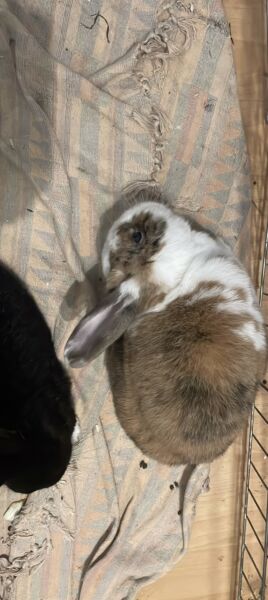
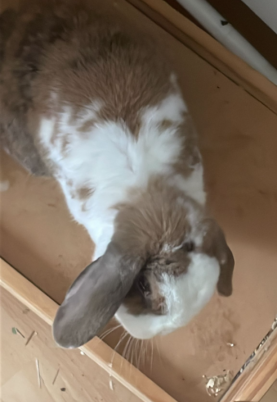

Mädi
After weeks of treatment, her head has become completely straight again.
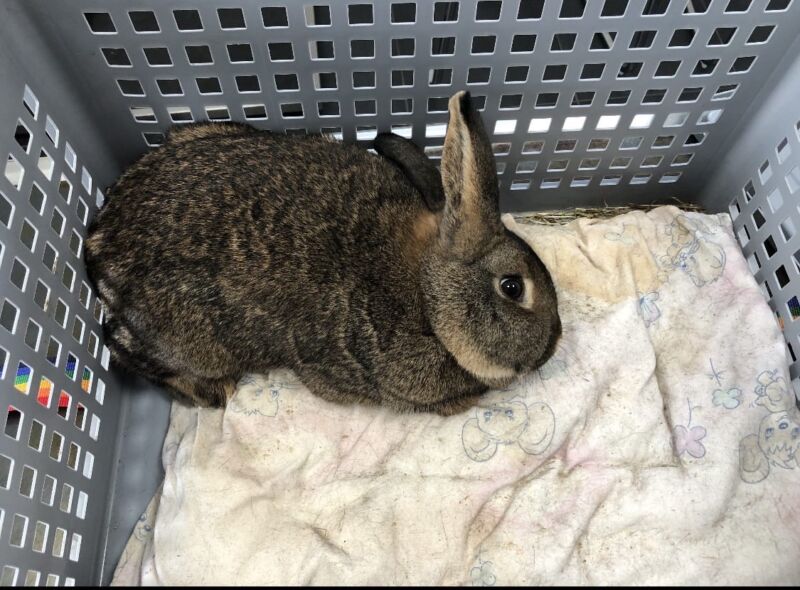
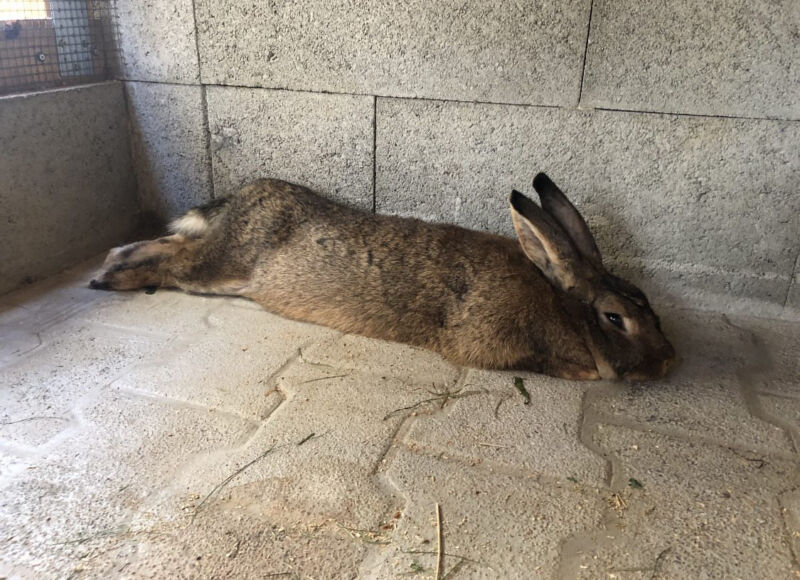
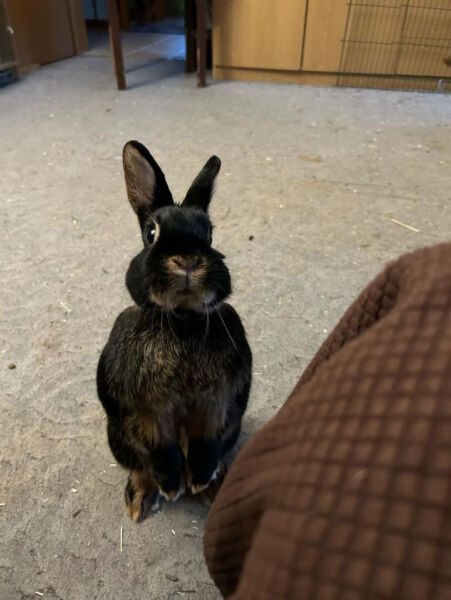
Blacky as a young rabbit, about 3 months old
Shortly after purchasing him from a pet store, EC broke out in Blacky. Overall, Blacky was treated for 3-4 months.
Sources include:
Abu- Akkada, S. S., Oda, S.S. (2016): Prevention and treatment of Encephalitozoon cuniculi infection in immunosuppressed rabbits with fenbendazole. Iran J Vet Res. 17(2): 98–105.
Baneux, P. J. R., & Pognan, F. (2003): In utero transmission of Encephalitozoon cuniculi strain type I in rabbits. Laboratory animals, 37(2), 132-138.
Csokai, J., Joachim, A., Gruber, A., Tichy, A., Pakozdy, A., & Künzel, F. (2009). Diagnostic markers for encephalitozoonosis in pet rabbits. Veterinary parasitology, 163(1), 18-26.
Deplazes, P., Mathis, A., Baumgartner, R., Tanner, I., & Weber, R. (1996): Immunologic and molecular characteristics of Encephalitozoon-like microsporidia isolated from humans and rabbits indicate that Encephalitozoon cuniculi is a zoonotic parasite.
Harcourt-Brown, F. M.; Holloway, H. K. R. (2003): Encephalitozoon cuniculi in pet rabbits
Hein, J., Flock, U., Sauter-Louis, C., & Hartmann, K. (2014): Encephalitozoon cuniculi in rabbits in Germany: prevalence and sensitivity of antibody testing.Veterinary Record: Journal of the British Veterinary Association, 174(14).
Jass, A., Matiasek, K., Henke, J., Küchenhoff, H., Hartmann, K., & Fischer, A. (2008). Analysis of cerebrospinal fluid in healthy rabbits and rabbits with clinically suspected encephalitozoonosis. The Veterinary Record, 162(19), 618-622.
Jeklova, E., Jekl, V., Kovarcik, K., Hauptman, K., Koudela, B., Neumayerova, H., … & Faldyna, M. (2010): Usefulness of detection of specific IgM and IgG antibodies for diagnosis of clinical encephalitozoonosis in pet rabbits.Veterinary parasitology, 170(1), 143-148.
Klang, A., Pakozdy, A., Weissenböck, H., Künzel, F. (2009): A Retrospective Study of Neurological Disease in 118 Rabbits.
Künzel, F., & Fisher, P. G. (2018): Clinical Signs, Diagnosis, and Treatment of Encephalitozoon cuniculi Infection in Rabbits. Veterinary Clinics of North America: Exotic Animal Practice, 21(1), 69–82. doi:10.1016/j.cvex.2017.08.002
Sieg J., Hein J., Jass A., Sauter-Louis C., Hartmann K., Fischer A. (2012): Clinical evaluation of therapeutic success in rabbits with suspected encephalitozoonosis.
Sieg J., Jass A., Fischer A., Hein J. (2010): Vergleich verschiedener Therapiemodelle zur Enzephalitozoonose bei Kaninchen. In: Abstracts der 18. Jahrestag der DVG-FG InnLab 2010.
Künzel F1, Gruber A, Tichy A, Edelhofer R, Nell B, Hassan J, Leschnik M, Thalhammer JG, Joachim A. (2008): Clinical symptoms and diagnosis of encephalitozoonosis in pet rabbits.
Suter C., Müller-Doblies U., Hatt J.-M., Deplazes P. (2001): Prevention and treatment of Encephalitozoon cuniculi infection in rabbits with fenbendazole. Vet Record 2001
Muser RK, Paul JW. (1984): Safety of fenbendazole use in cattle. Mod Vet Pract. 1984 May;65(5):371-4.
Waller, T. (1979): Sensitivity of Encephalitozoon cuniculi to various temperatures, disinfectants and drugs. Laboratory animals 13.3: 227-230.
Ziętek, J., Adaszek, Ł., Dzięgiel, B., Kalinowski, M., Bartnicki, M., Kalinowska, A., … & Winiarczyk, S. (2014). Diagnosis of the Encephalitozoon cuniculi infections in pet rabbits with neurological symptoms. Polish journal of veterinary sciences, 17(2), 361-363.
Dissertationen
Flock, U. (2010): Enzephalitozoonose beim Kaninchen – eine retrospektive Auswertung. Diss. München
Habenbacher, Ch. (2011): Etablierung und Validierung einer Immunhistochemie
und in-situ Hybridisierung zum Nachweis von Encephalitozoon cuniculi, Diss. Wien
Jaß, A. (2004): Evaluierung von Liquorpunktion und PCR zur klinischen Diagnose der Enzephalitozoonose beim Kaninchen. Diss. München
Meyer-Breckwoldt, A. (1996): Epidemiologische und klinische Untersuchungen zur Enzephalitozoonose beim Zwergkaninchen. Diss. Tierärztliche Hochschule Hannover
Neuwirth E. (1988): Enzephalitozoonose. Diss. Tierärztliche Hochschule Hannover
Bücher & Sonstiges
Csokai, J. (2015): Kopfschiefhaltung–Encephalitozoonose? Welche Diagnostikmöglichkeiten gibt es?. veterinär spiegel, 25(02), 72-75.
Fehr, M. (2012): Gefahr durch Encephalitozoonose bei Kaninchen [http://www.tiergesundheit-aktuell.de/videos/kleintiervideo-549.php, 25.4.16]
Felchle L., Sigler R. (2002): Pacoemulsification for the management of Encephalitozoon cuniculi-induced phacoclastic uveitis in a rabbit. Vet Ophthalmol. 5:211–215
Göbel, T. (2002): Die Encephalitozoon cuniculi-Erkrankung beim Heimtierkaninchen. Eine potentielle Zoonose?
Hein, J. (2008): Clinical symptoms and diagnosis of encephalitozoonosis in pet rabbits. [https://www.researchgate.net/publication/5685701_Clinical_symptoms_and_diagnosis_of_Encephalitozoonosis_in_pet_rabbits]
Hein, J. (2008): Enzephalitozoon cuniculi beim Kaninchen – aktuelle Daten DVG-Kongress Düsseldorf 2008 [http://www.kaninchenforum.com/site/images/stories/hein%20dvg%20%20encephalitozoonose%20%28kompr.%29.pdf, 03.04.2010]
Hein, J. (2009): Enzephalitozoonose – retrospektive Auswertung von Patientendaten [http://www.kaninchenforum.com/site/images/stories/abstract%20flock%20hein%20enzephalitozoonose%20innlab%20tp%2002-%2009.pdf, 26.01.2012]
Hein, J. (2012): Achtung Zoonose! Persistierende Infektion mit E.cuniculi [http://www.heimtieraerztin.de/images/docs/ta%20-%20sv_aktuell-enzephalitozoonose.pdf, 01.05.2013]
Künzel, F., Gruber, A., Tichy, A., Edelhofer, R., Nell, B., Hassan, J. & Joachim, A. (2008): Clinical symptoms and diagnosis of encephalitozoonosis in pet rabbits. Veterinary parasitology, 151(2-4), 115-124.
Latney, L. V., Bradley, C. W., Wyre, N. R. (2013): Encephalitozoon cuniculi in pet rabbits: diagnosis and optimal management [https://www.dovepress.com/encephalitozoon-cuniculi-in-pet-rabbits-diagnosis-and-optimal-manageme-peer-reviewed-fulltext-article-VMRR]
Hein, J. (2013): Enzephalitozoonose beim Kaninchen. [http://www.heimtieraerztin.de/images/docs/b%20-%20besitzerinfo%20encephalitozoonose%205-2013.pdf, 13.04.2015]
Hein, J. (2015): Alles Enzephalitozoonose – oder gibt es da noch mehr? Enke Verlag kleintier konkret 2015; 18(S 02): 37–41
Hein, J. (2015):Enzephalitozoonose – immer noch eine Herausforderung in Diagnostik und Therapie. Der Praktische Tierarzt 96, 5(15) [http://www.heimtieraerztin.de/images/docs/Downloads-Tieraerzte/hein-fall%20ec-prkt%20tierarzt%202015-05%20hp.pdf, 13.02.2016]
Jordan, C., Zajac,A. M., Lindsay, D. S. (2006): Encephalitozoon cuniculi Infection in Rabbits.
Khan, I. A., Moretto, M., & Weiss, L. M. (2001): Immune response to Encephalitozoon cuniculi infection. Microbes and infection, 3(5), 401-405
Künzel, F., Joachim, A. (2010): Encephalitozoonosis in rabbits. Parasitology research 106.2 : 299-309.
Rosenthal, K. L. (2004): Therapeutic contraindications in exotic pets. In Seminars in Avian and Exotic Pet Medicine (Vol. 13, No. 1, pp. 44-48). WB Saunders.
Meredith, A., & Lord, B. (2014). BSAVA manual of rabbit medicine. British Small Animal Veterinary Association.
Meredith, A. L., Richardson, J. (2015): Neurological Diseases of Rabbits and Rodents.
Meyer-Breckwoldt A. (1996): Epidemiologische und klinische Untersuchungen zur Enzephalitozoonose beim Zwergkaninchen. Diss med vet, Hannover
Oglesbee, B. (2011): Blackwell´s Five-Minute Veterinary Consult: Small Mammal, 2nd Edition
Ozkan, O., Ozkan, A. T., & Zafer, K. (2011): Encephalitozoonosis in New Zealand rabbits and potential transmission risk. Veterinary Parasitology, 179(1-3), 234-237.
Sandmeyer, Lynne S., Bianca S. Bauer, Bruce H. Grahn (2011): Diagnostic Ophthalmology. The Canadian Veterinary Journal 52.9: 1023.
Varga, M. (2014): Textbook of Rabbit Medicine. Second Edition.