
“My rabbit is not eating.”
“My rabbit has a stomachache.”
🚨 Food refusal in rabbits is ALWAYS an emergency. It can become fatal within hours. Do not wait.
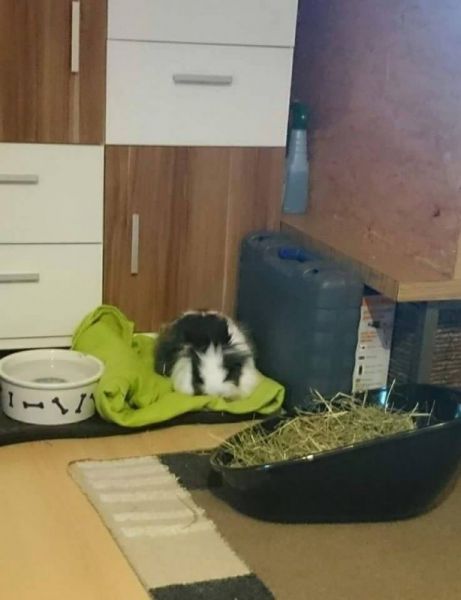
Withdrawn or apathetic behavior is often a sign of a life-threatening condition.
Food refusal and digestive disorders in rabbits are extremely serious and frequently lead to death. Every rabbit owner must understand the risks and know how to act immediately.
Important: In most cases, rabbits do not have a primary digestive issue.
Instead, another illness causes food refusal, which then leads to gastric dilation (rabbit bloat).
First Aid for Rabbit Bloat
Emergency medication can be given immediately:
- Simethicone (e.g. Sab Simplex): 0.5–1 ml/kg, 3–6× daily
- Alternatives: Simethicone or Dimethicone products
- Colosan / RodiCare akut: 7–10 drops, 3× daily
Additional measures:
- Gently massage the abdomen
- Check ear temperature
- Measure body temperature
If no improvement within a short time → go to a rabbit-savvy vet immediately
Waiting up to 1 hour maximum may be acceptable depending on condition.
Immediate vet visit required if:
- Dehydration (skin fold test delayed)
- Hypothermia (< 38.5°C / 101.3°F)
During transport:
- Keep the rabbit warm
- Use blanket + warm water bottle (not hot!) or Snuggle Safe
Symptoms of Gastric Dilation in Rabbits
Typical signs of rabbit bloat / gastric dilation:
- Not eating (even favorite food refused)
- Lethargy / withdrawal
- Reduced activity
- No feces (often unnoticed in groups)
- Enlarged, bloated abdomen
- Pain when touched
Advanced stage:
- Shock
- Hypothermia
- Dehydration
Diagnosis is only possible via X-ray at a veterinarian
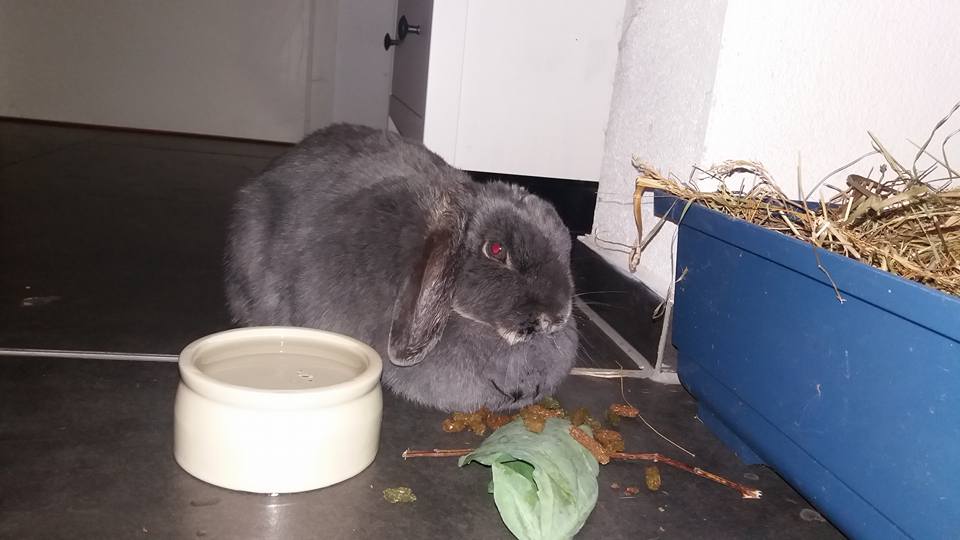
Causes of Rabbit Bloat (Gastric Dilation)
Rabbit bloat is usually secondary, not primary.
Common causes:
- Pain (dental disease, organ disease, ear infections) leads to dehydration of the intestinal contents. Due to weak muscle movement, the contents are not transported properly, meaning fermentation issues occur, and a dry, sticky food mixture forms (sometimes with small hairballs that were already present).
- Dehydration of intestinal contents
- Poor gut motility → fermentation → gas formation
- Hairballs (bezoars): Pure hairballs are rarer than commonly assumed! Especially during molting, the ingestion of a lot of fur (from grooming their own coat, grooming other rabbits during molting, or from compulsively pulling out their own fur) can form a solid mass in the intestines, leading to blockages (bezoar, hairballs). However, hairballs typically only cause problems if the rabbit is not fed a purely fresh food diet, but is instead given some type of dry food, oats, etc., or if fresh greens are not available 24 hours a day.
- Dry or inappropriate diet
- Lack of fresh greens
- Constipation is strongly encouraged or even triggered when the rabbit is fed very dry, energy-dense, or protein-rich food. The dry food mass cannot be moistened and does not move through the digestive system. Natural food consists of 70-80% moisture (fresh food), which is why a rabbit’s digestion is designed for a very moist food transport.
- Many rabbits occasionally stop eating because they feel nauseous. This is often due to stomach disorders, particularly in rabbits with chronic illnesses, stressed animals, or those receiving repeated pain medication. A migrating hairball or intestinal inflammations can also be the cause. Such animals may need to be given acid blockers (like Omeprazole) or stomach protectants (like Sucralfate, Ranitidine) on a long-term basis.
Additional risk factors:
- Parasites (coccidia, worms, yeast). Submit a poop sample from three days to rule out parasites.
- Intestinal inflammation (enteritis)
- Chronic illness / stress
- Tumors (rare)
- Foreign bodies (plastic, carpet fibers, litter, etc.)
- Lack of water
- Heat
- Infectious diseases
- Obesity / lack of movement. Obesity can also push on the intestines, making constipation more likely.
- Sudden dietary changes
- Hypothyroidism can also trigger constipation.
- Tissue adhesions after female neutering (rare).
- Mold in the food or living area.
- Infectious diseases.
- Space-occupying diseases of the uterus or other organs
- Long periods without eating or rapid eating (gulping) can often lead to bloating. Offer your rabbits plenty of fresh greens multiple times a day so they can eat at their own pace and consume food consistently throughout the day and night.
- Strangulated hernias or prolapsed intestines that block the digestive system.
- Abdominal abscesses.
- Swallowed currant seeds, pellets, dried fruit/vegetables, or unsoaked flaxseeds can swell in the intestines (rare).
- Eating clumping materials (e.g., cat litter, straw pellets, bedding, cardboard, fabrics) or other foreign objects that expand in the gut can cause issues.
- Low-fiber, dry, or poorly digestible diets worsen constipation in rabbits.
- Sudden large amounts of dry food or treats often lead to constipation.
Important myth:
Cabbage does NOT cause bloat in healthy rabbits.
Problems occur due to bad diet (pellets, dry food).
How Gastric Dilation Develops
When rabbits stop eating:
- Food is no longer transported
- Contents dry out
- Fermentation begins
- Gas builds up
The stomach fills with gas + liquid → bloat
In obese rabbits:
- Stomach cannot expand properly
- Pressure on heart and lungs → circulatory failure and death
⚠️ Dysbiosis (disruption of the gut flora) occurs very quickly, leading to difficulty breathing and circulatory collapse, which can result in death!
Diagnosis – How to Identify Gastric Dilation (Rabbit Bloat)
If you suspect gastric dilation (rabbit bloat), it is critical to consult a veterinarian who is experienced with rabbits and other exotic pets. A standard small animal vet (dogs and cats) is often not sufficient, as rabbits require specialized knowledge and training.
Body Temperature – A Key Indicator
A rabbit’s normal body temperature should not fall below 38.5°C (101.3°F).
- Low temperature (hypothermia) → indicates a critical condition affecting circulation, heart function, and stomach activity
- High temperature (fever) → may indicate infection or inflammation
Important: Stress can raise temperature and should not be mistaken for fever.
Both hypothermia and fever can lead to food refusal, which can ultimately result in gastric dilation in rabbits.
The temperature provides important clues about which further diagnostic tests are necessary. In cases of hypothermia, an obstruction should always be ruled out, while fever may indicate conditions such as appendicitis (inflammation of the appendix at the cecum).
Possible Complications
In advanced cases, serious complications may develop:
- Paralytic ileus (intestinal paralysis) → food no longer moves
- Neurological symptoms:
- Incoordination
- Movement disorders
- Altered consciousness
- Coma
As the condition progresses, it can lead to:
- Liver failure
- Kidney failure
- Breathing difficulties
Life-saving measures must be started immediately in cases of hypothermia—before full diagnostics are performed.
X-rays – Essential for Diagnosis
A veterinarian will:
- Palpate the rabbit
- Measure body temperature
- Perform X-rays (always required)
X-rays should be taken from two views, with the lateral view being most important.
Typical findings:
- Enlarged stomach
- Fluid and gas accumulation
A centrally or laterally positioned gas bubble (“mirror image”) indicates a worse prognosis.
👉 Important:
Insist on X-rays. Palpation alone is NOT reliable for diagnosing rabbit bloat or intestinal blockage.
Detecting Blockages (Ileus)
The location of a blockage can be identified by:
- Gas accumulation patterns
- Contrast X-rays (in selected cases only)
Findings:
- Section before the blockage → overfilled
- Section after the blockage → gas-filled
Contrast studies:
- Only iodine-based contrast agents (never barium sulfate)
- Can help visualize hairballs or foreign material
Risks of contrast media:
- Overloads digestion
- Can damage intestinal walls (risk of rupture)
- Disrupts gut bacteria
❗ Do NOT use in dehydrated rabbits.
Important: Insist on X-rays at your veterinarian! This is the only way to reliably diagnose gas buildup and locate blockages—palpation alone is not sufficient!
Blood Tests – Prognosis and Risk Assessment
Blood tests provide important information about severity and prognosis.
- Around 70% of rabbits with intestinal obstruction show high blood glucose
- Average: 24.7 mmol/L
- Above 20 mmol/L (360 mg/dL) → poorer prognosis
Additional findings:
- Elevated liver values → possible liver lobe torsion
- Signs of inflammation
- Kidney damage
Blood tests help assess complications and guide treatment decisions.
Urine Analysis
Urine test strips can help evaluate metabolic status.
- Acidic urine pH → indicates catabolic state
- Associated with a worse prognosis
Ultrasound – Additional Diagnostics
Ultrasound is useful for:
- Detecting liver lobe torsion (even if blood values are normal)
- Evaluating digestive organs
- Investigating underlying causes
Appendicitis (Often Overlooked in Rabbits)
Appendicitis (inflammation of the cecal appendix) is a rabbit-specific condition and often missed.
Symptoms:
- Fever
- Pain on palpation
- Tubular structure in abdomen
Findings:
- Often low glucose levels
- Possible low calcium
- Regenerative anemia
If suspected → perform ultrasound of the cecum
Fecal Testing
In cases of:
- High environmental temperatures
- Multiple rabbits affected
- Digestive disturbances
Perform a bacterial stool test to rule out intestinal infections
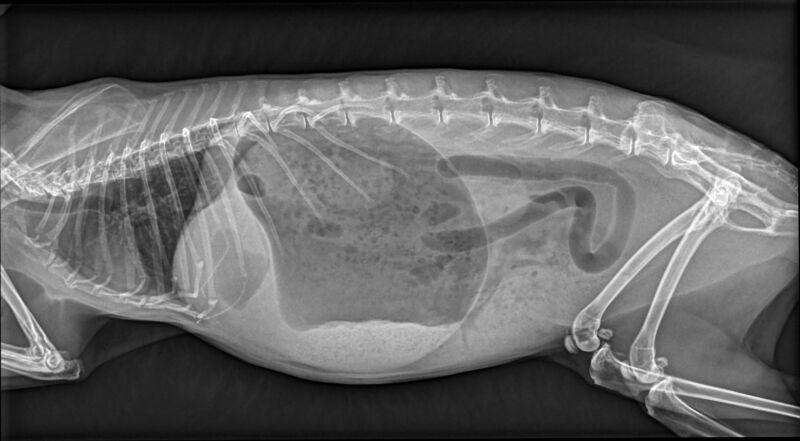
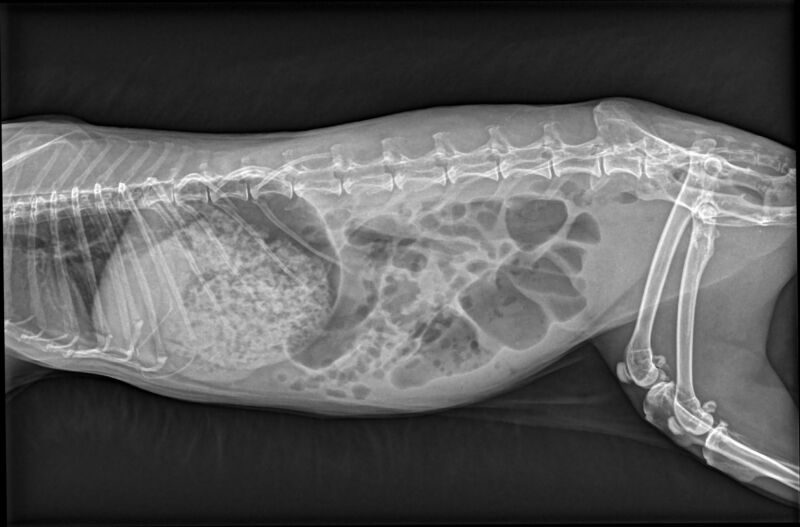
Gastric dilation before and after 2 hours of treatment.
Key Takeaway
👉 Rabbit bloat (gastric dilation) cannot be diagnosed reliably without imaging.
👉 X-rays are essential to detect gas buildup and intestinal blockage.
👉 Early and accurate diagnosis significantly improves survival chances.
Understanding Rabbit Digestive Disorders (Rabbit Bloat, Ileus & More)
Rabbits can suffer from several serious digestive conditions that are often confused with each other. Understanding the differences between gastric dilation (rabbit bloat), ileus, and other gastrointestinal disorders is essential for early recognition and proper treatment.
Gastric Dilation (Rabbit Bloat)
Gastric dilation refers to an enlarged stomach filled with gas, liquid, and food slurry, which can be clearly identified on X-rays.
It is most commonly caused by:
- Ileus (intestinal blockage or slowdown)
- Food refusal due to pain or illness
- Poor diet (too dry, low-fiber, or poorly structured food)
This condition is life-threatening and requires immediate veterinary attention.
leus (Intestinal Blockage or Paralysis)
Ileus is a disruption of normal food movement through the digestive tract, either due to a physical blockage or intestinal paralysis.
Common causes include:
- Hairballs (bezoars)
- Foreign objects (plastic, carpet fibers, etc.)
- Poorly chewed food (often due to dental disease)
- Intestinal paralysis
Ileus is one of the most common underlying causes of rabbit bloat (gastric dilation).
Tympany (Bloating in Rabbits)
Tympany describes gas accumulation in the digestive tract, often due to:
- Blockages
- Reduced gut motility
- Food refusal
While often used interchangeably with “rabbit bloat”, tympany specifically refers to gas buildup, not necessarily an enlarged stomach.
Gastric Overload
Gastric overload occurs when the stomach becomes overfilled with food slurry, usually due to:
- Rapid eating (e.g., strict feeding schedules)
- Sudden dietary changes
- Consumption of swelling foods:
- Pellets
- Chopped hay
- Flour-based products
Although rare, it can contribute to digestive emergencies similar to gastric dilation.
Constipation in Rabbits
Constipation is a partial blockage of the digestive tract, where food movement is slowed but not completely stopped.
Common causes:
- Ingested bedding or foreign material
- Improper diet (too dry, low moisture)
Unlike ileus, some passage is still possible, but the condition can worsen quickly.
Stasis (Gut Stasis in Rabbits)
Stasis refers to a slowdown or complete (stagnation) of intestinal movement.
It is often an early stage of more severe conditions like ileus or gastric dilation.
Coprostasis
Coprostasis is the accumulation of feces in the colon, typically caused by:
- Poor diet
- Lack of movement
- Dehydration
This condition is often linked to chronic digestive problems in rabbits.
Key Takeaway
- Many of these conditions are closely related and can quickly progress into gastric dilation (rabbit bloat).
- Early recognition and immediate action are critical for survival.
Treatment of Gastric Dilation in Rabbits (Rabbit Bloat Treatment)
Treatment of gastric dilation (rabbit bloat) always begins with stabilizing the rabbit. This is a life-threatening emergency and must be handled by a rabbit-experienced veterinarian.
Emergency Stabilization
The first priority is to stabilize the rabbit’s condition:
- Warmed intravenous fluids (IV infusions) depending on circulatory status
- Heat support
- Oxygen therapy if needed
- Pain management:
- Buprenorphine
- Novalgin (10–20 mg/kg, 2–3× daily, can be combined)
⚠️ Do NOT use Meloxicam (Metacam) in these cases.
In cases of gastric overload, oral medication is often ineffective because it does not reach the small intestine in time.
➡️ Therefore, medication should be administered intravenously whenever possible.
Anti-Nausea Treatment
Nausea is a major factor in rabbits that stop eating.
- Metoclopramide (MCP / Emeprid):
- Initial dose: 5 mg/kg (injection preferred)
- Follow-up: 0.2–1 mg/kg, 1–3× daily
- Max duration: 3 days, then taper
⚠️ Do NOT use in cases of constipation.
- Maropitant:
- Often very effective against nausea
Improving Gastrointestinal Motility
Restoring gut movement is critical in rabbit bloat:
- Metoclopramide:
- Effect not fully proven, but often effective in higher doses
- Cisapride:
- Effectiveness unclear
- Lidocaine infusion:
- 100 μg/kg/min IV over 2 days
- Proven effects:
- Pain relief
- Anti-inflammatory
- Anti-endotoxic
- Prokinetic (stimulates gut movement)
- Mirtazapine (3 mg/kg once daily):
- Can stimulate appetite
- Requires hospitalization and monitoring
Stomach Protection and Acid Control
To protect the stomach and prevent complications:
- Omeprazole → reduces stomach acid
- Sucralfate / Ranitidine → protect stomach lining
Helps prevent acidosis and further irritation
T
Metabolic Support
- Butafosfan + Cyanocobalamin (Vitamin B12, e.g. Catosal)
Supports metabolism and recovery
Reducing Gas (Core Treatment for Rabbit Bloat)
- Simethicone / Dimethicone
Breaks down gas bubbles → easier elimination
Relieving Constipation
- Lactulose (e.g. Albrecht)
Draws water into intestines → softens stool
Herbal Support (Phytotherapy)
Products such as:
- Colosan
- RodiCare akut
Effects:
- Improve blood flow in intestinal mucosa
- Antispasmodic
- Reduce gas formation
- Antimicrobial properties
Use of Oils – Benefits and Risks
- Plant oils:
- Can have a laxative effect
- Stimulate gut movement (motilin)
- BUT: ~80% absorbed → may not reach target area
- Paraffin oil:
- Not absorbed
- May affect gut flora (not proven)
Never use paraffin oil with dry cecal contents
- Spasmolytic drugs (e.g., Buscopan) should never be used for digestive disorders in rabbits!
- Massage techniques can be used to help relieve constipation or move lumps, allowing the food mixture to move forward. The veterinarian can indicate the exact location for targeted massage after reviewing the X-ray. Stretching movements are generally effective in relieving the issue.
- Encouraging movement can also help: try to carefully stimulate the rabbit to move, but also allow it time for rest.
- If there is suspicion of an overgrowth of harmful bacteria (which can be detected through a differential blood test showing a pseudoleft shift, a sign of inflammation, often relevant in cases of severe bloating), an antibiotic like Enrofloxacin may be administered. Metronidazole can also be helpful. Do not use PLACE antibiotics such as Penicillin, Lincomycin, Ampicillin, Amoxicillin, Clindamycin, Cephalosporins, or Erythromycin in rabbits.
- In cases of true hypoglycemia (low blood sugar), urgent glucose administration is required. However, according to a 2012 study by Harcourt-Brown, this occurred in only 1.7% of cases.
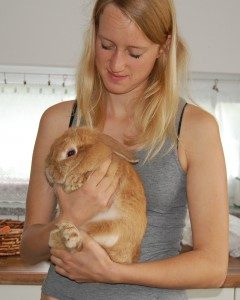
Important! In the case of a blockage or when the stomach is massively overloaded, forced feeding and/or large amounts of medication (e.g., Lactulose) can lead to a rupture of the very thin stomach wall (gastric rupture)! Additionally, the stomach is further overloaded by the feeding paste, which presses against the diaphragm, restricting the respiratory function of the very small rib cage. This can potentially lead to circulatory problems, even resulting in death! If a blockage is ruled out and the digestive symptoms persist, but the stomach is not overloaded, thin liquids can be used for feeding.
Instead, stomach contents can be drained through a tube to stabilize circulation in an acute case. However, this must be carefully considered, as the tube can also cause a tear in the stomach wall.
✂️ Surgery? If, despite all efforts, the medication treatment does not help, the veterinarian, in consultation with the owner, will opt for a surgical procedure. However, conservative treatment should be preferred, as surgery carries significant risks, and the prognosis with conservative treatment and timely, intensive care is usually quite good. If the blockage is located further back in larger sections of the intestines, it may be possible to massage the food-hair-stool mixture out after opening the abdominal cavity, without cutting into the intestines. Almost always, after opening the abdominal cavity, the hairball can be manually pushed or massaged into the large intestine. Alternatively, the hairball can be massaged back into the stomach and then crushed through kneading. In some cases, gas can also be released using a syringe. If the stomach or intestines need to be cut open, the prognosis is worse, but it is still advisable as a last resort. If a foreign body is firmly lodged, it may quickly lead to the death of the intestinal wall at that point.
Diet & Care for Sick Rabbits
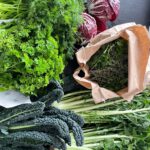
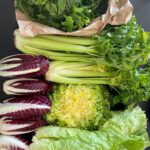
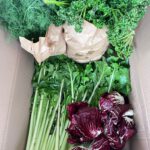
During illness, it is best to offer the rabbit a variety of fresh aromatic and wild herbs, as well as alfalfa, clover, cabbage, and meadow herbs. However, the main priority is that the rabbit eats; what it eats is secondary.
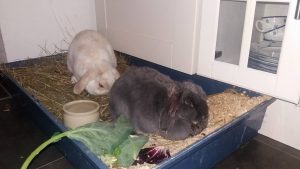
Cause – This needs to be investigated!
Food refusal in rabbits has many possible causes. The cause should be identified, as it can prevent further issues. Additionally, often there are underlying illnesses causing significant suffering that need to be treated promptly.
It could involve any condition that causes pain, such as uterine diseases, ear infections, or diaphragmatic hernias.
Nausea from kidney failure, kidney stones, or gastritis is also a common reason.
Often, well-meaning but incorrect feeding is the underlying cause. Too many carbohydrates (fruit, seeds, tuber vegetables, dry food), poorly structured and energy-dense foods (such as dry food or pellets), and dental diseases (often caused by poor food choices) are major contributors.
Stress can also lead to gastric dilation. Stress activates the sympathetic nervous system, which inhibits stomach function.
Nutrition for Prevention
There are always rabbits that tend to have digestive issues due to previous improper feeding. Of course, the first step should be to change the diet. A diet with unlimited green forage (preferably from the wild) is the best choice for digestive problems, as it ensures a steady and regulated workload for the digestive tract. Any form of grains and commercial feed (dry food, pellets, mixed feed…) should be gradually discontinued. Grains and seeds as energy food can be reintroduced in limited quantities once digestion is stable again (no more than 1 teaspoon per day per animal, let seeds like flaxseeds or chia seeds swell before feeding them!). Commercial feeds of any kind are not recommended due to their digestive-damaging effects and questionable ingredients.
After the illness, a green-rich diet (as much meadow herbs and/or vegetable greens as they want), supplemented with vegetables and hay, is recommended. Fresh food intake is especially important to prevent constipation, as a dry diet inevitably leads to recurring constipation.
Also, highly diluted plant juices (pure fruit juice or carrot juice without added sugar) can be offered to increase fluid intake. Pure herbal teas are also suitable.
Soaked flaxseeds or psyllium husks (1 teaspoon (5g) soaked in 100ml water overnight, and then 1-3 teaspoons per animal mixed with grated carrot, the remainder can be frozen in ice cube trays and thawed in portions) or possibly Lactulose from Albrecht (softens stool by drawing water from the intestines) can support the relief of constipation. RodiCare Hairball has also proven effective.
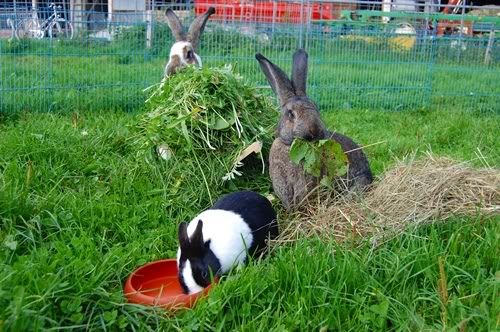
These types of feed are specifically effective against bloating and help regulate digestion.
- Kitchen Herbs: Dill, peppermint, lemon balm, basil, parsley, thyme, oregano, sage, chives, wormwood, lovage, lavender, nettle
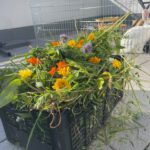
- Forest and Meadow Herbs: Bear’s foot, dandelion, oak bark and leaves, wild garlic, true chamomile, pussy willow and branches, yarrow, chicory
- Seeds: Dill seeds, fennel seeds, caraway, aniseed
- Vegetables: Fennel, ginger
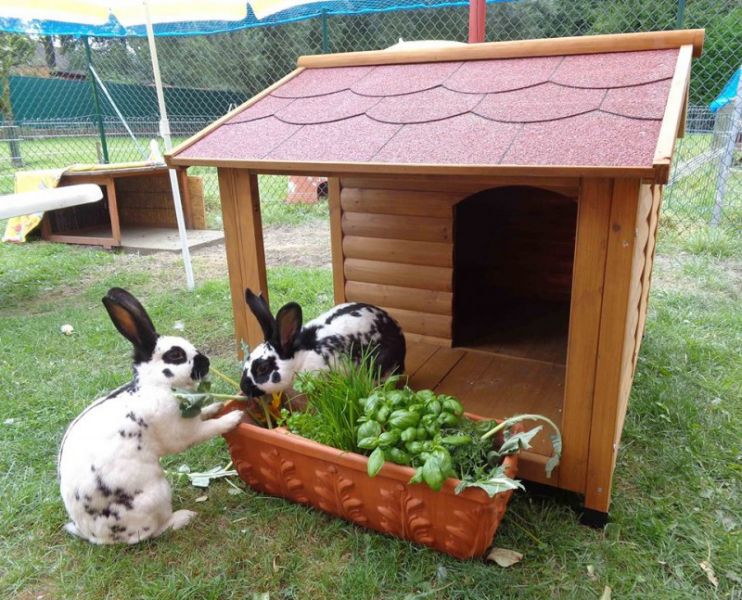
Diet During Shedding (Preventing Hairballs)
To prevent potentially life-threatening hairballs (hair clumps in the digestive tract), it’s important to actively remove loose fur, especially during shedding season. You can do this by regularly brushing the loose fur out or gently stroking the fur with your hands or dampened rubber gloves. A plucking brush works ideally for removing loose fur. You can also place brushes in confined spaces, tunnels, or narrow areas of the habitat so that less tame rabbits can brush themselves while passing through. However, I advise against excessive brushing, as experience shows this may lead to more fur being ingested. If there’s a lot of loose fur, it can be removed once, but daily brushing, for example, might worsen the problem.
A supporting diet can help prevent hairball formation. The ideal diet would include a large amount of meadow plants, herbs, and leaf vegetables available in unlimited amounts. Fresh greens should be offered freely, day and night. This is the best form of hairball prevention! Dry foods (including dried herbs, excessive hay, etc.) can contribute to hairball formation. RodiCare Hairball and Lactulose have proven effective. Psyllium husks, soaked and mixed with delicious vegetables (grated) or fruit (shredded), can also be offered. This is a cost-effective alternative to RodiCare Hairball.
And here’s something really important: Ensure your rabbits have plenty of space to move around, both day and night, as this helps solve hairball problems. In indoor and protected outdoor environments, extra vacuuming should be done during shedding seasons, as the wind, which helps remove fur, is absent. In extreme cases, it might help to trim indoor rabbits’ fur so that the ingested hairs are significantly shorter.
When dealing with hairballs, be sure to brush the affected rabbit and all other rabbits in the group carefully every day, so that no more fur is ingested, which could worsen the problem. In indoor settings, regular vacuuming has proven to be helpful.
By the way, poops chains are not a concern—in fact, the opposite is true. When poops chains appear, it means the fur is being excreted and not remaining in the intestines to form hairballs.
Lastly, be sure to offer your rabbits plenty of space to move, day and night, as this will help resolve hairball issues.
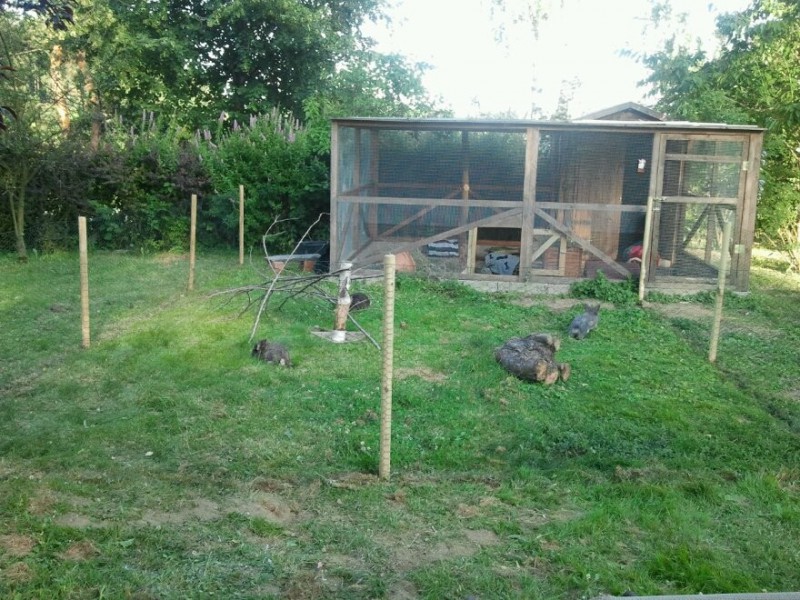
The following dietary and housing mistakes contribute to the formation of life-threatening hairballs:
- Hay as the main diet with fresh food portions.
- Hay as the main diet with dry food and fresh food (the dry food also absorbs all the water).
- Hay-based diet, dry food-based diet, and feeding methods with low fiber content: Too much concentrated food (seeds, grains, etc.), commercial dry food, etc. Dry food not only absorbs moisture but also has very little water content and minimal fiber.
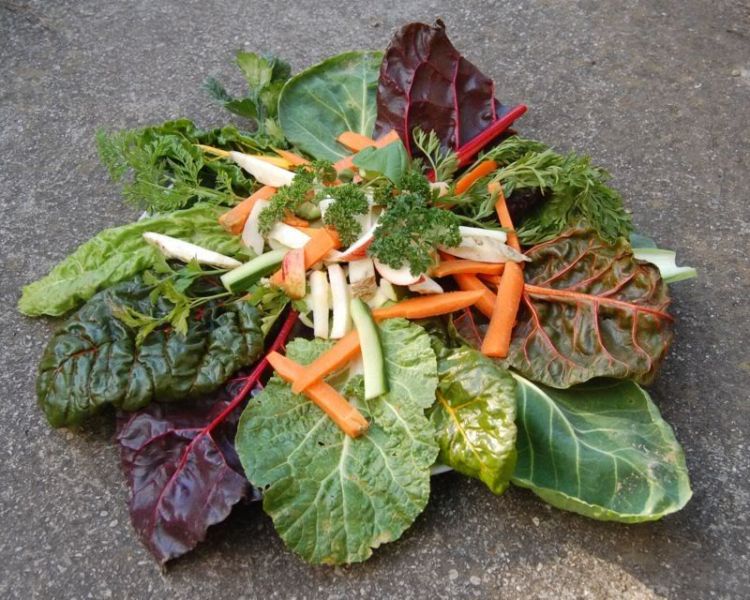
Malt Paste? Bezo-Pet Paste?
The composition of these pastes is mostly incorrect or not listed on the packaging. Usually, only the effect is described, which according to the packaging is based on three factors: plant oils and fats, fiber, and malt, which is supposed to aid digestion. Cat pastes are almost identical to rabbit pastes and are often used by many pet owners. However, these pastes are only high in fiber for cats. Any rabbit food (herbs, hay, twigs) contains significantly more fiber than these pastes! Rabbits consume far more fiber with a normal diet than cats do. What is considered high in fiber for cats can be classified as low in fiber for rabbits. Malt is made from grain sprouts that are dried and processed after a short germination period. Often, it is poorly digestible wheat. Additionally, there is a lot of additives that can harm rabbits. Even the effect of the plant oils is not present, as they are already absorbed in the small intestine. These pastes contain no active ingredients that could help with hairballs. Instead, they contain many harmful substances, and most of the ingredients are not listed.
A better alternative is RodiCare Hairball, which is based on swollen psyllium seeds.
Before-and-after photos
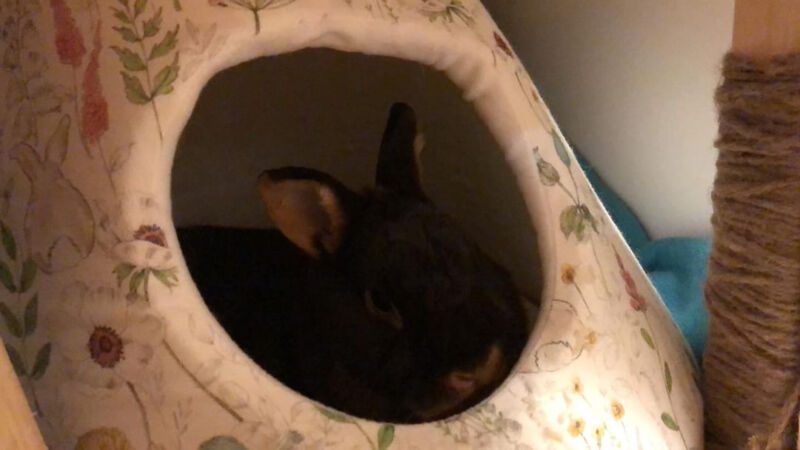
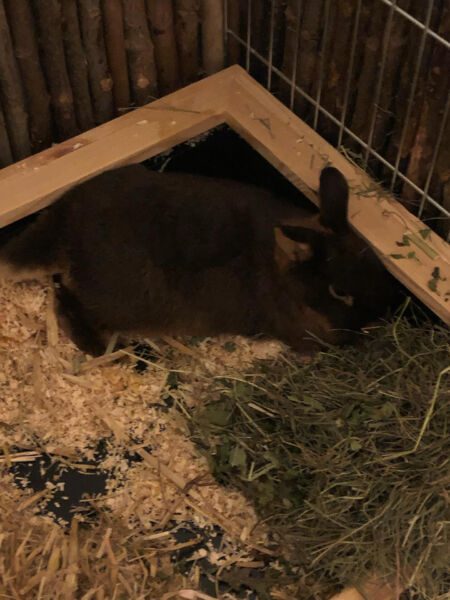
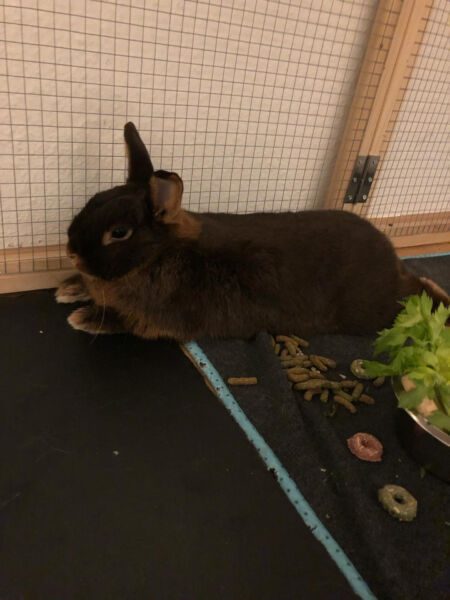
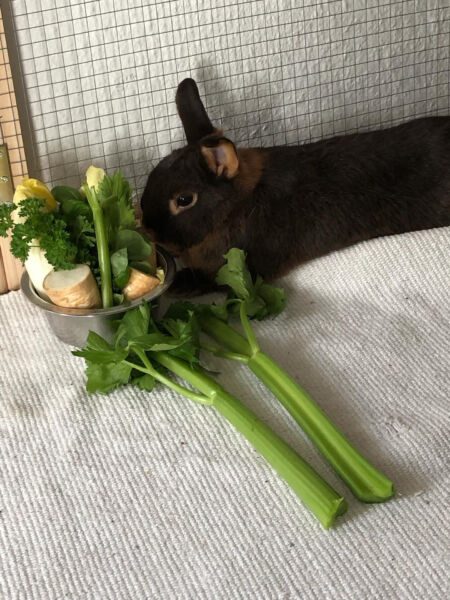
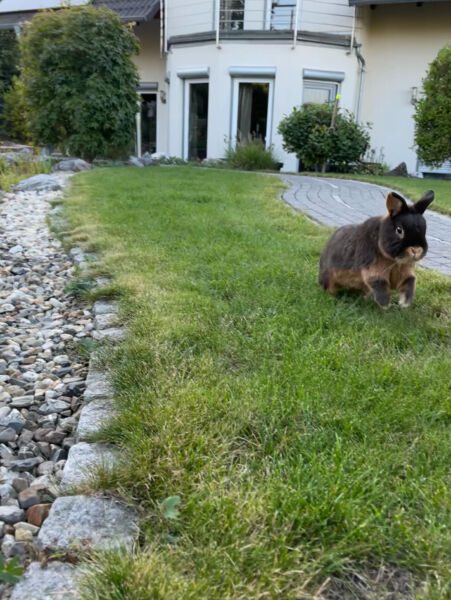
Yuki with stomach pain

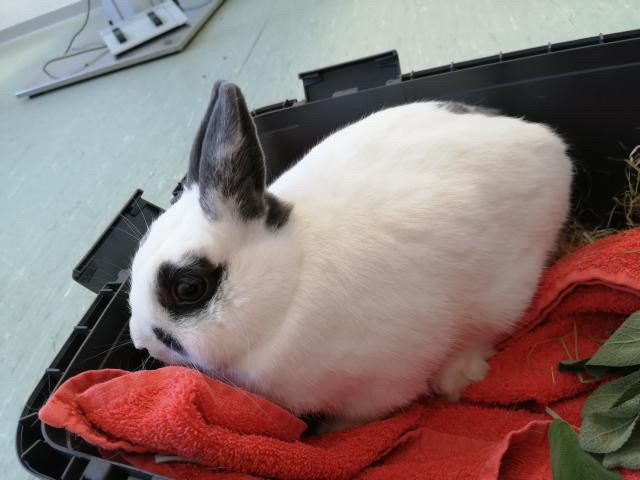
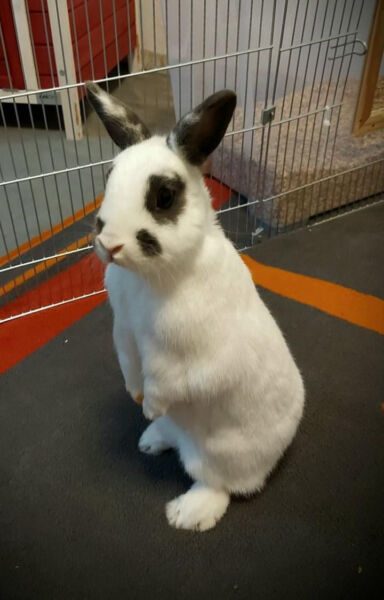
Elli with hairballs
Elli had a large clump of hair, and possibly some textiles (carpet, etc.), in her stomach. Unfortunately, it couldn’t be resolved with medication. Therefore, surgery was recommended: Through an abdominal incision, her stomach was opened and emptied. It took nearly two weeks before she was eating on her own again. To feed her, I had to put her in a pillowcase (a tip from the vet), as it was impossible to reach her mouth otherwise (she had her jaw tightly clenched). But all the sleepless nights were worth it! She’s doing great now.

Sources/For further reading, among others:
Böhmer, E. (2005): Röntgenologische Untersuchung bei Hasenartigen und Nagern (Schwerpunkt: Magen-Darm-Trakt, Harntrakt, Wirbelsäule). Tierärztliche Praxis Ausgabe K: Kleintiere/Heimtiere, 33(02), 115-125.
Böttcher, A. (2017): Untersuchungen zur Magendilatation bei Heimtierkaninchen (Oryctolagus cuniculus) (Doctoral dissertation, Freie Universität Berlin).
Cheeke, P. R., Cunha, T. J. (2012): Rabbit feeding and nutrition. Elsevier.
Davies, R. R., & Davies, J. A. R. (2003): Rabbit gastrointestinal physiology. Veterinary Clinics: Exotic Animal Practice, 6(1), 139-153.
Di Girolamo, N., Petrini, D., Szabo, Z., Volait-Rosset, L., Oglesbee, B. L., Nardini, G., … & Binanti, D. (2022): Clinical, surgical, and pathological findings in client-owned rabbits with histologically confirmed appendicitis: 19 cases (2015–2019). Journal of the American Veterinary Medical Association, 260(1), 82-93.
Drescher B. (2014): Magenüberladung beim Kaninchen. Kleintier konkret 2: 12–16
Eckert, Y. (2020): Stillstand: Der Ileus beim Kaninchen. kleintier konkret, 23(S 01), 2-10.
Feldman, E. R., Singh, B., Mishkin, N. G., Lachenauer, E. R., Martin-Flores, M., & Daugherity, E. K. (2021): Effects of Cisapride, Buprenorphine, and Their Combination on Gastrointestinal Transit in New Zealand White Rabbits. Journal of the American Association for Laboratory Animal Science.
Harcourt-Brown, F. M. (2007): Gastric dilation and intestinal obstruction in 76 rabbits, Veterinary Record 161, 409-414
Harcourt-Brown (2007): Gastric dilation and intestinal obstruction in 76 rabbits. Vet Rec 161 (12): 409–414
Harcourt-Brown TR. (2007): Management of acute gastric dilation in rabbits. J Exotic Pet Med. 16 (3): 168–174
Hein, J. (2009): Anorexie beim Kaninchen–diagnostische Aufarbeitung und erster therapeutischer Ansatz. Tierärztliche Praxis Ausgabe K: Kleintiere/Heimtiere, 37(02), 129-138.
Hein, J. (2016): Notfälle beim Kleinsäuger – erkennen und reagieren.
Hein, J. (2018). Röntgenbildinterpretation Magen-Darm-Trakt Kaninchen. kleintier konkret, 21(S 01), 12-20.
Huckins, G. L., Tournade, C., Patson, C., & Sladky, K. K. (2024): Lidocaine constant rate infusion improves the probability of survival in rabbits with gastrointestinal obstructions: 64 cases (2012–2021). Journal of the American Veterinary Medical Association, 262(1), 61-67.
Kreis ME, Jauch KW. (2006): Ileus aus chirurgischer Sicht. Differenzialdiagnose und therapeutische Konsequenzen. Chirurg. 77 (10): 883–888
Köstlinger, S. (2014): Notfälle beim Kaninchen. kleintier konkret, 17(S 02), 2-7.
Lichtenberger M, Lennox A. (2010): Updates and advanced therapies for gastrointestinal stasis in rabbits. Vet Clin North Am Exot Anim Pract. 13 (3): 525–541
Manning P.J. Ringler D.H. Newcomer C.E. (1994): The biology of the laboratory rabbit. Academic Press, San Diego: 63-71
Nickel, R., Schummer, A., & Seiferle, E. (2004): Lehrbuch der Anatomie der Haustiere—Band II Eingeweide. Parey, Stuttgart.
Müller, K. (2014): Magendilatation beim Kaninchen–Was ist zu tun? kleintier konkret, 17(02), 16-20.
Ozawa, S., Thomson, A., & Petritz, O. (2022): Safety and efficacy of oral mirtazapine in New Zealand White rabbits (Oryctolagus cuniculus). Journal of Exotic Pet Medicine, 40, 16-20.
Schnabl, E., Böhmer, E., & Matis, U. (2009): Diagnostik und Therapie des Magenbezoars beim Kaninchen: katamnestische Betrachtung von 39 Patienten. Tierärztliche Praxis Kleintiere, 37(2), 107-113.
Schnabl, E., Böhmer, E., & Matis, U. (2009): Diagnostik und Therapie des Magenbezoars beim Kaninchen: katamnestische Betrachtung von 39 Patienten. Tierärtzliche Praxis, 37, 107-113.
Schnellbacher, R. W., Divers, S. J., Comolli, J. R., Beaufrère, H., Maglaras, C. H., Andrade, N., … & Quandt, J. E. (2017): Effects of intravenous administration of lidocaine and buprenorphine on gastrointestinal tract motility and signs of pain in New Zealand White rabbits after ovariohysterectomy. American journal of veterinary research, 78(12), 1359-1371.
Varga M. (2014): Textbook of Rabbit Medicine. 2nd ed. London: Butterworth-Heinemann Elsevier