
Loading
  • Link to Instagram
How to rabbit
  • Home
  • Getting a Rabbit
    • Before You Get Rabbits
      • Rabbit Care for Beginners
      • Rabbit Care in 15 Minutes
      • How Much Do Rabbits Cost?
      • Lop Rabbits: Health & Welfare Concerns
      • Rabbit Lifespan: How Long Do Rabbits Live?
    • Choosing & Bringing Home Rabbits
      • Bringing a Rabbit Home
      • Sexing Rabbits: Male or Female?
      • Neutering Male Rabbits
      • Rabbits and Other Pets
      • Rabbit Adoption Contract
  • Housing
    • Outdoor Housing
      • Winter Care for Rabbits
      • Keeping Rabbits in the Garden
      • Building an Outdoor Rabbit Enclosure
      • Overwintering Rabbits
      • Outdoor Rabbit Run Ideas
    • Indoor Housing
      • Rabbit Litter Training Guide
      • Setting Up a Rabbit Room
      • Vitamin D for Indoor Rabbits
      • Keeping Rabbits Indoors
      • Indoor Rabbit Housing Ideas
      • Keeping Rabbits Cool in Summer
    • Balcony Housing
      • Keeping Rabbits on a Balcony
      • Rabbit-Friendly Balcony
  • Feeding
    • Foods for Rabbits
      • Grass & Meadow Plants
      • Pellets for Rabbits
      • Vegetables
      • Culinary herbs
      • Fruits for rabbits
      • Water & Drinking
    • Feeding Guidelines
      • Feeding Guidelines
      • Common Feeding Mistakes
      • Rabbit Feeding Myths
      • How to Feed a Baby Rabbit
    • Feeding tips
      • How to Transition a Rabbit to a New Diet Safely
      • Winter Diet for Rabbits
      • Nutrition for Young Rabbits
      • Diet Changes in Young Rabbits
    • Nutrition Basics
      • What can rabbits eat?
      • Types of Rabbit Diets
      • Is Hay the Main Food for Rabbits?
      • Tooth Wear & Dental Health
      • Crude Fiber & Carbohydrates
      • Secondary Plant Compounds
      • Food selection
      • Between Scarcity and Abundance
      • Rabbit Digestion
      • Wild Rabbit Nutrition
    • Foraging & Plant Identification
      • Foraging Meadows for Beginners
      • Identifying Coniferous Trees
      • Highly toxic plants
    • Food & Plant Lists
      • Safe Branches for Rabbits
      • Best Vegetables for Rabbits
      • Wild Grasses for Rabbits
      • Aromatic Herbs for Rabbits
      • Foraging & Plant Identification
      • Garden plant list
      • Fruit list
  • Companionship & Bonding
    • Rabbit Bonding
    • After a Rabbit Dies: Should the Other Rabbit Live Alone?
    • Can Rabbits Live Alone?
    • Choosing the Right Rabbit Companion
    • Rabbit Bonding Methods
    • Common Bonding Mistakes
    • Bonding of Young Rabbits
    • Keeping Rabbits in Large Groups
    • Hierarchy Fights & Bullying
    • Bonding Disabled or Ill Rabbits
    • Rabbit Socialization
  • Behavior
    • Handling Rabbits
    • Common Behaviors & Problems
      • Rabbits that don’t get along
      • Handling traumatized rabbits
      • Nibbling & Chewing
      • Digging
      • Humping
      • Kicking, Scratching & Wriggling
      • Biting & Aggressive Behavior
    • Body Language & Senses
      • Rabbit Senses
  • Health
    • General Health
      • Is My Rabbit Sick?
      • Recognizing Pain in Rabbits
      • Sudden Death in Rabbits: Possible Causes
      • Rabbit Health Myths
    • Digestive Disorders
      • Gastric Dilatation in Rabbits
      • Coccidia in rabbits
      • Bloating in Rabbits
      • Hairballs & Constipation
      • Rabbit Diarrhea & Mushy Poop
      • Stomach Overload
      • Yeast in Rabbits
      • Worms in Rabbits
      • Underweight & Overweight Rabbits
      • Megacolon Syndrome
      • Bacterial Enteritis
      • Appendicitis in Rabbits
    • Skin, Fur & Parasites
      • Molting
      • Flystrike in Rabbits (Myiasis)
      • Mites, Ticks, Fleas & Other Parasites
      • Ear Mites
      • Skin Fungus
      • Wounds & Bite Wounds
      • Abscesses
      • When Rabbits Lick Themselves Raw
      • Sore Hocks in Rabbits
      • Injection Necrosis
      • Tumors & Cancer in Rabbits
      • Skin Inflammation
    • Infectious Diseases
      • Rabbit Snuffles
      • E. cuniculi in Rabbits
      • Rabbit Hemorrhagic Disease (RHD)
      • Myxomatosis
      • Ear Infection
      • Rabbit Syphilis
      • Tularemia (Rabbit Fever)
      • Tetanus
      • Toxoplasmosis
      • Listeriosis
      • Rodentiosis
      • Herpesviruses in rabbits
    • Internal & Organ Diseases
      • Liver Diseases
        • Liver Lobe Torsion
      • Cystitis
      • Bladder Sludge & Bladder Stones
      • Kidney Failure
      • Sex & Neutering
      • Uterine Diseases
      • Heart Diseases
      • Thyroid Diseases
      • Heatstroke in Rabbits
      • Stroke in rabbits
      • Schock
      • Hormonal Disorders
    • Other Health Conditions
      • Floppy Rabbit Syndrome
      • Dental Diseases
        • Jaw Abscesses
        • Nutrition for Dental Disease
      • Eye Diseases in Rabbits
        • Watery Eyes
      • Joint Diseases
      • Bone Fractures & Accidents
      • Cramps & Seizures
      • TThymoma, Lymphoma & Other Tumors
      • Poisoning in Rabbits
      • Mold & Mycotoxins
  • Care
    • Rabbit Poop & Urine: What It Means
    • Housing for Disabled & Elderly Rabbits
    • Wheelchairs & Mobility Support for Rabbits
    • Rabbit Health Check
    • Dirty Bottom in Rabbits
    • Why Does My Rabbit Pee & Poop Everywhere?
    • Saying Goodbye to a Rabbit
  • Offspring
    • Breeding that causes animal suffering
  • Service
    • News
    • About Us
    • Legal Disclosure
    • Privacy Policy
  • Click to open the search input field Click to open the search input field Search
  • Menu Menu

Rabbit Keeping

R

The keeping of rabbits isn’t as easy as often shown or claimed. That’s why it is – for you as rabbit owner – most important to get informed to give them the life they deserve.

Contents

  • Rabbits need a lot of space
  • Small hutches or cages are inappropriate
  • Minimum dimensions for rabbit habitats
  • Rabbits are alternately active
  • Please also don’t lock them up at night
  • Never alone / Rabbits need friends
  • Isolated keeping is not animal friendly
  • Living at the balcony, in the garden or in the flat? Everything is possible!
  • Appropriate outside housing
  • Inside housing
  • Balcony housing

Rabbits need a lot of space

Small hutches or cages are inappropriate

Rabbits have an immense need for movement, comparable to a cat. Customary hutches or cages aren’t adequate to meet your rabbits needs. Rabbits can jump over a meter high, turn around while jumping, sprint about 37 mph fast and turn around at lightning speed. That’s why they need a balcony, a garden or a space in your flat that is several square meters in size (optimally 65 ft² (US) or 10 sqare thou for two rabbits) instead of a small hutch or cage.
This is also the only way you can witness the full range of their behavioural repertoire – binkies (happy jumps), fitness runs, cuddling with friends, stretching out legs – and trust me it’s worth it.

Minimum dimensions for rabbit habitats

Rabbits are alternately active

Please also don’t lock them up at night

Rabbits need a lot of space – also at night. That is because they dont sleep the whole night through. Especially in the late evening hours and the early morning hours they are extremely active. If you lock them up in a small cage where they can’t properly move, least of all run and jump they will desperately nibble at the fence, make annoying noises, scratch the ground and of course be bored and unhappy. Thats why you should plan a fitting habitat for your bunnys from the very beginning.

Never alone / Rabbits need friends

Isolated keeping is not animal friendly

Rabbits are highly social animals. More than 50% of their behaviour are social behaviour patterns, that aren’t possible with other species or alone. Thats why you should never keep your rabbit alone and always give them at least one rabbit friend to interact with.

Which rabbits can live together?
How do I socialize rabbits?
Are there rabbits that doesnt like each other and if yes, what to do?
Most popular mistakes while socializing rabbits
Why is isolated keeping for rabbits animal cruelty?

Living at the balcony, in the garden or in the flat? Everything is possible!

Appropriate outside housing

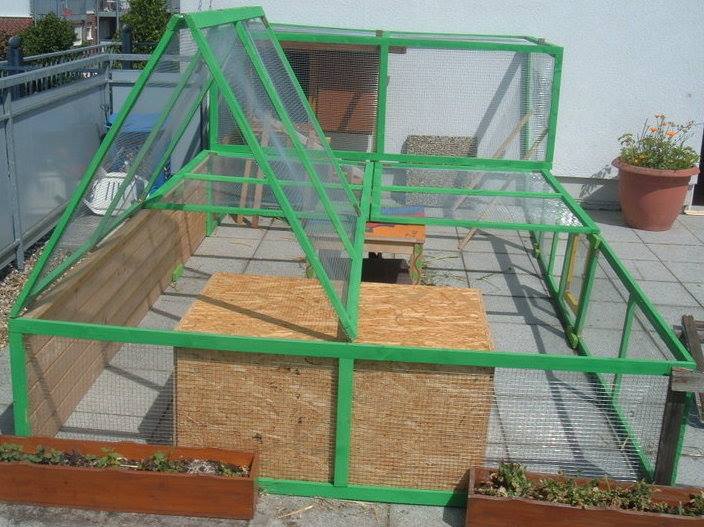
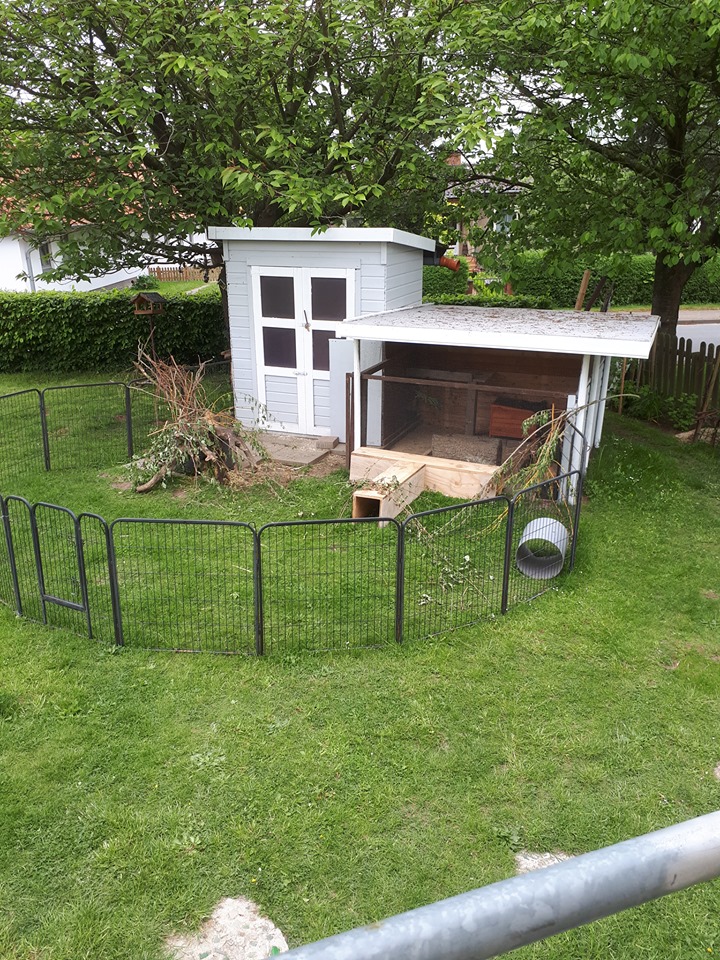
When you have a garden and enough space in it you should choose the outside housing. A big, diversified habitat for at night and a grassland to jump around over the day make the rabbits and its owner happy. Their behaviour can be watched beautifully and the rabbits will be healthy and active.

Outside housing – things you have to know
Build your own outside housing – tipps and tricks
Marten safety – which materials protect from wild animals
Dig protection – things to prevent your rabbit from escaping
Buy your own outside housing
Runout places in the garden
Outside housing example pictures

Inside housing

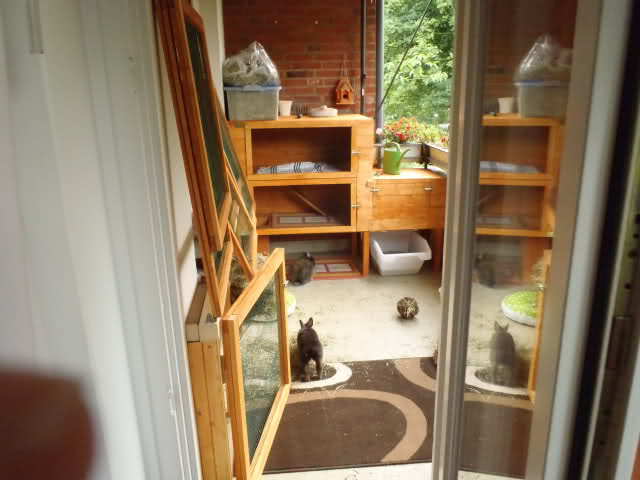
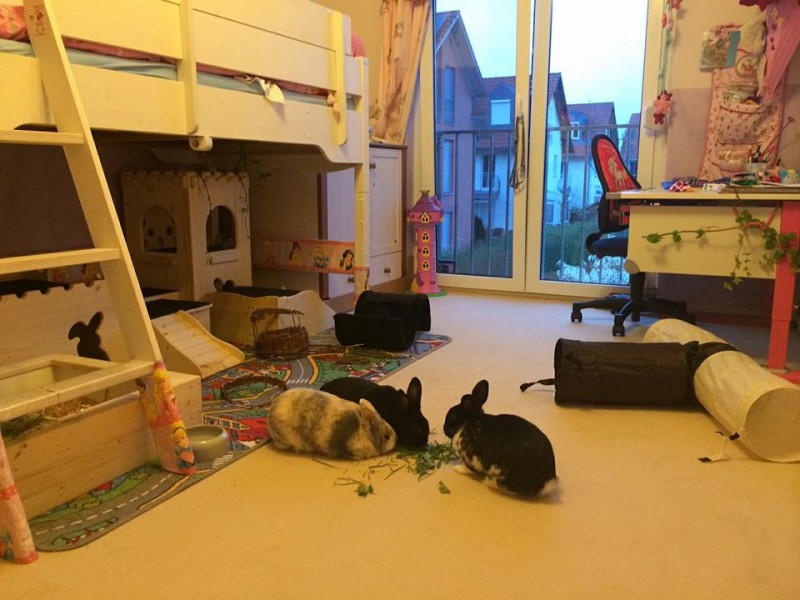
If you do not have a garden or a rabbit that is sick you may have to choose inside housing. But also inside you can give your bunnys the place they need without a small cage. There is the possibility to let them run around in the flat freely and to train your rabbits to go to the toilet or you give them a separated own room or habitat.

How to house train your rabbit
Inside housing example pictures
Protect your flat (dangerous things for rabbits, wires etc.)
Rabbits and the tenancy law
Build your own inside housing

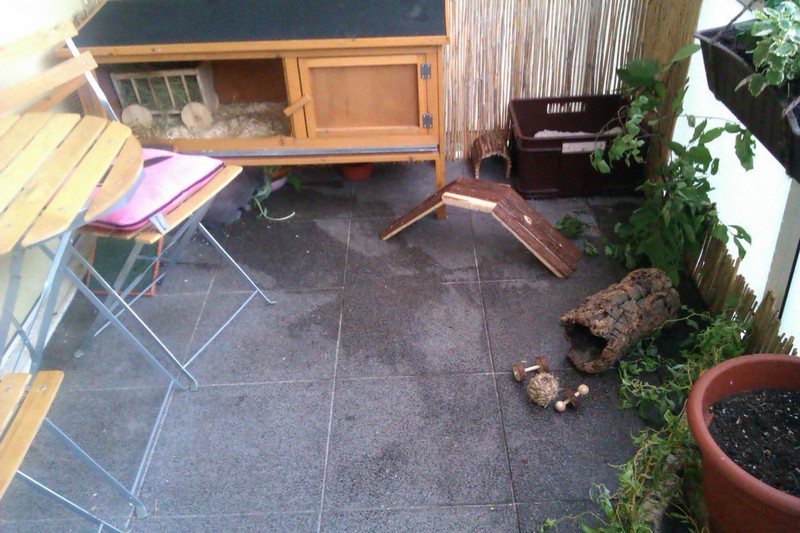
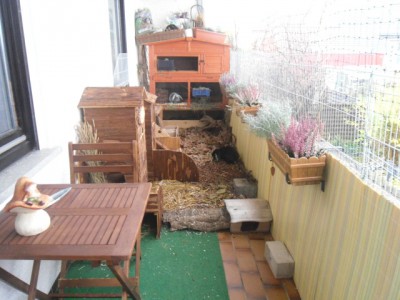
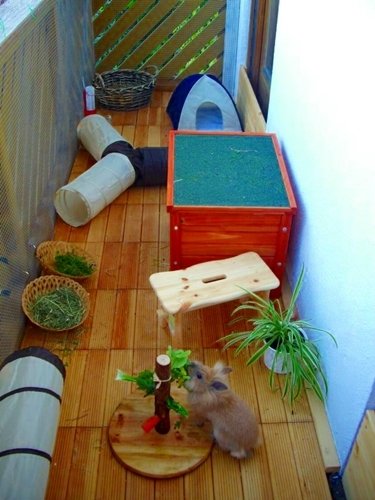
Balcony housing
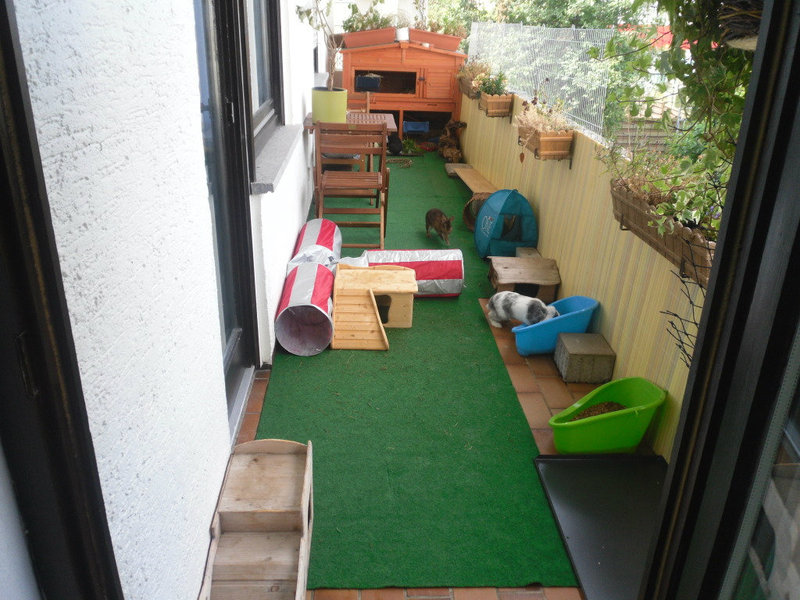
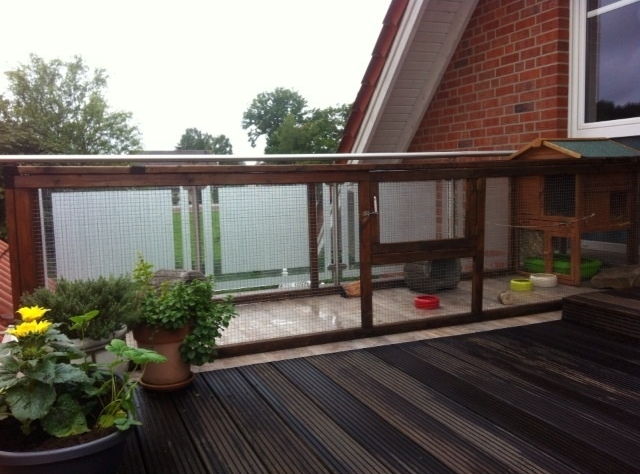
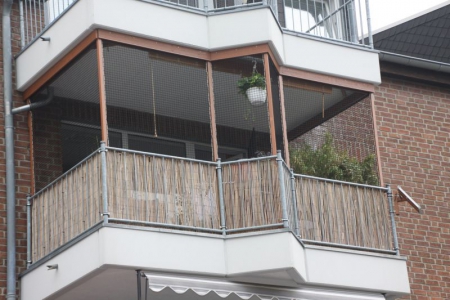
Alternatively to the inside housing you can also provide a habitat for your bunny on a balcony. There they have the chance to observe and feel more of the nature outside and you spare your flat. But attention, you also have to secure the balcony from every side or at least the rabbit habitat.

Balcony housing
Balcony housing example pictures

Get informed: www.how-to-rabbit.com.

(sb)

Cages are out and uncomfortable – also in the flat a rabbit home can be created.

Who Is Behind How to rabbit?

Veterinarian Viola Schillinger
Who Is Behind How to Rabbit? Viola Schillinger is a veterinarian who has kept rabbits since childhood and has dedicated much of her professional life to improving their health, welfare, and living conditions. Decades of rabbit keeping, intensive observation, and professional study have given her extensive experience in rabbit health, nutrition, behavior, and species-appropriate husbandry. She shares her knowledge through television appearances, webinars, podcasts, radio programs, articles, and books. In 2008, Viola founded Kaninchenwiese.de, which has grown into a leading German-language resource for rabbit care and health, reaching around 500,000 visitors per month. How to Rabbit brings this knowledge to an international English-speaking audience. The English content is translated and adapted by Erika Kühne Escobar and medically reviewed by Viola Schillinger.

Rabbits need space…


How to rabbit…

…is a guide for the appropriate keeping, nutrition and care of rabbits.

Search

Search Search

Never alone


Last Changes

  • Neutering Male Rabbits 2. October 2026
  • Cookie Policy (EU) 7. September 2026
  • Care 26. August 2026
  • Fruit list 27. September 2026
  • Highly toxic plants 30. July 2026
© Copyright - How to rabbit 2024 - Enfold Theme by Kriesi
  • Link to Instagram
Scroll to top Scroll to top Scroll to top