
Loading
  • Link to Instagram
How to rabbit
  • Home
  • Getting a Rabbit
    • Before You Get Rabbits
      • Rabbit Care for Beginners
      • Rabbit Care in 15 Minutes
      • How Much Do Rabbits Cost?
      • Lop Rabbits: Health & Welfare Concerns
      • Rabbit Lifespan: How Long Do Rabbits Live?
    • Choosing & Bringing Home Rabbits
      • Bringing a Rabbit Home
      • Sexing Rabbits: Male or Female?
      • Neutering Male Rabbits
      • Rabbits and Other Pets
      • Rabbit Adoption Contract
  • Housing
    • Outdoor Housing
      • Winter Care for Rabbits
      • Keeping Rabbits in the Garden
      • Building an Outdoor Rabbit Enclosure
      • Overwintering Rabbits
      • Outdoor Rabbit Run Ideas
    • Indoor Housing
      • Rabbit Litter Training Guide
      • Setting Up a Rabbit Room
      • Vitamin D for Indoor Rabbits
      • Keeping Rabbits Indoors
      • Indoor Rabbit Housing Ideas
      • Keeping Rabbits Cool in Summer
    • Balcony Housing
      • Keeping Rabbits on a Balcony
      • Rabbit-Friendly Balcony
  • Feeding
    • Foods for Rabbits
      • Grass & Meadow Plants
      • Pellets for Rabbits
      • Vegetables
      • Culinary herbs
      • Fruits for rabbits
      • Water & Drinking
    • Feeding Guidelines
      • Feeding Guidelines
      • Common Feeding Mistakes
      • Rabbit Feeding Myths
      • How to Feed a Baby Rabbit
    • Feeding tips
      • How to Transition a Rabbit to a New Diet Safely
      • Winter Diet for Rabbits
      • Nutrition for Young Rabbits
      • Diet Changes in Young Rabbits
    • Nutrition Basics
      • What can rabbits eat?
      • Types of Rabbit Diets
      • Is Hay the Main Food for Rabbits?
      • Tooth Wear & Dental Health
      • Crude Fiber & Carbohydrates
      • Secondary Plant Compounds
      • Food selection
      • Between Scarcity and Abundance
      • Rabbit Digestion
      • Wild Rabbit Nutrition
    • Foraging & Plant Identification
      • Foraging Meadows for Beginners
      • Identifying Coniferous Trees
      • Highly toxic plants
    • Food & Plant Lists
      • Safe Branches for Rabbits
      • Best Vegetables for Rabbits
      • Wild Grasses for Rabbits
      • Aromatic Herbs for Rabbits
      • Foraging & Plant Identification
      • Garden plant list
      • Fruit list
  • Companionship & Bonding
    • Rabbit Bonding
    • After a Rabbit Dies: Should the Other Rabbit Live Alone?
    • Can Rabbits Live Alone?
    • Choosing the Right Rabbit Companion
    • Rabbit Bonding Methods
    • Common Bonding Mistakes
    • Bonding of Young Rabbits
    • Keeping Rabbits in Large Groups
    • Hierarchy Fights & Bullying
    • Bonding Disabled or Ill Rabbits
    • Rabbit Socialization
  • Behavior
    • Handling Rabbits
    • Common Behaviors & Problems
      • Rabbits that don’t get along
      • Handling traumatized rabbits
      • Nibbling & Chewing
      • Digging
      • Humping
      • Kicking, Scratching & Wriggling
      • Biting & Aggressive Behavior
    • Body Language & Senses
      • Rabbit Senses
  • Health
    • General Health
      • Is My Rabbit Sick?
      • Recognizing Pain in Rabbits
      • Sudden Death in Rabbits: Possible Causes
      • Rabbit Health Myths
    • Digestive Disorders
      • Gastric Dilatation in Rabbits
      • Bloating in Rabbits
      • Hairballs & Constipation
      • Rabbit Diarrhea & Mushy Poop
      • Stomach Overload
      • Coccidia in Rabbits
      • Yeast in Rabbits
      • Worms in Rabbits
      • Underweight & Overweight Rabbits
      • Megacolon Syndrome
      • Bacterial Enteritis
      • Appendicitis in Rabbits
    • Skin, Fur & Parasites
      • Molting
      • Flystrike in Rabbits (Myiasis)
      • Mites, Ticks, Fleas & Other Parasites
      • Ear Mites
      • Skin Fungus
      • Wounds & Bite Wounds
      • Abscesses
      • When Rabbits Lick Themselves Raw
      • Sore Hocks in Rabbits
      • Injection Necrosis
      • Tumors & Cancer in Rabbits
      • Skin Inflammation
    • Infectious Diseases
      • Rabbit Snuffles
      • E. cuniculi in Rabbits
      • Rabbit Hemorrhagic Disease (RHD)
      • Myxomatosis
      • Ear Infection
      • Rabbit Syphilis
      • Tularemia (Rabbit Fever)
      • Tetanus
      • Toxoplasmosis
      • Listeriosis
      • Rodentiosis
      • Herpesviruses in rabbits
    • Internal & Organ Diseases
      • Liver Diseases
        • Liver Lobe Torsion
      • Cystitis
      • Bladder Sludge & Bladder Stones
      • Kidney Failure
      • Sex & Neutering
      • Uterine Diseases
      • Heart Diseases
      • Thyroid Diseases
      • Heatstroke in Rabbits
      • Stroke in rabbits
      • Schock
      • Hormonal Disorders
    • Other Health Conditions
      • Floppy Rabbit Syndrome
      • Dental Diseases
        • Jaw Abscesses
        • Nutrition for Dental Disease
      • Eye Diseases in Rabbits
        • Watery Eyes
      • Joint Diseases
      • Bone Fractures & Accidents
      • Cramps & Seizures
      • TThymoma, Lymphoma & Other Tumors
      • Poisoning in Rabbits
      • Mold & Mycotoxins
  • Care
    • Rabbit Poop & Urine: What It Means
    • Housing for Disabled & Elderly Rabbits
    • Wheelchairs & Mobility Support for Rabbits
    • Rabbit Health Check
    • Dirty Bottom in Rabbits
    • Why Does My Rabbit Pee & Poop Everywhere?
    • Saying Goodbye to a Rabbit
  • Offspring
    • Breeding that causes animal suffering
  • Service
    • News
    • About Us
    • Legal Disclosure
    • Privacy Policy
  • Click to open the search input field Click to open the search input field Search
  • Menu Menu

Rodentiosis

Contents

  • Rodentiosis / Pseudotuberculosis / Nagerpest / Nager-Tuberkulose
  • Causes and Transmission
  • Can Other Animals or Humans Become Infected?
  • Incubation Period
  • Environmental Stability
  • Symptoms
  • Diagnosis
  • Treatment

Rodentiosis / Pseudotuberculosis / Nagerpest / Nager-Tuberkulose

The disease you’re referring to is caused by Yersinia pseudotuberculosis. It is important to avoid using the term “Pseudotuberculosis” because it can be confused with pseudotuberculosis in sheep and goats (Corynebacterium pseudotuberculosis), which is a different disease. The term “Nager-Tuberkulose” (rodent tuberculosis) is also not ideal, as the causative agent is not a mycobacterium.
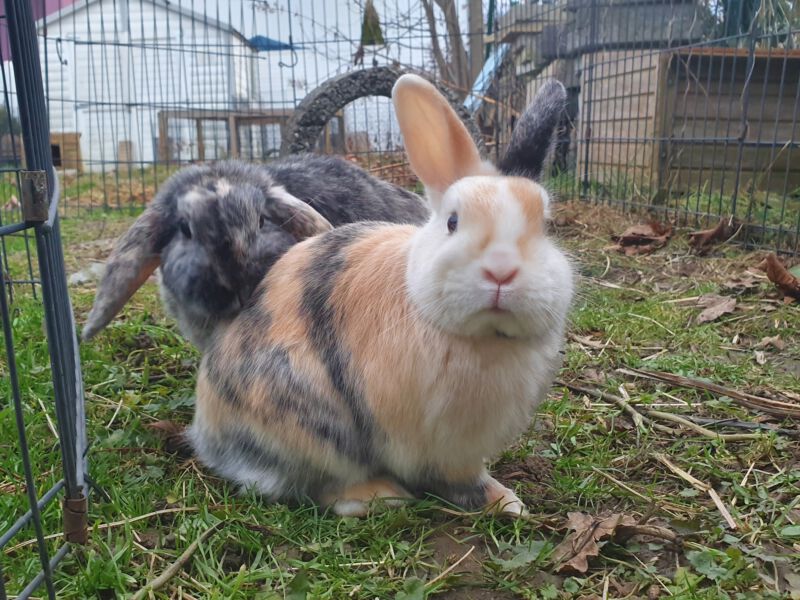
Cute young rabbits in outdoor enclosure, showcasing proper rabbit care and habitat.

Causes and Transmission

  • The most common way rabbits become infected with Yersinia pseudotuberculosis is by ingesting contaminated food, such as vegetables, hay, or grass that has come into contact with infected feces. Water that has been contaminated by the pathogen (e.g., through wild birds at a birdbath that the rabbits have access to) is another possible source of infection.
  • Moist habitats can serve as a reservoir for the bacteria, where the rabbits can become infected when they come into contact with contaminated areas. Even seemingly healthy rabbits purchased from other sources can carry the bacteria and introduce it into the environment.
  • Once the pathogen is introduced, rabbits can transmit the infection to each other.
  • An immunocompromised state, such as that caused by stress, intestinal parasites, another illness, or poor nutrition, increases the likelihood of an outbreak if the rabbits have already been exposed to the bacteria.

Can Other Animals or Humans Become Infected?

Yes, the pathogen Yersinia pseudotuberculosis is transmissible to other animal species and can also affect humans, making it a zoonotic disease. In addition to rabbits, animals such as rodents, lagomorphs, hares, dogs, wild birds, and wild mammals (e.g., foxes, deer) can exhibit symptoms of the disease. The transmission occurs primarily through feces from infected animals.

Incubation Period

The incubation period for Yersinia pseudotuberculosis is typically five to ten days.

Environmental Stability

The bacterium is relatively resistant to environmental conditions and can proliferate in water or moist environments at temperatures around 18-20°C. It can also remain infectious in the soil for several months. This is why the pathogen can persist in biotopes or moist areas for years, continuing to pose a risk.

However, Y. pseudotuberculosis is sensitive to high temperatures and dry conditions, which can reduce its viability in those environments.

Symptoms

Rabbits can carry the pathogen Yersinia pseudotuberculosis without developing clinical symptoms. The disease typically only manifests when the rabbit’s immune system is weakened, making it a disease of factors (i.e., dependent on various factors such as stress or other illnesses).

When the pathogen Y. pseudotuberculosis proliferates, it leads to damage to the intestinal lining, with the formation of inflammatory foci. The bacteria also spread to the lymphatic system, resulting in swollen mesenteric lymph nodes and an enlarged spleen. In some cases, the lymph nodes may develop abscesses. This characteristic swelling is why the disease is also called “Pseudotuberculosis”.
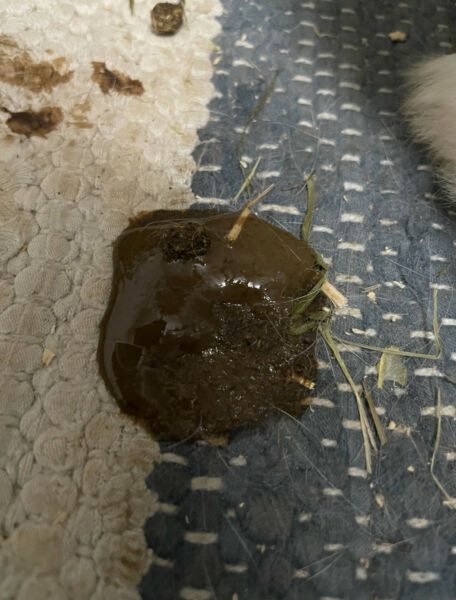
Diarrhea Caused by Acute Stress in Rabbits

Rabbits may suddenly die from bacteremia (bacterial infection in the blood). However, under good housing conditions, chronic cases are more common, and the disease can manifest with a variety of symptoms, which may recur frequently, such as:

  • Mild, recurrent disturbances in general condition, with otherwise healthy, normal-weight rabbits
  • Recurrent disturbances in general condition, with weight loss and weakness
  • Diarrhea
  • Pneumonia (respiratory distress)
  • Paralysis in severe cases

Diagnosis

The disease is so nonspecific that it is often only diagnosed post-mortem during pathology after the rabbit has died.

Diagnosing the disease in a living rabbit can be challenging, but samples (such as feces or tissue) can be examined for the presence of the pathogen.

Treatment

The bacterium can be treated with chloramphenicol, which is generally well-tolerated by rabbits. It’s important to treat all household animals, including partner animals or others that may have been exposed. However, treatment is not always successful, particularly because the diagnosis is often made only at an advanced stage of the disease or as a suspected diagnosis.

In case of suspected rodentiosis, strict hygiene should be maintained, and protection for humans should be prioritized to prevent zoonotic transmission.

Sources include:

EFSA (2007): Scientific Opinion of the Panel on BIOHAZ on a request from EFSA on monitoring and identification of human enteropathogenic Yersinia spp. The EFSA Journal

Ewringmann, A.: Leitsymptome bei Kaninchen: Diagnostischer Leitfaden und Therapie. Georg Thieme Verlag.

Hein, J. (2017): Durchfallerkrankungen bei Kleinsäugern: Ursache, Diagnostik, Therapie. schlütersche.

Grothmann, P. (2007): Zur Prävalenz fakultativ pathogener Bakterien in deutschen Zoos mittels Yersinia-und Burkholderia-selektierender Nährmedien (Doctoral dissertation, Stiftung Tierärztliche Hochschule Hannover).

Niedersächsisches Landesamt für Verbraucherschutz und Lebensmittelsicherheit:
Yersiniose (Pseudotuberkulose). [https://www.laves.niedersachsen.de/startseite/tiere/tiergesundheit/tierseuchen_tierkrankheiten/yersiniose-pseudotuberkulose-132663.html; Stand: 2.3.22]


Who Is Behind How to rabbit?

Veterinarian Viola Schillinger
Who Is Behind How to Rabbit? Viola Schillinger is a veterinarian who has kept rabbits since childhood and has dedicated much of her professional life to improving their health, welfare, and living conditions. Decades of rabbit keeping, intensive observation, and professional study have given her extensive experience in rabbit health, nutrition, behavior, and species-appropriate husbandry. She shares her knowledge through television appearances, webinars, podcasts, radio programs, articles, and books. In 2008, Viola founded Kaninchenwiese.de, which has grown into a leading German-language resource for rabbit care and health, reaching around 500,000 visitors per month. How to Rabbit brings this knowledge to an international English-speaking audience. The English content is translated and adapted by Erika Kühne Escobar and medically reviewed by Viola Schillinger.

Rabbits need space…


How to rabbit…

…is a guide for the appropriate keeping, nutrition and care of rabbits.

Search

Search Search

Never alone


Last Changes

  • Neutering Male Rabbits 2. October 2026
  • Cookie Policy (EU) 7. September 2026
  • Care 26. August 2026
  • Fruit list 27. September 2026
  • Highly toxic plants 30. July 2026
© Copyright - How to rabbit 2024 - Enfold Theme by Kriesi
  • Link to Instagram
Scroll to top Scroll to top Scroll to top