
Loading
  • Link to Instagram
How to rabbit
  • Home
  • Getting a Rabbit
    • Before You Get Rabbits
      • Rabbit Care for Beginners
      • Rabbit Care in 15 Minutes
      • How Much Do Rabbits Cost?
      • Lop Rabbits: Health & Welfare Concerns
      • Rabbit Lifespan: How Long Do Rabbits Live?
    • Choosing & Bringing Home Rabbits
      • Bringing a Rabbit Home
      • Sexing Rabbits: Male or Female?
      • Neutering Male Rabbits
      • Rabbits and Other Pets
      • Rabbit Adoption Contract
  • Housing
    • Outdoor Housing
      • Winter Care for Rabbits
      • Keeping Rabbits in the Garden
      • Building an Outdoor Rabbit Enclosure
      • Overwintering Rabbits
      • Outdoor Rabbit Run Ideas
    • Indoor Housing
      • Rabbit Litter Training Guide
      • Setting Up a Rabbit Room
      • Vitamin D for Indoor Rabbits
      • Keeping Rabbits Indoors
      • Indoor Rabbit Housing Ideas
      • Keeping Rabbits Cool in Summer
    • Balcony Housing
      • Keeping Rabbits on a Balcony
      • Rabbit-Friendly Balcony
  • Feeding
    • Foods for Rabbits
      • Grass & Meadow Plants
      • Pellets for Rabbits
      • Vegetables
      • Culinary herbs
      • Fruits for rabbits
      • Water & Drinking
    • Feeding Guidelines
      • Feeding Guidelines
      • Common Feeding Mistakes
      • Rabbit Feeding Myths
      • How to Feed a Baby Rabbit
    • Feeding tips
      • How to Transition a Rabbit to a New Diet Safely
      • Winter Diet for Rabbits
      • Nutrition for Young Rabbits
      • Diet Changes in Young Rabbits
    • Nutrition Basics
      • What can rabbits eat?
      • Types of Rabbit Diets
      • Is Hay the Main Food for Rabbits?
      • Tooth Wear & Dental Health
      • Crude Fiber & Carbohydrates
      • Secondary Plant Compounds
      • Food selection
      • Between Scarcity and Abundance
      • Rabbit Digestion
      • Wild Rabbit Nutrition
    • Foraging & Plant Identification
      • Foraging Meadows for Beginners
      • Identifying Coniferous Trees
      • Highly toxic plants
    • Food & Plant Lists
      • Safe Branches for Rabbits
      • Best Vegetables for Rabbits
      • Wild Grasses for Rabbits
      • Aromatic Herbs for Rabbits
      • Foraging & Plant Identification
      • Garden plant list
      • Fruit list
  • Companionship & Bonding
    • Rabbit Bonding
    • After a Rabbit Dies: Should the Other Rabbit Live Alone?
    • Can Rabbits Live Alone?
    • Choosing the Right Rabbit Companion
    • Rabbit Bonding Methods
    • Common Bonding Mistakes
    • Bonding of Young Rabbits
    • Keeping Rabbits in Large Groups
    • Hierarchy Fights & Bullying
    • Bonding Disabled or Ill Rabbits
    • Rabbit Socialization
  • Behavior
    • Handling Rabbits
    • Common Behaviors & Problems
      • Rabbits that don’t get along
      • Handling traumatized rabbits
      • Nibbling & Chewing
      • Digging
      • Humping
      • Kicking, Scratching & Wriggling
      • Biting & Aggressive Behavior
    • Body Language & Senses
      • Rabbit Senses
  • Health
    • General Health
      • Is My Rabbit Sick?
      • Recognizing Pain in Rabbits
      • Sudden Death in Rabbits: Possible Causes
      • Rabbit Health Myths
    • Digestive Disorders
      • Gastric Dilatation in Rabbits
      • Bloating in Rabbits
      • Hairballs & Constipation
      • Rabbit Diarrhea & Mushy Poop
      • Stomach Overload
      • Coccidia in Rabbits
      • Yeast in Rabbits
      • Worms in Rabbits
      • Underweight & Overweight Rabbits
      • Megacolon Syndrome
      • Bacterial Enteritis
      • Appendicitis in Rabbits
    • Skin, Fur & Parasites
      • Molting
      • Flystrike in Rabbits (Myiasis)
      • Mites, Ticks, Fleas & Other Parasites
      • Ear Mites
      • Skin Fungus
      • Wounds & Bite Wounds
      • Abscesses
      • When Rabbits Lick Themselves Raw
      • Sore Hocks in Rabbits
      • Injection Necrosis
      • Tumors & Cancer in Rabbits
      • Skin Inflammation
    • Infectious Diseases
      • Rabbit Snuffles
      • E. cuniculi in Rabbits
      • Rabbit Hemorrhagic Disease (RHD)
      • Myxomatosis
      • Ear Infection
      • Rabbit Syphilis
      • Tularemia (Rabbit Fever)
      • Tetanus
      • Toxoplasmosis
      • Listeriosis
      • Rodentiosis
      • Herpesviruses in rabbits
    • Internal & Organ Diseases
      • Liver Diseases
        • Liver Lobe Torsion
      • Cystitis
      • Bladder Sludge & Bladder Stones
      • Kidney Failure
      • Sex & Neutering
      • Uterine Diseases
      • Heart Diseases
      • Thyroid Diseases
      • Heatstroke in Rabbits
      • Stroke in rabbits
      • Schock
      • Hormonal Disorders
    • Other Health Conditions
      • Floppy Rabbit Syndrome
      • Dental Diseases
        • Jaw Abscesses
        • Nutrition for Dental Disease
      • Eye Diseases in Rabbits
        • Watery Eyes
      • Joint Diseases
      • Bone Fractures & Accidents
      • Cramps & Seizures
      • TThymoma, Lymphoma & Other Tumors
      • Poisoning in Rabbits
      • Mold & Mycotoxins
  • Care
    • Rabbit Poop & Urine: What It Means
    • Housing for Disabled & Elderly Rabbits
    • Wheelchairs & Mobility Support for Rabbits
    • Rabbit Health Check
    • Dirty Bottom in Rabbits
    • Why Does My Rabbit Pee & Poop Everywhere?
    • Saying Goodbye to a Rabbit
  • Offspring
    • Breeding that causes animal suffering
  • Service
    • News
    • About Us
    • Legal Disclosure
    • Privacy Policy
  • Click to open the search input field Click to open the search input field Search
  • Menu Menu

Why Does My Rabbit Pee and Poop Everywhere? Litter & Marking Behavior

Contents

  • “My rabbit pees and poops everywhere!”
  • “Help, my rabbit pees on my bed/sofa“
  • “Why does my rabbit relieve itself in its bowl?”
  • “My rabbit eats (his) droppings!”
  • “My rabbit drinks/licks his urine”

“My rabbit pees and poops everywhere!”
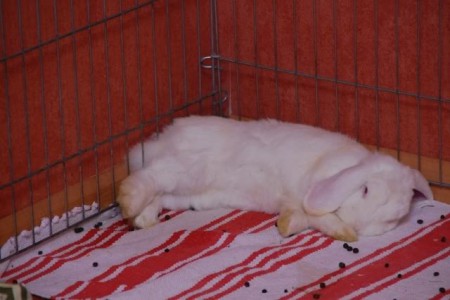
Rabbits can be litter-trained. However, they have natural marking-habits and sometimes health conditions prevent litter-training. In order to find the underlying reasons for these pee/poop accidents, please continue reading here: Litter-training

Cleanness is not only an issue with rabbits, but with all pets. It is not a proper solution to simply keep your rabbits in a cage for this. Nobody would put their cat in a cage for this, either. The underlying problemd should be identified and resolved.

“Help, my rabbit pees on my bed/sofa“
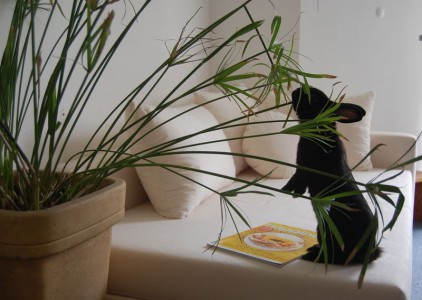
It is fairly common among litter-trained rabbits to still use the sofa, the bed or other comfy pieces of furniture for their daily needs. What are the reasons for this odd behavior and what can I do to prevent it from happening again?

It is common among rabbits to mark the bed or sofa via urine. By doing so, your rabbit leaves his odour behind at one of the best places: a high observation spot, which is further very soft and cozy.

The best counter-measurement is to offer another, higher, observation spot and provide it with a cozy cover. Most rabbits will mark this spot and ignore the bed. Otherwise, one should only allow the rabbits on the bed supervised and in the case nobody’s there, one should put a cover or picnic blanket with a tin cover with the wrong side up om the bed, crackling sounds scare rabbits and they will avoid them.

After some time, one can remove the covers under surveillance and check, whether the new spot will be accepted or whether the rabbit continues to use the bed or sofa as its toilet. Usually, rabbits adapt quickly. Nonetheless, we recommend to use “incontinence pads“ to protect the sofa or mattress and above that a blanket that is easy to wash. This way one can be sure that everything is easy to clean if another accident happens.

“Why does my rabbit relieve itself in its bowl?”
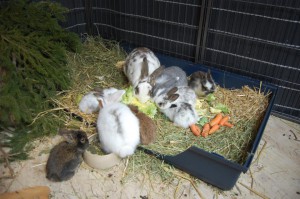
Many rabbits do so. There are two reasons behind this. On the one hand, rabbits tend to poop during eating and when the bowl is big enough to be sitting in, it will be covered in poop. On the other hand, rabbits mark their territory with droppings and urine and especially the bowl is an important object in their territory. A smaller bowl or no bowl at all might help. However, one has to live with a certain amount of dirt and stains and bowls, plates and dishes need to be rinsed daily.

“My rabbit eats (his) droppings!”
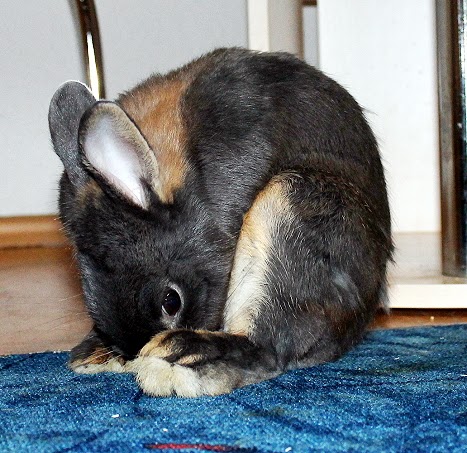
Rabbits have to kinds of droppings, solid droppings and cecotropes. Rabbits eat their cecotropes, usually directly at the anus, sometimes also after they dropped it already. Additionally, rabbits eat both kind of droppings from their partners or other strange rabbits in order to counterbalance a lack of intestinal bacteria or in case of a young rabbit in order to build up an intestinal flora. This behavior is completely normal and shouldn’t be sanctioned, since only via cecotropes the provision with certain vitamins and stearic acids is ensured.

“My rabbit drinks/licks his urine”
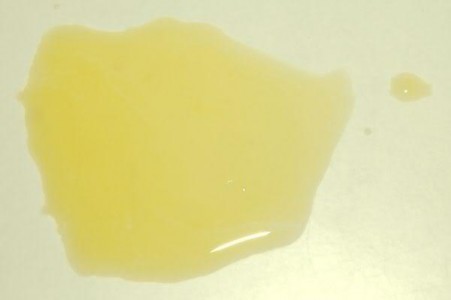
Often rabbit owners report that their rabbit urinates and then drinks its urine from spaces where the surface does not absorb it properly. This behavior is not properly analysed yet, but the affected rabbits seem to neither be sick nor show any deficiencies. However, if you want to make sure your rabbit is fine, you can offer a natural salt-lick-stone (not a simple salt stone from a pet store) in the enclosure and provide fresh twings and branches.
Who Is Behind How to rabbit?

Veterinarian Viola Schillinger
Who Is Behind How to Rabbit? Viola Schillinger is a veterinarian who has kept rabbits since childhood and has dedicated much of her professional life to improving their health, welfare, and living conditions. Decades of rabbit keeping, intensive observation, and professional study have given her extensive experience in rabbit health, nutrition, behavior, and species-appropriate husbandry. She shares her knowledge through television appearances, webinars, podcasts, radio programs, articles, and books. In 2008, Viola founded Kaninchenwiese.de, which has grown into a leading German-language resource for rabbit care and health, reaching around 500,000 visitors per month. How to Rabbit brings this knowledge to an international English-speaking audience. The English content is translated and adapted by Erika Kühne Escobar and medically reviewed by Viola Schillinger.

Rabbits need space…


How to rabbit…

…is a guide for the appropriate keeping, nutrition and care of rabbits.

Search

Search Search

Never alone


Last Changes

  • Neutering Male Rabbits 2. October 2026
  • Cookie Policy (EU) 7. September 2026
  • Care 26. August 2026
  • Fruit list 27. September 2026
  • Highly toxic plants 30. July 2026
© Copyright - How to rabbit 2024 - Enfold Theme by Kriesi
  • Link to Instagram
Scroll to top Scroll to top Scroll to top