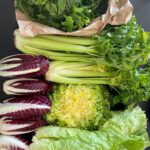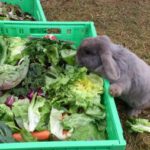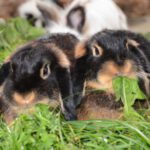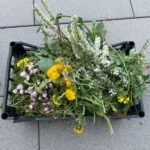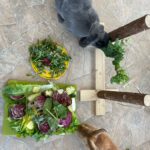
Hay should not be the main food for rabbits.
A healthy rabbit diet is based on fresh, water-rich plants, while hay should only be offered as a supplement. Feeding mainly hay can lead to health problems, nutrient deficiencies, and digestive issues.
In this guide, you’ll learn why a hay-based diet is problematic and what rabbits should eat instead.
Why Hay Should Not Be the Main Food for Rabbits?
Many traditional feeding recommendations suggest unlimited hay with small portions of vegetables. This approach is still common, but it does not reflect the natural diet of rabbits.
Rabbits are folivores, meaning they naturally eat fresh leaves, herbs, and plants – not dry, nutrient-poor hay as their main food.
Restricted Feeding: A feeding method where hay is available to the rabbit around the clock, supplemented by one to three meals of fresh food. In contrast, with ad libitum feeding, fresh greens are offered in addition to hay in such large quantities that they also never run out.
A restricted feeding regimen inevitably has some consequences for rabbit health and leads to a diet primarily based on hay.
Problems With a Hay-Based Diet
Low Water Content → Kidney and Bladder Problems
Hay contains very little water (around 10–15%), while fresh plants contain up to 80–90% water.
A diet that is mainly dry leads to:
- lower water intake
- concentrated urine
- increased risk of bladder sludge, bladder stones, and kidney problems
Studies show that rabbits on fresh food diets consume significantly more water and have better urinary health.
👉 The more water a rabbit consumes through food, the lower the risk of urinary diseases.
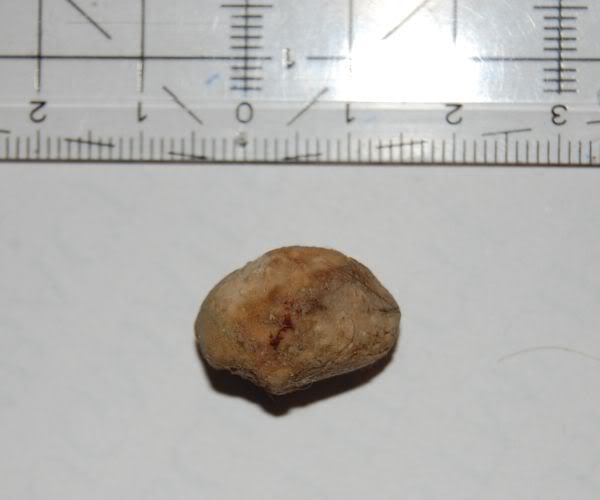
With limited water intake and a high calcium intake, the risk of bladder stone formation increases. However, this risk remains low as long as the urine volume is sufficiently high. The urine volume directly depends on the amount of water consumed […]. Increased water intake helps reduce the concentration of excretory substances in the urine, which plays an important role in calcium excretion and potential stone formation. In other words, the more water consumed, the lower the risk of bladder stone formation.”
— Dr. med. vet. Natalie Dillitzer: Rabbits in Nutritional Counseling in Small Animal Practice: Dogs, Cats, Reptiles, Guinea Pigs, Rabbits, Urban & Fischer, 2009.
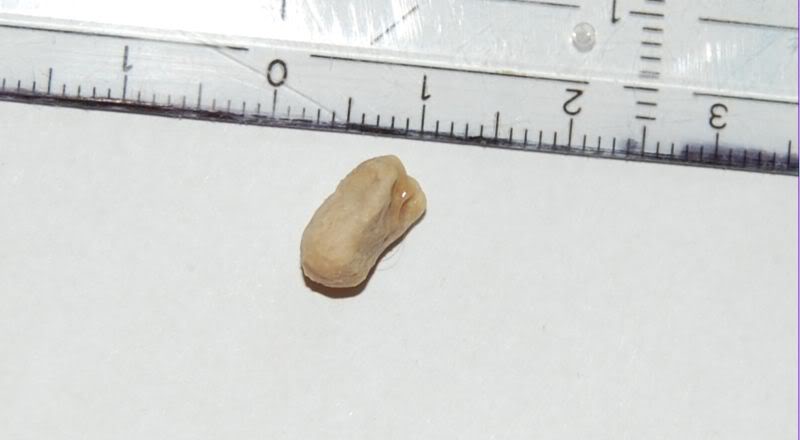
In general, the high calcium content found in natural food must be balanced by a high water content in the diet (Kamphues 1989). A calcium-reduced diet is not species-appropriate, and without the water balance, it can lead to urolithiasis.
Further reading:
- Spennemann, B.: Urine Examination in Pet Rabbits, Free University of Berlin, 2002
- Rappold, St.: Comparative Studies on Urolithiasis in Rabbits and Guinea Pigs, Hanover Veterinary School, 2001
Loss of Nutrients → Deficiency Risks
During the hay-making process, a large portion of nutrients is lost:
- over 50% lost due to leaf loss
- additional losses during storage, 6-8% of nutrients are lost for each month of storage (Lackenbauer 2001). With longer storage times, the nutrient content quickly approaches zero.
Compared to fresh plants:
- hay contains far less vitamin E
- much less beta-carotene
Rabbits cannot produce these nutrients themselves and depend on fresh food sources.
👉 Hay alone cannot meet a rabbit’s nutritional needs.
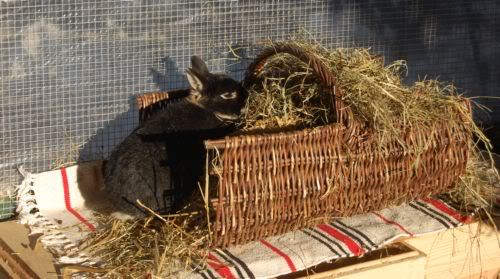
Here are some comparison data for fresh hay and grass (herbs are not included, as they would further exaggerate the differences) (Working Group for Active Substances in Animal Nutrition 2001):
- Grass contains an average of 200 mg of β-carotene and 200 mg of Vitamin E.
- High-quality green forage contains an average of 250 mg of β-carotene and 75 mg of Vitamin E.
- Hay contains an average of 20 mg of β-carotene and 30 mg of Vitamin E.
Hay Is Not a Natural Diet
Hay mainly consists of dried grasses with very few leaves.
However, rabbits naturally eat:
- leafy plants
- herbs
- diverse vegetation
They do not primarily eat dry grass.
👉 A hay-heavy diet forces rabbits into an unnatural feeding pattern.
Risk of Toxic Plants in Hay
Some toxic plants lose their warning signals (smell, taste, appearance) when dried.
This means:
- rabbits cannot recognize them anymore
- they may accidentally consume toxic plants in hay
Fresh plants, on the other hand, are usually avoided by rabbits if they are toxic.
Digestive Problems
A dry, hay-based diet can cause:
Rabbits’ digestive systems are designed for fresh, fibrous, water-rich food, not dry material as the main component.
Conclusion: No rabbit should be forced to eat hay. Rabbits should always have the option to switch to other food sources (fresh food and dried herbs) to avoid the disadvantages of hay feeding. Nevertheless, hay should always be available as a supplementary food.
A study on water intake with different drinking systems and dietary components also summarizes this issue well:
“For optimal hydration and prevention of urinary stones, we recommend a diet with a high proportion of ‘fresh (water-rich) foods,’ along with unlimited access to hay and free access to water offered in an open bowl.” (Translation)
Study: Anja Tschudin (University of Zurich) et al: Journal of Animal Physiology and Animal Nutrition, doi:10.1111/j.1439-0396.2010.01077.x
Is Hay Still Important?
Yes – but only as a supplement, not as the main food.
Hay can:
- support digestion
- provide additional fiber
- serve as backup food
👉 But rabbits should never be forced to rely on hay as their primary diet.
Conclusion
Hay should not be the main food for rabbits.
A natural and healthy diet is based on fresh food which support digestion, hydration, and overall health.
👉 The best approach is:
- fresh food as the foundation
- hay as a supplement
Sources, among others:
Arbeitsgemeinschaft für Wirkstoffe in der Tierernährung: Vitamine in der Tierernährung, 2001
Dahlhoff S.: Fruktangehalt im Gras von Pferdeweiden während der Weidesaison 2002; http://elib.tiho-hannover.de/dissertations/dahlhoffs_ws03.pdf (Stand 23. September 09), 2003
Dillitzer, N.: Kaninchen; in: Ernährungsberatung in der Kleintierpraxis: Hund, Katze, Reptilien, Meerschweinchen, Kaninchen. Urban&Fischer, 2009
Kamphues, J: Ca-Stoffwechsel bei Kaninchen – Bedeutung für die Kleintierpraxis, 35. Jahrestagung Fachgruppe Kleintierkrankheiten der DVG, 1989
Kamphues, J.: Häufige Fütterungsfehler und Hinweise zur Diätetik […]; Gemeinschaftsveranstaltung „Kleine Heimtiere. Diagnostik und Therapie von Erkrankungen des Verdauugsapparates“, 2004
Lackenbauer W.: Kaninchenfütterung. Artgerecht. naturnah. wirtschaftlich, 2001
Rappold, St.: Vergleichende Untersuchungen zur Urolithiasis bei Kaninchen und Meerschweinchen, Tierärztliche Hochschule Hannover, 2001
Schlolaut, W.: Das große Buch vom Kaninchen. 3. überarb. Auflage. DLG-Verlag GmBH, 2003
Schwabe, K.: Futter- und Wasseraufnahme von Heimtieren verschiedener Spezies (Kaninchen, Meerschweinchen, Chinchilla, Hamster) bei unterschiedlicher Art des Wasserangebotes, Tierärztl. Hochschule Hannover, 1995
Spennemann, B.: Harnuntersuchung beim Heimtierkaninchen; Freie Universität Berlin, 2002
Vanselow R.: Giftige Gräser auf Pferdeweiden, 2008
Wenger, A.: Vergleichende Untersuchungen zur Aufnahme und Verdaulichkeit verschiedener rohfaserreicher Rationen und Futtermittel bei Zwergkaninchen, Meerschweinchen und Chinchilla. Hannover, Tierärztliche Hochschule, 1997
Wolf, P., Cappai, M. G., & Kamphues, J. (2020): Water consumption in small mammals (dwarf rabbits, Guinea pigs and chinchillas): New data about possible influencing factors. Research in veterinary science, 133, 146-149.