
Health Check: Proper Care and Examination of Rabbits
Often, owners report that their rabbits were found “suddenly dead in the enclosure.” In most cases, these deaths were preceded by subtle signs of illness (quieter behavior, withdrawal, reduced or absent food intake, increased water consumption, etc.) and could have been prevented with timely examination and treatment.
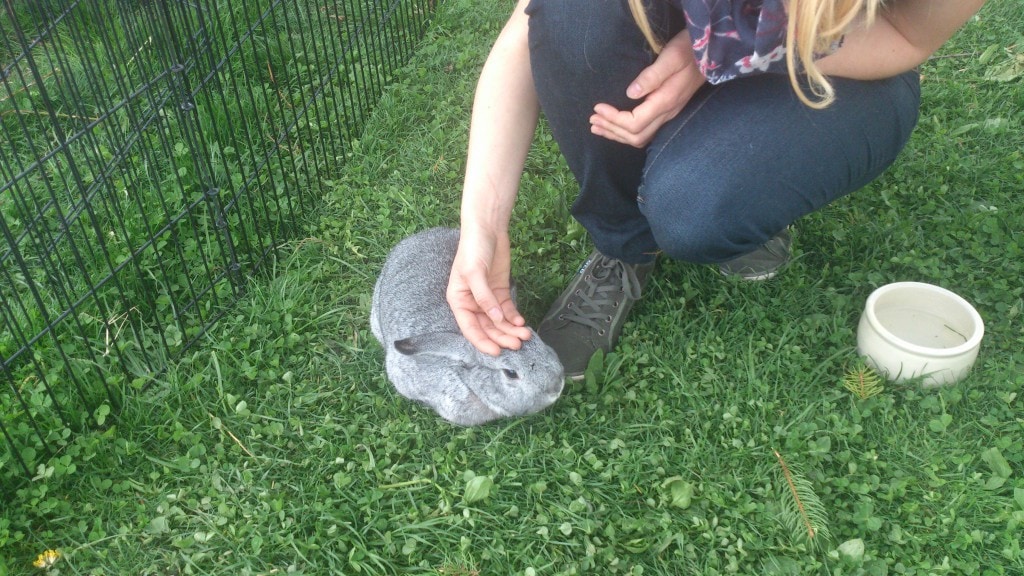
Rabbits require regular care to stay healthy and to detect abnormalities or signs of illness at an early stage. Owners who keep their rabbits free-roaming indoors or closely integrated into daily life usually notice changes much sooner than those who only feed and clean them and rarely observe or handle them.
Contents
- Daily Quick Check
- Weekly Health Check (Rabbit “MOT”)
- Weight Monitoring
- Nail Care
- Coat Care and Molting
- Skin Check
- Underside of the Paws
- Eyes
- Chewing Behavior
- Bathing, Adhesions/Feces/Urine in the Anogenital Area
- Cleaning the Genital Pockets
- Mucous Membranes: Eye, Nose, or Mouth
- Palpation
- Dental Checks
- Palpating the Jaw
- Nose Check
- Ear Check
- Preventive Veterinary Examinations
- Preventive Fecal Examinations
- Examination by a Rabbit-Savvy Veterinarian
- Uterine Examinations / Spaying
- Lop-Eared Rabbits: Ear Checkups
- E. cuniculi Status
- Blood Tests
- Dental Examinations
Daily Quick Check
Rabbits should be deliberately observed once a day, ideally twice a day—for example during feeding. For meat rabbits, it is now mandatory to check their health at least twice daily. We strongly recommend doing the same for pet rabbits. Offering a treat or food twice a day makes it easy to see whether a rabbit is refusing food. In addition, their movement and activity levels should be observed in the morning and evening. Feces and urine should also be checked:
- Eating behavior: Are all rabbits eating normally? Do they come to feeding as usual?
- Behavior: Are all rabbits behaving as they normally do? Changes are often signs of illness. Is one rabbit being bullied (often a sign of illness) or showing aggression (possible pain)?
- Feces and urine: Mushy stool, diarrhea, very small or hard droppings? Urination and urine appearance (if observable) – basic feces and urine assessment.
Weekly Health Check (Rabbit “MOT”)
Especially when rabbits are not closely integrated into the owner’s daily life, it is advisable to carry out a thorough check of all rabbits once a week, or at least twice a month, and to take sufficient time for this. All of the points listed below should be checked, with particular attention to an underside inspection (anal/genital area!), nail care, weight monitoring, and a general health assessment.
As part of the general health check, all signs of illness should be ruled out, and owners should learn to recognize and assess early symptoms of disease. If a rabbit is known to be prone to a specific condition, it should, of course, be checked more frequently for that issue.
Weight Monitoring
Even if rabbits appear healthy, it is advisable to weigh them weekly or at least once or twice a month and record the weight in a log. This allows comparison with the normal weight in case of illness, as many diseases are first noticed through weight loss. Keep in mind that weight gain in autumn (winter fat) and weight loss in spring are completely normal. Weighing should always be done at the same time of day (e.g. before the evening feed), as food in the digestive tract accounts for about 80 g.
With very close observation and frequent contact with the rabbits (e.g. free-roaming indoor housing), regular weighing is not strictly necessary.
Weight gain requires an adjustment of the diet unless the rabbit is underweight or still growing.
Weight loss should be monitored by repeated weighing over the following days. If the loss is confirmed, the rabbit should be taken to a veterinarian.
Weighing is easiest when a non-slip surface (carpet, mat, etc.) and some favorite food are placed on a baby scale so the rabbit hops on voluntarily and without stress. A baby scale is ideal for this purpose.
Nail Care
Rabbit nails grow continuously throughout their lives. In the wild, they are naturally worn down by running on stones and digging. In pet housing, however, rabbits often live on soft or smooth surfaces and/or do not move enough. For this reason, nails must be checked and trimmed regularly.
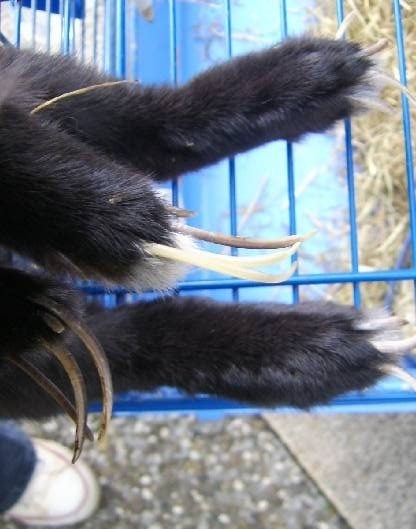
Overgrown nails are painful, impair movement, can tear off (extremely painful), split, twist, and/or grow into the foot. Inadequate nail care constitutes serious neglect of the animal.
Rabbit nails contain a blood vessel and nerve (the quick), which must not be cut. A veterinarian or experienced rabbit keepers can show how to trim nails correctly.
Regular nail trimming can often be avoided by placing rough stone or concrete slabs in central areas of the enclosure and by putting paving slabs on the floor of the digging box, allowing natural wear of the nails.
Coat Care and Molting
In healthy, short-haired rabbits, coat care is only necessary during the molting period.
Depending on how vital the animal is, molting may be barely noticeable, with the coat remaining smooth and glossy.
Some rabbits develop a very scruffy coat during molting, with many tufts of hair sticking out that can be easily plucked or brushed out. This can occur in sick, poorly nourished, or elderly rabbits, but also as a result of severe stress (bonding, veterinary visits, heat, etc.) or due to individual predisposition.
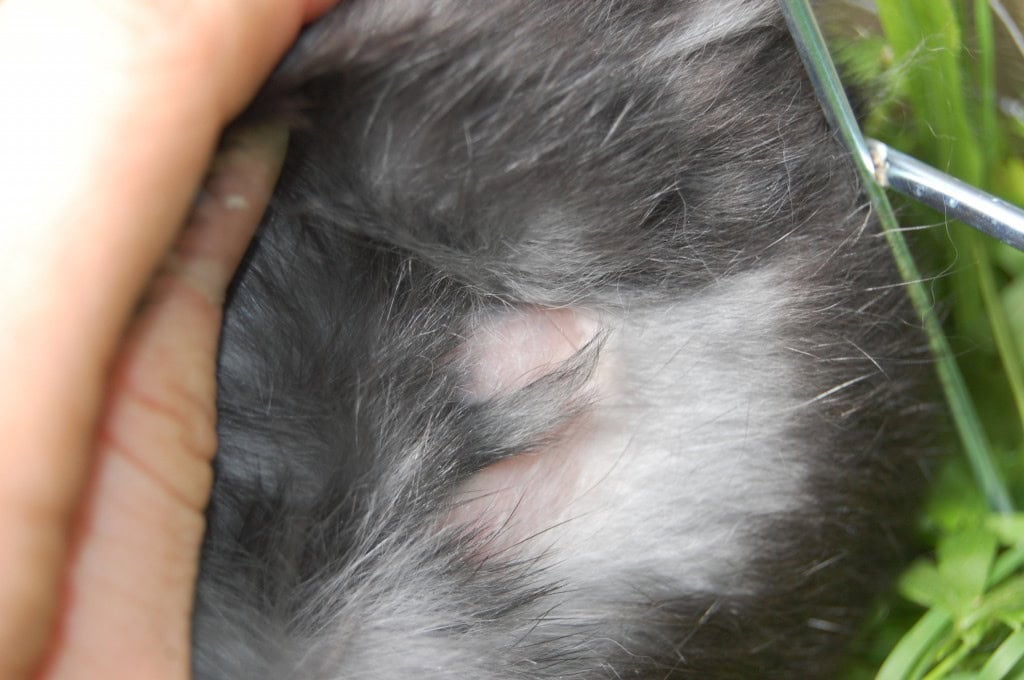
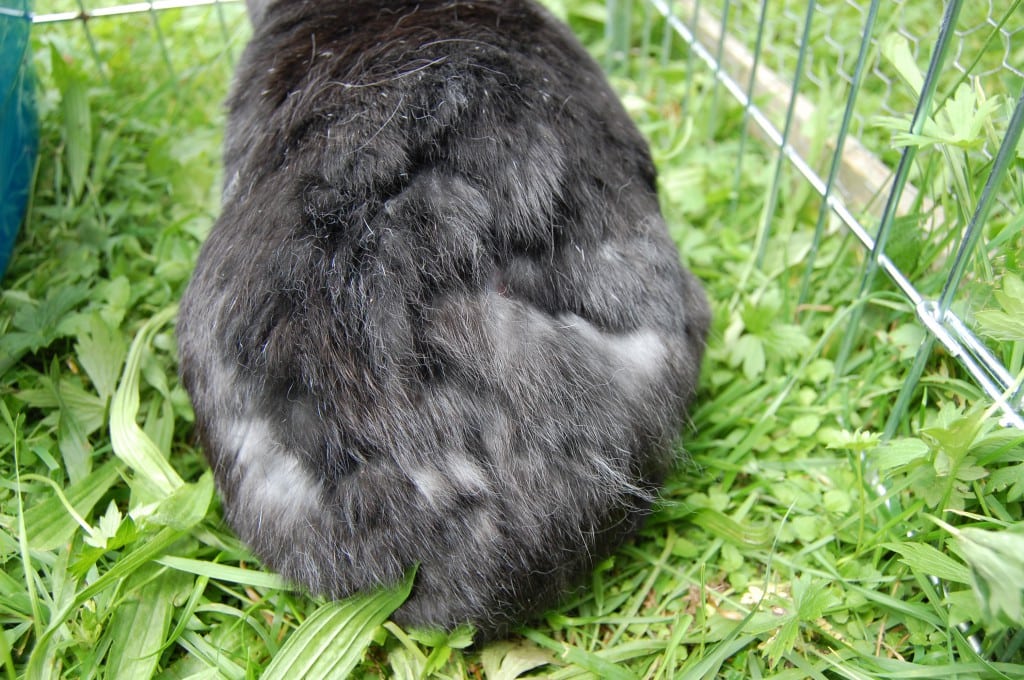
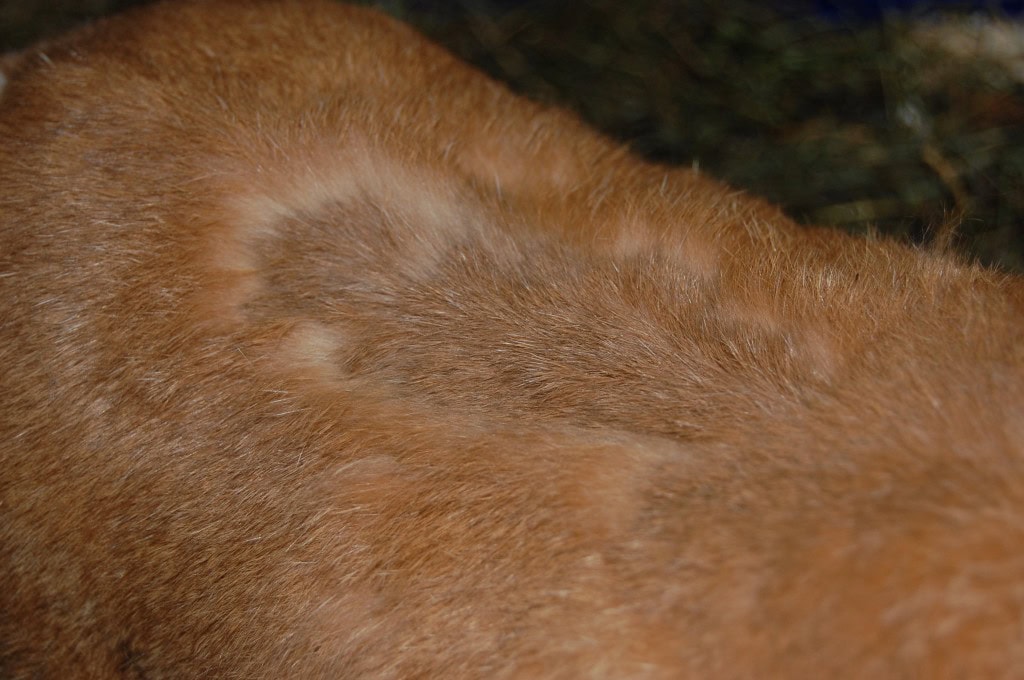
Loose, protruding hairs should then be removed regularly by plucking, stroking them out, or brushing, as ingestion can lead to hairballs or intestinal blockages, which can be life-threatening. A stripping brush is well suited for this purpose. In extreme cases, removing loose hair can result in bald patches with healthy skin underneath. Unlike scabby, sore, or altered skin, these bald spots are harmless.
When new hair starts to grow back, unusual coat patterns may appear. The hair grows back quickly. Bald patches can also occur during false pregnancies, when females pull out their own fur (which is very loose at that time) to use as nesting material.
Supportive feeding during molting can include sunflower seeds and other oil seeds, as well as large amounts of fresh greens.
Long-haired rabbits require regular trimming so that the coat does not restrict movement, obstruct vision, or become soiled. Mats must be cut out, as they are painful for the rabbit. Coat care is usually necessary at least once a month. When trimming and detangling, great care must be taken not to injure the animal with scissors.
Very good results have been achieved with stripping brushes, which rabbits generally tolerate well and may even enjoy. They effectively remove loose hair. For rabbits with extremely dense coats, a high-quality clipper is preferable to scissors: it is faster, more comfortable for the animal, and significantly reduces the risk of injury. Many clippers struggle with rabbit fur; investing in a suitable model is therefore worthwhile. As a cheaper alternative, some low-cost clippers can also handle rabbit fur adequately.

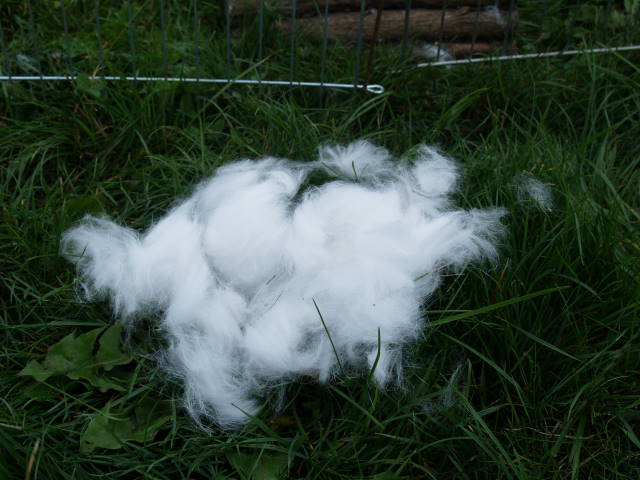
Particularly in the genital area, the fur should be trimmed so it does not become dirty. Extreme care must be taken not to injure the genitals. This grooming is unpleasant for rabbits but absolutely necessary.
Regular coat care can be done on the ground inside the enclosure, which is less stressful. Covering the rabbit’s head with a cloth or hand so it cannot see often causes it to remain still. Many rabbits try to move backward, so a hand or object should be placed behind them. Offering favorite food and using a small enclosure during brushing can help avoid stressful lifting. Another option is to create a narrow passage with brushing edges so rabbits are gently and stress-free freed of loose hair as they pass through. For extensive grooming, the rabbit can be picked up or placed in a box.
During grooming, always check for wounds, abrasions, bald patches, scabs, crusts, dandruff, or other signs of disease or parasites.
To prevent hairballs during molting, rabbits should receive a diet rich in fresh greens (unlimited greens day and night as the main food), combined with well-soaked psyllium husks, linseed cake, or sunflower seeds. Soak 1 teaspoon (5 g) in 100 ml of water overnight and feed 1–3 teaspoons per rabbit, for example mixed with grated carrot. Any leftovers can be frozen in ice cube trays and thawed as needed.
Skin Check
Skin changes can occur due to illness: scaling, lumps, swelling, redness, wounds, black spots.
Underside of the Paws
These should be evenly covered with fur. Are there bald patches or areas that are scabbed, inflamed, or otherwise abnormal? See Leg Wounds.
Matted fur on the paw pads or clumps of dirt can cause improper weight distribution and should be carefully combed out. Do not cut away too much—the fur is the only cushioning for the skin, which lies directly over the bone.
Eyes
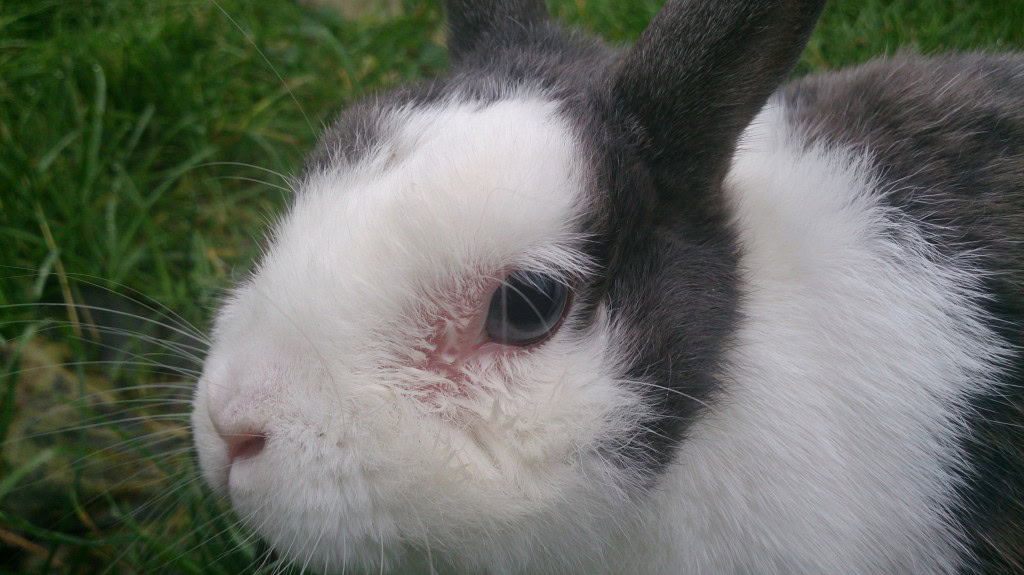
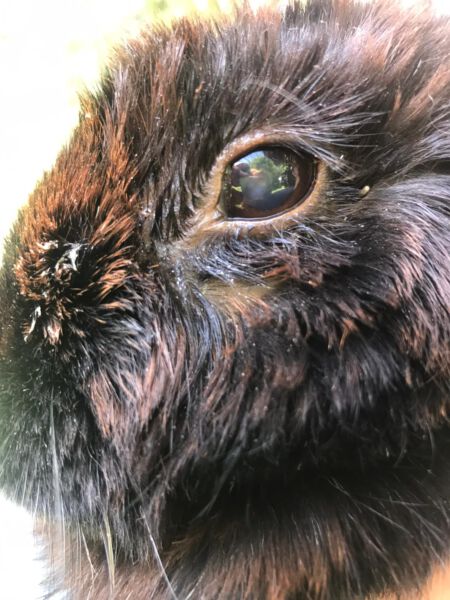
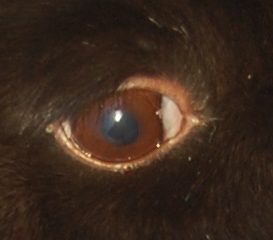
Are the eyes clear, shiny, free of discharge, and clean? Or are they cloudy, with discharge (watery or purulent), foreign bodies, or visible spots in the eye? In such cases, a veterinarian must be consulted immediately.
Are both eyes symmetrical, or does one protrude more when viewed from the front?
Chewing Behavior
Changes in chewing behavior are an indication of dental disease. If you observe your rabbits closely at least once a week, you will notice relatively early if they develop dental problems and start chewing differently.
Is chewing slower, only on one side, or does food fall out of the mouth? Does the rabbit chew on food for an unusually long time, or does it eat selectively—only certain foods (e.g. soft food) while rejecting hay?
Bathing, Adhesions/Feces/Urine in the Anogenital Area
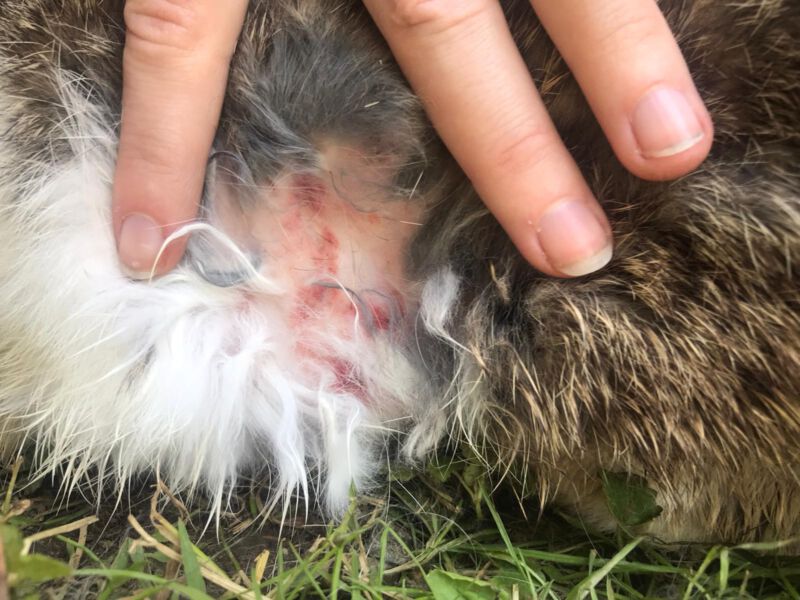
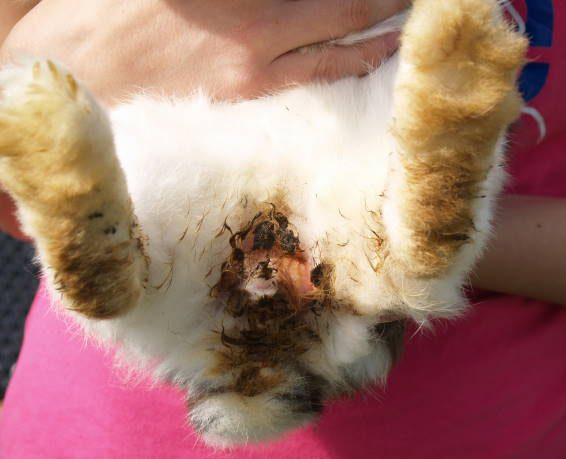
Injured rabbit with wounds on the abdomen, requiring care and veterinary attention.
Many illnesses lead to diarrhea, increased cecotrope production, or incontinence/urine scalding. As a result, the genital area becomes heavily soiled, sticky, or matted.
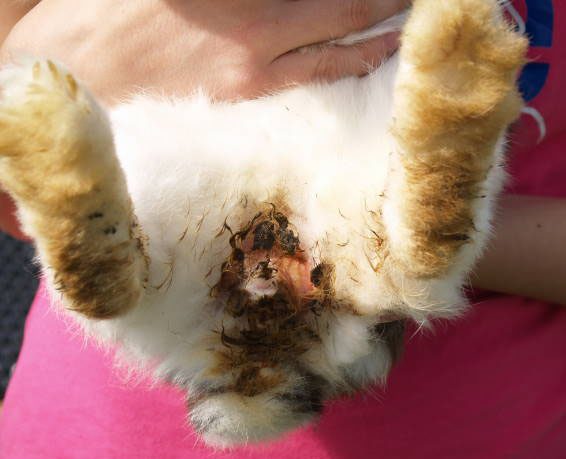
Rabbits must be checked regularly to ensure this area remains clean.
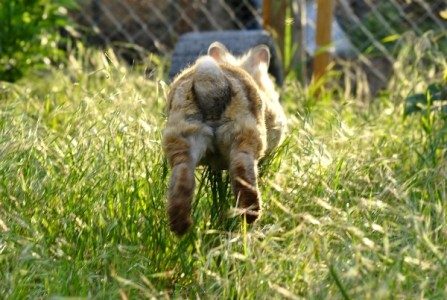
A gentle way to check the hindquarters is to observe this area while the rabbit is hopping or when it is relaxed and stretching its hind legs. This can be done without lifting the rabbit and is stress-free.
Warning: Flystrike Risk!
Rabbits with soiled or wet fur are at increased risk of flystrike during the summer months. The cause must be identified and eliminated quickly, the genital area must be kept very clean, and the rabbit should be protected from flies by temporary indoor housing or fly screens.
In such cases, the genital area should be carefully inspected at least twice daily, cleaned if necessary, and checked for maggots. These are often found hidden in the folds to the right and left of the genitals, as well as at the base of the tail.
To protect rabbits at risk of flystrike, spot-on treatments can also be used (see Flystrike).
If soiling occurs, carefully trim away the worst of it using small scissors with blunt tips (do not use pointed scissors!). Be extremely careful never to injure the genitals.
Then place the rabbit with its hindquarters into a bowl filled with lukewarm water and mild soap, or preferably soft soap (traditional potash soap).
The rabbit must never be bathed over its entire body unless it is heavily soiled all over, which usually only happens in severely ill or neglected rabbits.
Make sure the rabbit remains seated with its hindquarters in the bowl so the crusts can soften. This can be done by covering the head with a towel, gently holding the rabbit, offering food, or placing it in a small box.
After a short soaking period, the genital area can be washed with a wet cloth, crusts gently loosened, and then dried.
After drying, the rabbit must be kept in a warm, draft-free place until the area is completely dry—otherwise it may catch a cold. Using a hair dryer is often helpful.
Once the worst crusting has been removed, daily cleaning with baby wipes can be sufficient, making thorough cleanings less frequently necessary.
We have had very good results using flea combs and stripping brushes to remove matting in the anogenital area.
In cases of adhesions, incontinence, or cecotrope-related matting, a veterinarian must be consulted afterward. If possible, bring a fecal sample collected over three days.
Not only digestive disorders (diarrhea, parasites, dental disease, yeast overgrowth, etc.) and incontinence (bladder disease, bladder sludge, etc.) can cause matting. Overweight is also a common cause—the rabbit cannot reach its rear to consume cecotropes and groom itself. In addition, an overly energy-rich diet (excess cecotrope production) or joint pain (osteoarthritis, etc.) is often the underlying reason.
Cleaning the Genital Pockets
Located to the sides of the genitals are skin pockets that contain the anal glands (scent glands used for territory marking) and the inguinal glands. These genital pockets are not cleaned by all rabbits and can become heavily soiled, especially after episodes of diarrhea or problems with cecotrope production. In such cases, they must be cleaned carefully using a damp cotton swab or one lightly soaked in oil.
The yellowish to whitish-brown secretion has a strong, unpleasant odor and can harden inside the glands. If you suspect a problem, check the genital pockets and clean them if necessary.
The genital pockets are also a preferred site for flystrike—maggots are almost always found there first.

Mucous Membranes: Eye, Nose, or Mouth
What do the mucous membranes look like? They provide important information about circulatory status. The mucous membranes are assessed by looking at the inner rim of the eye. Are they a healthy pink, or do they appear inflamed (red) or pale?
Alternatively, the mucous membranes of the mouth or nose can be evaluated. This allows an assessment of the animal’s circulatory condition.
Palpation
The rule here is simple: practice makes perfect. If you palpate rabbits regularly, you will notice changes. Can you feel a lump that wasn’t there before? This may indicate a lymph node (inflammation, tumor, etc.), an abscess, or a tumor. The earlier such a condition is detected, the better it can be treated.
The diagram on the right helps you learn how to palpate lymph nodes. These are usually several small, round to oval lymph nodes embedded in fat, which makes them feel like small nodules no larger than a pea. The lymph centers marked in orange in the image are normally—though not always—palpable. In cases of disease, the nodes are significantly enlarged, sometimes reaching the size of a plum.
In a healthy rabbit, the following lymph nodes can be palpated:
- On both sides of the lower jaw: the mandibular lymph nodes (lymphonodi mandibulares)
- On both sides at shoulder height: the cervical lymph nodes (lymphonodi cervicales)
- On both sides at the inner base of the foreleg: the axillary lymph nodes (lymphonodi axillares)
Dental Checks
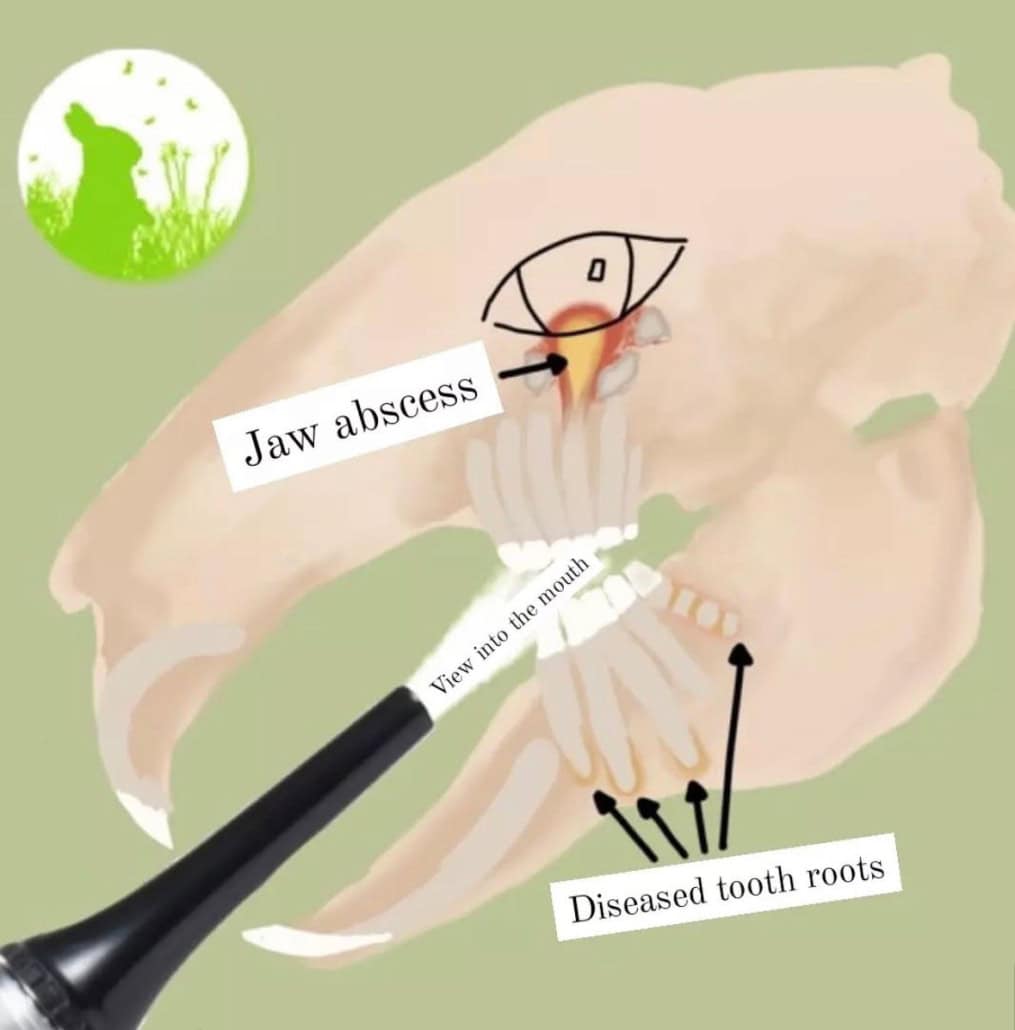
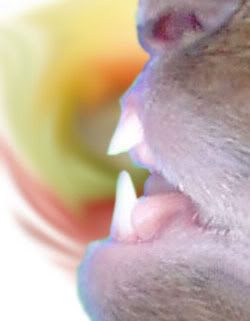
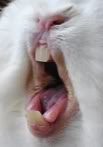
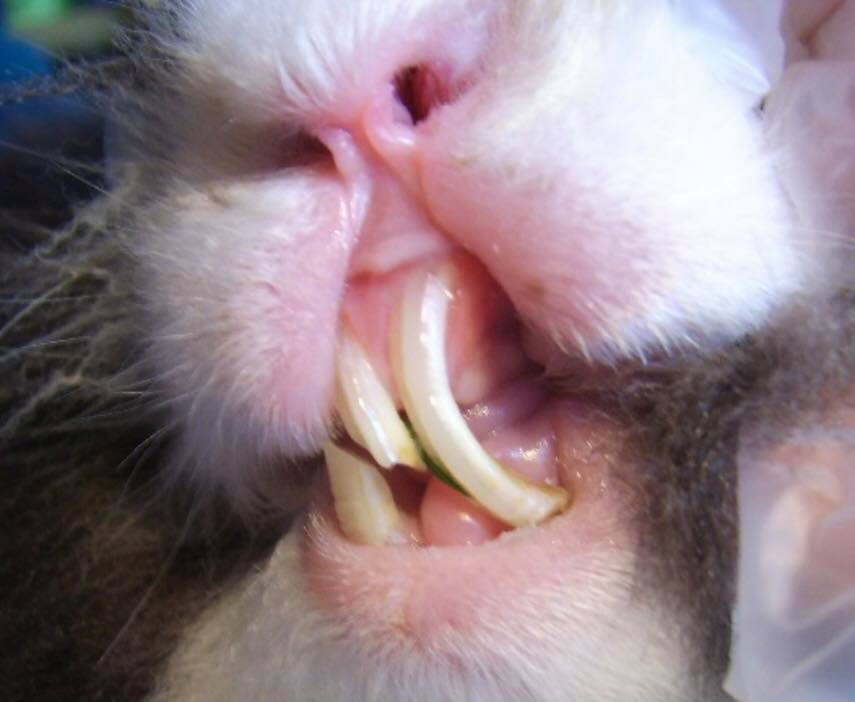
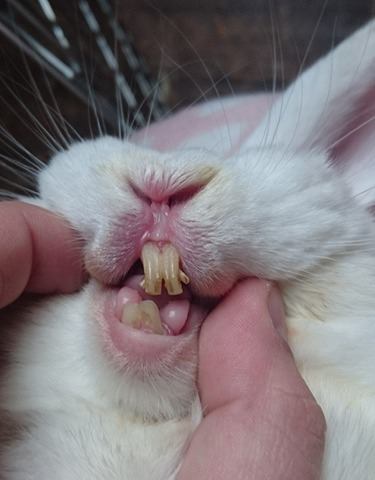
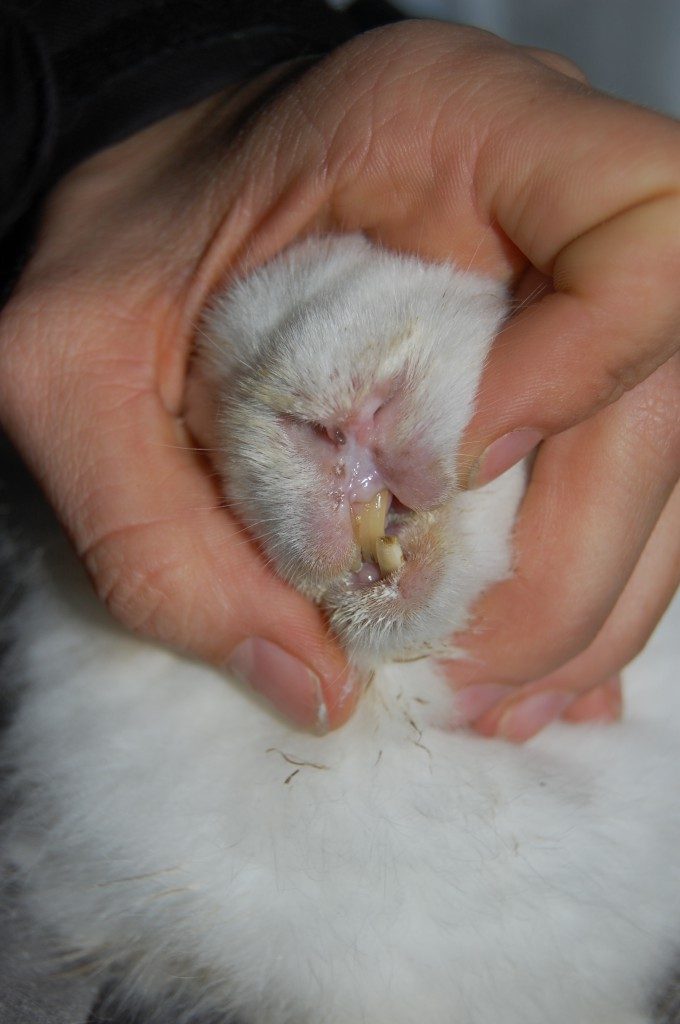
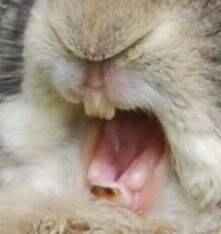
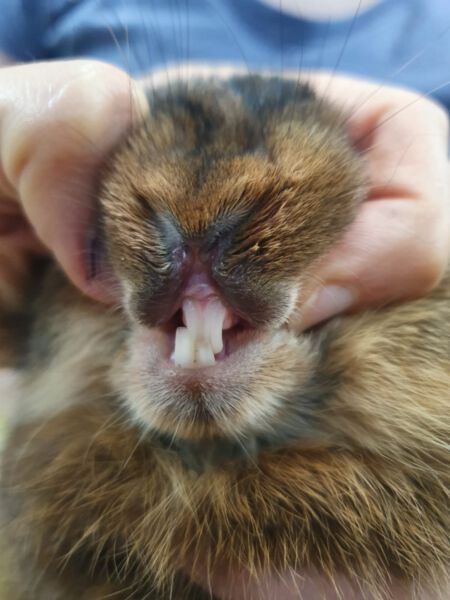
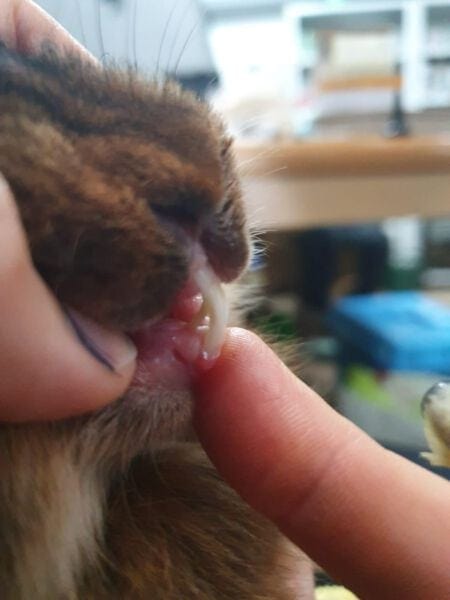
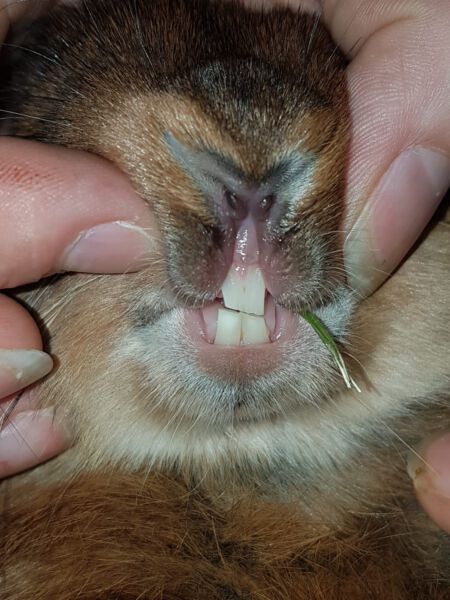
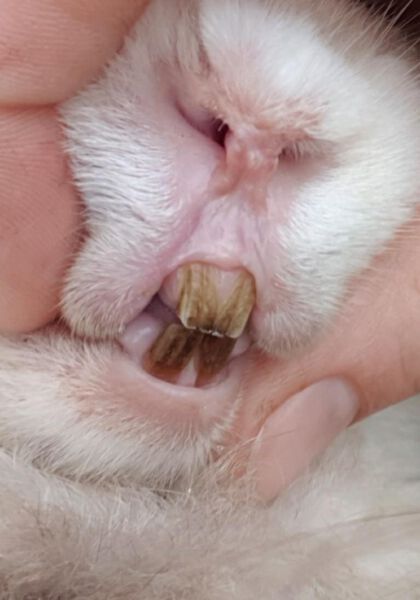
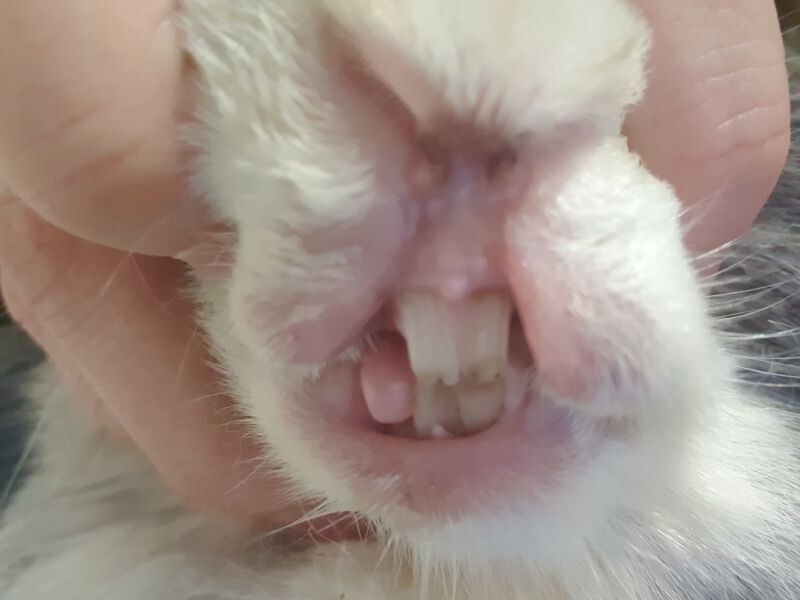
By observing rabbits while they yawn, their teeth can be checked quite gently—optionally supported by taking a photo with a smartphone. Alternatively, the lip can be gently moved aside to examine the alignment of the front teeth.
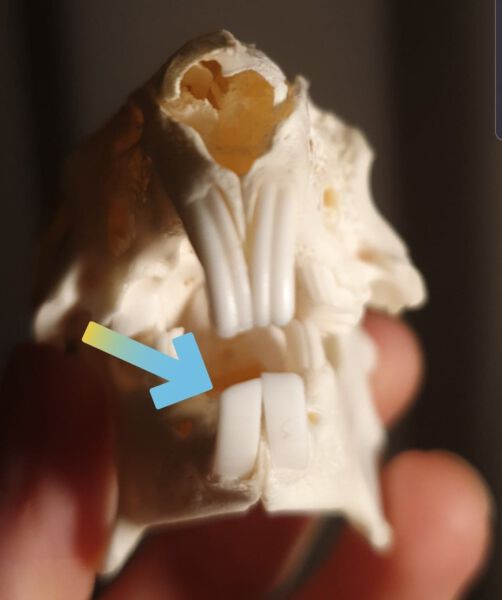
The incisors should be assessed from the front and from the side; the side view also allows clear visualization of the peg teeth.

The molars should be examined by a veterinarian using appropriate instruments. This should be done twice a year during routine health checks and vaccinations by a rabbit-savvy veterinarian, as many dental problems otherwise remain undetected.
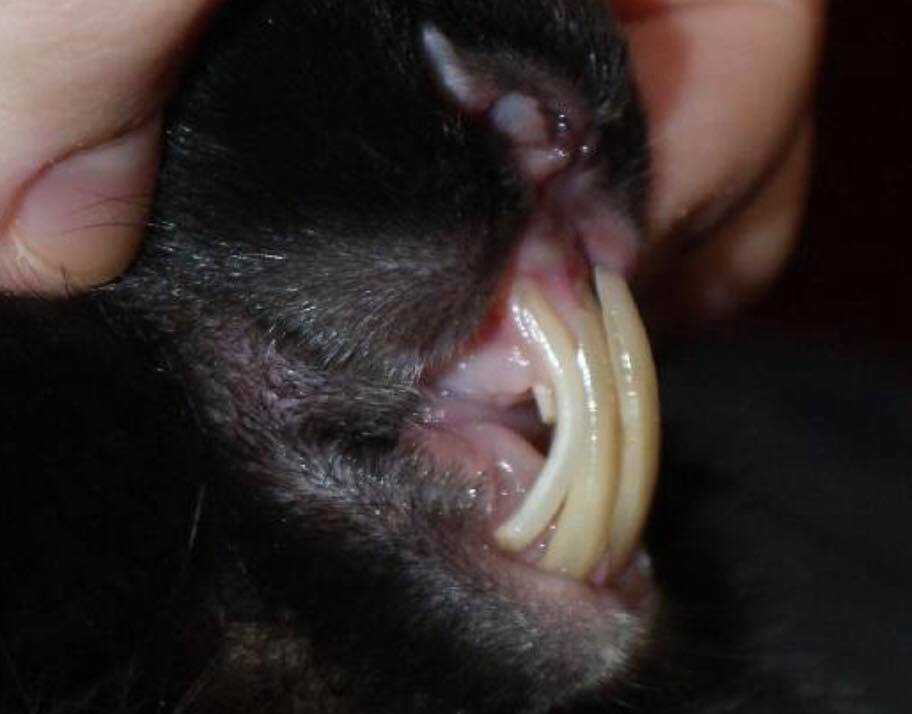
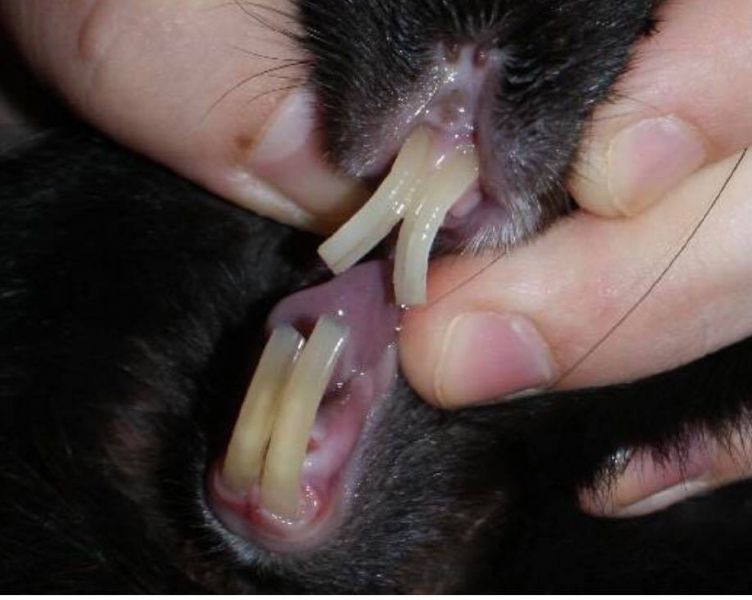
Drooling at the chin (malocclusion), nasal discharge, or eye discharge are also signs of dental disease in rabbits. Excessive growth of the incisors is likewise clearly visible.
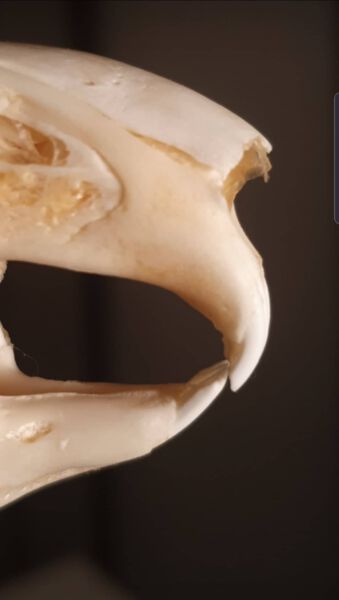
Left – normal side view:
The incisors are straight, roughly the same length (the lower ones may be slightly longer), and correctly aligned. The peg tooth lies closely against the incisor.
Right – front view:
Good tooth substance, a light-colored tooth, longitudinal ridges, and correct tooth length indicate that the front teeth appear healthy. However, the cutting edge is not straight/horizontal but worn unevenly—this points to a molar problem on the right side.

Palpating the Jaw
With some practice, you can check the jaw for cartilage-like areas or thickening (suspicion of an abscess). To do this, palpate along the lower jawbone under the chin and compare both sides. Also palpate the upper jaw from beneath the eye forward toward the nose. Comparing both sides helps identify abnormalities.
Nose Check
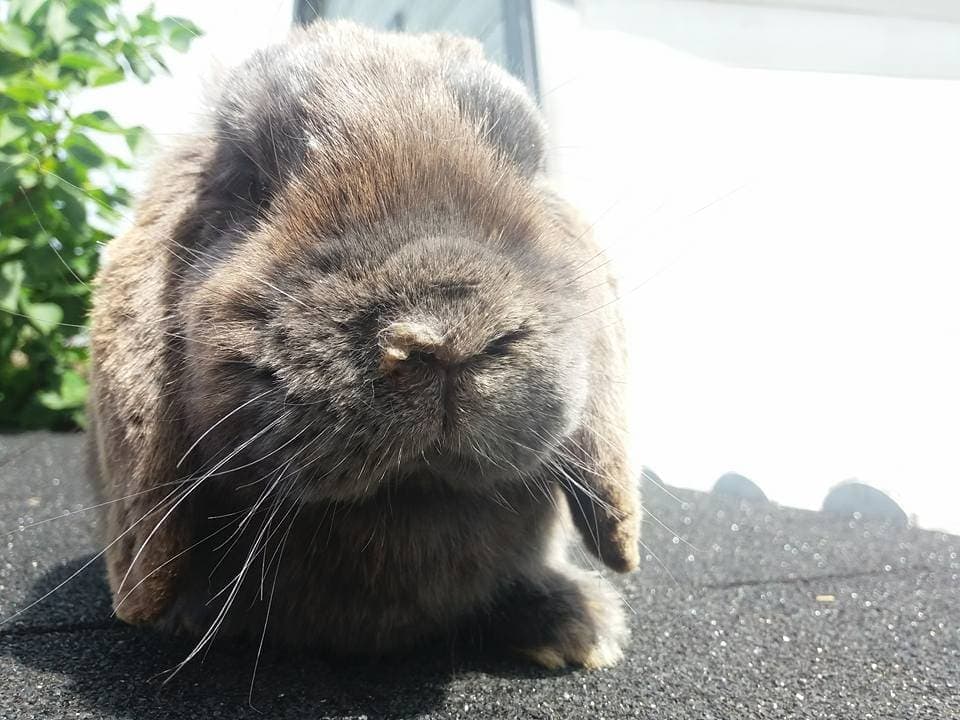
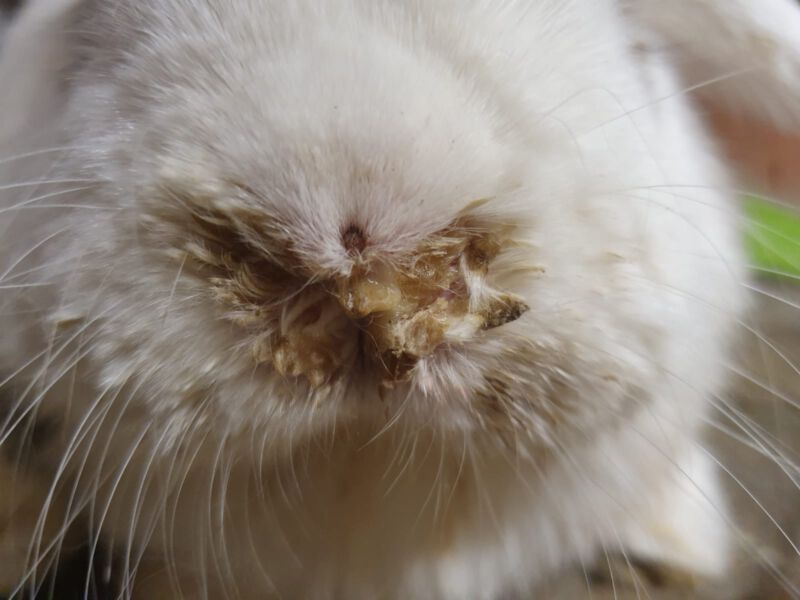
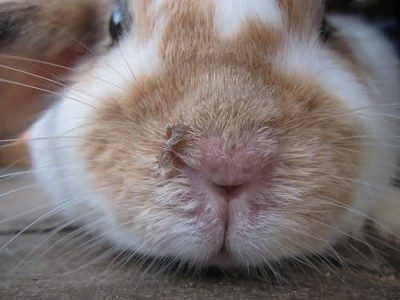
The nose should always be dry and free of crusts or discharge, and the rabbit should not be sneezing. Otherwise, a respiratory disease or dental problem is often present and must be treated promptly.
Ear Check
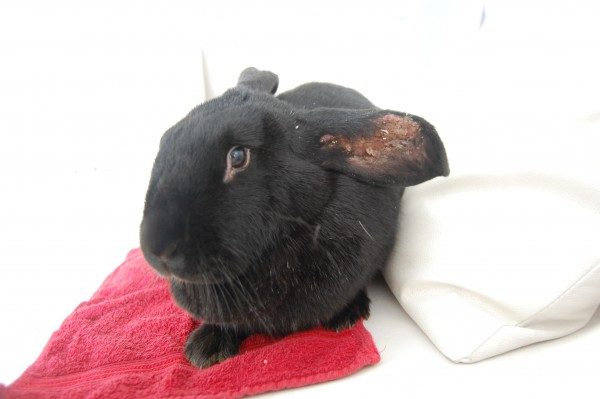
Changes to the skin inside the ear (red areas, crusts, etc.) or contamination of the ear canal are signs of disease.
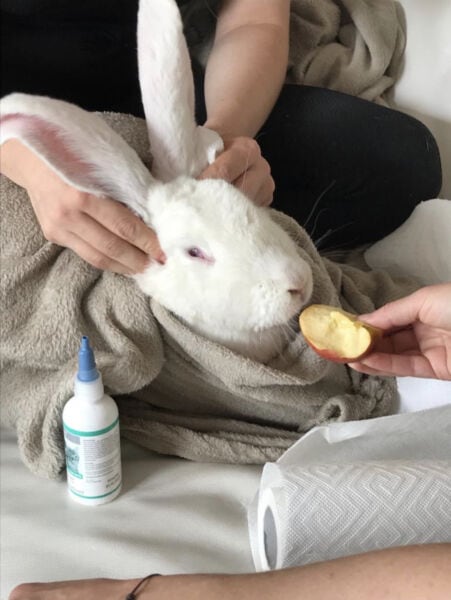
In lop-eared rabbits, monthly ear care using an ear cleaner is essential.
Weekly palpation of the ear base is also recommended (any swelling? warmth? pain sensitivity? itching?).
Head shaking or ear scratching? A tilted mouth? Head scanning? You should be familiar with these symptoms. More information available.
Preventive Veterinary Examinations
Vaccinations
No other pet species is affected by such severe infectious diseases as domestic rabbits. For this reason, vaccination is vital for survival in rabbit keeping.
We strongly recommend that every owner take the time to thoroughly familiarize themselves with the topic of vaccination and establish an appropriate vaccination schedule for their own rabbits. Speak with your veterinarian about vaccination.
- Information on the diseases RHD 1 and RHD 2, as well as myxomatosis
Preventive Fecal Examinations
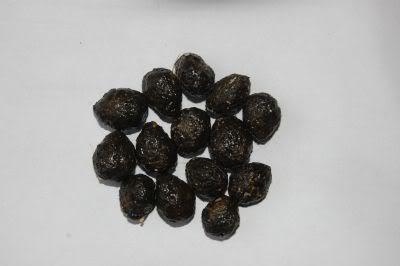
At least once a year—ideally around two weeks before vaccination—a fecal sample should be tested for parasites (coccidia and worms). For this purpose, collect approximately five droppings per day over three consecutive days and store them in a cool, dry place.
All droppings are then combined in a single fecal sample container (available from veterinary clinics or pharmacies). The sample can be submitted to the veterinarian without bringing the rabbit and usually costs around €20–40. Alternatively, the sample can be sent directly to a laboratory.
In cases of heavy intestinal parasite infestation, vaccinations may be ineffective. For this reason, fecal testing prior to vaccination is strongly recommended.
Examination by a Rabbit-Savvy Veterinarian
I cannot stress enough how important an examination by a veterinarian experienced with rabbits is. Alongside vaccination, it is the single most important preventive measure. It is usually included with vaccinations; however, non-specialized veterinarians often perform only a very superficial exam. Skipping a proper examination to save money—or choosing a “cheap group vaccination without a rabbit-savvy exam” or a veterinarian who vaccinates cheaply but barely examines the animal—offers little real benefit.
At least once a year, and preferably twice a year for older rabbits, a veterinarian specialized in rabbits should carry out a truly thorough examination. This is, in fact, the best preventive care you can provide for your rabbits.
Uterine Examinations / Spaying
In unspayed female rabbits, uterine disease can occur. Their behavior therefore needs close monitoring. Frequent pseudopregnancy (more than three times per year or over extended periods) and hormonally driven behavior can—but do not have to—be early warning signs.
Other possible symptoms include behavioral changes, apathy, refusal to eat, and abdominal pain or sensitivity to pressure. These signs are nonspecific and can also occur with other acute illnesses. In such cases, a veterinary emergency service must be consulted immediately.
Unspayed rabbits, especially at an advanced age, should therefore undergo a thorough palpation exam or ultrasound by a rabbit-savvy veterinarian twice a year.
Spaying prevents uterine disease and can be performed as a preventive measure. However, it is essential that the procedure is carried out by a rabbit-experienced veterinarian using a high-quality anesthetic protocol. “Cheap spays” are often dangerous and carry a significant anesthesia risk.
Chemical castration can also be used to prevent uterine disease. In this case, the rabbit is regularly treated with a hormone implant. It is crucial that existing uterine disease is ruled out beforehand by ultrasound performed by a rabbit-savvy veterinarian.
Lop-Eared Rabbits: Ear Checkups
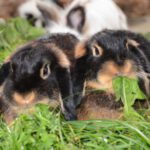
Rabbits with lop ears are highly prone to ear infections. Intensive preventive care therefore makes sense. In addition to regular ear cleaning, measures that help detect ear infections at an early stage are important:
- Twice yearly: Take a swab from the ear canal with microscopic analysis to assess status and detect early outer ear infections (e.g. during vaccinations).
- Once yearly: An X-ray to detect middle and inner ear infections behind the eardrum (only shows advanced disease), or preferably a CT scan, which can detect ear infections before they become severe.
- Head shaking or ear scratching? Crooked mouth? Head scanning? You should know these symptoms.
E. cuniculi Status
The E. cuniculi (EC) status can be determined through a blood test (IgG). At least one rabbit—ideally every rabbit in the group—should be tested. Perhaps a rabbit has already been tested and the EC status is known? Ask your veterinarian.
This test often saves lives. Knowing the EC status allows you not only to choose compatible partners during bonding without infecting new rabbits, but also to effectively prevent outbreaks by:
- reducing stress
- administering Panacur for about 5–10 days during bonding, veterinary visits, or other stressful situations
- giving fenbendazole (Panacur) for a few days before vaccination to improve vaccine effectiveness
- administering fenbendazole (Panacur) during illness or immunosuppression, as EC commonly breaks out under these conditions
Is your rabbit EC-negative?
If a new rabbit is introduced, it should also test negative to avoid infecting your rabbits.
Is Your Rabbit EC-Positive?
The pathogen continuously destroys cells in the body, especially during periods of stress or illness. You can help prevent acute clinical symptoms by keeping fenbendazole (Panacur) at home and administering it when:
- Your rabbit is under stress (veterinary visits, bonding, relocation, etc.): start about 3 days before the event and continue for 5–10 days.
- Your rabbit is ill: administer until recovery.
- Your rabbit is going to be vaccinated (to improve vaccine effectiveness): start about 3 days before vaccination and continue for 5–10 days.
- Your rabbit has a chronic illness: give a 28-day course every fifth month (continuous administration if corticosteroids are being used).
- Your rabbit is scheduled for surgery (e.g. spaying/neutering): start about 3 days before surgery and continue for 5–10 days.
There should always be a break of several months between courses. If multiple situations occur close together, fenbendazole (Panacur) should only be given for the first one.
In older EC-positive rabbits, kidney values should be checked regularly to detect kidney disease early.
If a new rabbit is introduced, choose only EC-positive animals to avoid infecting them.
Fenbendazole (Panacur) is a prescription-only medication. If your rabbit has tested positive, it can be obtained from your veterinarian.
Blood Tests
From around five years of age, preventive blood testing is advisable to detect diseases earlier and treat them more effectively. A comprehensive small-animal blood panel is recommended.
Dental Examinations
Dental disease in rabbits is unfortunately often detected very late. Anyone who has dealt with dental problems in their rabbits knows that these animals frequently continue eating for years despite severe disease and significant pain, showing very few outward signs.
To spare them this suffering and to detect problems while they are still treatable, preventive imaging of the head can be performed. A lateral (latero-lateral) skull X-ray can be taken without sedation and already provides valuable information about major dental issues.
As an alternative, a high-resolution CT scan performed without anesthesia (awake CT) can also be used.