Warning: Unlike respiratory infections in humans, respiratory diseases in rabbits are usually caused by bacteria rather than viruses.
These bacteria can quickly lead to chronic snuffles, spread to the ears and cause middle ear infections, and contribute to dental disease, as the tooth roots lie very close to the nasal cavity and rabbits with ear pain may chew differently.
For this reason, respiratory symptoms and snuffles in rabbits should always be taken very seriously to help prevent more serious complications.
Rabbit Snuffles at a Glance
- Early sign: Occasional, dry sneezing is often the first symptom.
- Cause: Rabbit snuffles is usually caused by bacteria rather than viruses.
- Important: Rabbits are nasal breathers, so a blocked nose is extremely distressing and must be taken seriously.
- Possible complications: Snuffles can become chronic and may spread to the ears, eyes, teeth, bronchi, lungs, or other parts of the body.
- Emergency signs: Changed breathing, increased flank movement, pronounced nostril movement, or severe breathing difficulty require emergency veterinary care.
- Diagnosis: Dental disease, foreign bodies, pneumonia, and other underlying diseases must be considered and ruled out.
- Treatment: Successful treatment usually requires addressing all five treatment pillars: diagnosis, pathogen control, immune support, loosening mucus, and optimal housing conditions.
- Prognosis: When treated very early, especially when sneezing is the only sign, rabbit snuffles can often be brought under control. Delayed or inadequate treatment can lead to chronic disease.
Rabbit Snuffles or a Cold? Symptoms, Progression & Complications
Symptoms of Rabbit Snuffles and Respiratory Disease
The first sign of respiratory disease is usually occasional, dry sneezing. Apart from this, the rabbit’s general condition is normal and it remains active.
Depending on the rabbit’s immune defenses, the sneezing can develop quite quickly into repeated sneezing attacks. These may eventually sound as though the rabbit were coughing or as if there were a foreign object in its throat or nose. For this reason, these sneezing attacks are often mistaken for coughing.
At a more advanced stage, if no treatment is given, nasal discharge develops. At first, the discharge is clear; later, it becomes whitish-yellow.
During sneezing attacks and because the airways are blocked with discharge, rabbits have difficulty breathing. They then try to clean their nose so that they can breathe more easily. In doing so, they spread the discharge not only around the nose but also onto their front paws. The fur in these areas becomes sticky and may also be damp.
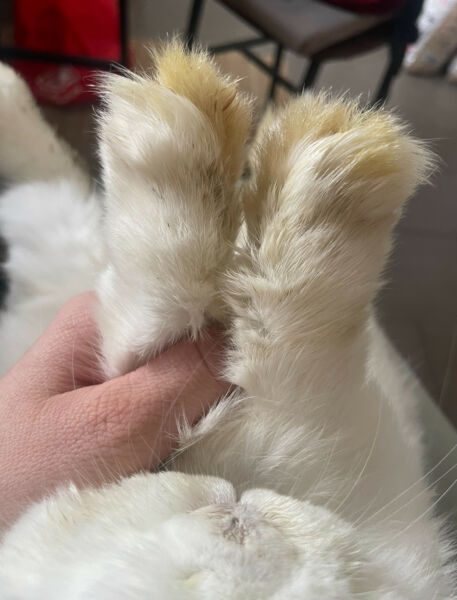
While grooming, the pathogen can sometimes be transferred from the front paws to the eyes, causing a purulent eye infection with discharge.
Even with mild symptoms of snuffles, such as sneezing, inflammation of the airways (acute bronchitis) and inflammation of the lungs (pneumonia) can develop quite quickly. If left untreated, these conditions can lead to death.
The disease is usually accompanied by changes in breathing, although owners do not always notice this symptom. The rabbit loses weight and its general condition deteriorates.
The disease can also spread throughout the body and cause purulent inflammatory lesions in many organs. Typical secondary conditions include abscesses, conjunctivitis and inflammation of the nasolacrimal duct, inflammation affecting the teeth, and ear infections. In advanced cases of ear inflammation, the rabbit may develop a head tilt.
Rabbit snuffles is often a problem affecting the whole group. When rabbits are kept in crowded or unsuitable conditions, snuffles can spread through the group like an epidemic.
Under good husbandry conditions and with medical care, it is usually a problem affecting only individual or weakened rabbits, which may be the only rabbits in the group to show symptoms.
For this reason, when rabbits are kept and fed under good conditions, it is important to look for the underlying disease that is weakening the rabbit and triggering the snuffles.
Rabbits are nasal breathers due to their anatomy, so a blocked nose is extremely distressing for them and must never be treated as a minor problem.
Because of the close anatomical relationship between the larynx and the nasopharynx, together with the particular position of the epiglottis, rabbits can hardly breathe through their mouths.
Triggers of Rabbit Snuffles and Respiratory Disease
The pathogens that can trigger respiratory disease are widespread in rabbits, and many rabbits carry them without ever becoming ill. Infection with the bacteria alone is not enough to cause snuffles. Other triggering factors are much more important in the development of the disease, including:
- Stress caused by inappropriate handling, being picked up and “cuddled,” or rough handling
- Bonding, disharmonious groups, or the introduction of new rabbits
- Moving to a new home
- Other chronic diseases, a weakened immune system, and sometimes vaccinations
- Poor housing conditions, such as inadequate protection from the weather, drafts, insufficient space, a lack of dry and windproof shelters, or dry heated indoor air
- Poor hygiene, such as soil flooring in small enclosures, high ammonia levels, infrequent cleaning, or damp bedding
- A diet that is low in active plant compounds or overly restrictive, with few plants containing essential oils
- Dry heated indoor air, which irritates the mucous membranes; humidifiers can help

A stress-free environment, proper hygiene, and good housing conditions are key to preventing respiratory disease in rabbits.
First Aid for Sneezing in Rabbits
If the rabbit is only sneezing occasionally and has no nasal or eye discharge, treatment with Angocin and Sinupret can be tried for five days.
Angocin: at least 8–10 tablets per day for rabbits weighing up to 2.5 kg; more for heavier rabbits
Sinupret: approximately 0.2 ml/kg, 2–3 times daily
Treatment must be started immediately; otherwise the snuffles may become established.
- Angocin is a natural, entirely plant-based antibiotic that acts against bacteria, viruses, and fungi affecting the respiratory and urinary tracts. It is available over the counter from pharmacies. The daily dose for rabbits should be at least 8–10 tablets for rabbits weighing up to 2.5 kg; more for heavier rabbits. Otherwise, it does not work. The tablets can be soaked in water to remove their protective coating, which can be washed off quite easily. Many rabbits readily eat Angocin as a treat. Otherwise, it can be dissolved in a small amount of water and administered into the mouth with a needleless syringe, or made more palatable by mixing it with mashed banana.
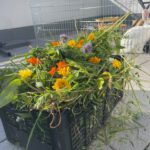
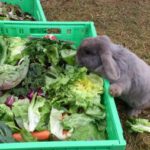
- As an alternative to Angocin, foods containing mustard oil glycosides can be offered, particularly radish and radish greens, radishes and their leaves, arugula, cress, rapeseed plants, turnip rape plants, and nasturtium. Small amounts are also found in cabbage. If the rabbit eats large quantities of these foods, they have an effect similar to Angocin. Mustard oils are effective against bacteria and viruses of the respiratory tract and act as a natural antibiotic.
- Sinupret (approximately 0.2 ml/kg, 2–3 times daily) also has anti-inflammatory and expectorant effects and can be useful as supportive treatment.
If there is no improvement within five days, or if the rabbit’s condition worsens, a veterinarian must be consulted immediately. The earlier treatment is successful, the greater the chances of success.
Start treatment immediately. Waiting increases the risk of chronic respiratory disease.
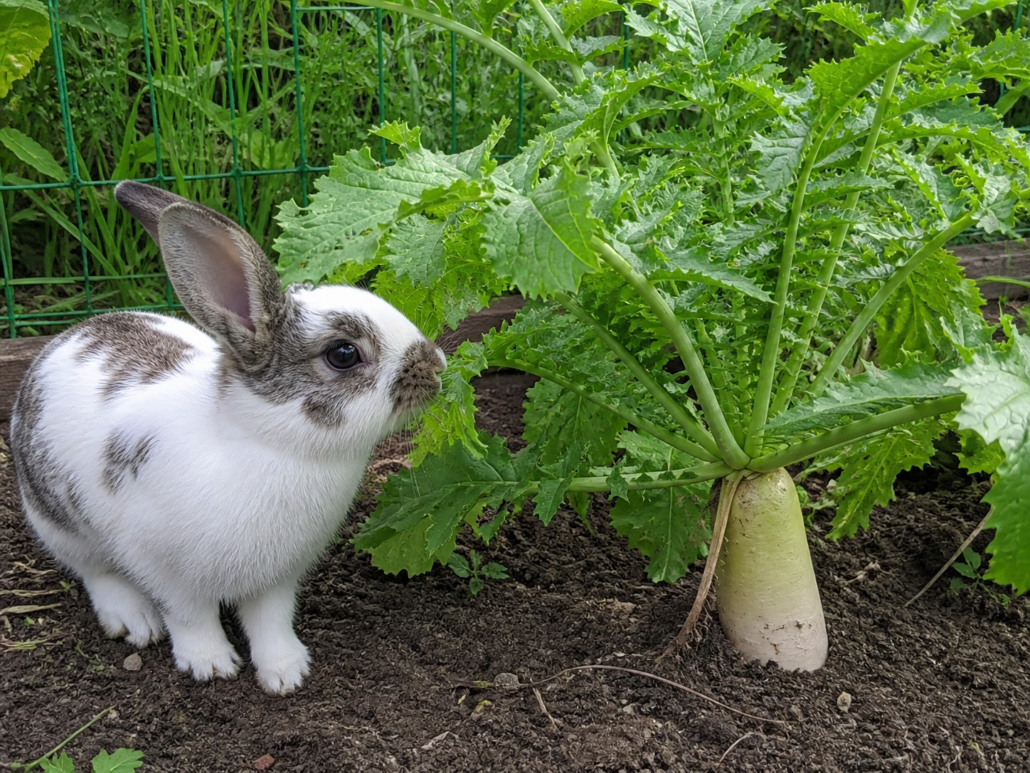
At other times of the year, radish root from the supermarket or other suitable plants must be used instead.
When Should a Rabbit with Snuffles See a Veterinarian?
As soon as the first signs of snuffles appear, such as sneezing, they must be taken very seriously. You should never simply “wait and see whether it goes away on its own,” but should begin treatment immediately.
If treatment is delayed, the snuffles usually can no longer be brought under control, or only with considerable effort over a long period of time.
If there is no improvement after five days of Angocin (see “First Aid” above), or if the rabbit’s condition worsens during treatment, a veterinarian should be consulted promptly.
Emergency veterinary care is necessary if the rabbit’s breathing changes. In cases of acute breathing difficulty, the rabbit shows increased flank movement while breathing and more pronounced movement of the nostrils. In extreme cases, the rabbit may raise its head or stretch it backward.
As first aid, crusts around the nose can be removed and mucolytic medication can be given (see below). The rabbit should be handled gently and transported carefully to an emergency veterinary service.
There, after stabilization with oxygen, the veterinarian will check for a potentially life-threatening pneumonia that may be causing the breathing difficulty and clean the nose so that the rabbit can breathe.
Rabbits are obligate nasal breathers and cannot breathe through their mouths when their nose is blocked.
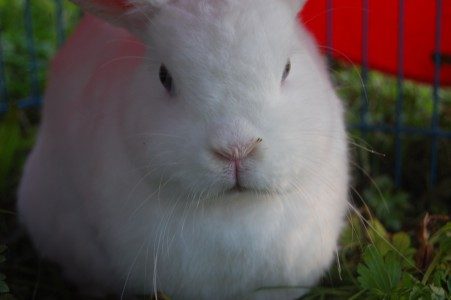
Diagnosis: Does My Rabbit Have a Cold, Rabbit Snuffles, or Something Else?
Is Rabbit Snuffles an Acute Emergency?
To determine whether emergency treatment is needed first, the veterinarian will initially check whether the rabbit has pneumonia by listening carefully to the lungs and assess whether the rabbit is experiencing breathing difficulties and needs to be stabilized with oxygen first.
What Causes Nasal Discharge in Rabbits?
The next step is a thorough examination and assessment of the rabbit’s symptoms at the veterinary practice. The symptoms are the most important diagnostic criterion for the veterinarian. They help determine how advanced the snuffles already is and whether other possible causes need to be considered.
The veterinarian will then consider what is actually causing the nasal discharge.
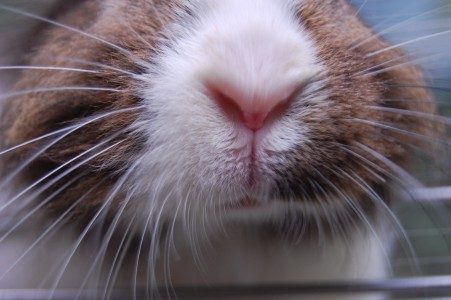
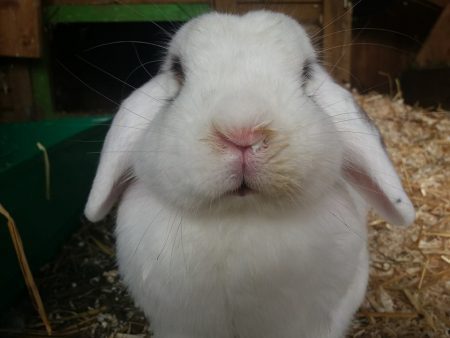
One-sided nasal discharge, and sometimes discharge from both nostrils, especially when it is purulent or white, is often not true rabbit snuffles. Instead, it may be pus caused by dental disease or by a foreign body in the nose, such as a blade of grass or a piece of hay.
If it is true rabbit snuffles, however, there is always stress — for example from housing conditions or bonding — or a serious underlying disease that weakens the immune system enough for the snuffles to develop.
The veterinarian must identify this underlying cause in order to bring the snuffles under control.
Other Causes of Sneezing, Nasal Discharge & Sneezing Fits in Rabbits
In addition to rabbit snuffles, several other conditions can cause sneezing.
- Allergies to dust, bedding, hay, straw, or other environmental substances are a possible cause, but such allergies are extremely rare. To check whether an allergy may be involved, use blankets or towels instead of bedding and offer fresh meadow forage instead of hay. Alternatively, hay can be offered in a cotton bag with small holes that allow the rabbit to pull it out. Hay should also not be refilled in the room where the rabbit lives. If an allergy is present, treatment with Enzymkomplex and Xanthium can be used.
- A foreign body in the nose can also cause sneezing and nasal discharge. This is often a piece of hay or a blade of grass.
- Very dry indoor air or extremely dry, hot weather can also be a cause.
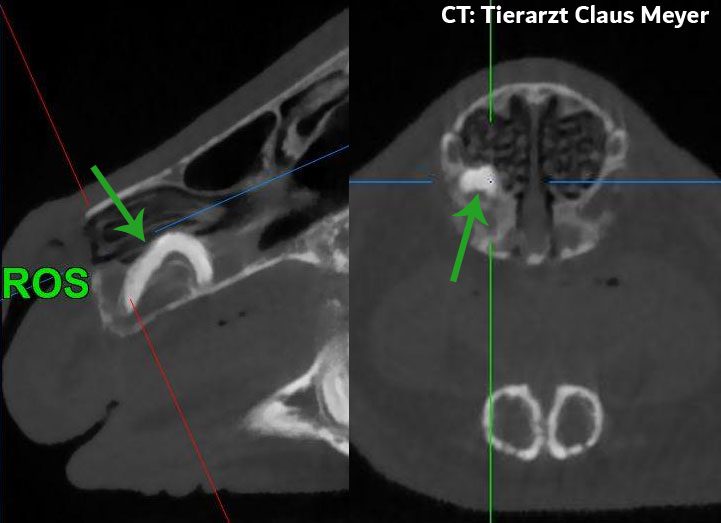
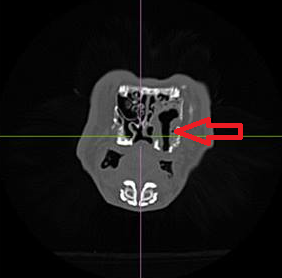
- Dental disease or a disorder of the nasolacrimal duct can also frequently cause chronic nasal discharge. For this reason, dental disease should always be ruled out with X-rays taken in multiple views, especially when the discharge is one-sided or occurs without sneezing.
Many rabbits with nasal or eye discharge actually have dental disease rather than rabbit snuffles.

Before assuming that a rabbit has snuffles, it is essential to rule out pus or inflammation in the head area, for example a foreign body in the nose or inflammation associated with dental disease.
For this, the teeth must be X-rayed in multiple views. The tooth roots cannot be seen simply by looking inside the mouth.
Many rabbits do not actually have snuffles at all, but rather a dental problem.
If pus or fluid is already coming from the nose or eyes, prompt action is necessary to prevent the inflammation from spreading. If treatment for snuffles is started merely “on suspicion,” valuable time is often lost.
In addition, a snuffles infection can spread to the ears and teeth, and further inflammatory lesions can develop elsewhere in the body
Why Can Dental Disease Cause Eye and Nasal Discharge in Rabbits?
In rabbits, the nasolacrimal duct, which connects the eye and the nose, runs directly alongside the open-rooted teeth. For this reason, pus from upper jaw abscesses—inflamed cavities around the tooth roots—often drains directly into the nose and blocks the nasolacrimal duct.
The reverse can also occur: chronic rabbit snuffles can cause inflammation of a molar or incisor located very close to the nasolacrimal duct, which can then lead to an abscess in the upper jaw.
See also: Jaw Abscesses
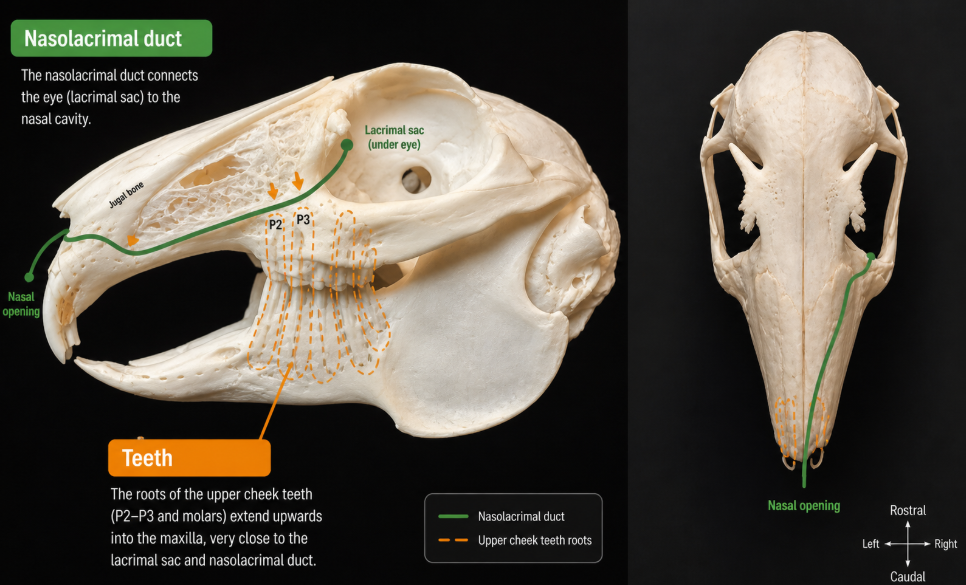
Brown: The part of the teeth that is not visible.
The nasolacrimal duct runs very close to the roots of the teeth (orange arrows), which is why diseases of the upper jaw, such as retrograde tooth growth or jaw abscesses, often become noticeable only through nasal or eye discharge.
Treatment: What Really Helps with Rabbit Snuffles?
Rabbit snuffles is usually not comparable to a common cold in humans, because respiratory infections in rabbits are most often caused by bacteria rather than viruses.
The Right Treatment for Rabbit Snuffles
Rabbit snuffles can be very persistent, especially if it is not treated early.
Treatment based on five pillars has proven effective. All five pillars need to be considered and implemented; otherwise, treatment is usually unsuccessful.
Important: All five building blocks/pillars must be implemented simultaneously and consistently over an extended period! Otherwise, there is little chance of successfully combating rabbit snuffles!

Pathogen Control in Rabbit Snuffles
Choosing the right antibiotic is crucial when treating rabbit snuffles.
Only the active substances enrofloxacin and the sulfonamides sulfadimethoxine (Relardon®) and sulfaquinoxaline are approved for use in rabbits. For this reason, other antibiotics often have to be used under the veterinary prescribing cascade.
Studies in rabbits show that bacterial colonization can vary considerably and that the bacteria involved may include both aerobic and anaerobic species. A bacteriological examination with antibiotic susceptibility testing (antibiogram) is therefore recommended.
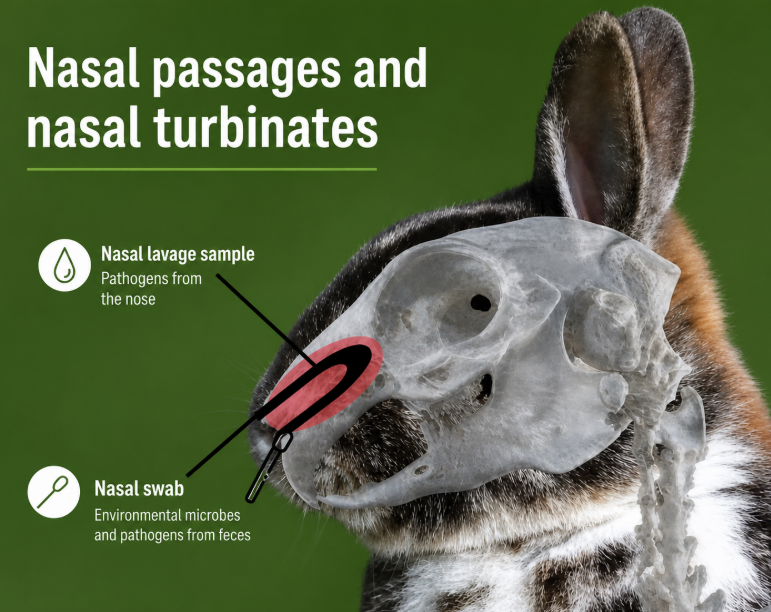
In rabbits with more severe snuffles, the veterinarian has the best chance of detecting the causative pathogen by taking a nasal lavage sample — not a standard nasal swab. Mycoplasma should also always be included in the testing.
The sample can then be used to determine whether a pathogen associated with rabbit snuffles is present and which antibiotic is effective against it.
The sample for the antibiogram should not be taken from pus, as pus usually contains pathogens that are no longer capable of multiplying.
Anaerobic bacteria that are present are often not detectable, but antibiotic treatment should always cover them as well, especially in cases of purulent nasal discharge.
In persistent cases, a sample taken from the lungs by bronchoscopy with bronchoalveolar lavage (BAL) can also be helpful. This may identify bacteria located deeper in the respiratory tract that are sometimes not detected in a nasal lavage sample.
Preparing an antibiogram usually takes about one week. During this time, the rabbit must already be receiving antibiotic treatment.
Suitable Antibiotics for Treating Rabbit Snuffles
Antibiotic treatment should be selected according to the antibiogram (antibiotic susceptibility test). However, the following antibiotics are often effective because they provide good coverage against the common pathogens involved:
- Doxycycline
- Azithromycin
Main Pathogens Involved in Rabbit Snuffles
The main pathogens associated with rabbit snuffles include:
- Pasteurella multocida
- Bordetella bronchiseptica
- Staphylococci, such as Staphylococcus aureus
- Mycoplasmas
However, several pathogens are almost always involved at the same time. These may also include Streptococcus species, Staphylococcus species, Haemophilus species, and Pseudomonas species.
Viruses are also suspected of being involved as co-pathogens.
In this case, antibiotics will not help; only dental treatment
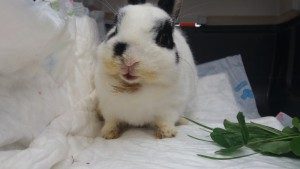
In cases of severe snuffles, a strong antibiotic must initially be part of the treatment to combat the infection effectively.
Reasons Why the “Right” Antibiotic May Not Work
- The nasal lavage sample may have detected only some of the pathogens, while an important pathogen was missed. This can occur, for example, with Mycoplasma, which must be specifically requested from the laboratory and is not included in a standard bacteriological examination.
- The underlying disease that is weakening the rabbit and triggering the snuffles may not have been identified or treated. This means the rabbit has a weakened immune system, often associated with granulocytopenia. In some cases, the immune system may need to be strengthened first, and further examinations may be necessary to identify the underlying disease.
- There may be a foreign body or abscess in the respiratory tract, or the teeth may be involved. This should be investigated with head X-rays taken in multiple views.
- The rabbit may have chronic snuffles as a result of delayed treatment, often involving damaged and chronically inflamed structures in the nasal cavity. In these cases, intensive treatment based on the antibiogram and involving all five treatment pillars (see graphic) may be necessary. Lifelong inhalation therapy, as well as mucus-loosening and pathogen-control measures, may also need to be discussed with the veterinarian.
- Antibiotic resistance may be present. For this reason, an antibiogram should be performed before treatment.
- Resistance may develop during treatment. In this case, the antibiogram should be repeated using another nasal lavage sample.
- The pathogen that was identified may not actually be the main pathogen responsible. The nasal lavage sample can be repeated, or another antibiotic that is considered promising may be tried empirically.
- The antibiotic may be poorly absorbed or not absorbed at all, or its effectiveness may be reduced when combined with other medications.
Autogenous Vaccine for Rabbit Snuffles
If antibiotic treatment is unsuccessful or the pathogen is multidrug-resistant, an autogenous vaccine prepared specifically for the affected rabbit or group can be used in addition to antibiotic therapy to help combat and eliminate the pathogen.
For this purpose, a nasal lavage sample is sent to a laboratory that produces the vaccine. The vaccine is then administered to the affected rabbits. They subsequently develop immunity against the pathogen, allowing the immune system to fight it.
The vaccine can be injected or administered orally.
[More information]
Some pathogens are not covered by every laboratory. This applies, for example, to Mycoplasma. An autogenous vaccine against Mycoplasma can, for example, be produced by the INVAC laboratory.
Aromatogram Testing for Rabbit Snuffles
It is now possible to test not only which antibiotics are effective against a pathogen, but also which essential oils can combat it.
This test is called an aromatogram. For the test, a nasal lavage sample is sent to a laboratory. The laboratory then provides a list of the essential oils that are effective against the pathogen.
The selected essential oils can then be used for inhalation and administered orally.
Strengthening the Immune System in Rabbits with Snuffles
Immune-supporting products can be useful. In cases of mild snuffles, they are often sufficient when combined with pathogen-killing agents, making it possible to avoid antibiotic treatment.
Rabbit snuffles places a significant strain on the immune system, which needs some time to recover. Gladiator Plus is very well suited for supporting the immune system and is given as a 40-day course. This usually already reduces the severity of the snuffles and allows other treatments to work considerably better. Umijo Pet is another useful option for supporting the immune system.
Some rabbits experiencing snuffles for the first time — not rabbits with chronic snuffles — may benefit from a course of Zylexis. However, this should only be used if the rabbit is otherwise in good general condition.
The diet should include some forage plants with a high content of essential oils, as these are pathogen-killing plants.
Suitable plants include:
- Thyme
- Oregano — also available as a feed or drinking-water oil; ideal for preventing snuffles within a group or as supportive treatment
- Ivy
- Thuja
- Sage
- Nasturtium
- Radish
- Conifer branches — except yew, which is toxic
Offering a selection of these herbs around the clock can be very effective in resolving snuffles. Thuja also strongly activates the immune system.
Black cumin pellets and flax pellets are also well-established options.

Cleaning the Nose and Loosening Mucus in Rabbits with Snuffles
If there is nasal discharge, the first step is to clean the nose thoroughly and loosen any crusts. The crusts can be softened and removed so that the nose is kept clear. If necessary, nasal secretions can be suctioned out using a baby nasal aspirator — ideally one designed for use with a vacuum cleaner, as it removes secretions particularly effectively — or with a pipette or syringe.
The nose can also be flushed with saline solution (NaCl) using a suitable syringe. For this purpose, a syringe filled with NaCl is used to flush each nostril.
In addition, mucolytics should generally be given orally. Two preparations can also be combined to improve the effect. Suitable options include:
- Bromhexine: for this specific product, 0.04–0.08 ml/kg, 2–3 times daily
- ACC children’s syrup: 0.25 ml/kg, 2–3 times daily
Certain mucus-loosening plants can also help, including plants containing mustard oils, such as nasturtium, horseradish, and radish, as well as plants rich in essential oils, such as thyme, oregano, and thuja.
Inhalation for Rabbit Snuffles
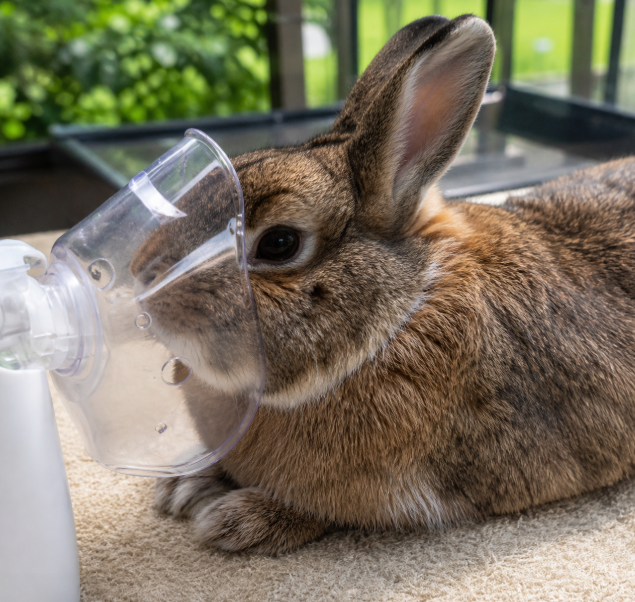
Inhalation can provide relief in everyday life, particularly in rabbits with chronic snuffles.
A gentle way to provide steam inhalation is to place the rabbit in a carrier or rabbit shelter and position a bowl of boiling water in front of the mesh. A towel placed over the setup helps direct the steam into the carrier.
Quiet cool-mist nebulizers used as inhalers are also very useful. They can be placed next to the rabbit while it is given something tasty to eat.
Saline solution (NaCl) is suitable for inhalation. One drop of essential thyme oil or a mucolytic can be added.
Mucolytics suitable for inhalation include:
- Acetylcysteine — ACC, such as Equimucin or ACC inject; prescription only
- Ambroxol hydrochloride — such as Ambroxol inhalation solution or Mucosolvan
Depending on the consistency of the mucus, the veterinarian will prescribe the appropriate medication.
Measures used to suction nasal secretions often work better after inhalation.
A blocked nose can very quickly lead to pneumonia, which is often fatal.
Keeping Nasal Secretions Thin
If the rabbit takes in plenty of water, the mucus becomes thinner and is more likely to drain.
To encourage fluid intake, natural, unfiltered fruit or vegetable juices without added sugar, diluted with water, can be offered in addition to normal drinking water.
Rabbits should also be fed almost entirely fresh food.
In cases of severe snuffles, fluid therapy (infusions) can also help.
A humidifier can improve the indoor climate when heated indoor air is very dry.
Stress-Free Inhalation Training for Rabbits with Chronic Snuffles
If your rabbit has previously been forced to inhale, it may associate the inhalation mask with restraint and stress. Make sure you have two different masks: one is used only for training and is never used under restraint. Once the rabbit inhales voluntarily, the old mask can be replaced with the training mask. In milder cases, you may be able to start training before inhalation treatment is needed, so that the mask is associated only with positive experiences from the beginning.
If you have a rabbit with chronic snuffles, you can train it to inhale voluntarily. This type of training is somewhat more advanced and is less suitable for beginners in medical training, as it involves several steps and takes considerably longer. However, the effort is worthwhile if inhalation can eventually be carried out without stress.
- Create a positive association with the inhalation mask.
At first, the easiest way to do this is to offer treats from inside the mask. - Reward the rabbit for placing its nose inside the mask.
Once the rabbit associates the mask with treats, reward it whenever it puts its nose into the mask. Most rabbits do this immediately because they expect treats inside. As soon as the rabbit places its nose even slightly into the mask, reward it. Reinforce this behavior and gradually increase the amount of time the rabbit keeps its nose inside the mask. - Adapt the mask for training if necessary.
You can cut a small opening in the mask below the rabbit’s mouth so that treats can be passed through during training. - Create a positive association with the sound of the inhalation device.
Before actual inhalation can begin, the rabbit must become comfortable with the sound of the device. Turn the device on for a few seconds and immediately give a reward. Gradually increase the amount of time the device is running until the rabbit treats the sound as normal and no longer shows fear. - Combine the mask with the running inhalation device.
Now encourage the rabbit to place its nose into the mask while the device is switched on. Train this in the same way as before, gradually increasing the amount of time the rabbit remains at the mask.
Eventually, the rabbit will inhale voluntarily.
Of course, many other behaviors can also be trained in this way, such as voluntarily entering a carrier or allowing you to look inside the ears.
The same principle applies to all of these behaviors: proceed in small steps and create a positive association. Explaining every possible application in detail would go beyond the scope of this article.
Have fun trying it out!
Nasal Surgery (Rhinotomy) for Chronic Rabbit Snuffles
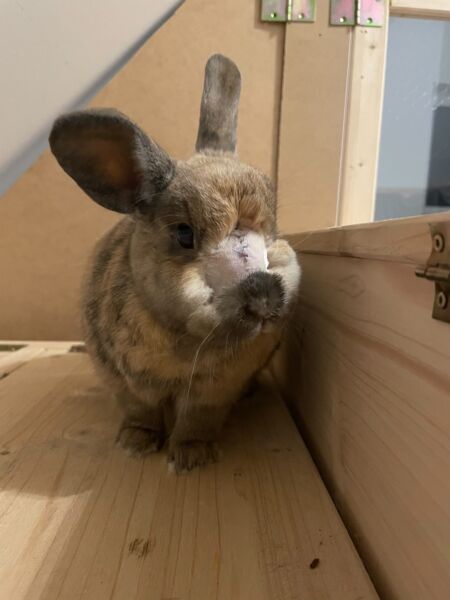
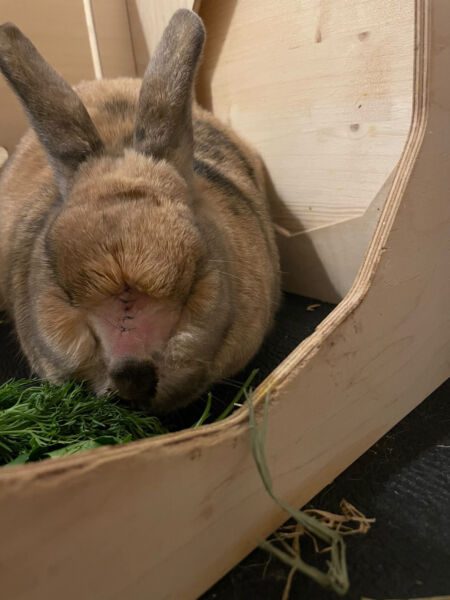
In cases of chronic rabbit snuffles, surgery can sometimes help. During the procedure, the inflamed tissue is surgically removed so that the affected area can heal more effectively. In some cases, a drain is placed so that the nasal cavity can continue to be flushed for a period of time while it heals.
Case Report (Photos)
Marie had purulent rhinitis, which had already caused the bone to begin to break down. She also developed low body temperature and neurological symptoms similar to those seen with E. cuniculi (EC), although no cause for these symptoms could be identified.
Marie underwent a rhinotomy, which healed very well, and her condition improved significantly. Since then, she has had no further symptoms of snuffles, and the surgery saved her life.
After Rhinotomy
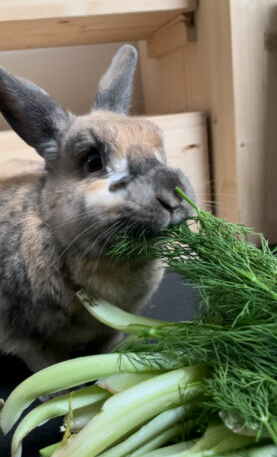
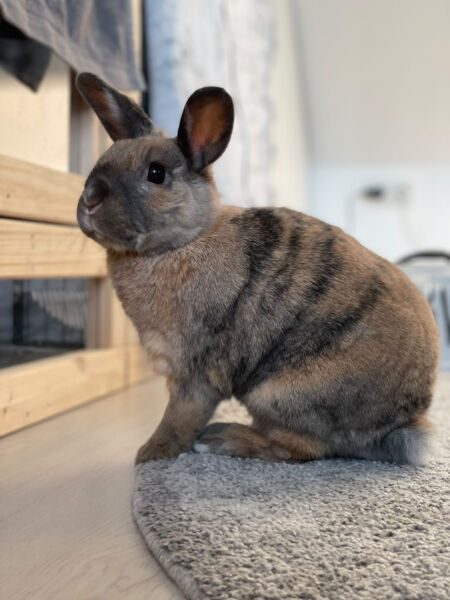
Housing Conditions for Rabbits with Snuffles
Rabbit snuffles is influenced by many different factors. However, rabbits kept under ideal housing conditions are affected significantly less often than rabbits kept under poor conditions. For this reason, rabbit snuffles is also described as a multifactorial disease.
There are also several ways in which housing conditions can be improved specifically for rabbits with snuffles.
Outdoor or Indoor Housing?
Although outdoor housing is often recommended for rabbits with snuffles because it is considered beneficial, this is not always confirmed in practice.
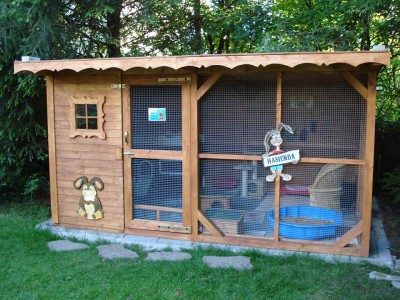
For rabbits kept indoors, it is important to humidify dry indoor air, for example by placing a wet towel on a radiator or using other methods. Adequate humidity is important for the respiratory tract. A UVB lamp is also essential.
For rabbits kept outdoors, particular attention should be paid to good weather protection, windproof areas, and dry bedding.
The rabbits’ need for space must also be taken into account. Plenty of space leads to more harmonious groups and reduces infection pressure. The closer the housing conditions are to ideal, the more positively this affects the immune system.
Diet for Rabbits with Snuffles
A poor diet can promote snuffles, while a good diet can help reduce it.
Make sure the rabbit receives a fresh-food-rich diet that meets its nutritional needs, and become thoroughly familiar with the nutritional requirements of rabbits.
Rabbits with snuffles should receive particularly large amounts of herbs, including both wild and culinary herbs.
Herbs that are especially important for the respiratory tract include:
- Sage
- Peppermint
- Thuja
- Oregano
- Nasturtium
- Ribwort plantain
- Thyme
Good results have also been reported with ginger and horseradish, although rabbits often do not start eating them until after a few days. If the rabbit does not eat them at all, they can be grated and hidden in mashed banana.
Warmth
Warmth can help with snuffles. A heat lamp or a UVB lamp can be made available to the rabbit.
Bedding and Dust
Bedding should be particularly low in dust, for example hemp bedding or Ecoflax.
Ideally, only the litter box should contain bedding rather than the entire enclosure. Cotton rugs and blankets can be used in the rest of the enclosure.
Hay should also be low in dust, preferably hot-air dried. Dusty bedding and dusty hay irritate the already affected respiratory tract and can worsen snuffles.
Rabbits with snuffles are particularly sensitive to damp bedding or bedding contaminated with ammonia, so their areas should be cleaned very frequently.
Wood pellets have also proven useful because they bind ammonia particularly well and are highly absorbent and low in dust.
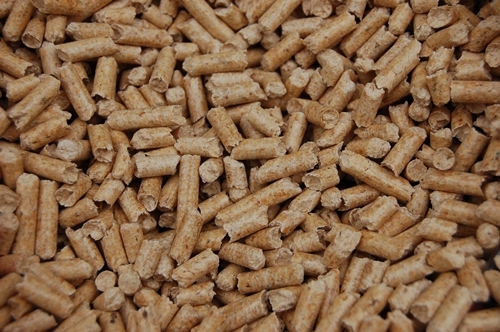
Ideal Bedding for Rabbits with Snuffles
Vaccination Against Rabbit Snuffles
Until recently, rabbits could be vaccinated against two of the pathogens associated with rabbit snuffles: Pasteurella multocida and Bordetella bronchiseptica. The vaccine has since been withdrawn from the market.
However, this vaccination is not recommended, as it does not cover all of the pathogens involved. It is only considered useful in large rabbit populations to reduce the overall infection pressure.
After vaccination, some rabbits that previously appeared healthy develop snuffles. In large populations, these rabbits are killed in order to eliminate the disease. In pet rabbit care, of course, this is not a solution.
There is, however, the option of producing an autogenous vaccine specifically tailored to the pathogens involved. See the separate section on autogenous vaccines above.
Is Rabbit Snuffles a Lifelong Disease?
A large proportion of rabbits living in Germany are latently infected with the pathogens that cause rabbit snuffles, meaning that they carry the pathogens without showing any symptoms.
Some rabbits experience occasional outbreaks, which appear as sneezing and the other symptoms described above, particularly when their immune system is weakened.
If an outbreak is treated right at the beginning, when the rabbit is only sneezing, it can usually be brought under control without difficulty. Further outbreaks may occur, but they do not necessarily have to. With optimal nutrition and housing conditions, rabbits often remain healthy for life.
Rabbits with a chronically weakened immune system, or rabbits whose snuffles remained untreated for a long time, are often chronically affected and need to be kept stable with inhalation and other supportive measures.
The extent of rabbit snuffles that is often portrayed so dramatically as an epidemic frequently develops because owners do not take the first symptoms seriously and leave the snuffles untreated for too long, often together with poor nutrition and housing conditions. Incorrect treatment can also contribute.
However, chronic snuffles can also occur in rabbits affected by other chronic diseases that weaken the immune system.
Rabbit snuffles can also be particularly problematic when rabbits become infected very early in life, while still with their mother. In these rabbits, it usually occurs more frequently in recurring episodes or as persistent snuffles because the immune system has often adapted to living with the infection.
Is Rabbit Snuffles Contagious?
As described above, many rabbits carry the pathogens without ever becoming ill.
In breeding populations, 25–100% of rabbits are generally infected with Pasteurella. Pasteurella is only one of the pathogens associated with rabbit snuffles; many others may also be involved.
In commercial meat-rabbit populations, depending on the population, 75–100% of rabbits are carriers of the pathogen. It is assumed that infection rates in pet rabbit populations are similarly high.
The pathogens are transmitted by droplet infection through direct contact, during birth, or via contaminated objects. The incubation period is two weeks.
Only a small proportion of infected rabbits actually develop symptoms. Most rabbits are infected but remain completely healthy.
For this reason, when rabbits are kept in groups, it is very likely that some of them have already become infected, and establishing rabbit populations that are completely free of all of these pathogens is almost impossible.
Some organizations separate rabbits that have previously had outbreaks of snuffles from rabbits that have never shown symptoms. However, because many rabbits that have never shown snuffles symptoms still carry the pathogens, this is not necessarily useful.
Groups consisting only of rabbits with snuffles are also not beneficial for the affected rabbits. These rabbits may carry different pathogens and secondary pathogens and pass them on to other immunocompromised rabbits, whose immune systems then have to cope with even more pathogens.
Another difficulty is that even with a nasal lavage sample, the main pathogen may sometimes not be detectable, or only some of the pathogens involved may be identified. Rabbit snuffles is almost always caused by several pathogens at the same time.
Whether a rabbit is definitely carrying one of these pathogens can only be determined with certainty after death.
Rabbits with snuffles that currently show no symptoms (“dry snufflers”) should be treated like any other rabbit.
Rabbits with active symptoms, however, can infect other immunocompromised rabbits because an acute outbreak creates a high pathogen load in the enclosure. These rabbits should not necessarily live with other rabbits that have weakened immune systems and should be treated promptly so that the infection pressure in the enclosure decreases.
Normally, an acutely affected rabbit can remain with other rabbits that have a healthy immune system without problems. These rabbits are at lower risk than an immunocompromised rabbit that may already have snuffles involving other pathogens.
Keeping a rabbit alone is never a solution. Because so many rabbits are already infected — and because infection cannot reliably be ruled out even with a nasal lavage sample from the upper respiratory tract — otherwise the majority of rabbits would have to be housed individually.
In addition, solitary housing causes hidden stress. Rabbits cannot relax deeply because there is never another rabbit keeping watch and warning the resting rabbit of danger, as happens in a group.
This stress can worsen rabbit snuffles.
Frequently Asked Questions About Rabbit Snuffles
Is rabbit snuffles contagious?
Yes. The pathogens involved in rabbit snuffles can be transmitted by droplet infection through direct contact, during birth, or via contaminated objects. However, many rabbits already carry these pathogens without ever developing symptoms. Only a proportion of infected rabbits actually become ill.
Can rabbit snuffles become chronic?
Yes. Rabbit snuffles can become chronic, particularly when treatment is delayed, the immune system is weakened, or the rabbit has another underlying disease. Rabbits that were infected very early in life may also experience recurring episodes or persistent snuffles.
When is rabbit snuffles an emergency?
Rabbit snuffles becomes an emergency when breathing changes or the rabbit develops difficulty breathing. Warning signs include increased flank breathing, pronounced movement of the nostrils and, in extreme cases, raising the head and extending it backward. The rabbit should then receive emergency veterinary care.
Can dental disease cause nasal discharge in rabbits?
Yes. Dental disease is an important possible cause of nasal or eye discharge in rabbits. The nasolacrimal duct runs very close to the tooth roots. Inflammation or abscesses involving the upper jaw can therefore cause discharge from the nose or eyes. Dental disease should be ruled out with appropriate diagnostic imaging.
Can a rabbit with snuffles live with other rabbits?
Yes. Most rabbits already carry bacteria associated with rabbit snuffles without ever becoming ill. As long as the immune system remains strong, particularly when rabbits are kept under species-appropriate housing and feeding conditions, the infection may remain without symptoms and snuffles does not break out.
For this reason, rabbit snuffles is never a reason to keep a rabbit alone or permanently separate it from its group. Social contact with other rabbits is an essential part of species-appropriate husbandry. Solitary housing causes stress, which can itself worsen rabbit snuffles.
Can rabbit snuffles be cured if treatment starts early?
If rabbit snuffles is treated right at the beginning, when sneezing is the only symptom, it can usually be brought under control without difficulty. Further outbreaks may occur, but they do not necessarily have to. With optimal nutrition and housing conditions, rabbits can often remain healthy for life.
About This Article
Original content by Viola Schillinger, veterinarian
Veterinarian specializing in rabbit health, nutrition and species-appropriate husbandry, and founder of Kaninchenwiese.de, a long-established German rabbit care and health resource reaching around 500,000 visitors per month.English translation and adaptation by Erika Kühne Escobar
Medically reviewed by Viola Schillinger, veterinarian
Last medically reviewed: August 2026
Sources, including:
Brendieck-Worm, C., & Melzig, M. F. (Eds.). (2018): Phytotherapie in der Tiermedizin. Georg Thieme Verlag.
Ewringmann, A. (2016): Leitsymptome beim Kaninchen: diagnostischer Leitfaden und Therapie; 33 Tabellen. 3. Auflage, Georg Thieme Verlag.
Ewringmann, A. (2017). Keimspektrum und Antibiotikasensitivitäten bei eitrigen Zahnerkrankungen von Kaninchen. Tierärztliche Praxis Kleintiere/Heimtiere, 45(06), 373-383.
Flecknell, P. A. (2000): BSAVA manual of rabbit medicine and surgery. British Small Animal Veterinary Association.
Gabrisch, K. (2010): Krankheiten der Heimtiere. Schlütersche.
Glöckner, B. (2014): Kaninchenschnupfen–Verlauf, Therapie und Prognose. kleintier konkret, 17(S 01), 2-6.
Harcourt-Brown, F., & Chitty, J. (2013): BSAVA manual of rabbit surgery, dentistry and imaging. BSAVA manual of rabbit surgery, dentistry and imaging.
lgl Bayern (2012): Tiergesundheit: Pasteurellosen (enzootische Bronchopneumonie der Wiederkäuer, enzootische Pneumonie des Schweines, ansteckender Kaninchenschnupfen, Geflügelcholera).
Zinke, J. (2004): Ganzheitliche Behandlung von Kaninchen und Meerschweinchen: Anatomie, Pathologie, Praxiserfahrungen; 14 Tabellen. Georg Thieme Verlag.
Varga, M. (2014): Textbook of Rabbit Medicine. Second Edition.
Wright L, Mans C (2018): Lateral rhinostomy for treatment of severe chronic rhinosinusitis in two rabbits. J Am Vet Med Assoc 252(1): 103–107
Zinke, J. (2006): Behandlung infektiöser Erkrankungen bei Kaninchen und Meerschweinchen. Biologische Tiermedizin, 13.