
Proper Treatment of Abscesses
Important: Open wounds, such as abscesses, are at risk of being infested by fly maggots. This can happen within hours and may lead to death. Protect your rabbit!
Important: For the treatment of abscesses in the head and neck area, please read more here: Jaw Abscesses.
Cause: How Do Abscesses Develop?
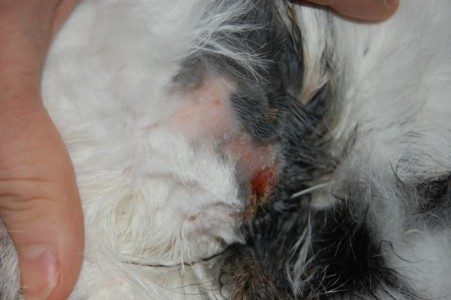
Abscesses are a common condition in rabbits. They usually form due to small wounds (mostly bite injuries but also injuries from the enclosure), surgical scars (e.g., castration abscesses, abscesses after tooth extraction), and in the head and jaw area due to dental misalignment (injuries from improperly positioned or growing teeth), food remnants between the teeth, and tooth root diseases. Additionally, pathogens in the bloodstream can lead to internal abscesses.
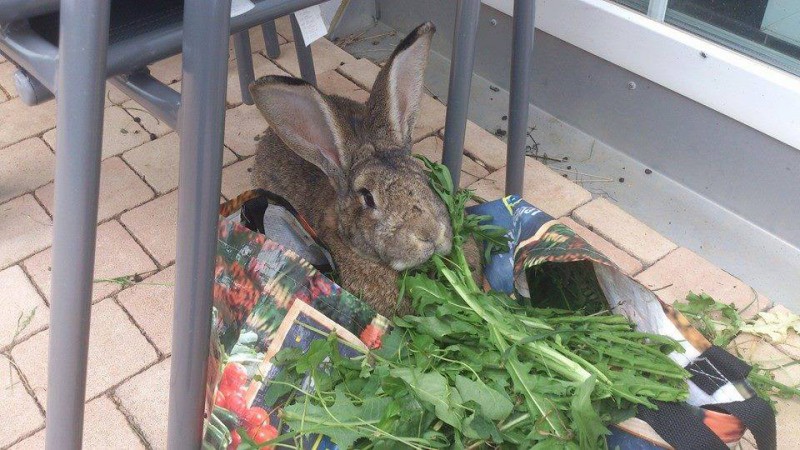
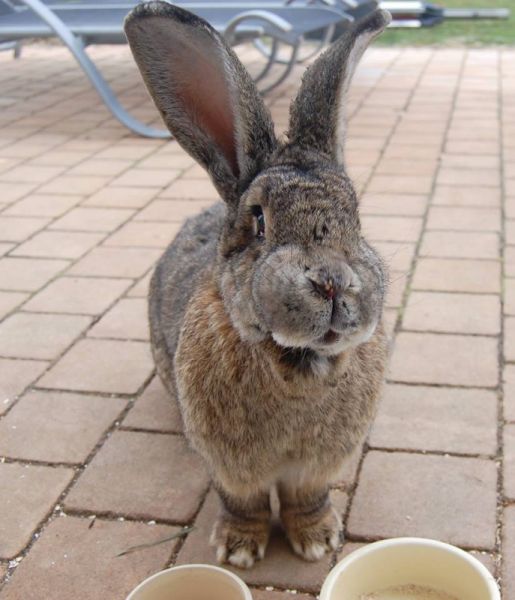
German Giants are particularly prone to developing abscesses. Rabbit wounds tend to produce pus very quickly, so proper wound care is essential. To protect healthy tissue, the body encapsulates the pus with a membrane (abscess capsule), forming an abscess.
Diagnosis: How to Recognize an Abscess?
Abscesses become visible as lumps or swellings when palpated. They continue to grow, often enlarging significantly within a short time. The lump feels firm and is usually not movable. Jaw abscesses are often not detectable by touch but manifest through symptoms such as loss of appetite, drooling, and quieter behavior.
Since abscesses are painful, rabbits may show signs of discomfort depending on the location. In advanced stages, they may move less due to skin tension or pressure on the joints, or they may eat less.
If you suspect an abscess, visit a veterinarian. The vet can confirm the diagnosis by puncturing the lump with a needle or, if necessary, opening it. If it is an abscess, thick, white-yellowish pus will emerge.
Treatment: How Are Abscesses Treated?
Since rabbits produce thick, sticky pus (with a consistency similar to butter or margarine), it does not drain on its own, making abscesses particularly difficult to treat. Always consult a veterinarian, as untreated abscesses cause severe pain, weaken the immune system, and, in rare cases, can lead to blood poisoning (sepsis). If an abscess is detected and treated early, it usually heals quickly. However, if treatment is delayed, it often requires extensive surgery and long-term care, as the abscess becomes heavily encapsulated. Over time, deep fistula tracts may develop, making treatment even more challenging.

There are several treatment options, and the best approach depends on factors such as the rabbit’s overall health (ability to undergo anesthesia), the owner’s ability to assist with treatment (e.g., flushing the wound), the size and location of the abscess, and the type of abscess (jaw abscess, deep abscess, superficial abscess, etc.). In most cases, multiple methods are combined for effective treatment.
- Lancing the Abscess: The abscess is opened with a small incision of about 1 cm, the pus is squeezed out, and the abscess capsule is then flushed daily (preferably twice a day at first). Flushing continues until no more pus comes out. When first opening the abscess, the rabbit should receive local anesthesia (such as freezing spray or another local anesthetic). The area is shaved and disinfected before the procedure. Opening the abscess usually provides relief for the rabbit, as it releases pressure and tension on the skin. Since daily vet visits can be stressful for the rabbit, it is advisable to learn how to flush the abscess at home. However, abscess flushing is stressful, requires a longer healing process, and can be painful for the rabbit. While this method is commonly used, other treatment options should be considered first if possible. It is best suited when anesthesia must be avoided due to the rabbit’s poor health or when other treatments have failed. We have found that adjusting the flushing solution to the condition of the abscess improves outcomes. At the beginning, when the abscess is still producing a lot of pus, stronger disinfecting solutions such as calendula essence, Rivanol, diluted iodine, or 3% hydrogen peroxide are used. Later, as healing progresses, gentler solutions like colloidal silver, water, or highly diluted saline solution are preferred to support faster healing. In the first few days, flushing twice daily is recommended; later, once a day is usually sufficient. Rabbits in good health may close the opened abscess very quickly, sometimes within two hours. Therefore, the wound must be reopened before each flushing. This is best done by gently pulling the incision apart, softening the scabs, and inserting the syringe. In some cases, the wound may need to be carefully reopened with a scalpel. Flushing is performed with a syringe, ideally fitted with a blunt needle to ensure that all abscess cavities (fistula tracts) are reached while keeping the opening as small as possible. For non-draining abscesses with an upward-facing opening, simply filling them with a disinfecting solution once daily may be enough until they heal.
- Antibiotic Treatment: Regardless of the treatment method, administering an antibiotic is essential. While Baytril is generally well tolerated, it has proven ineffective in practice, especially for severe abscesses, as the pus is often resistant to this drug. A significantly faster healing process and more effective pus elimination can be achieved with penicillin. The use of penicillin is controversial because it is toxic when given orally and can even be fatal. However, it is commonly used to treat rabbit syphilis. Less well known is that subcutaneous penicillin injections are generally well tolerated and highly effective against abscesses, having saved many rabbits with severe pus formation. One of the best-tolerated options is Veracin, but many small animal veterinarians do not stock it, as it is now only approved for large animals. Veracin should be administered daily rather than every two days (or Veracin RS 0.1 ml/kg once daily). As an alternative, Duphamox can be used daily (10–20 mg/kg once daily). When injecting penicillin, it is crucial to prevent any residue from remaining at the injection site, as the rabbit could ingest it while grooming. For abscesses involving the bone, an additional bone-penetrating antibiotic, such as Baytril, should be administered. In cases of severe, recurrent abscesses, particularly in the jaw area, lifelong antibiotic treatment may be necessary in rare cases.
- Natural Remedies for Abscesses: Two highly effective medicinal plants for treating pus and abscesses are ginger and horseradish in combination. However, rabbits often dislike the taste, so these should be mixed with a favorite food (e.g., banana) to increase acceptance. Horseradish is a powerful broad-spectrum antibiotic, effective against both gram-positive and gram-negative bacteria, making it useful for conditions such as jaw infections and abscesses. Ginger helps by reducing inflammation and boosting the immune system.
- These plants should be given once or twice daily and continued for a few days beyond the healing process to ensure full recovery.
- For painful abscesses, it may be necessary to administer a painkiller (such as Metacam). This is especially important for jaw abscesses, as it helps ensure the rabbit continues to eat.
- Abscess Removal: If the abscess is well-defined, it can often be completely removed (including the capsule) through surgery. This method, when possible, is always the best option. After the removal, no further treatment is typically needed, aside from antibiotics and possibly pain medication.
- After the abscess surgery, Leucase N cones can be inserted. These provide local antibiotic action, numb the wound, dissolve on their own, and do not need to be removed. Since they only work for a short period, they need to be replaced frequently or followed by flushing.
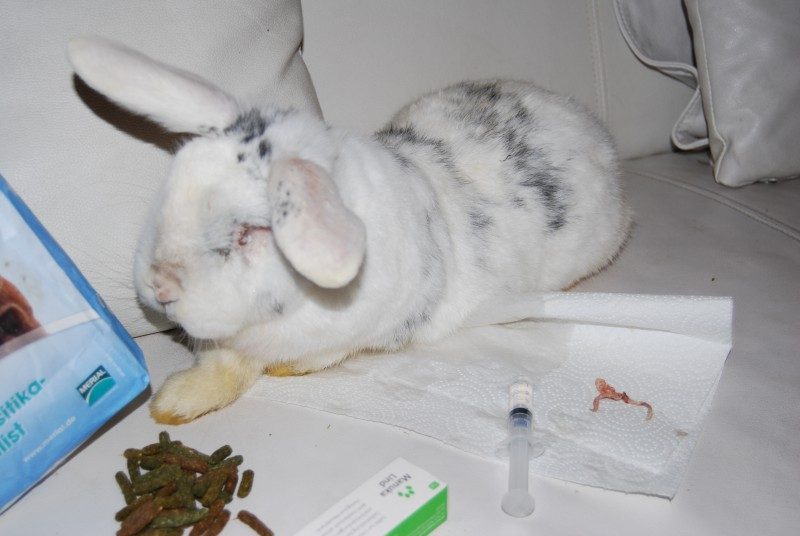
- It is advisable to administer an antibiotic (injection solution) into the wound during the first few days after flushing. If the antibiotic leaks out and can be licked off, only Baytril or another orally tolerated antibiotic is recommended.
- Good experiences have also been made with Manuka Lind Healing Honey or Manuka G Wound Ointment. When applied to the wound, it has mild antibiotic properties and promotes healing. After flushing the wound, we fill it with Manuka honey, which reduces the formation of new pus and accelerates the healing process within the abscess.
- Another treatment option is a Septocoll fleece, which is placed into the wound after surgery, eliminating the need for flushing. The experiences with this method vary, and unfortunately, the fleece is quite expensive.
- It is essential to identify and address the underlying cause of the abscess. Especially in the head and jaw area, dental issues are often the cause, which can be detected through an X-ray. In some cases, these issues may need to be removed. The X-ray also helps determine if the jawbone is involved. If the cause is not thoroughly investigated and resolved, the abscess will recur or may not heal at all. Jaw Abscesses.
If the abscess is in contact with the ground, absolute cleanliness must be maintained. To prevent the wound from becoming contaminated, cloths can be used instead of bedding.
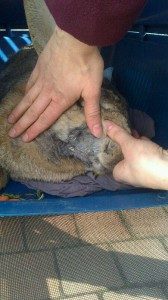
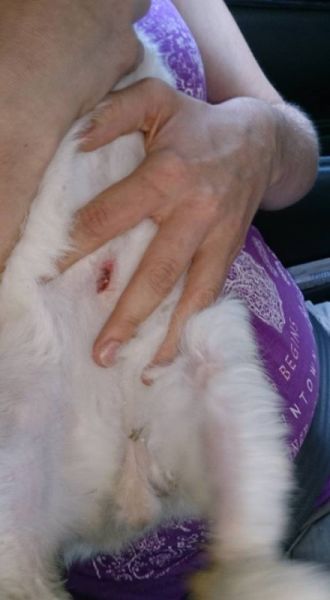
Abscess/Lump in the Belly: Before – After
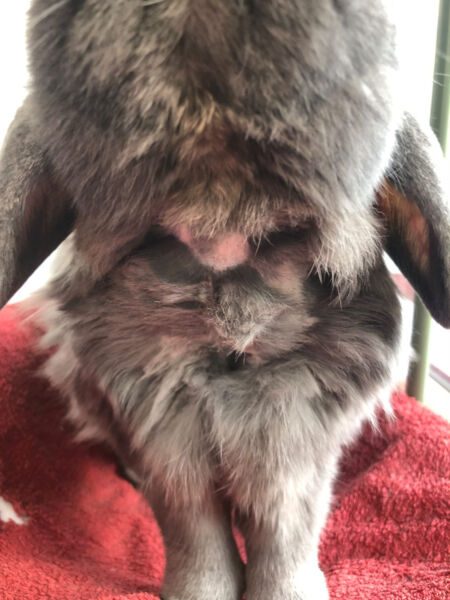
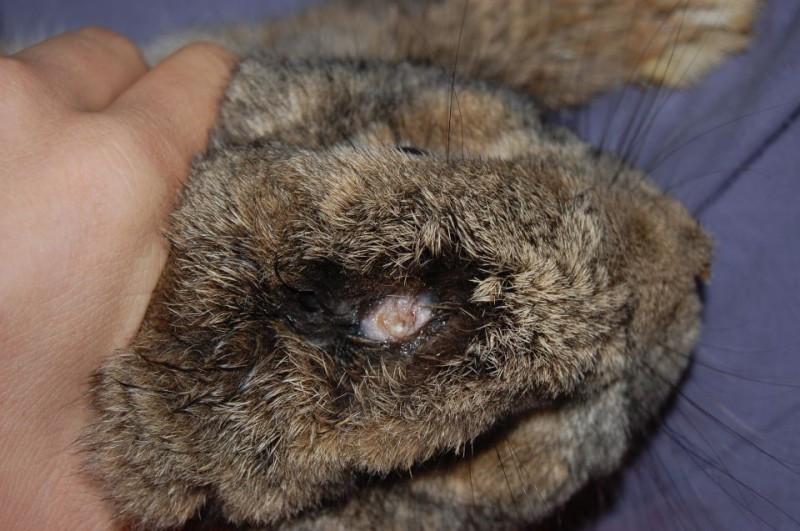
Abscess Behind the Eye
Suddenly protruding eye and third eyelid:
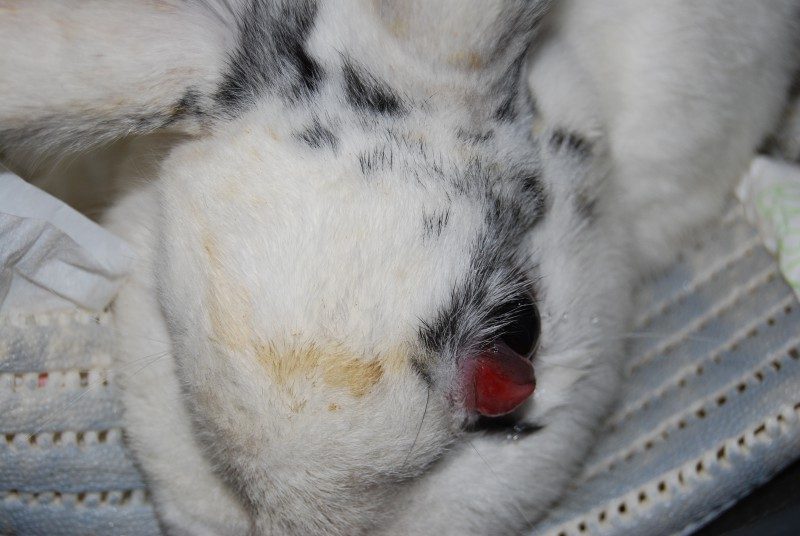
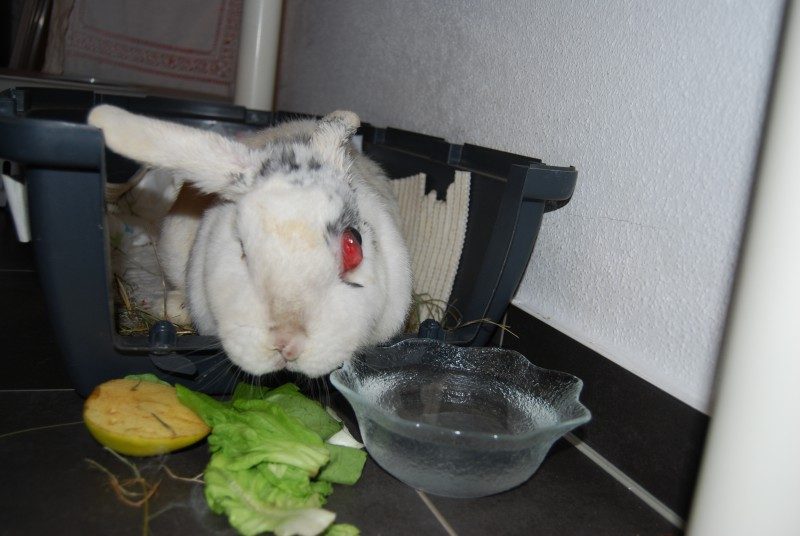
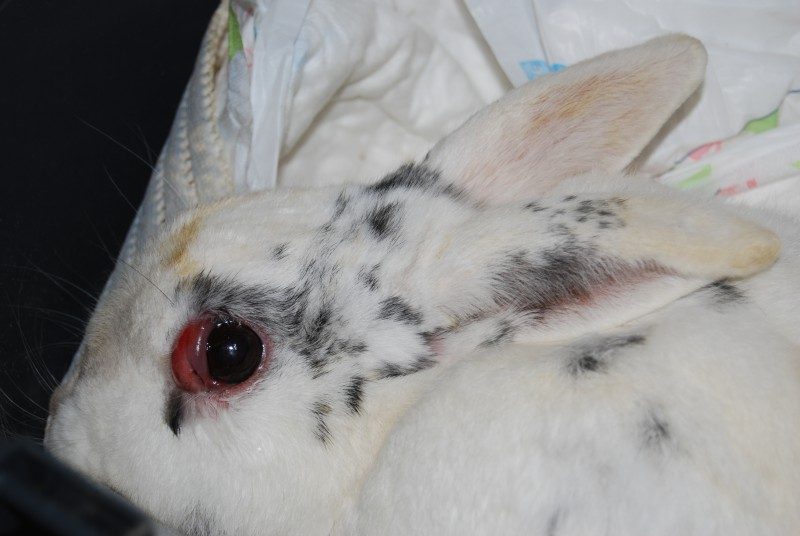
Surgical Removal (the teeth were ruled out as the cause through X-rays):
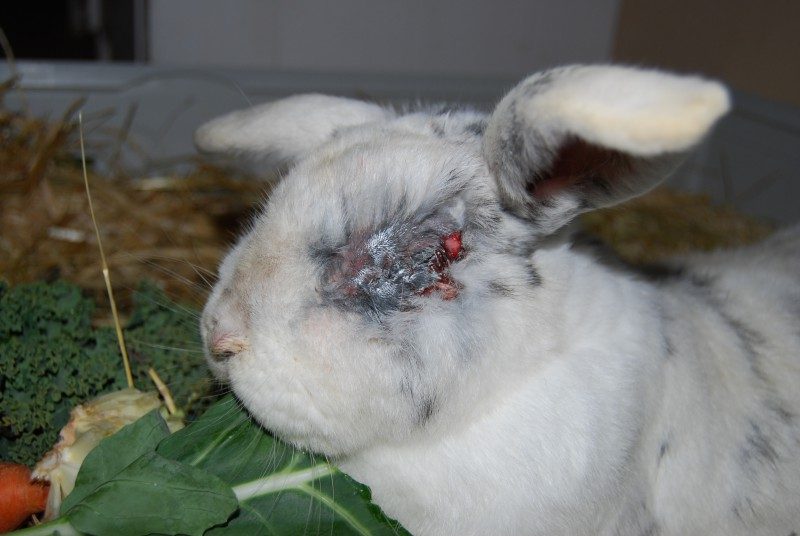
Discharge After Surgery:
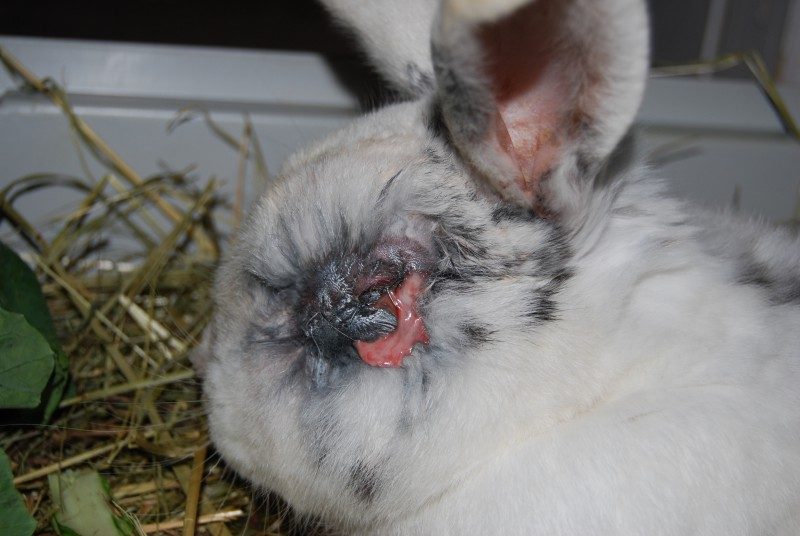
Drainage (after the abscess started producing pus again 10 days after surgery):
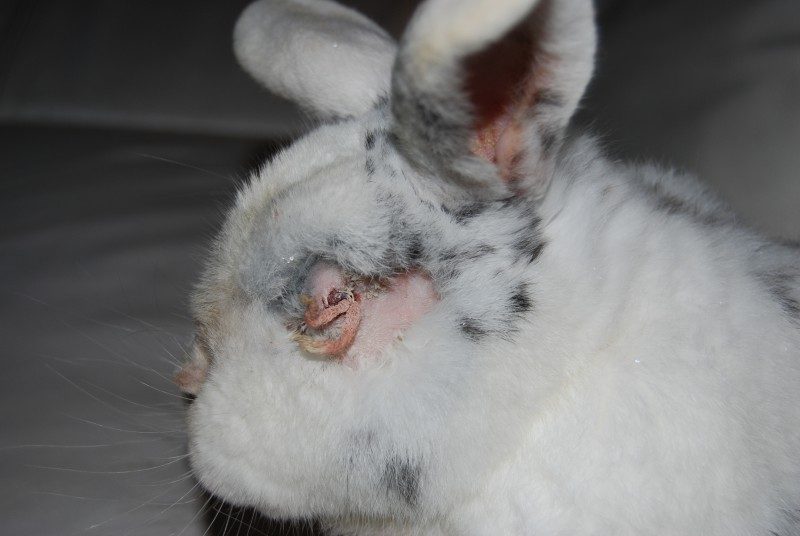
Daily flushing with hydrogen peroxide, treatment with Duphamox (injected) & Baytril, and Manuka honey applied to the wound after flushing:
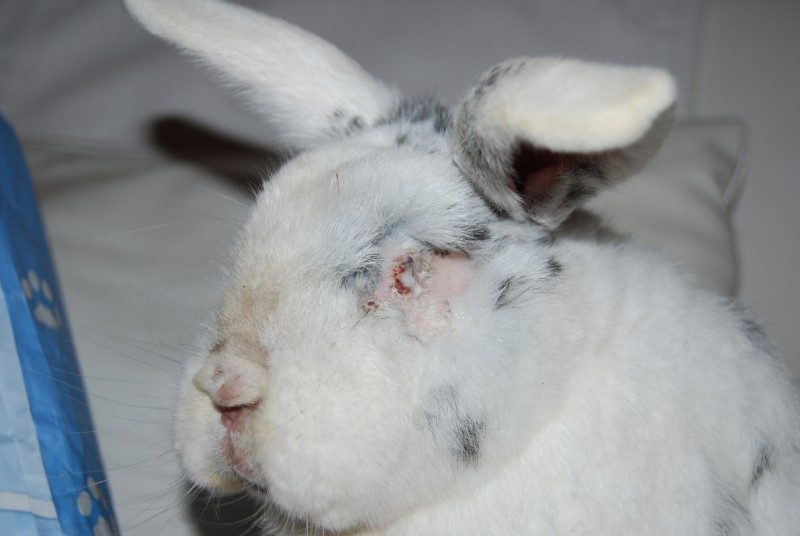
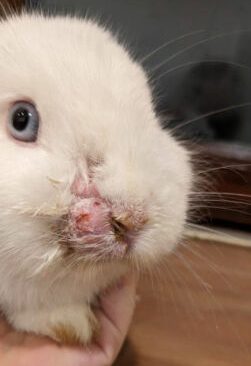
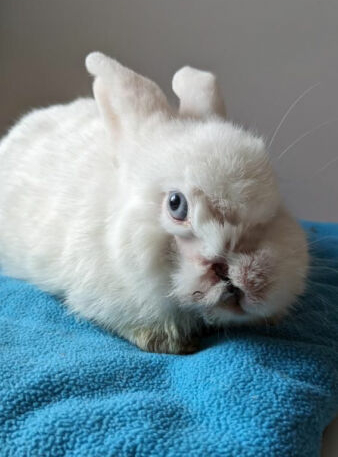
Cheek Abscess without Dental Involvement
Before and 4 weeks after surgery:
Abscess on the Cheek: